
Quick Summary: Eating beets every day can be safe and beneficial for most people, providing essential nutrients, supporting heart health, and improving athletic performance. However, daily consumption may pose risks for individuals prone to kidney stones due to beets’ high oxalate content, and some may experience harmless side effects like beeturia. Moderation and individual health considerations are key to safely incorporating beets into your daily diet.
Beets have surged in popularity, popping up in everything from juice bars to fitness supplements. Their vibrant red color and earthy flavor make them stand out, but the real question is whether eating them every single day is actually good for your health.
The short answer? For most people, yes. But there’s more to the story.
Daily beet consumption can deliver impressive health benefits, from lowering blood pressure to boosting workout performance. Yet certain individuals need to approach this root vegetable with caution, particularly those dealing with kidney issues or a history of kidney stones.
The Nutritional Powerhouse Inside Every Beet
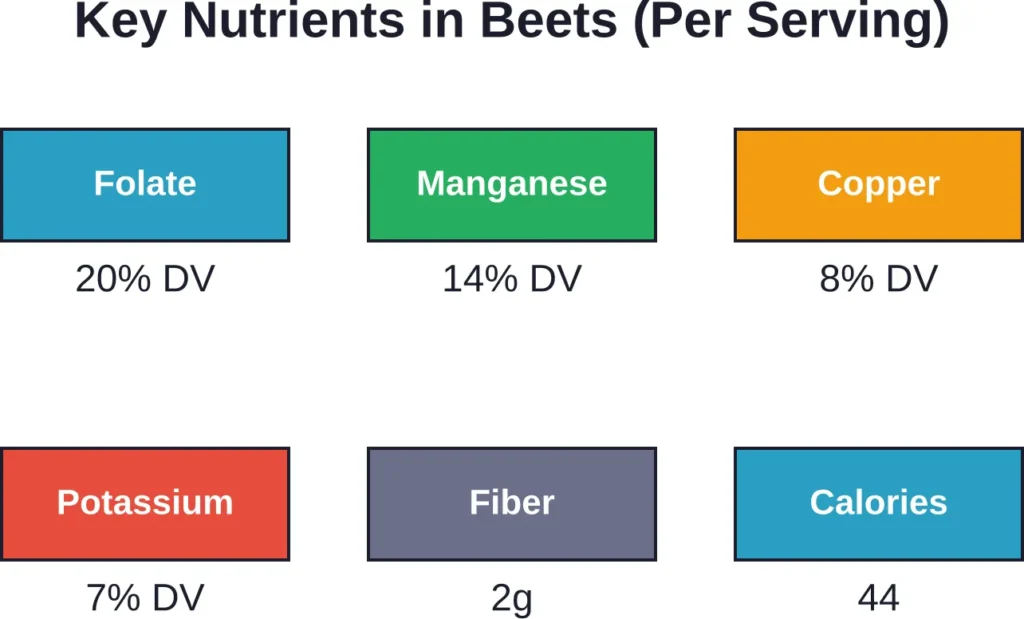
Beets pack serious nutritional value into a low-calorie package. According to USDA data, a 3.5-ounce (100-gram) serving of boiled beetroot contains 44 calories and 9.96 grams of carbohydrates, 2 grams of dietary fiber, and 1 gram of protein.
But the real magic lies in the micronutrients. Beets provide folate at 20% of the Daily Value, manganese at 14%, copper at 8%, potassium at 7%, and magnesium at 6%. They also contain vitamin C at 4% and vitamin B6 at 4% of daily needs.
Beyond standard vitamins and minerals, beets contain unique bioactive compounds called betalains, which give the vegetable its distinctive red color. These compounds demonstrate powerful antioxidant and anti-inflammatory properties that set beets apart from most other vegetables.
The nitrate content in beets deserves special attention. When consumed, dietary nitrates convert into nitric oxide in the body, a molecule that plays crucial roles in blood vessel function and cardiovascular health.
What Happens When You Eat Beets Every Day
Daily beet consumption triggers several measurable changes in the body. Understanding these effects helps determine whether this eating pattern makes sense for individual health goals.
Blood Pressure Benefits
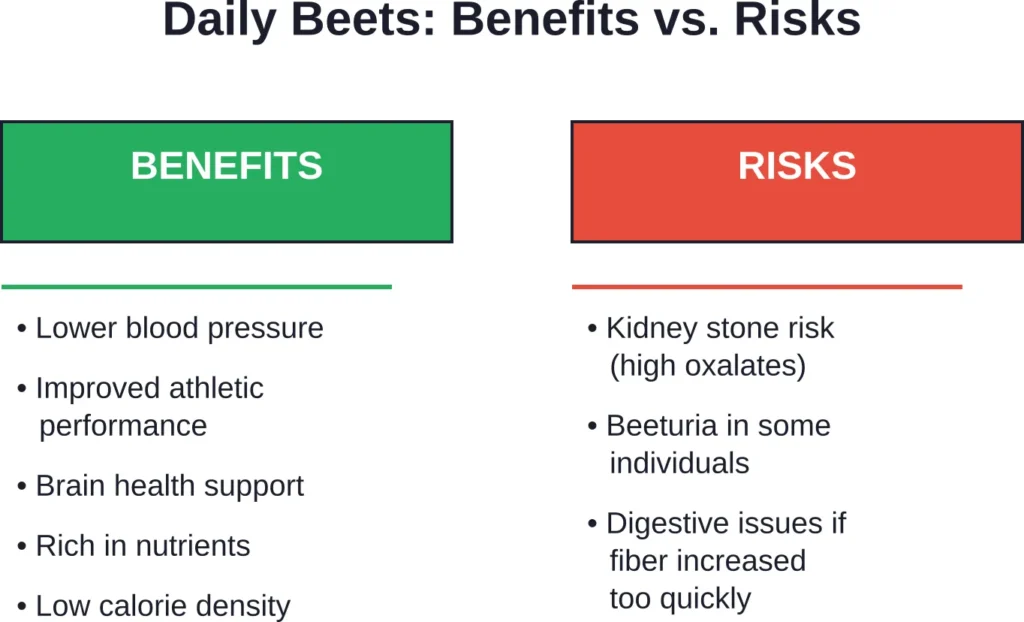
Research demonstrates that beets can significantly impact blood pressure levels. The dietary nitrates in beetroot convert to nitric oxide, which dilates blood vessels and improves overall blood flow.
A 2019 study found that consuming 70 milliliters of nitrate-rich beetroot juice decreased blood pressure by 5.2 mm Hg more than placebo juice after 30 minutes. This effect appears particularly pronounced in individuals with existing hypertension.
The blood pressure benefits don’t require massive quantities. Even moderate daily consumption may support cardiovascular health over time.
Athletic Performance Enhancement
Athletes have embraced beetroot juice as a performance enhancer, and the science backs up their enthusiasm. The nitric oxide generated from beet nitrates affects oxygen utilization during exercise, potentially improving endurance and reducing muscle fatigue.
Community discussions among fitness enthusiasts reveal consistent reports of improved stamina and faster recovery times when incorporating beets into pre-workout nutrition. The vegetable has become particularly popular among endurance athletes, cyclists, and runners.
Brain Health Support
The nitric oxide boost from daily beet consumption doesn’t just benefit muscles and blood vessels. Research suggests improved blood flow to the brain may support cognitive function, particularly in middle-aged and older individuals.
Regular consumption may help maintain mental sharpness and support healthy brain aging, though more research is needed to fully understand the long-term cognitive effects.
Digestive System Changes
Beets contain 2 grams of dietary fiber per serving, which supports digestive health and gut bacteria balance. Daily consumption can improve regularity and reduce bloating for many people.
That said, rapidly increasing fiber intake without adequate hydration can backfire. Some individuals experience gas and bloating when first adding beets to their daily routine. About 95% of American adults don’t meet recommended fiber intake, so sudden increases require adjustment time.
The Oxalate Concern: When Daily Beets Become Problematic
Here’s where daily beet consumption gets tricky. Beets rank among the highest oxalate-containing vegetables, and oxalates pose specific health risks for certain individuals.
Oxalates are natural compounds found in many plant foods. When consumed, they can bind with minerals like calcium in the digestive system or urinary tract. This binding process creates the foundation for kidney stone formation in susceptible individuals.
According to medical research published by the National Institutes of Health, approximately 80% of kidney stones in industrialized societies are composed of calcium oxalate. This statistic highlights the significance of dietary oxalate management for at-risk populations.
Understanding Oxalate Absorption
Not all dietary oxalate gets absorbed. Research shows that oxalate absorption can range from 1 to 20%, with studies on non-stone-forming individuals indicating approximately 5-10% absorption of soluble oxalate loads.
The bioavailability changes based on whether the oxalate source is soluble or crystalline. Soluble oxalates generally show higher bioavailability than crystalline forms.
Who Should Limit Daily Beet Intake
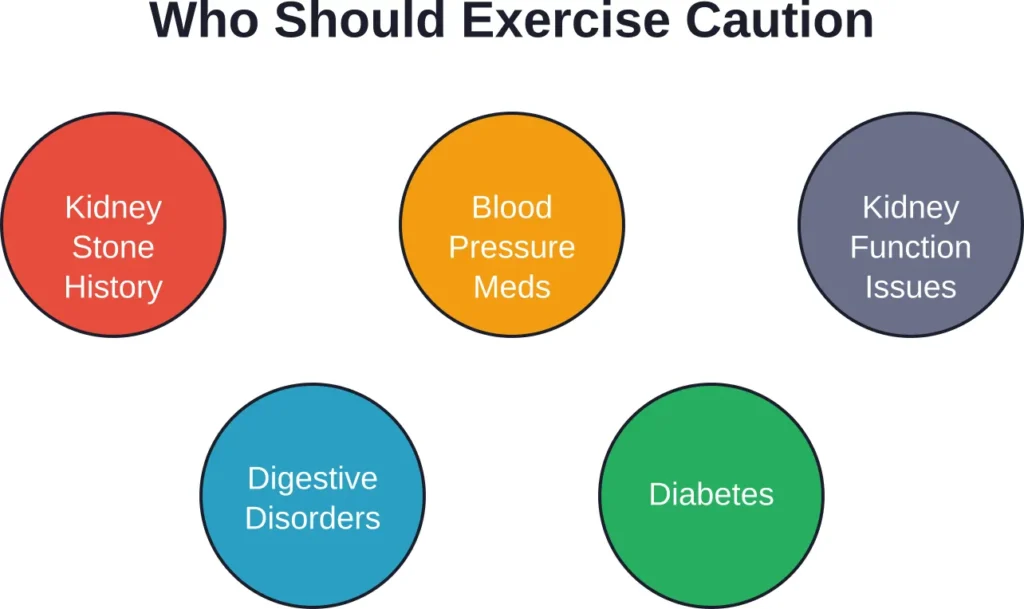
Several groups need to exercise caution with daily beet consumption:
- Individuals with a history of calcium oxalate kidney stones
- People with hyperoxaluria (high urinary oxalate levels)
- Those with compromised kidney function
- Individuals with certain metabolic disorders affecting oxalate processing
- People with inflammatory bowel disease or conditions affecting oxalate absorption
For these individuals, working with a healthcare provider to determine safe beet consumption levels makes sense. The goal isn’t necessarily complete elimination but rather strategic moderation.
The Beeturia Effect: Alarming But Harmless
One surprising side effect of eating beets deserves mention: beeturia. This harmless condition causes red or pink discoloration of urine and sometimes stool after consuming beets.
The effect stems from betalain pigments that some people cannot fully metabolize. These compounds pass through the digestive system and into the urinary tract, creating temporarily colorful bathroom visits.
Beeturia affects different people to varying degrees. Some never experience it, while others notice the effect after every beet-containing meal. The phenomenon poses no health risk whatsoever but can certainly startle those encountering it for the first time.
How Much Is Too Much?
Determining the ideal daily beet intake requires balancing benefits against potential risks based on individual health status.
For healthy individuals without kidney concerns, incorporating beets into daily meals appears safe. Many nutrition experts suggest treating beets like any other vegetable within the recommended 2.5 cups of daily vegetable intake.
One medium beetroot or one cup of diced beets represents a reasonable daily portion. This amount provides substantial nutritional benefits without excessive oxalate exposure for most people.
Athletes seeking performance benefits often consume beetroot juice in quantities ranging from 70 milliliters to larger servings. Research on athletic performance typically uses concentrated beetroot extract or juice rather than whole beets, which concentrates the nitrate content.
Those concerned about oxalates might consider limiting beet consumption to 3-4 times weekly rather than daily, rotating with other nutrient-dense vegetables to maintain dietary variety while managing oxalate intake.
Maximizing Benefits While Minimizing Risks
Strategic preparation and consumption methods can optimize the health benefits of beets while addressing potential concerns.
Preparation Methods Matter
Different cooking methods preserve varying amounts of nutrients. Boiling beets leaches water-soluble nutrients into cooking water, reducing nutritional value.
Better options include:
- Roasting at 400°F for 20-30 minutes to concentrate flavors and preserve nutrients
- Eating raw or lightly steamed (under 15 minutes) for maximum nutrient retention
- Baking at moderate temperatures until tender
Raw beets in salads or smoothies deliver the highest nutrient density, though cooking improves digestibility for some individuals.
Pairing Strategies for Oxalate Management
Combining beets with calcium-rich foods can reduce oxalate absorption. Calcium binds with oxalates in the digestive tract before they reach the kidneys, potentially reducing kidney stone risk.
Smart pairings include beets with yogurt, cheese, milk, or calcium-fortified plant milk. This strategy allows individuals to enjoy beets while managing oxalate concerns more effectively.
Adequate hydration also matters. Drinking plenty of water throughout the day helps dilute urinary oxalate concentrations, reducing crystallization risk.
Don’t Neglect Beet Greens
The leafy tops of beets pack even more nutritional punch than the roots. Beet greens are nutritionally dense, containing notable amounts of vitamins and minerals including iron, vitamins A, C, and K.
However, beet greens also contain high oxalate levels. Those monitoring oxalate intake should account for greens in their total dietary oxalate calculation.
| Preparation Method | Nutrient Retention | Best For |
|---|---|---|
| Raw | Highest | Maximum nutrients, salads, juicing |
| Steamed (under 15 min) | High | Easier digestion, warm dishes |
| Roasted (400°F, 20-30 min) | Good | Enhanced flavor, side dishes |
| Boiled | Lower | Soft texture, nutrient loss concern |
Practical Ways to Add Beets to Your Daily Diet
Incorporating beets doesn’t require elaborate recipes. Simple preparation methods work perfectly for daily consumption.
Roasted beet wedges tossed with olive oil, salt, and herbs make an excellent side dish. The natural sugars caramelize during roasting, creating a sweet, earthy flavor profile.
Raw beets work beautifully in salads when shredded or thinly sliced. Pair with citrus fruits, nuts, and goat cheese for balanced flavors and textures.
Beetroot juice offers concentrated nutrients and convenience for busy schedules. Many athletes prefer juice for pre-workout nutrition, though whole beets provide more fiber.
Smoothies provide another easy vehicle for daily beet consumption. Blend raw beets with berries, banana, and plant milk for a nutrient-dense breakfast or snack.
Pickled beets extend shelf life and add tangy flavor to salads, sandwiches, or grain bowls. Just watch sodium content in commercial pickled products.
When to Consult a Healthcare Provider
Certain situations warrant professional guidance before making beets a daily habit.
Anyone with a history of kidney stones should discuss dietary oxalate management with a doctor or registered dietitian. Individual risk factors vary, and personalized recommendations yield better outcomes than generic advice.
People taking blood pressure medications should monitor their levels if adding significant amounts of beet juice to their diet. The blood pressure-lowering effects of beets may interact with medications, potentially causing levels to drop too low.
Those with diabetes should account for the natural sugars in beets (6 grams per serving) when planning meals, though the fiber content helps moderate blood sugar impact.
Individuals with inflammatory bowel disease or other digestive conditions affecting nutrient absorption may experience altered oxalate absorption rates, warranting professional input on safe consumption levels.
The Verdict on Daily Beet Consumption
So is it okay to eat beets every day? For most healthy individuals, absolutely.
Daily beet consumption offers legitimate health benefits backed by scientific research. The cardiovascular advantages, athletic performance enhancement, and nutrient density make beets a valuable addition to regular eating patterns.
The oxalate concern remains real but manageable for those without kidney stone history. Strategic pairing with calcium-rich foods, adequate hydration, and portion awareness allow most people to enjoy daily beets safely.
Those with specific health conditions should seek personalized guidance rather than following generic recommendations. Individual risk factors and health goals should drive consumption decisions.
Variety remains a cornerstone of healthy eating. While daily beets can fit into a balanced diet, rotating vegetables ensures broad nutrient coverage and prevents excessive reliance on any single food source.
Current U.S. dietary recommendations suggest 2.5 cups of vegetables daily as part of a balanced diet with a wide variety of types. Beets can certainly claim their place in that rotation, whether daily or several times weekly.
Frequently Asked Questions
Beets themselves don’t directly damage kidneys in healthy individuals. However, their high oxalate content can contribute to kidney stone formation in susceptible people. Those with existing kidney problems should consult healthcare providers before consuming beets daily. For healthy kidneys, moderate daily beet consumption appears safe.
This harmless condition called beeturia occurs when betalain pigments from beets aren’t fully metabolized. The compounds pass through the digestive and urinary systems, temporarily coloring urine or stool pink or red. Beeturia affects some people more than others and poses no health risk whatsoever.
Canned beets retain most nutrients but often contain added sodium. A serving of canned beets provides 64 mg of sodium compared to minimal amounts in fresh beets. For those monitoring sodium intake, fresh or frozen beets make better choices. Nutritionally, the core vitamins and minerals remain largely intact in canned versions.
Research on beetroot juice for athletic performance typically involves consumption 2-3 hours before exercise. This timing allows dietary nitrates to convert to nitric oxide, reaching peak blood levels when training begins. Athletes seeking performance benefits often consume beetroot juice or extract in this pre-workout window.
Some research suggests beet fiber may affect lipid metabolism, though evidence remains mixed. The dietary fiber in beets (2 grams per serving) contributes to overall fiber intake, which supports healthy cholesterol levels. However, beets alone shouldn’t replace proven cholesterol management strategies like comprehensive dietary changes and exercise.
Pickled beets retain many nutrients but lose some vitamin C during processing. The pickling process may also add significant sodium depending on the brine composition. Beneficial compounds like betalains and minerals remain largely intact. For maximum nutrition, fresh or lightly cooked beets edge out pickled versions, though pickled beets still offer value.
Remove beet greens and store the roots in a plastic bag in the refrigerator. This method preserves freshness for several weeks. Store greens separately and use within a few days for best quality. Proper storage prevents moisture loss and nutrient degradation, maintaining the nutritional value of this vibrant root vegetable.
Final Thoughts
Beets deserve their superfood reputation. The combination of essential nutrients, unique bioactive compounds, and legitimate health benefits makes them a valuable dietary addition.
Daily consumption works for most people, delivering consistent cardiovascular support, improved exercise capacity, and solid nutrition in a low-calorie package. The oxalate concern matters primarily for those with kidney stone history or compromised kidney function.
Smart preparation methods maximize benefits while proper pairing strategies minimize potential risks. Whether roasted, raw, juiced, or pickled, beets offer versatility that makes daily inclusion practical and enjoyable.
Ready to add more beets to your diet? Start with 3-4 servings weekly and monitor how your body responds. Most people tolerate daily beets without issue, but individual variation means paying attention to personal reactions makes sense.
The vibrant root vegetable waiting in the produce section might just become a new daily health habit. Just remember to balance enthusiasm with awareness of individual health needs, and those earthy red roots will serve well for years to come.