
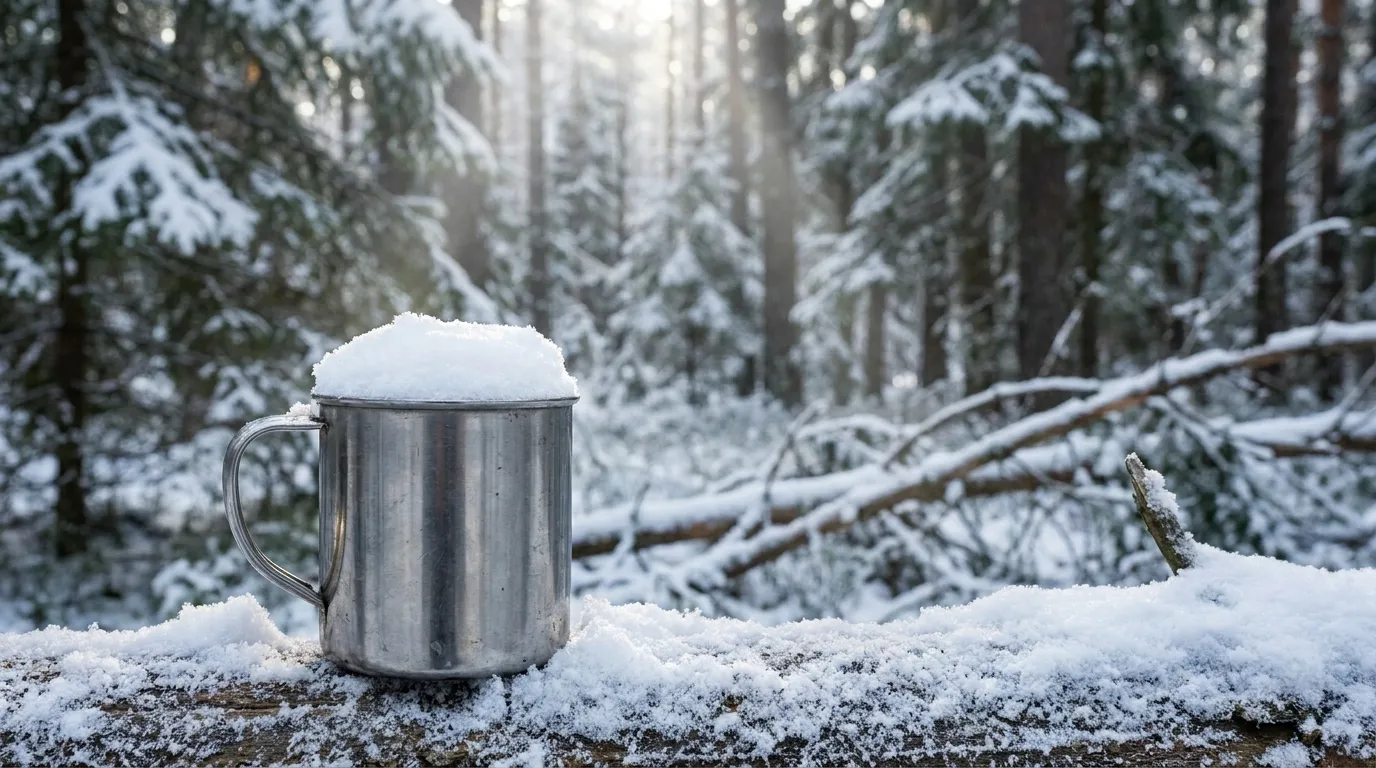
Quick Summary: Eating small amounts of fresh, undisturbed snow from the top layer is generally safe, though it’s not sterile and can contain atmospheric particles and pollutants. The biggest concerns are contamination from ground-level pollutants, harmful bacteria from animals or runoff, and hypothermia risk in survival situations. Occasional snowflake tasting poses minimal health risk for healthy individuals.
Catching snowflakes on your tongue is one of those magical winter moments everyone remembers from childhood. But is it actually safe to eat snow? The short answer is probably—with some important caveats.
Snow isn’t the pristine, pure substance many imagine. As it forms and falls through the atmosphere, it collects particles, pollutants, and microorganisms. The question isn’t whether snow is perfectly clean—it’s whether the contaminants present pose a real health risk.
Let’s break down what’s actually in snow, when it’s reasonably safe to eat, and when you should absolutely skip that winter treat.
What’s Actually in Snow
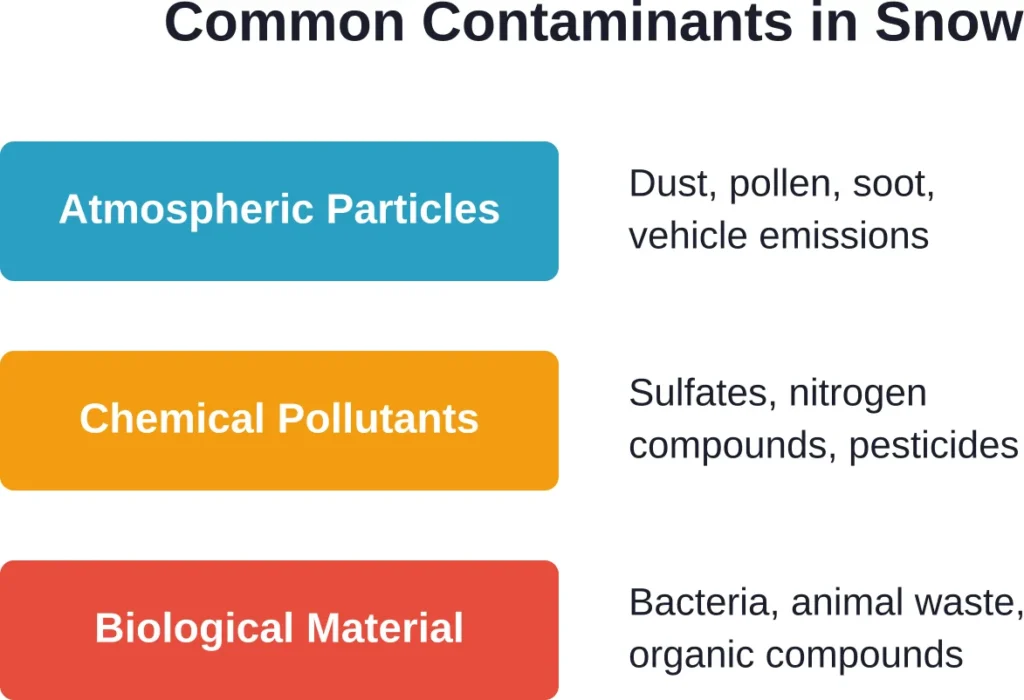
Snow forms when water vapor freezes around tiny particles in clouds—dust, pollen, or even bacteria. As snowflakes fall through the atmosphere, they act like tiny air filters, collecting whatever’s floating around.
That includes vehicle emissions, industrial pollutants, pesticides, and particulate matter. Research on atmospheric deposition shows that precipitation captures airborne contaminants as it falls. According to the EPA, atmospheric deposition (wet and dry) carries pollutants from the atmosphere to surfaces, including sulfates and nitrogen compounds.
In areas with significant air pollution, snow can accumulate measurable levels of these contaminants. The concentration depends on location, weather patterns, and how long the snow has been on the ground.
When It’s Safest to Eat Snow
If you’re going to taste snow, timing and location matter more than anything else. Fresh snow from the top layer is your best bet.
The first snow that falls after a dry spell often contains higher concentrations of accumulated atmospheric pollutants—it essentially washes particles out of the air. Snow from subsequent storms tends to be cleaner.
Here’s what makes snow safer to consume:
Location Makes a Difference
Rural areas with minimal industrial activity and low traffic typically have cleaner snow than urban environments. Distance from roads, factories, and agricultural operations reduces exposure to exhaust fumes, de-icing chemicals, and pesticide drift.
Mountain regions often have less contaminated snow due to lower population density and reduced industrial activity, though altitude and wind patterns can still transport pollutants from distant sources.
Surface Layer Matters
Always take snow from the top layer. The undisturbed, pristine white stuff that just fell. Never eat snow that’s been on the ground for a while—it accumulates ground-level pollutants, animal waste, bacteria, and whatever else has settled or walked on it.
Snow near ground level, especially in urban areas, can contain significantly higher concentrations of contaminants from road salt, vehicle emissions, pet waste, and surface runoff.
Color and Texture Are Clues
Stick with pure white snow. Any discoloration—yellow, brown, gray, or pink—signals contamination. Yellow snow obviously indicates animal urine. Gray or brown suggests dirt, soot, or other particles. Pink snow can indicate algae growth, which isn’t necessarily harmful but signals the snow has been sitting long enough for biological growth.
The Real Health Risks
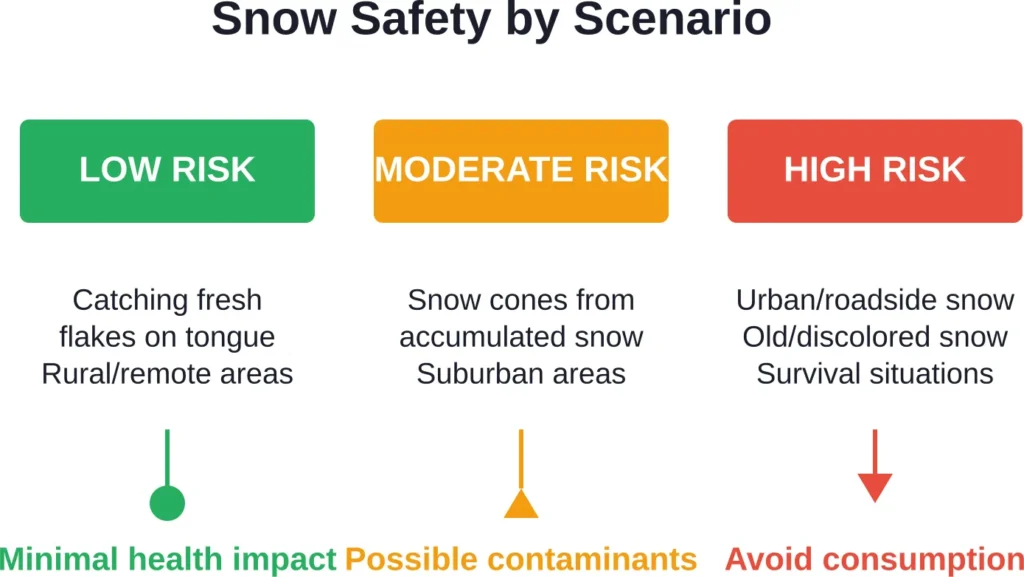
For most healthy people, eating small amounts of fresh snow poses minimal risk. The contaminant levels in a few snowflakes aren’t typically high enough to cause acute illness.
But there are scenarios where snow consumption becomes problematic:
Urban Pollution Concerns
Cities with high vehicle traffic and industrial activity produce snow with elevated levels of heavy metals, particulate matter, and chemical pollutants. Regular consumption could theoretically lead to cumulative exposure, though the occasional taste is unlikely to cause harm.
Areas with poor air quality produce snow that reflects those conditions. If you wouldn’t want to breathe deeply outside, you probably shouldn’t eat the snow either.
Bacterial and Viral Contamination
Animal activity contaminating snow represents a genuine concern. Birds, rodents, and other wildlife may have contaminated the snow with feces containing bacteria like Salmonella or E. coli.
Research by the USGS on environmental contamination shows that animal waste can introduce disease-causing bacteria and viruses into environmental samples such as stream water and sediment. While snow’s cold temperature slows bacterial growth, it doesn’t eliminate pathogens that were already present.
The Hypothermia Factor
In survival situations, eating snow is genuinely dangerous—not because of contaminants, but because of heat loss. Your body must expend significant energy to melt and warm the snow to body temperature.
This heat expenditure accelerates hypothermia when you’re already cold and potentially short on calories. Survival experts universally recommend melting snow before consumption if you need water in cold conditions.
Special Considerations for Kids and Pets
Children often eat more snow than adults—scooping it up by the handful, making snow cones, or incorporating it into winter play. The same basic guidelines apply: fresh, undisturbed, white snow from the top layer poses minimal risk in small amounts.
Parents should teach kids to avoid snow near roads, parking lots, or areas where animals frequent. Snow collected in containers that have been outside should be treated with the same caution as water collected outdoors—the CDC notes that rainwater can contain germs and chemicals requiring testing before consumption.
What About Dogs Eating Snow
Dogs commonly eat snow during winter walks and play. In most cases, this is harmless. However, large quantities can cause stomach upset or lower their body temperature.
The bigger concern is snow contaminated with antifreeze, de-icing chemicals, or road salt—all toxic to pets. Keep dogs away from roadside snow and watch for excessive snow consumption that might indicate dehydration or other health issues.
Making Snow Treats Safely
Snow cream and snow cones are traditional winter delights. If you’re collecting snow for recipes, follow these guidelines:
- Collect only from the freshest snowfall, taking from the top layer
- Choose a collection area far from roads, driveways, and animal activity
- Use a clean container, not one that’s been sitting outside
- Add flavorings and dairy products that are safe for consumption
- Consume immediately—don’t store melted snow
Think of snow collection like foraging: environmental conditions matter, location determines quality, and freshness is critical.
When to Absolutely Avoid Eating Snow
Some situations call for a hard pass on snow consumption:
| Scenario | Why It’s Risky |
|---|---|
| Urban/roadside snow | High concentrations of exhaust fumes, road salt, de-icing chemicals, heavy metals |
| Discolored snow | Indicates contamination from dirt, animal waste, algae, or industrial pollutants |
| Old snow on ground | Accumulates ground-level pollutants, bacteria, and animal waste over time |
| Survival situations | Body heat loss from melting snow accelerates hypothermia and energy depletion |
| Near industrial sites | Potential for toxic chemical contamination from emissions or runoff |
| Areas with poor air quality | Snow reflects atmospheric pollution levels in the surrounding environment |
The Bottom Line on Snow Safety
Real talk: eating a few snowflakes isn’t going to hurt you. The romantic winter tradition of catching flakes on your tongue poses minimal health risk for healthy individuals in most environments.
The concerns become valid when you’re talking about larger quantities, urban snow, ground-level snow, or survival scenarios. Context matters enormously.
If the snow is fresh, white, undisturbed, and from a relatively clean environment, occasional tasting is fine. If you’re scooping up handfuls of old snow from the city sidewalk, that’s a different story.
Use common sense: if the environment looks or feels polluted, the snow probably reflects that. If you wouldn’t drink water from a particular area without treatment, don’t eat the snow either.
Frequently Asked Questions
Eating small amounts of fresh, clean snow is unlikely to make healthy people sick. However, snow can contain bacteria, pollutants, and contaminants that might cause illness if consumed in larger quantities or if it’s from contaminated areas near roads, industrial sites, or animal activity.
Not necessarily. Both snow and rain capture atmospheric pollutants as they form and fall. Snow can actually trap more particles because of its larger surface area and structure. The cleanliness of either depends more on air quality, location, and environmental factors than the form of precipitation itself.
Eating snow doesn’t directly dehydrate you, but in survival situations it’s dangerous because your body must expend significant energy to melt and warm the snow to body temperature. This heat loss accelerates hypothermia and depletes caloric reserves faster than the water content helps. Always melt snow before drinking in cold survival scenarios.
A few snowflakes or a small taste poses minimal risk. There’s no established “safe” quantity because it depends on the snow’s contamination level, which varies by location and conditions. Occasional small amounts of fresh snow from clean environments are generally fine; regular consumption of larger quantities is not recommended.
Kids can safely taste fresh, undisturbed snow from the top layer in small amounts, just like adults. Teach children to avoid snow near roads, parking areas, or places where animals have been, and to stick with pristine white snow that just fell. Large quantities or contaminated snow should always be avoided.
Dogs can safely eat small amounts of clean snow, but large quantities may cause stomach upset or lower body temperature. The real danger is snow contaminated with antifreeze, de-icing chemicals, or road salt, which are toxic to pets. Keep dogs away from roadside snow and monitor their snow consumption during winter activities.
Never eat discolored snow. Yellow typically indicates animal urine, brown or gray suggests dirt or soot contamination, and pink can indicate algae growth. Any discoloration signals the presence of contaminants that could contain harmful bacteria, chemicals, or other substances you definitely don’t want to ingest.