
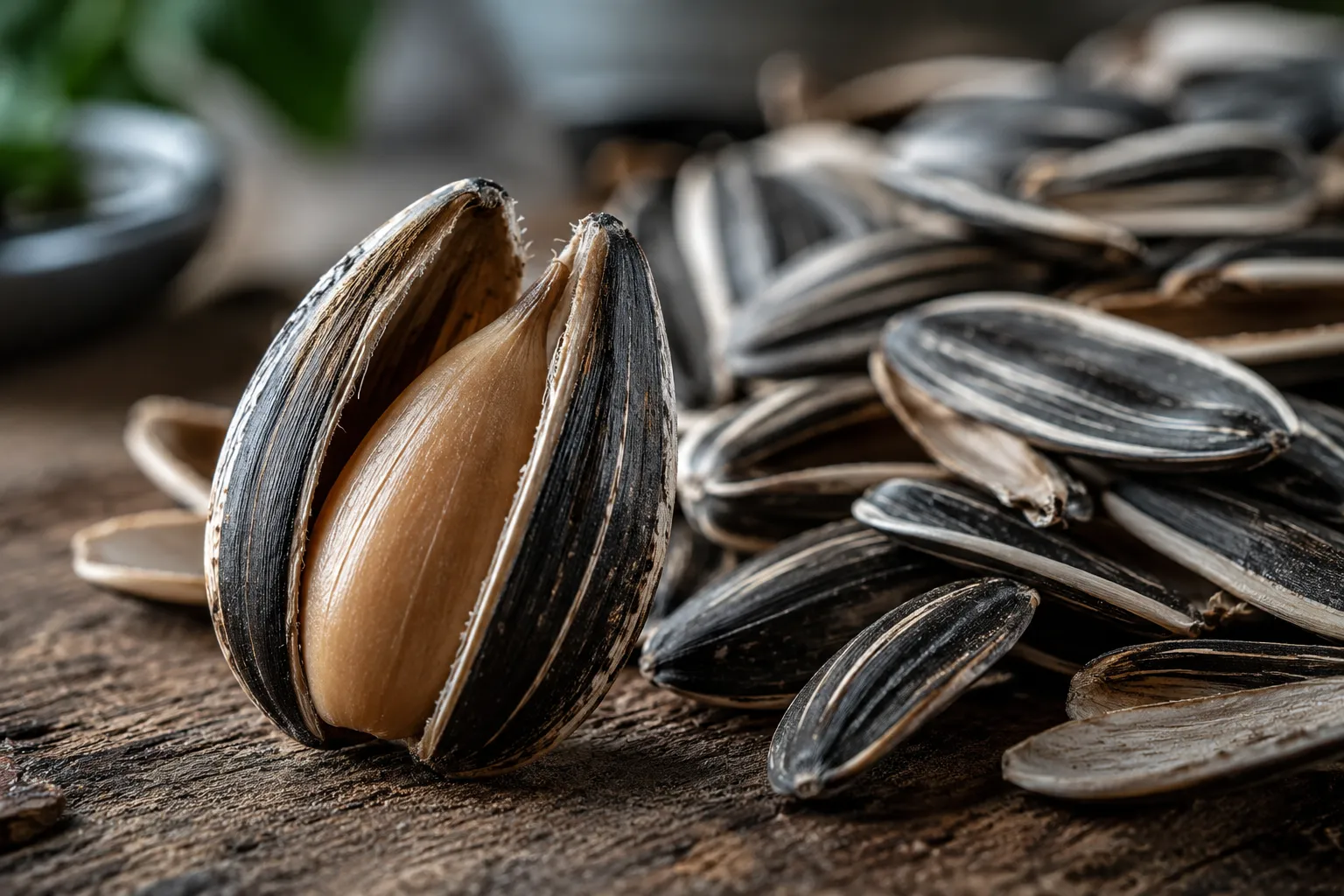
Quick Summary: Sunflower seed shells should not be eaten. They are fibrous, sharp, and difficult to digest, potentially causing mouth injuries, digestive blockages, or gastrointestinal discomfort. The edible kernel contains all the nutrition — 24.74 g protein and 14.21 g fiber per cup — while the shell offers no nutritional benefit and poses risks that outweigh any curiosity about eating them whole.
Sunflower seeds are one of the most popular snacks worldwide. Packed into baseball dugouts, scattered across salad bars, and stuffed into trail mix bags, these little kernels deliver crunch, flavor, and serious nutrition.
But here’s the thing: they come with a shell. And if you’ve ever mindlessly chewed a handful while watching TV, the question has probably crossed your mind: is it actually okay to eat the shell, too?
The short answer? No. But the reasons why go deeper than most people realize, touching on digestion, safety, and even medical case studies that reveal what can happen when plant material doesn’t break down properly in the gut.
What Are Sunflower Seed Shells Made Of?
Sunflower seed shells — also called hulls — are the hard, black-and-white striped outer casing that protects the edible kernel inside. They’re primarily composed of insoluble fiber, specifically cellulose and lignin, the same structural materials found in wood and tree bark.
Humans lack the digestive enzymes needed to break down cellulose efficiently. Ruminant animals like cows can handle it thanks to specialized stomach chambers and gut bacteria, but the human digestive system isn’t built for that.
According to research from the University of Illinois, sunflower seeds contain over 50% oil. The remaining seed hull becomes a larger proportion of the leftover material after oil extraction. That’s where all the fiber concentrates, making the shells even tougher and more fibrous than other seed coatings.
The shells are also sharp. When chewed, they splinter into jagged fragments that can scrape the inside of the mouth, throat, and gastrointestinal tract.
Why Eating Sunflower Seed Shells Is a Bad Idea
Real talk: just because something is technically edible doesn’t mean it’s safe or smart to eat. Sunflower seed shells fall squarely into that category.
They Can Injure Your Mouth and Throat
The shells are rigid and break into sharp pieces when chewed. These fragments can cut your gums, tongue, or the lining of your throat. Even minor abrasions can be painful and slow to heal, especially if you eat seeds frequently.
Some people report eating shells intentionally, describing a gritty, unpleasant texture. But anecdotal tolerance doesn’t equal safety.
They’re Nearly Impossible to Digest
Sunflower seed shells pass through the digestive system largely intact. The human gut can’t break down the cellulose and lignin efficiently, so the shells move through as roughage — but not the helpful kind.
While some fiber is beneficial, the insoluble fiber in seed shells doesn’t soften or dissolve. Instead, it can irritate the intestinal lining and contribute to blockages if consumed in large amounts.
Risk of Gastrointestinal Blockage
Here’s where it gets serious. According to a study published in the Asian Pacific Journal of Tropical Biomedicine and archived by the National Institutes of Health, researchers examined cases of appendicitis caused by foreign plant material. Among appendectomy patients, fruit seeds and undigested plant residuals were found in 0.05% and 0.35% of cases, respectively.
Though sunflower seed shells weren’t the sole focus, the research highlights a clear risk: fibrous, undigested plant matter can lodge in the appendix or intestines, leading to inflammation, blockage, or infection.
Eating a few shells accidentally won’t trigger an emergency. But habitually consuming large amounts? That’s asking for trouble.
Zero Nutritional Benefit
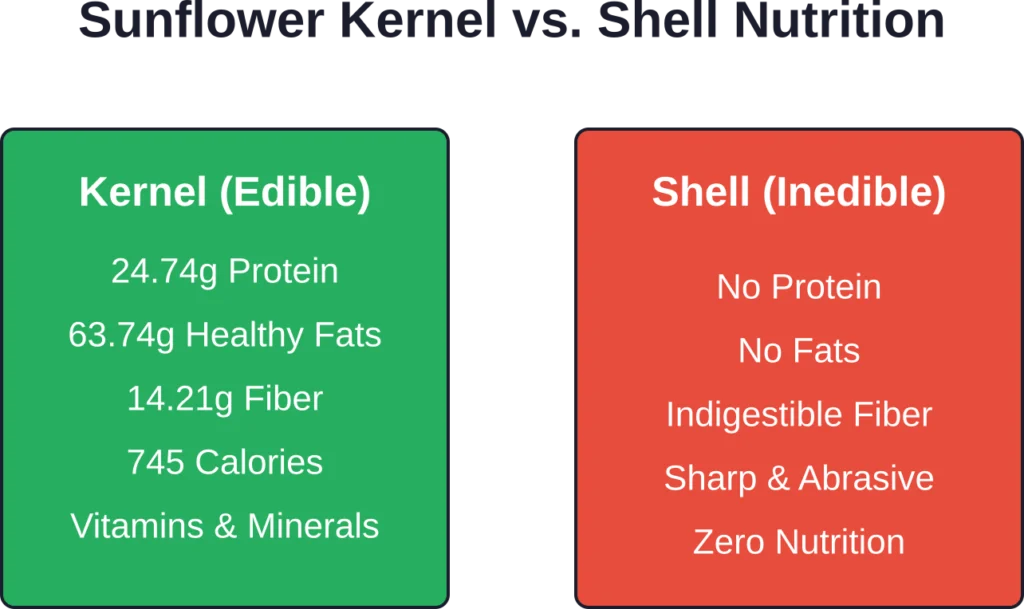
The shell contributes nothing to your diet. All the protein, healthy fats, vitamins, and minerals are concentrated in the kernel. According to nutritional data from the University of Rochester Medical Center, 1 cup (approximately 140g) of dry roasted sunflower seed kernels without salt contain:
| Nutrient | Amount per cup (140g) |
|---|---|
| Protein | 24.74 g |
| Total Fat | 63.74 g |
| Carbohydrates | 30.81 g |
| Dietary Fiber | 14.21 g |
| Energy | 744.96 kcal |
The shell? Essentially zero calories, zero protein, and fiber that does more harm than good.
What Happens If You Accidentally Swallow Some Shells?
Okay, so what if a few shell fragments slip past while cracking seeds? Don’t panic.
Swallowing a small amount of shell material occasionally won’t cause immediate harm. The shells will likely pass through the digestive tract within 24 to 48 hours and exit without incident.
But there’s a difference between accidental ingestion and deliberate consumption. Eating shells regularly or in large quantities dramatically increases the risk of:
- Intestinal irritation or inflammation
- Constipation or impaction
- Abdominal pain or cramping
- Blockage requiring medical intervention
If discomfort develops after eating shells — persistent pain, bloating, nausea, or changes in bowel movements — contact a healthcare provider.
How to Properly Eat Sunflower Seeds
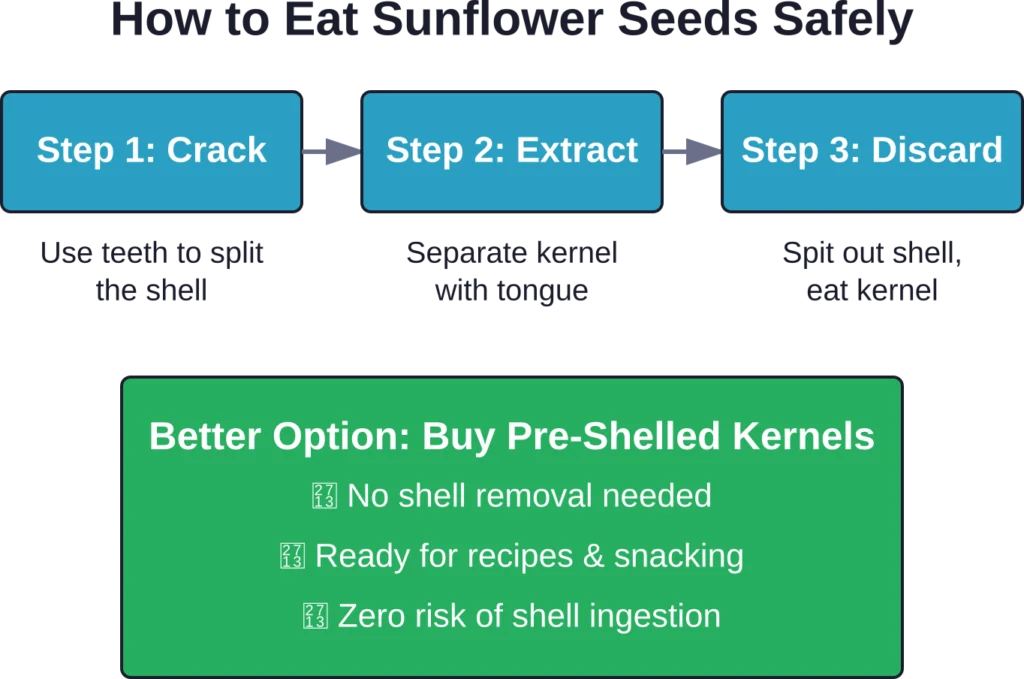
The right way to enjoy sunflower seeds is simple: crack the shell, extract the kernel, discard the hull.
Here’s the typical method:
- Place a seed between your back molars or front teeth.
- Apply gentle pressure to crack the shell along the seam.
- Use your tongue to separate the kernel from the shell halves.
- Spit out the shell, chew and swallow the kernel.
It takes practice to do this efficiently, especially if you’re aiming for the rapid-fire technique favored by baseball players. But once the motion becomes second nature, it’s a satisfying snack ritual.
Alternatively, buy pre-shelled sunflower seeds (often labeled as kernels). They’re ready to eat straight from the bag, perfect for adding to recipes, salads, or yogurt without any shell management.
Are There Any Exceptions?
Some people claim they’ve eaten sunflower seed shells for years without problems. Some individuals report chewing and swallowing whole seeds, citing convenience or habit.
Does that make it safe? Not really.
Tolerance varies. Some individuals may have tougher digestive systems or happen to chew the shells finely enough to reduce sharp edges. But just because one person doesn’t experience complications doesn’t mean the practice is harmless.
Medical research consistently shows that undigested plant material can contribute to gastrointestinal issues. Anecdotal experiences don’t override physiological risk.
What to Do With Leftover Shells
If eating the shells is off the table, what should be done with them?
Sunflower seed shells are compostable. They break down slowly due to their fibrous structure, but adding them to a compost pile or bin is a sustainable disposal method. They’ll eventually decompose and contribute organic matter to the soil.
Some gardeners also use shells as mulch around plants, though they should be applied in thin layers to avoid matting and water runoff issues.
And if you’re snacking somewhere without compost access? Trash them. Simple as that.
Health Benefits of Eating Sunflower Seeds (The Kernel)
Now that we’ve established shells are a no-go, let’s focus on what makes the kernels worth eating.
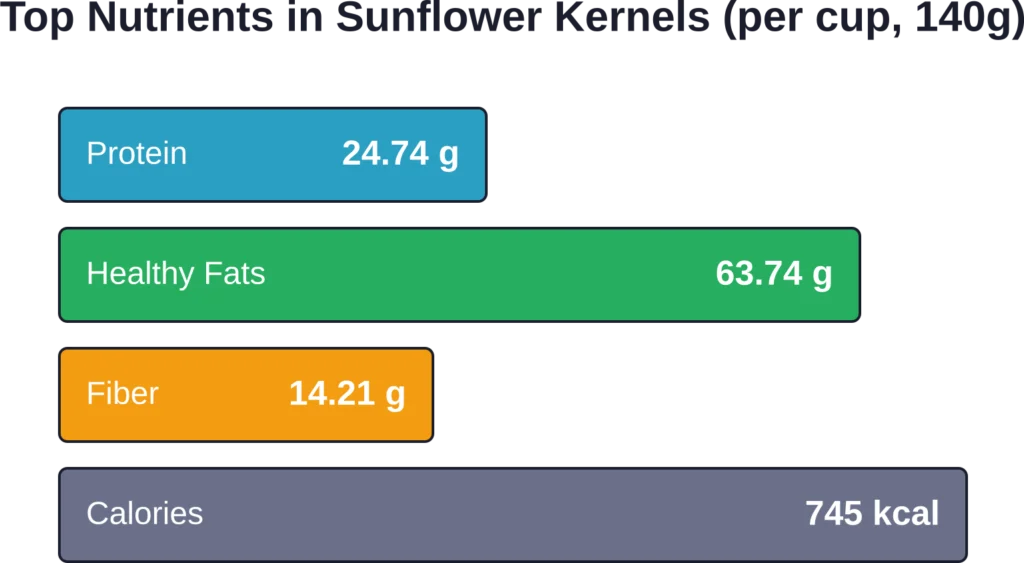
Sunflower seeds are nutritional powerhouses. Based on data from the University of Rochester Medical Center, a 1-cup (140g) serving of dry roasted kernels without salt delivers:
- 24.74 grams of protein per cup
- 63.74 grams of fat per cup — mostly heart-healthy unsaturated fats
- 14.21 grams of dietary fiber per cup — supporting digestion and gut health
- Significant amounts of vitamin E, selenium, phosphorus, and magnesium
According to the National Sunflower Association, high oleic sunflower oil contains over 82% oleic acid, a monounsaturated fat linked to cardiovascular benefits.
The seeds are also rich in antioxidants and anti-inflammatory compounds, making them a smart addition to a balanced diet.
Common Myths About Sunflower Seed Shells
Let’s clear up a few misconceptions:
Myth: Shells Add Extra Fiber to Your Diet
Technically true, but misleading. The fiber in shells is indigestible and can irritate rather than support the digestive tract. The kernel already provides 14.21 grams of beneficial fiber per cup — plenty without the shell.
Myth: Eating Shells Helps You Feel Fuller Longer
Fullness comes from nutrients, not indigestible bulk. The protein and healthy fats in the kernel promote satiety far more effectively than shells ever could.
Myth: Shells Are Harmless Because They’re Natural
Natural doesn’t equal safe. Poison ivy is natural. So is broken glass from sand. The shells’ fibrous structure and sharp edges pose real risks regardless of their plant origin.
Frequently Asked Questions
While rare, undigested plant material — including seed shells — has been documented as a contributing factor in appendicitis cases. Research published by the NIH found fruit seeds and plant residuals in a small percentage of appendectomy patients (0.05% and 0.35%, respectively). Eating large amounts of shells increases the risk of intestinal blockage and inflammation.
Swallowing small amounts of shell material occasionally is unlikely to cause harm. The fragments will typically pass through the digestive system within a day or two. However, if abdominal pain, nausea, or constipation develops, seek medical advice.
No. The shells contain no protein, fats, vitamins, or digestible nutrients. All the nutritional benefits — including 24.74 g of protein and 14.21 g of fiber per cup — are in the kernel. The shell is purely protective casing with no dietary value.
Chewing may reduce the size of shell fragments, but it doesn’t change their composition. The cellulose and lignin remain indigestible regardless of how finely the shells are broken down. Smaller pieces can still irritate the digestive tract and pose a risk if consumed regularly.
Anyone with gastrointestinal disorders — such as Crohn’s disease, irritable bowel syndrome, diverticulitis, or a history of intestinal blockages — should absolutely avoid eating sunflower seed shells. The fibrous, sharp material can exacerbate inflammation and increase the risk of complications.
Some animals, particularly birds, can eat whole sunflower seeds without issue. Their digestive systems are adapted to process seeds and hulls. Domestic pets like dogs and cats, however, should not be given shells, as they can cause choking, digestive upset, or blockages.
Habit, convenience, or simple curiosity. Some individuals report eating shells without noticeable problems, leading them to believe it’s safe. But absence of immediate symptoms doesn’t mean there’s no risk. Medical evidence consistently warns against the practice due to potential long-term gastrointestinal issues.
The Bottom Line: Skip the Shells
Sunflower seed shells are not meant to be eaten. They offer zero nutritional value, can’t be digested, and pose real risks to the mouth, throat, and digestive system.
The kernel is where all the benefits live — protein, healthy fats, fiber, vitamins, and minerals that support heart health, muscle function, and overall wellness. Eating the shell doesn’t add anything except potential harm.
So crack, extract, and enjoy the kernel. Toss the shell. And if convenience matters more than technique, grab a bag of pre-shelled kernels and skip the shell drama altogether.
Your digestive system will thank you.