
Quick Summary: Losing weight while pregnant isn’t recommended for most women, even if you’re overweight. Healthcare providers typically advise healthy weight management—which means gaining less than guidelines suggest for women with higher BMIs—not actual weight loss. According to the CDC, moderate-intensity physical activity and balanced nutrition help manage weight gain safely during pregnancy without harming the baby.
Pregnancy brings so many questions about your body, and weight sits near the top of that list. If you started pregnancy with overweight or obesity, you might wonder whether losing a few pounds would actually help your baby. The short answer gets complicated fast.
Here’s the thing though—medical guidelines focus on healthy weight management, not weight loss. But what does that actually mean when you’re carrying extra weight? Let’s break down what current evidence says about pregnancy weight, what doctors recommend for different situations, and how to keep both you and your baby healthy.
Understanding Weight Gain Guidelines During Pregnancy
Not everyone should gain the same amount of weight during pregnancy. Your pre-pregnancy BMI determines how much weight healthcare providers expect you to gain over nine months.
| BMI Category | Pre-Pregnancy BMI | Recommended Weight Gain (lb) |
|---|---|---|
| Underweight | Less than 18.5 | 28–40 |
| Typical weight | 18.5 to 24.9 | 25–35 |
| Overweight | 25.0 to 29.9 | 15–25 |
| Obesity | 30.0 or more | 11–20 |
Research from 2009 through 2024 found that approximately 47% of women gained above these recommendations (based on systematic review data), while some gained below them. That means only a portion of pregnant women stayed within the suggested ranges.
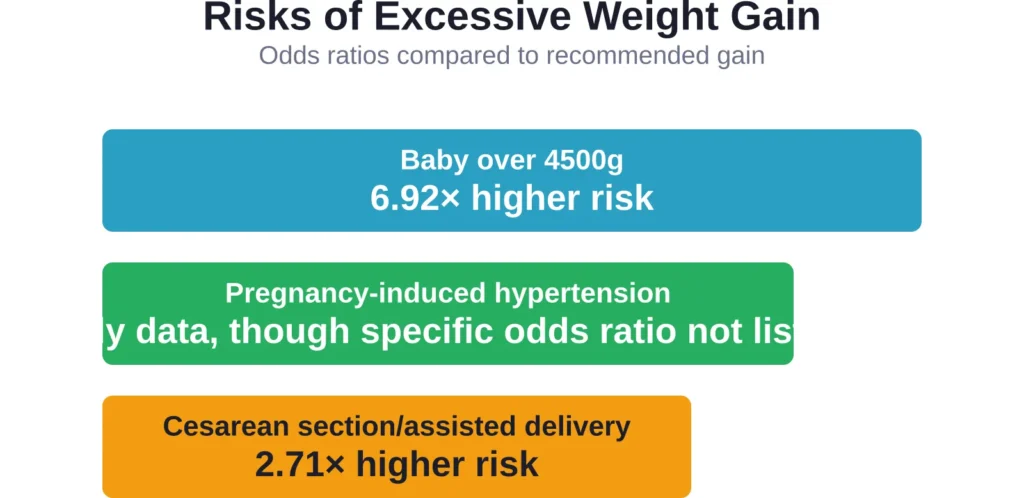
What happens when weight gain falls outside these ranges? Excessive gestational weight gain carries real risks. A Polish study of 10,319 women found that gaining too much weight increased the odds of several complications significantly.
Is Weight Loss During Pregnancy Ever Recommended?
Most doctors don’t recommend intentional weight loss while pregnant. Even for women with obesity, the goal shifts to gaining less weight—not losing it.
That said, some weight loss happens naturally, especially in early pregnancy. Morning sickness, food aversions, and nausea can cause women to lose a few pounds during the first trimester. This usually isn’t concerning if it’s modest and temporary.
Community discussions on platforms like Mumsnet reveal how confusing this advice can be. Women with overweight frequently express frustration: “I know I’m not meant to ‘diet’ but is it ok to lose a few pounds while pregnant?” The medical answer remains consistent—focus on healthy habits, not the scale.
What About Women With Higher BMIs?
If you started pregnancy with obesity, your healthcare provider might recommend gaining only 11–20 pounds total. Some women with very high BMIs might be advised to maintain their weight or gain minimally.
But wait. Maintaining weight isn’t the same as active weight loss through calorie restriction. The distinction matters because severe calorie cutting can deprive your developing baby of essential nutrients.
Safe Weight Management Strategies During Pregnancy
Healthy weight management during pregnancy doesn’t mean dieting. It means building habits that support both your health and your baby’s development.
Physical Activity Recommendations
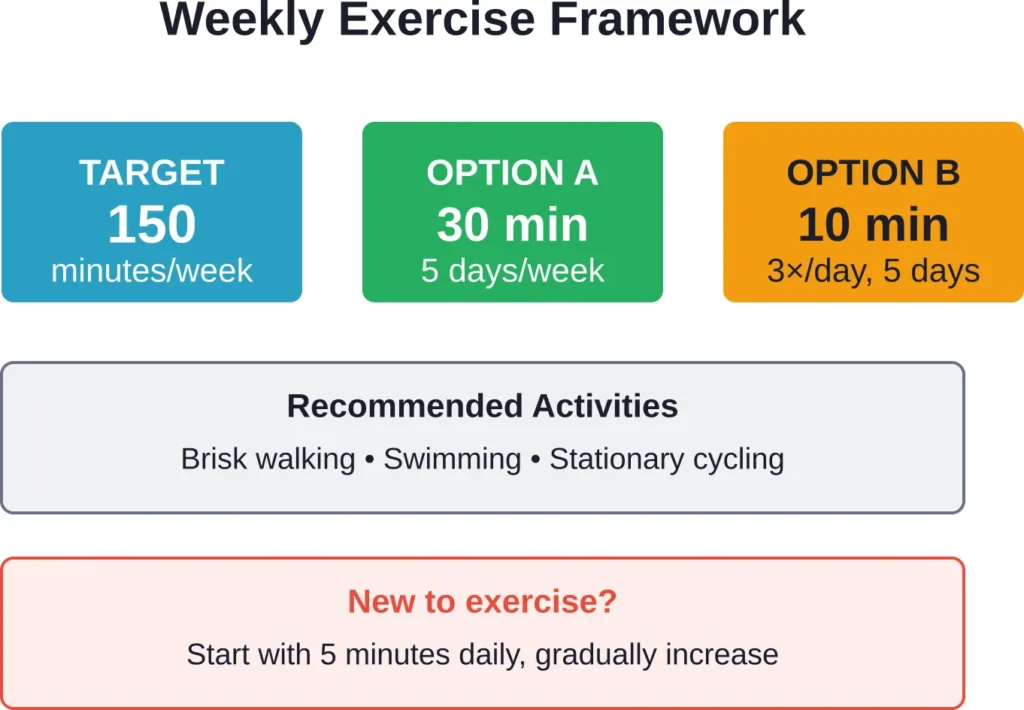
According to the CDC, moderate-intensity physical activity is safe for healthy pregnant women. The specific recommendation: 150 minutes of aerobic activity per week.
You can break this down several ways:
- 30-minute workouts, 5 days per week
- Smaller 10-minute sessions throughout each day
- Any combination that totals 150 minutes weekly
If you’re new to exercise, start slowly. ACOG suggests beginning with just 5 minutes daily and gradually increasing. Examples of moderate-intensity activity include brisk walking, swimming, stationary cycling, and general gardening.
Physical activity during pregnancy helps reduce the risk of excessive weight gain and gestational diabetes. It keeps your heart and lungs healthy without increasing your risk of miscarriage, low birth weight, or early delivery.
Nutrition Approaches That Support Healthy Weight
Eating well during pregnancy doesn’t require calorie counting or restrictive diets. Focus on nutrient-dense foods that support fetal development while managing your appetite naturally.
Key principles include:
- Choosing whole grains over refined carbohydrates
- Including protein at each meal
- Eating plenty of vegetables and fruits
- Selecting low-fat or fat-free dairy products
- Limiting added sugars and processed foods
The WHO emphasizes that nutrition counseling during pregnancy focuses primarily on improving nutritional status, not restricting calories. Maintaining good nutrition remains critical for both maternal and fetal health.
Understanding the Risks of Inadequate Weight Gain
While excessive weight gain poses problems, gaining too little weight also carries risks. Research on gestational weight gain has found that women with inadequate weight gain faced higher rates of preterm birth and delivering babies with low birth weight.
This creates a challenging balance, especially for women who start pregnancy with overweight or obesity. The goal isn’t zero weight gain—it’s staying within the appropriate range for your specific BMI category.
What Healthcare Providers Actually Recommend
Real talk: obstetric guidelines prioritize healthy pregnancy outcomes over appearance or long-term weight concerns. ACOG’s guidance on obesity in pregnancy emphasizes that healthcare providers should focus on optimizing health, not achieving weight loss.
Most doctors recommend:
- Regular prenatal appointments to monitor your health and your baby’s growth
- Screening for gestational diabetes, especially if you have overweight or obesity
- Discussing realistic weight gain targets based on your BMI
- Developing an activity plan that’s safe for your pregnancy stage
- Addressing nutrition without extreme restriction
Special Considerations for Gestational Diabetes
Women who develop gestational diabetes need more careful weight and blood sugar management. Even so, the focus remains on stabilizing blood glucose through balanced eating and appropriate physical activity—not weight loss.
After delivery, the CDC notes that women with gestational diabetes should aim for a weight loss goal of 5% of their starting weight if they’re overweight. That postpartum recommendation doesn’t apply during pregnancy itself.
Post-Pregnancy Weight Loss Planning
Planning for after delivery makes more sense than trying to lose weight while pregnant. The first year postpartum offers opportunities to return to healthy weight through sustainable strategies.
For postpartum women, the CDC recommends 150 minutes of physical activity per week to reduce the risk of type 2 diabetes following gestational diabetes. Breastfeeding also burns additional calories, though weight loss shouldn’t be the primary reason to nurse.
Allow yourself time to recover and adjust to life with a newborn. Gradual, steady progress beats aggressive postpartum dieting every time.
When Weight Loss During Pregnancy Happens Unintentionally
Some weight loss during pregnancy happens without trying. First-trimester nausea might cause temporary weight loss. As long as you regain that weight and follow a healthy trajectory for the rest of pregnancy, this pattern usually doesn’t cause concern.
Contact your healthcare provider if:
- Weight loss continues beyond the first trimester
- You’re losing more than a few pounds
- Severe nausea or vomiting prevents you from keeping food down
- You have other concerning symptoms alongside weight loss
These situations might require medical intervention to protect your health and your baby’s development.
Frequently Asked Questions
Healthcare providers don’t recommend traditional dieting during pregnancy, even with obesity. Instead, focus on healthy eating patterns and appropriate portion sizes. The goal for women with obesity is typically to gain 11–20 pounds total, which represents healthy weight management rather than weight loss.
Losing a few pounds during the first trimester due to morning sickness is relatively common and usually not concerning. Most women regain this weight and continue gaining appropriately through the second and third trimesters. Mention any weight loss to your healthcare provider at your next appointment.
According to the CDC, 150 minutes of moderate-intensity aerobic activity per week is safe for healthy pregnant women. Break this into 30-minute sessions five days weekly, or shorter 10-minute intervals throughout the day. Always discuss exercise plans with your healthcare provider first.
Talk to your healthcare provider about strategies to slow excessive weight gain. They might recommend working with a dietitian to adjust your eating patterns, increasing physical activity gradually, or addressing specific habits contributing to rapid gain. Don’t try to reverse weight gain through severe calorie restriction.
Intentional weight loss through significant calorie restriction can deprive your baby of essential nutrients needed for development. Small, unintentional weight loss in early pregnancy typically doesn’t cause harm, but deliberate dieting carries risks. Focus on healthy habits rather than the scale.
Daily weighing isn’t necessary and can cause unnecessary stress. Your healthcare provider will monitor your weight at prenatal appointments. If you choose to weigh yourself at home, weekly measurements provide enough information to track trends without obsessing over normal daily fluctuations.
Restrictive eating patterns like ketogenic diets or intermittent fasting aren’t recommended during pregnancy. Your baby needs consistent nutrition throughout the day, and restrictive approaches may not provide adequate nutrients. Discuss any specific dietary concerns with your healthcare provider or a registered dietitian.
The Bottom Line on Pregnancy Weight Management
Sound familiar? The confusion around pregnancy weight makes sense—advice seems to shift depending on your starting weight, pregnancy stage, and individual health factors.
Here’s what remains consistent: intentional weight loss during pregnancy isn’t recommended, even for women with overweight or obesity. Instead, healthy weight management focuses on appropriate gain within recommended ranges, supported by regular physical activity and balanced nutrition.
Work closely with your healthcare provider to establish realistic goals for your situation. Every pregnancy is different, and personalized guidance beats generic advice every time.
Ready to discuss your pregnancy weight management plan? Schedule a conversation with your obstetrician or midwife at your next prenatal visit. They can help you develop strategies that support both your health and your baby’s optimal development throughout pregnancy and beyond.