
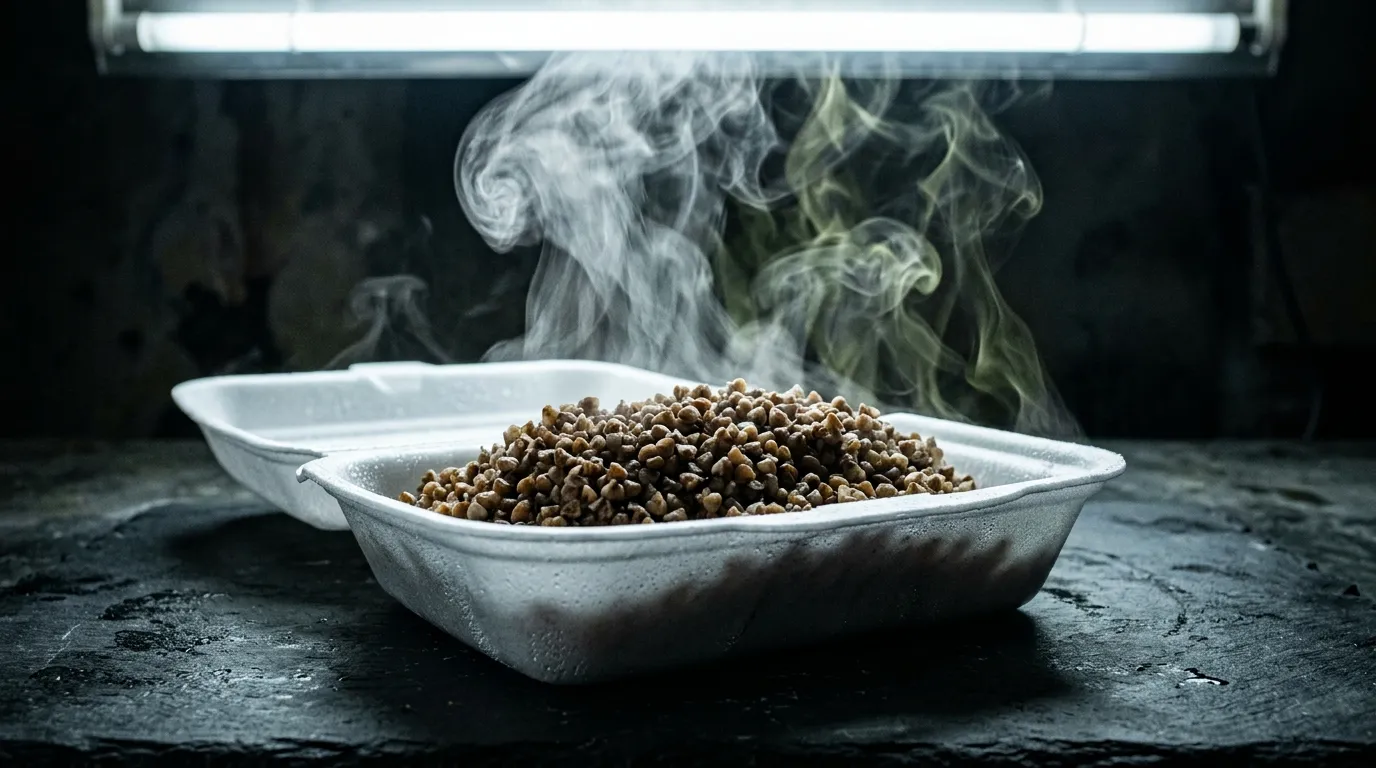
Quick Summary: Most styrofoam containers are not safe to microwave unless they carry a microwave-safe label. Heating polystyrene foam can cause it to melt or warp, potentially releasing styrene and other chemicals into food. For safe reheating, transfer food to glass or ceramic containers, or use only foam containers explicitly labeled microwave-safe by the manufacturer.
You’ve just picked up takeout in a styrofoam container, and now you’re wondering whether it’s safe to toss it straight into the microwave. It’s a question that comes up constantly in kitchens everywhere. The short answer? Generally speaking, no—most styrofoam containers should not be microwaved.
But the reality is more nuanced than a simple yes or no. Some foam containers are designed for microwave use, while others can melt, warp, or release harmful substances into food when heated. Understanding the difference could protect both your meal and your health.
What Exactly Is Styrofoam?
Here’s the thing though—what most people call “styrofoam” isn’t actually Styrofoam at all. Styrofoam is a trademarked brand name for extruded polystyrene foam used primarily in construction and building insulation. The disposable food containers at restaurants? Those are made from expanded polystyrene (EPS) foam, a different material entirely.
Polystyrene foam is created by incorporating air into polystyrene plastic, resulting in that lightweight, insulating material familiar from coffee cups and takeout containers. Manufacturers use this foam for food packaging because it’s cheap, lightweight, and provides excellent insulation to keep hot foods hot and cold foods cold.
The material itself is a type of plastic polymer. When exposed to heat—especially the intense, uneven heating that microwaves produce—polystyrene can begin to break down. That’s where the safety concerns start.
The Safety Question: What Happens When You Microwave Styrofoam?
Containers made from styrofoam or expanded polystyrene foam are not safe to use in a microwave, unless they have a microwave-safe label. Without that explicit designation, heating these containers poses several risks.
Melting and Warping
Polystyrene foam has a relatively low melting point. When microwaved, the container can melt or warp, potentially making direct contact with food. The microwave oven can cause the container to lose its structural integrity, creating a mess and rendering the meal unsafe.
This isn’t just about aesthetics. A melted container means melted plastic has likely contaminated the food.
Chemical Leaching
The bigger concern involves chemical leaching—when substances from the container migrate into food. Heating polystyrene increases the likelihood that styrene and other chemicals will transfer to whatever you’re eating.
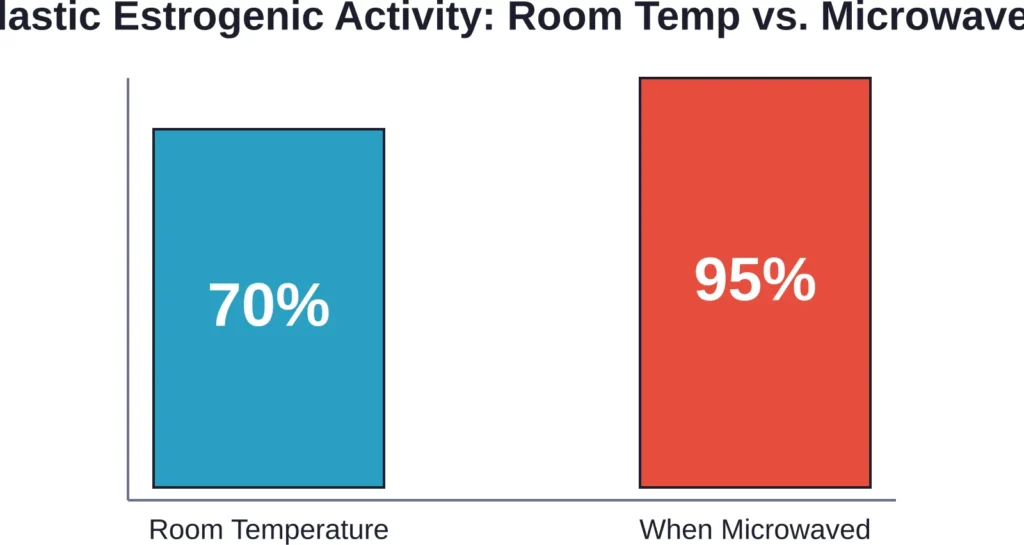
Laboratory testing confirms that while plastics containing certain compounds may not immediately contaminate food at room temperature, heating them in a microwave dramatically increases chemical migration. According to testing of 455 common plastic products, 70% tested positive for estrogenic activity at room temperature, with this number rising to 95% when the plastics were microwaved.
Styrene is considered a possible carcinogen according to health authorities. While the FDA regulates the amount of styrene permitted to migrate from food-contact articles, microwaving non-approved containers can exceed safe levels. The concentration of food contact substances in the daily diet may be determined from measured levels in food or in food simulants. The FDA may assume 100% migration of the food contact substance to food when assessing safety thresholds.
Health Risk Considerations
Exposure to styrene may increase the risk of some types of cancer, according to health authorities. While occasional exposure from properly approved containers poses minimal risk, repeatedly microwaving unsuitable foam containers could lead to chronic exposure.
Some anecdotal reports from online discussions mention symptoms like headaches or digestive issues after consuming food heated in foam containers, though such reports vary widely and lack scientific confirmation.
How to Check If Your Container Is Microwave-Safe
Not all polystyrene foam containers are created equal. Some manufacturers produce foam containers specifically designed and tested for microwave use. But how can you tell the difference?
Look for the Label
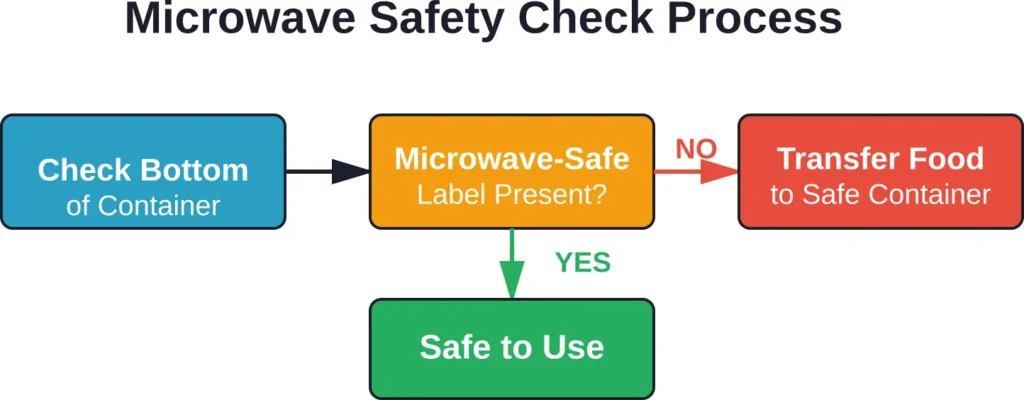
Always check for a microwave-safe label on the bottom or side of the container. This label typically appears as text stating “microwave-safe” or a symbol showing wavy lines (representing microwave radiation) inside or above a dish icon.
Only use a container if it is explicitly labeled microwave-safe. The absence of any warning doesn’t mean the container is safe—it means you should assume it’s unsafe.
Understanding Recycling Codes
Polystyrene foam carries the recycling code #6 (PS). However, this code alone tells you nothing about microwave safety. Plenty of PS containers are not designed for heating food.
The recycling number identifies the material type for recycling purposes, not whether the item can withstand microwave temperatures.
Safe Alternatives to Microwaving Styrofoam
The safest approach? Transfer food to containers designed for microwave heating. Several options work better than taking chances with foam.
Glass and Ceramic Containers
Glass and ceramic dishes are the gold standard for microwave safety. They don’t leach chemicals, withstand high temperatures, and heat food evenly. Pyrex-style glass containers and ceramic plates are ideal choices.
Just make sure any glass or ceramic item is labeled microwave-safe, as some decorative pieces contain metallic elements that can spark.
Microwave-Safe Plastic Containers
Some plastic containers are specifically engineered for microwave use. These are typically made from polypropylene (recycling code #5) or other heat-resistant plastics. Again, the microwave-safe label is essential.
Even with approved plastics, many experts suggest avoiding prolonged heating or high-fat foods, which can reach higher temperatures and increase migration risk.
Eco-Friendly Disposable Options
For those seeking disposable alternatives, containers made from sugarcane bagasse, bamboo, or other plant-based materials offer safer options. These compostable materials don’t contain polystyrene and generally pose lower chemical leaching risks.
That said, not all eco-friendly disposables are microwave-safe either. Check the packaging for explicit approval.
| Container Type | Microwave Safety | Key Considerations |
|---|---|---|
| Glass (microwave-safe) | Safe | No chemical leaching; even heating; durable |
| Ceramic (microwave-safe) | Safe | Avoid metallic trim; check for cracks |
| Polypropylene plastic (#5, labeled) | Generally safe | Must have microwave-safe label; avoid overheating |
| Styrofoam/EPS without label | Unsafe | Can melt, warp, release chemicals |
| Styrofoam/EPS with microwave-safe label | Safe as labeled | Follow manufacturer temperature and time limits |
| Paper plates/containers | Usually safe | Avoid wax coatings or metallic decorations |
What Happens If You Accidentally Microwaved Styrofoam?
Okay, so what about the times when you’ve already heated food in a foam container before realizing the risk? Should you panic?
Real talk: a single instance of microwaving styrofoam likely won’t cause immediate harm, especially if the container didn’t visibly melt or warp. The health risk comes primarily from repeated exposure over time.
If the container melted, throw the food away. Melted plastic in food is not worth the risk. If the container remained intact and you’ve already eaten the food, monitor for any unusual symptoms, though serious acute effects are uncommon.
Going forward, make it a habit to transfer food before reheating. Prevention beats dealing with potential contamination.
Tips for Safely Heating Food Containers
Whether dealing with takeout, leftovers, or meal prep, these practices reduce risk when heating food:
- Always remove food from styrofoam containers unless the container explicitly states it’s microwave-safe
- Use glass or ceramic dishes whenever possible for microwave heating
- Avoid heating fatty or oily foods in any plastic, as high temperatures increase migration
- Don’t microwave plastic containers that are old, scratched, or discolored—damage increases leaching
- Remove lids before microwaving unless they’re also labeled microwave-safe
- Use medium power and shorter intervals rather than high heat for extended periods
- Let food stand after heating so heat distributes evenly rather than creating hot spots that can damage containers
Regulatory Oversight and Food Contact Substances
The Food and Drug Administration regulates food-contact substances, including polystyrene foam containers. Manufacturers must demonstrate that their products don’t transfer harmful levels of chemicals to food under intended use conditions.
The FDA evaluates migration using food simulants and assumes 100% migration of the food contact substance to food when assessing safety thresholds. Containers approved for microwave use have undergone testing to verify they remain safe at elevated temperatures.
However, this approval process applies only to containers specifically submitted for microwave designation. Standard foam containers—the kind used for cold beverages or room-temperature takeout—don’t undergo microwave safety testing.
The Singapore Food Agency and other international regulatory bodies have issued guidance on styrofoam safety, noting that containers should not be used for foods over 100°C and should be used appropriately to ensure safety.
Environmental and Health Perspective
Beyond microwave safety, polystyrene foam containers carry broader environmental implications. The material doesn’t biodegrade, contributes to plastic pollution, and is difficult to recycle in most municipal systems.
From a health standpoint, reducing reliance on disposable plastic containers altogether offers benefits. Reusable glass or stainless steel containers eliminate both microwave safety concerns and environmental waste.
Many restaurants and food establishments are transitioning to alternative packaging materials—compostable plant-based containers, paper products, or reusable systems. Supporting these options when available helps drive broader change.
Common Misconceptions About Styrofoam and Microwaves
“A Few Seconds Won’t Hurt”
Some believe brief microwave exposure is harmless. While shorter heating times reduce risk compared to extended heating, chemical migration can occur rapidly once the material begins to soften. Temperature matters more than duration.
“If It Doesn’t Melt, It’s Fine”
Visible melting is a clear warning sign, but chemical leaching can happen even when the container appears intact. Styrene and other substances may migrate at temperatures well below the melting point.
“All Plastics Are Basically the Same”
Different plastics have vastly different heat tolerances and chemical compositions. Polystyrene foam behaves very differently from polypropylene or polyethylene. Treating all plastics as equivalent ignores important safety distinctions.
FAQ
Microwaving styrofoam even for 30 seconds is not recommended unless the container has a microwave-safe label. Brief heating can still cause chemical leaching or softening of the material, potentially contaminating food. Transfer food to a glass or ceramic container for safe reheating.
If the container didn’t melt or warp, a single accidental exposure likely poses minimal immediate risk. Health concerns primarily arise from repeated exposure over time. If the container melted, discard the food. Going forward, check containers before heating and transfer food when in doubt.
Look for explicit labeling on the bottom or side of the container stating “microwave-safe” or showing the microwave-safe symbol (wavy lines above a dish). The recycling number alone doesn’t indicate microwave safety. Without clear labeling, assume the container is not safe for microwave use.
Some polystyrene foam cups are manufactured specifically for hot beverages and may be microwave-safe, but only if they carry a microwave-safe label. Standard styrofoam coffee cups are designed for holding hot liquids, not for heating in a microwave. Always verify labeling before microwaving any foam cup.
The safest method is transferring food to a microwave-safe glass or ceramic container before heating. This eliminates concerns about container melting or chemical leaching. Cover the container loosely with a microwave-safe lid or damp paper towel to retain moisture and heat evenly.
Heating polystyrene foam can cause styrene and other chemicals to migrate into food, particularly when containers melt or reach high temperatures. Styrene is classified as a possible human carcinogen. While microwave-safe labeled containers have been tested to minimize this risk, unlabeled foam containers can release these substances when heated.
Compostable containers made from plant-based materials like sugarcane bagasse generally don’t contain polystyrene or styrene. However, not all compostable containers are designed for microwave use. Check for microwave-safe labeling on any disposable container, regardless of material, before heating food in it.
Conclusion
So, is it okay to microwave styrofoam? Unless the container explicitly states it’s microwave-safe, the answer is no. The risks—melting, warping, and chemical leaching—outweigh the convenience of skipping a quick transfer to a proper container.
Polystyrene foam serves useful purposes for keeping food hot or cold during transport, but heating food is not one of them. The simple step of transferring takeout to glass or ceramic before reheating protects both meal quality and health.
Make it routine to check containers for microwave-safe labels, and when in doubt, choose glass. Your future self will appreciate the habit, and your food will taste better without that lingering worry about what might be leaching into it.
Take control of food safety in the kitchen—invest in a few quality glass containers and retire the risky practice of microwaving questionable foam. The peace of mind is worth it.