

Quick Summary: Masturbating once a day is generally considered safe and healthy for most adults. Medical research shows no harmful physical or mental health effects from daily masturbation, and studies suggest frequent ejaculation may even reduce prostate cancer risk. It only becomes a concern if it interferes with daily responsibilities, causes physical discomfort, or replaces normal social and sexual activities.
The question of whether daily masturbation is healthy comes up frequently in online health forums, medical consultations, and personal conversations. Despite being a normal part of human sexuality, confusion and myths still surround masturbation frequency.
Let’s cut through the noise and examine what medical research actually reveals about masturbating once a day.
What Medical Research Says About Daily Masturbation
Here’s the thing—there’s no universal “normal” when it comes to masturbation frequency. According to research, a significant percentage of men report regular masturbation, with frequencies varying widely among individuals.
Medical professionals consistently emphasize that masturbation is a natural, healthy sexual behavior. The Cleveland Clinic notes that masturbation is a normal part of sexual health, and Planned Parenthood states clearly that masturbation isn’t unhealthy or bad for you at all.
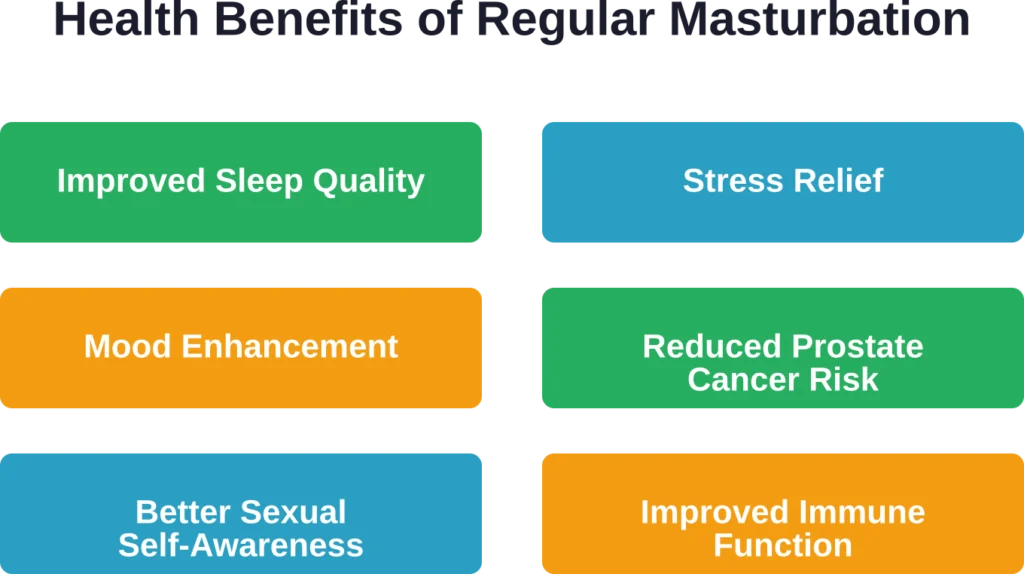
Research has actually identified potential health benefits associated with frequent ejaculation. A significant Harvard study found that men who ejaculated 21 or more times per month enjoyed a 31% lower risk of prostate cancer compared to those ejaculating 4-7 times monthly.
That said, these benefits don’t mean everyone should aim for a specific frequency. What matters most is whether your habits interfere with daily life or cause distress.
Physical Health Effects of Masturbating Once Daily
Daily masturbation doesn’t cause the physical harm that old myths suggest. It won’t cause infertility, shrink genitals, or create hair in unusual places. These are cultural myths without scientific backing.
Studies have shown that frequent ejaculation can actually have positive impacts on immune function, heart health, and mood. Research indicates that both partnered sex and masturbation can improve sleep quality.
Some physical considerations do exist, though. If you’re experiencing any of these, it might be time to reassess:
- Physical soreness or irritation from excessive friction
- Skin chafing or discomfort in genital areas
- Grip-related issues that affect sensitivity during partnered sex
- Fatigue or exhaustion that impacts daily activities
These physical symptoms aren’t about masturbation being inherently harmful—they’re signals that technique, frequency, or intensity needs adjustment.
Mental Health and Emotional Well-Being
Research has examined the relationship between sexual pleasure and work-related stress recovery, suggesting associations with job satisfaction and life satisfaction.
Masturbation serves as a legitimate coping mechanism. Research has explored masturbation as a coping strategy in relation to stress management and well-being.
The mental health concerns arise not from frequency itself, but from the context surrounding the behavior:
- Using masturbation exclusively to avoid dealing with emotions
- Feeling shame or guilt that creates psychological distress
- Obsessive thoughts about masturbation that intrude on daily focus
- Compulsive urges that feel uncontrollable
Research examining abstinence and hypersexuality has explored the relationship between compulsive sexual behavior and functional impairment, not from the act itself.
When Daily Masturbation Becomes a Concern
Most people can masturbate daily without any negative consequences. But certain patterns indicate that habits might need adjustment.
Real talk: it’s not about hitting a specific number. It’s about how masturbation fits into your life.
Warning Signs to Watch For
Men’s Health identifies several signs that masturbation frequency might be problematic. These include physical injury from rough handling, neglecting work responsibilities, damaging friendships or relationships, preferring masturbation over partnered sex, spending excessively on related materials, constant preoccupation with masturbating, and engaging in the behavior at inappropriate times or places.
The key distinction is functionality. Research has examined the relationship between sexual activity and coping with sexual concerns. When it becomes the only coping mechanism or prevents normal daily functioning, that’s when concerns arise.
| Healthy Pattern | Concerning Pattern |
|---|---|
| Masturbation as one part of sexual expression | Masturbation replaces all partnered intimacy |
| Frequency varies based on mood and circumstance | Rigid compulsion to masturbate regardless of context |
| No interference with work or social life | Missing obligations or isolating to masturbate |
| Comfortable, pleasurable experience | Physical pain or injury from excessive behavior |
| Private, appropriate timing and location | Risky or inappropriate public behavior |
Gender Differences in Masturbation Patterns
Research examining masturbation prevalence shows differences in how men and women approach and experience masturbation. Research has examined relationships between masturbation frequency and sexual function in women.
Research examining sexual pleasure and work recovery has found gender differences in stress recovery relationships. Pleasurable sexual activity was a stronger predictor of recovery for women compared to men in the context of partnered sex, though the effect was similar for masturbation across genders.
These differences don’t mean one gender should masturbate more or less frequently. They simply reflect varied physiological and psychological responses.
Masturbation Frequency and Sexual Function
One common worry is whether daily masturbation affects sexual performance with partners. Generally speaking, masturbation doesn’t cause erectile dysfunction or reduce sexual capacity.
However, specific masturbation techniques can create conditioning effects. Extremely tight grip during masturbation might reduce sensitivity to the different sensations of partnered sex. This isn’t permanent damage—it’s an adaptation that can be reversed by adjusting technique.

Hormonal and Physiological Responses
Research has examined endocrine responses to masturbation. The studies found changes in pregnenolone, testosterone, cortisol, and other hormones, but these fluctuations are temporary and part of normal physiological response.
Research has examined endocrine responses to masturbation-induced orgasm in relation to abstinence periods. While hormone levels showed changes during arousal and orgasm, these were acute responses rather than long-term alterations.
The takeaway? Daily masturbation doesn’t permanently alter your hormonal balance or testosterone levels. Short-term fluctuations are normal and don’t indicate harm.
Cultural and Individual Perspectives
Cultural attitudes toward masturbation vary significantly. In some communities, masturbation carries heavy stigma, while others view it as normal self-care.
These cultural perspectives can create guilt or shame that causes more psychological harm than the behavior itself. Health organizations recognize masturbation as a normal part of human sexuality.
Individual variation matters more than cultural standards. Some people naturally have higher or lower sex drives. What’s important is that your habits align with your values and don’t cause distress.
Comparing Daily Masturbation to Other Frequencies
Is once daily “better” or “worse” than once weekly or multiple times daily? The research doesn’t support a single optimal frequency.
The Harvard prostate cancer research found benefits increasing with frequency up to 21+ times monthly, but this doesn’t mean everyone should target that number. Other individuals might find once weekly perfectly satisfying.
| Frequency | Potential Benefits | Potential Concerns |
|---|---|---|
| Multiple times daily | Maximum stress relief for high-libido individuals | Higher risk of physical irritation or time interference |
| Once daily | Regular stress management, possible prostate benefits | May feel excessive if driven by compulsion rather than desire |
| Few times weekly | Balanced approach for many people | None if satisfying |
| Rarely or never | Valid choice for low-libido individuals | Potential missed stress-relief benefits |
Listen to your body and mind. Frequency should reflect genuine desire rather than obligation or compulsion.
Practical Tips for Healthy Masturbation Habits
Maintaining healthy habits involves more than just frequency. Consider these practical approaches:
Vary your technique. Using the same grip, speed, and pressure every time can create conditioning that affects partnered sex. Experimenting with different sensations maintains broader responsiveness.
Use appropriate lubrication. This reduces friction-related irritation and prevents physical discomfort, especially with daily frequency.
Maintain privacy and appropriate timing. Masturbate in private spaces at times that don’t interfere with responsibilities. This boundary-setting prevents the behavior from becoming problematic.
Stay aware of your motivations. Check in periodically—are you masturbating because you genuinely desire it, or are you avoiding uncomfortable feelings or situations? Both can be valid, but the latter might indicate you need additional coping strategies.
Balance with other activities. Ensure masturbation doesn’t replace social connection, physical exercise, or partnered intimacy that you value.
When to Seek Professional Support
Most people manage their masturbation habits without professional help. But certain situations warrant consultation with a healthcare provider or therapist.
Consider seeking support if you experience persistent feelings that your behavior is out of control, masturbation interferes significantly with work or relationships, physical injury occurs repeatedly, feelings of intense shame or guilt cause significant distress, or masturbation replaces all other forms of stress management or pleasure.
Sexual health professionals and therapists specializing in sexual concerns can provide non-judgmental support. Many issues related to compulsive sexual behavior respond well to therapy.
The Bottom Line on Daily Masturbation
So, is it okay to masturbate once a day? For most adults, yes—absolutely.
Medical research consistently shows that masturbation is a normal, healthy behavior without inherent upper limits for frequency. Studies even suggest potential health benefits including reduced prostate cancer risk, better sleep, improved mood, and effective stress management.
Problems arise not from frequency itself but from the context: physical injury, interference with daily life, relationship damage, or compulsive patterns that feel uncontrollable.
The “right” frequency is the one that feels natural for you, aligns with your desires rather than compulsion, doesn’t cause physical discomfort, and coexists healthily with other aspects of your life.
If your daily masturbation habit meets those criteria, there’s no medical reason for concern. And if you’re experiencing any of the warning signs, simple adjustments or professional support can help you develop a healthier relationship with sexuality.
Your sexual health is part of your overall well-being. Treat it with the same balanced, informed approach you’d take with exercise, diet, or sleep—recognizing that individual variation is normal and one-size-fits-all rules rarely apply.
Frequently Asked Questions
No. Research on endocrine effects shows that while hormone levels fluctuate temporarily during and after masturbation, daily masturbation doesn’t permanently lower testosterone. These short-term changes are part of normal physiological response and hormone levels return to baseline.
Daily masturbation doesn’t cause infertility. Sperm production continues regardless of ejaculation frequency. However, if you’re actively trying to conceive with a partner, saving ejaculation for fertile days might slightly increase the concentration of sperm per ejaculation.
Warning signs include physical injury or persistent soreness, neglecting work or social responsibilities, inability to stop despite wanting to, preference for masturbation over partnered sex when you value partnered intimacy, and engaging in risky behavior like masturbating in public or inappropriate settings. The frequency itself matters less than these functional impacts.
No, masturbation doesn’t cause erectile dysfunction. However, certain techniques—particularly very tight grip or high-speed stimulation—can condition you to respond primarily to those specific sensations, potentially making partnered sex less stimulating. This is reversible by varying technique.
Some individuals report increased sensitivity or heightened arousal after abstinence periods. Research examining abstinence and sexual behavior shows mixed results. For most people, short breaks are neither particularly beneficial nor harmful—it’s a personal preference rather than a medical necessity.
Research shows women generally report lower masturbation frequency than men on average, though individual variation is enormous within each gender. Research has examined relationships between masturbation frequency and sexual function in women. The same principle applies across genders: healthy frequency is what works for the individual.
Yes. Research indicates that sexual activity may be associated with improved sleep quality. The hormonal changes and physical relaxation following orgasm promote drowsiness.