
Quick Summary: Taking two allergy pills within 24 hours may be safe depending on the specific medication and your individual circumstances. Some antihistamines are designed for twice-daily dosing, while others should only be taken once daily. Medical research shows that up-dosing antihistamines up to fourfold is sometimes recommended for certain conditions like chronic urticaria, but this should only be done under medical supervision.
The sneezing won’t stop. Your eyes are watering like you just watched a sad movie. And that single allergy pill you took this morning? It’s doing absolutely nothing.
Sound familiar? When allergy symptoms hit hard, the temptation to pop a second pill is real. But is it safe?
The answer isn’t as straightforward as you’d hope. It depends on which medication you’re taking, the dosage, and what your body needs. Let’s break down everything about doubling up on allergy meds.
Understanding Allergy Medication Basics
Antihistamines work by blocking the action of histamine, a substance the body releases during allergic reactions. Histamine causes symptoms such as sneezing, itching, runny nose, and watery eyes.
Not all antihistamines are created equal. First-generation antihistamines like diphenhydramine (Benadryl) work for 4-6 hours and often cause drowsiness. Second-generation options like cetirizine (Zyrtec) and loratadine (Claritin) last 12-24 hours and rarely make people sleepy.
Here’s the thing though—duration matters when considering a second dose.
First-Generation vs. Second-Generation Antihistamines
First-generation antihistamines penetrate the central nervous system, which explains why they cause sedation and anticholinergic effects. These older medications have shorter half-lives of 4-6 hours.
Second-generation antihistamines act peripherally with longer half-lives of 12-24 hours. They undergo hepatic metabolism and offer improved tolerability.
The FDA regulates both prescription and over-the-counter allergy medications. According to the FDA, seasonal allergic rhinitis affects millions and can trigger asthma or lead to sinus infections if left untreated.
| Medication Type | Duration | Common Examples | Sedation Risk |
|---|---|---|---|
| First-Generation | 4-6 hours | Diphenhydramine, Chlorpheniramine | High |
| Second-Generation | 12-24 hours | Cetirizine, Loratadine, Levocetirizine | Low |
When Taking Two Allergy Pills Is Actually Safe
The answer depends entirely on the product label and formulation. Some antihistamines are designed for twice-daily dosing.
Claritin 12-hour and Allegra 12-hour tablets are typically taken once every 12 hours. Taking two of these within 24 hours aligns perfectly with their intended use. Same goes for Benadryl—it’s usually taken once every 4-6 hours as needed.
But Claritin 24-hour and Allegra 24-hour? Those should only be taken once every 24 hours.
Real talk: the packaging tells you everything. If it says “24-hour,” don’t take a second dose within that window.
Medical Scenarios Where Up-Dosing Makes Sense
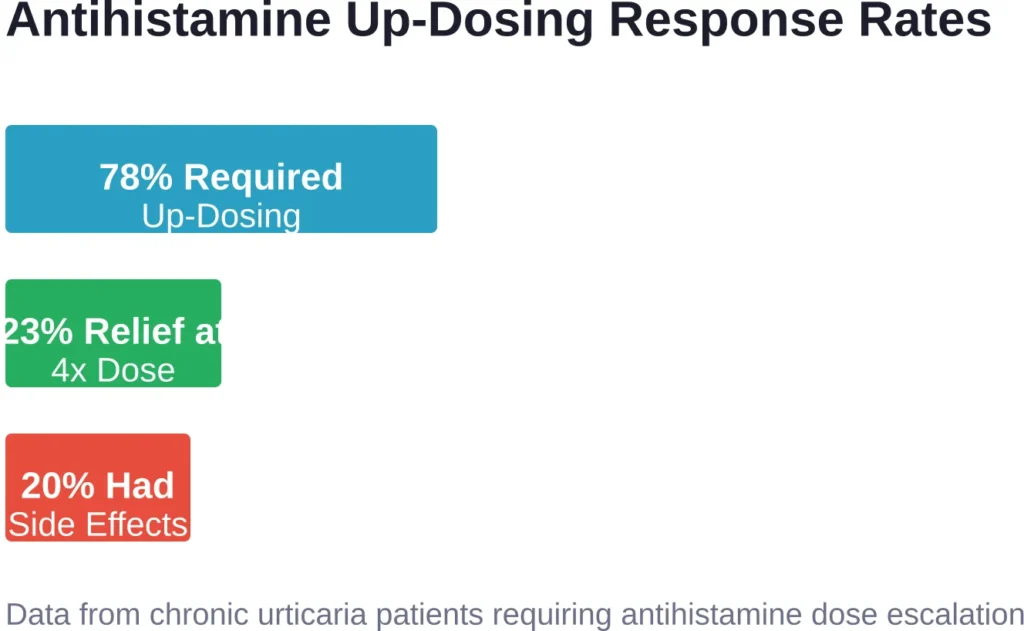
Medical protocols have allowed taking more than one antihistamine tablet daily for certain allergy-like conditions for years. Chronic spontaneous urticaria is one example where standard doses often fall short.
Research on antihistamine up-dosing shows that 78% of patients with chronic urticaria required up-dosing up to fourfold, with 23% achieving sufficient response at that level.
That said, up-dosing should only happen under medical supervision. What works in controlled clinical settings isn’t necessarily safe for self-administration.
The Serious Risks of Overdosing on Allergy Pills
Taking more than recommended isn’t just ineffective—it can be dangerous. The FDA has issued warnings about serious problems with high doses of diphenhydramine (Benadryl).
Higher than recommended doses can lead to serious heart problems, seizures, coma, or even death. The agency became aware of emergency room visits and deaths after teenagers participated in the “Benadryl Challenge” promoted on social media.
Antihistamine overdoses have been associated with multiple reports of severe toxicity and fatalities. While generally considered safe at recommended doses, the margin between therapeutic and toxic doses narrows with certain first-generation antihistamines.
Specific Medications and Their Dosing Limits
In 2022, an estimated 26.8 million cetirizine and levocetirizine prescriptions were dispensed from U.S. outpatient pharmacies, with 65% (17.5 million) for over-the-counter versions and 35% (9.3 million) for prescription products. Additionally, an estimated 62.7 million packages of OTC cetirizine and levocetirizine products were purchased by consumers.
The standard adult dose for most over-the-counter antihistamines is 10mg once daily. Deviating from this requires medical guidance.
What Happens If You Accidentally Take Two Doses
Mistakes happen. Maybe someone took their morning allergy pill and forgot about it, then took another one later.
If this happens with a 24-hour antihistamine, monitor for increased side effects. Common symptoms of mild overdose include drowsiness, dry mouth, dizziness, and blurred vision.
For most second-generation antihistamines like cetirizine or loratadine, accidentally doubling a daily dose typically won’t cause serious harm in healthy adults. The medications have relatively wide safety margins.
But watch for concerning symptoms like rapid heartbeat, severe drowsiness, difficulty urinating, or agitation. If these occur, contact a healthcare provider or poison control immediately.
Children require extra caution. Accidental overdoses in children can produce more severe reactions relative to body weight.
Mixing Different Types of Allergy Medications
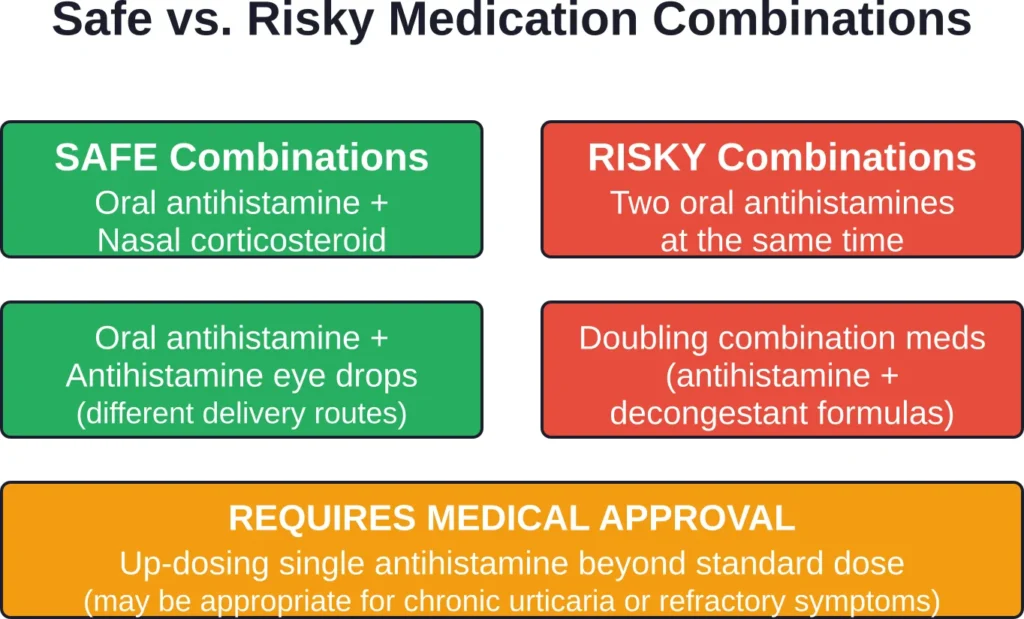
This is where things get tricky. Taking two different antihistamines simultaneously generally isn’t recommended—the benefits rarely outweigh the risks.
Healthcare providers often observe people attempting to mix and match various over-the-counter medications to achieve better results. However, what often works just as well is simply following proper dosing of a single medication or consulting a doctor about alternatives.
That said, combining an antihistamine with a different class of allergy medication can be appropriate. For example, pairing an oral antihistamine with a nasal corticosteroid spray or using antihistamine eye drops alongside oral medication.
Some products combine an antihistamine with a decongestant. These combination medications should never be doubled up without medical advice—the decongestant component can cause blood pressure spikes and heart issues when overdosed.
Special Considerations and Warnings
Certain populations need extra caution with antihistamines—even at standard doses.
Pregnant women should consult healthcare providers before taking any allergy medication. Allergies occur in about 20-30% of women during pregnancy, making this a common concern. While some antihistamines are considered relatively safe during pregnancy, individual circumstances vary.
The elderly face increased risks from antihistamines, particularly first-generation options. Anticholinergic effects can cause confusion, urinary retention, and increased fall risk in older adults. Many allergists are moving away from recommending diphenhydramine for this reason.
Long-Term Use and Withdrawal Effects
The FDA issued a warning in 2025 about rare but severe itching after stopping long-term use of cetirizine (Zyrtec) or levocetirizine (Xyzal). The itching, called pruritus, has been reported in patients who used these medicines daily, typically for at least a few months and often for years.
Out of reported cases of severe itching after discontinuation, the majority were submitted by individuals using the medications themselves. In 92 of the 93 reported cases, patients had used the medicine for an extended period.
This doesn’t mean these medications are unsafe for long-term use—just that stopping abruptly after extended use may cause temporary withdrawal itching in some people.
When Allergy Medications Aren’t Working
If one allergy pill doesn’t cut it, the knee-jerk reaction is taking more. But wait.
Ineffective allergy relief might signal something else entirely. Perhaps the diagnosis is wrong and it’s not allergies at all. Maybe it’s a sinus infection, non-allergic rhinitis, or another condition entirely.
Or maybe the specific antihistamine just isn’t right for the individual. People respond differently to different medications. Someone who gets no relief from loratadine might respond beautifully to cetirizine, or vice versa.
Other factors can interfere with medication effectiveness. Taking antihistamines inconsistently, exposure to overwhelming allergen levels, or underlying inflammation that requires additional treatment approaches.
Before doubling doses, consider consulting an allergist. Proper allergy testing can identify specific triggers, and treatment plans can be tailored accordingly. Options might include prescription-strength antihistamines, nasal corticosteroids, leukotriene inhibitors, or immunotherapy.
| Medication Class | How It Works | Typical Use Case |
|---|---|---|
| Oral Antihistamines | Block histamine receptors | Mild to moderate allergy symptoms |
| Nasal Corticosteroids | Reduce nasal inflammation | Persistent nasal congestion |
| Leukotriene Inhibitors | Block inflammatory chemicals | Allergic asthma, resistant rhinitis |
| Immunotherapy | Desensitize immune system | Long-term allergy management |
Best Practices for Safe Antihistamine Use
Following these guidelines keeps allergy medication use both effective and safe.
Always read the drug label carefully. Check the active ingredients, dosing instructions, and warnings. “Allergy medicine” is too vague—know exactly what’s in the package.
Stick to consistent timing. Taking medication at the same time daily maintains steady blood levels and provides better symptom control. For 24-hour antihistamines, this also prevents accidental double-dosing.
Track what’s taken. Especially in households where multiple people take medications, keeping a simple log prevents mix-ups.
Start medication before peak allergy season. Antihistamines work better when started before heavy allergen exposure rather than waiting until symptoms are severe.
Store medications properly. Heat and humidity degrade medications faster, so bathroom medicine cabinets aren’t ideal despite the name.
When to Call a Doctor
Seek medical attention if allergy symptoms persist despite proper medication use for more than a week. Also contact a healthcare provider if symptoms worsen, if there’s difficulty breathing, or if side effects from medications become bothersome.
Emergency symptoms requiring immediate attention include swelling of the face or throat, severe difficulty breathing, rapid heartbeat with chest pain, or signs of a severe allergic reaction.
For suspected overdose—whether accidental or otherwise—contact Poison Control or emergency services immediately. Have the medication bottle available to provide specific information about what was taken and how much.
Frequently Asked Questions
Taking cetirizine (Zyrtec) and loratadine (Claritin) together isn’t recommended without medical supervision. Both are second-generation antihistamines that work similarly, so combining them primarily increases side effect risk without meaningful additional benefit. If one isn’t working, try switching to the other rather than combining them.
The waiting period depends on the specific medication. For 24-hour formulations like Claritin 24-hour or Allegra 24-hour, wait the full 24 hours between doses. For 12-hour versions, wait 12 hours. First-generation antihistamines like Benadryl typically require 4-6 hours between doses. Always follow package instructions.
Contact Poison Control immediately at 1-800-222-1222 or seek emergency medical attention. Have the medication bottle ready to provide information about the specific drug and amount ingested. Monitor the child for symptoms like excessive drowsiness, agitation, rapid heartbeat, or difficulty breathing while waiting for guidance.
Second-generation antihistamines are generally considered safe for long-term daily use when taken as directed. Many people with chronic allergies or conditions like chronic urticaria take them for months or years. However, be aware that stopping cetirizine or levocetirizine after long-term use may cause temporary withdrawal itching in some cases. Discuss long-term use with a healthcare provider.
Several factors can reduce antihistamine effectiveness. Allergen exposure might be overwhelming the medication’s capacity. Inconsistent dosing prevents steady symptom control. The condition might have progressed to require additional treatment beyond antihistamines alone. Some people also respond better to certain antihistamines than others—switching medications sometimes helps.
While technically different medications, combining them without medical advice is risky. Benadryl (diphenhydramine) is a first-generation antihistamine that causes significant sedation, while Claritin (loratadine) is a second-generation option. Taking both increases drowsiness and other side effects. If Claritin isn’t providing adequate relief, consult a healthcare provider about better alternatives rather than self-medicating with additional antihistamines.
Yes, some antihistamines are specifically formulated for twice-daily dosing. Products labeled as “12-hour” formulations—such as Claritin 12-hour or Allegra 12-hour—are designed to be taken every 12 hours. First-generation antihistamines like Benadryl are also dosed multiple times daily due to their shorter duration of action. Always check the product label for specific dosing instructions.
Making Smart Decisions About Allergy Medication
Look, allergies are miserable. When symptoms hit hard, the desire for immediate relief makes sense. But doubling up on allergy pills without understanding the implications can create more problems than it solves.
The short answer to whether it’s OK to take two allergy pills in 24 hours is: it depends. Depends on the medication, the formulation, the dosing schedule, and individual circumstances.
Some medications are designed for multiple daily doses. Others absolutely are not. Medical supervision makes up-dosing safe in certain clinical situations, but self-directed overdosing carries real risks.
When standard allergy medication isn’t cutting it, that’s a signal to consult a healthcare provider—not to start experimenting with doses. Better treatment options exist, from different medication classes to combination therapies to long-term solutions like immunotherapy.
Read labels carefully. Follow dosing instructions precisely. Track medications to prevent accidental double-dosing. And when in doubt, ask a pharmacist or doctor before taking more than recommended.
Effective allergy management is possible. It just requires the right approach—which sometimes means getting professional guidance rather than reaching for that second pill.