
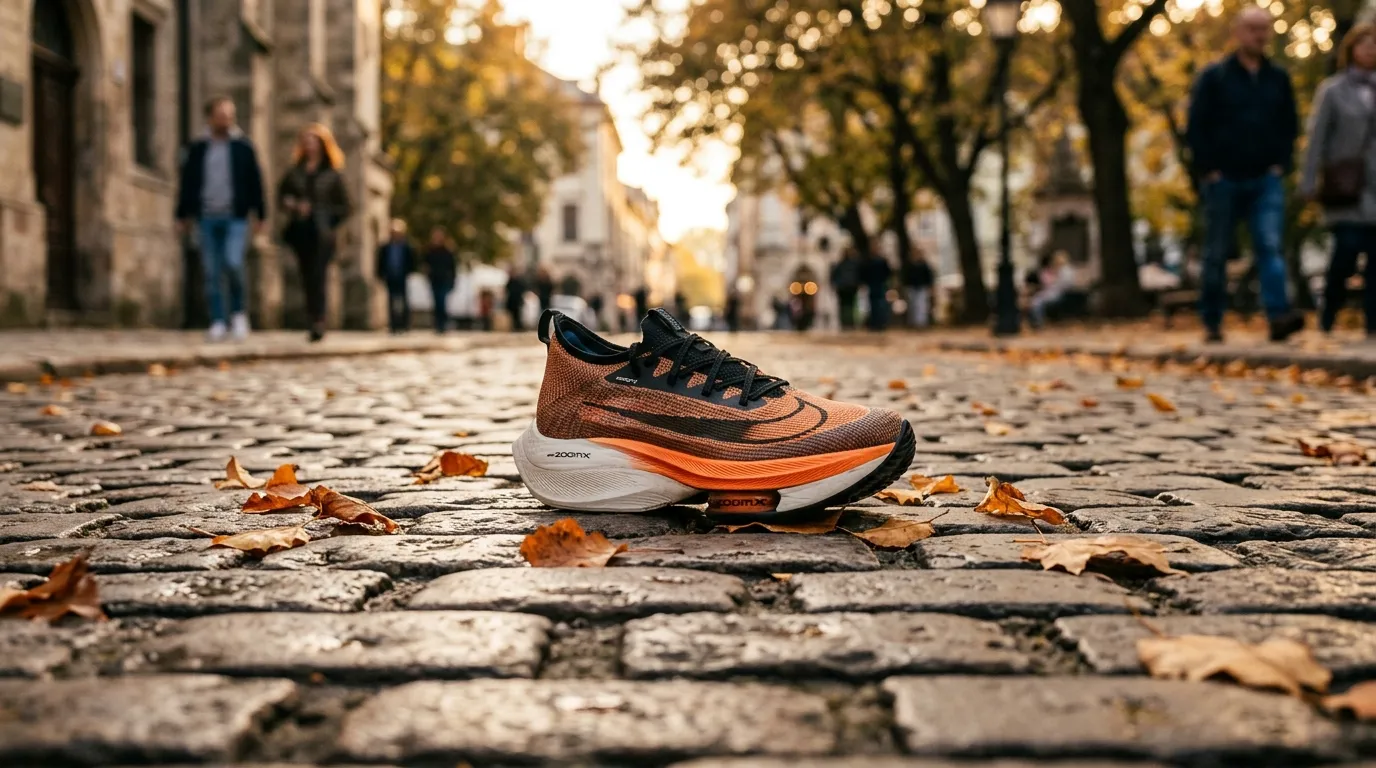
Quick Summary: Running shoes are perfectly fine for walking and often provide excellent cushioning and support for everyday use. While walking shoes offer specific design features like enhanced durability and flexibility in the forefoot, running shoes work well for walking because they’re engineered for higher impact forces. The main consideration is ensuring proper fit and replacing shoes after 300-500 miles of use, regardless of activity.
You’ve got a solid pair of running shoes sitting by the door, and you’re wondering if they’ll work for your daily walks. Maybe you’re standing on your feet all day at work, or perhaps you just want one versatile shoe that does it all.
Here’s the thing though—the answer is more nuanced than a simple yes or no.
Running and walking might seem similar, but your feet hit the ground differently in each activity. Running generates impact forces roughly three times your body weight with each stride, while walking stays closer to one to one-and-a-half times. That difference shapes how shoes are designed.
But does that mean your running shoes won’t work for walking? Not at all.
The Short Answer: Yes, You Can Walk in Running Shoes
Running shoes work perfectly well for walking. In fact, many people find them more comfortable than dedicated walking shoes because of their superior cushioning and shock absorption.
The cushioning in running shoes is engineered to handle repeated high-impact strikes. When you’re just walking, that same cushioning feels plush and protective without being excessive. Your feet get plenty of support, and the midsole foam absorbs the gentler impact forces of walking with ease.
That said, there are some trade-offs worth understanding before you lace up those runners for every activity.
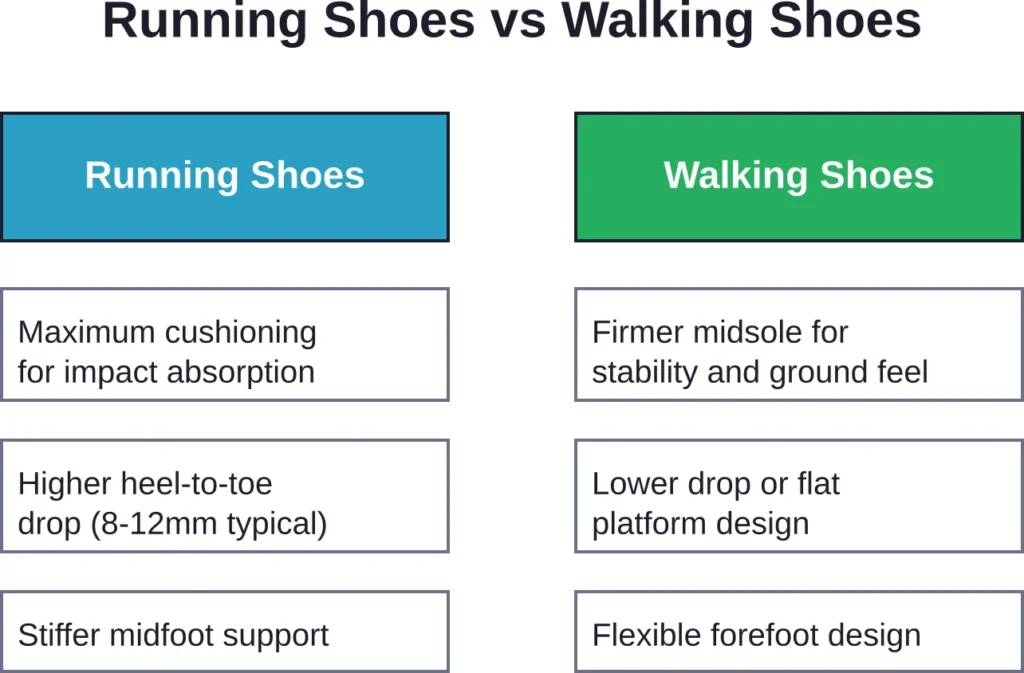
Key Differences Between Running and Walking Shoes
While running shoes can certainly handle walking duties, they’re built with different priorities in mind. Understanding these differences helps you make smarter footwear choices.
Cushioning and Impact Protection
Running shoes typically pack more cushioning in the heel and forefoot to absorb the higher impact forces of running. This extra padding makes them feel softer underfoot during walks, which most people find comfortable.
Walking shoes, by contrast, use firmer midsole materials. The reduced cushioning might seem like a downside, but it provides better ground feel and stability during the heel-to-toe roll of walking gait.
Heel-to-Toe Drop
The drop—the height difference between the heel and forefoot—varies significantly between shoe types. Running shoes often feature drops ranging from 4mm to 12mm, with many traditional models sitting around 10mm.
Walking shoes tend toward lower drops or even zero-drop designs. This flatter platform accommodates the natural rolling motion of walking, where your heel strikes first and you roll smoothly through to toe-off.
Flexibility
Here’s where walking shoes really shine. They’re designed with more flexibility in the forefoot, making it easier to push off with each step. Try bending a walking shoe at the ball of the foot—it flexes readily.
Running shoes are often stiffer through the midfoot for stability during faster-paced movement. This stiffness isn’t a problem for walking, but it means slightly more effort during the toe-off phase of each stride.
Durability and Outsole Design
Walking shoes typically use harder rubber compounds on the outsole, particularly in the heel area where walkers make first contact. This extended wear in one spot demands tougher materials.
Running shoes distribute wear across more of the outsole due to varied foot strike patterns and faster turnover. They balance durability with lighter weight, since runners prioritize reducing shoe mass.
Most shoes last 300-500 miles regardless of whether those miles come from running, walking, or standing throughout the day.
Pros of Using Running Shoes for Walking
Let’s talk about what makes running shoes an excellent choice for walking and everyday wear.
Superior Cushioning
That plush feeling underfoot isn’t just comfortable—it genuinely protects your joints during long periods on your feet. The generous cushioning in running shoes absorbs shock with every step, reducing stress on your knees, hips, and lower back.
For people who spend eight to ten hours daily on their feet, this extra cushioning can make a significant difference in end-of-day fatigue.
Excellent Support Features
Running shoes incorporate sophisticated support technologies. From arch support systems to heel counters that stabilize your foot, these features benefit walkers just as much as runners.
According to uncontrolled studies, orthotic devices can reduce stress fractures and provide positive outcomes in 70 to 80 percent of injured runners. That same support helps prevent walking-related discomfort.
Lightweight Construction
Modern running shoes use advanced materials that deliver protection without excess weight. This lighter construction reduces fatigue during extended walking sessions compared to heavier footwear.
Wide Variety of Options
The running shoe market offers tremendous variety. Whether you need extra width, specific arch support, or particular cushioning preferences, the selection dwarfs what’s available in dedicated walking shoes.
Potential Drawbacks to Consider
Running shoes aren’t perfect for every walking scenario. Here are the limitations worth understanding.
Faster Wear Patterns
The foam in running shoes compresses with use, and constant wear accelerates this process. Most shoes last 300-500 miles regardless of whether those miles come from running, walking, or standing throughout the day.
If you’re wearing running shoes for eight to ten hours daily, you might need replacements every six months. That’s faster than many people expect for “just walking.”
Overkill for Casual Use
For short, easy walks around the neighborhood, the specialized features of running shoes might be more than necessary. Simpler footwear often suffices for low-intensity activities.
Less Optimal Toe-Off
The stiffer construction through the midfoot and forefoot can make the push-off phase of walking slightly less efficient. Most people won’t notice this, but those particularly attuned to their gait mechanics might prefer the flexibility of walking shoes.
Price Considerations
Quality running shoes often cost more than comparable walking shoes. If you’re only walking and not running at all, you’re paying for performance features you won’t fully utilize.
When Running Shoes Excel for Walking
Certain scenarios make running shoes the smarter choice, even if you never run a step.
Long-distance walking: When covering significant mileage, the superior cushioning of running shoes provides better protection against fatigue and impact stress.
Hard surface walking: Concrete sidewalks and asphalt roads are unforgiving surfaces. Running shoe cushioning shines in these environments.
All-day wear: Despite faster compression, many people find running shoes more comfortable for extended periods on their feet at work or during travel.
Existing foot issues: If you have plantar fasciitis, shin splints, or joint problems, the enhanced cushioning and support of running shoes often provides relief during walking activities.
| Use Case | Running Shoes | Walking Shoes |
|---|---|---|
| Long walks (5+ miles) | Excellent cushioning and support | Good, but may lack padding |
| Short walks (under 2 miles) | Works well but may be overkill | Ideal flexibility and feel |
| All-day standing | Superior comfort initially | Better long-term durability |
| Hard surfaces (concrete) | Maximum impact protection | Adequate protection |
| Casual everyday wear | Comfortable but wears faster | Durable for daily use |
What About Using Walking Shoes for Running?
Now this is where the conversation flips entirely. While running shoes work fine for walking, the reverse doesn’t hold true.
Walking shoes lack the cushioning and impact protection necessary for running’s higher forces. Using them for running significantly increases injury risk, particularly stress fractures, shin splints, and joint pain.
The firmer midsole and increased flexibility that make walking shoes ideal for strolling become liabilities when impact forces triple. Your body takes the punishment that proper running shoe cushioning would otherwise absorb.
Real talk: don’t run in walking shoes. The risk isn’t worth the convenience.
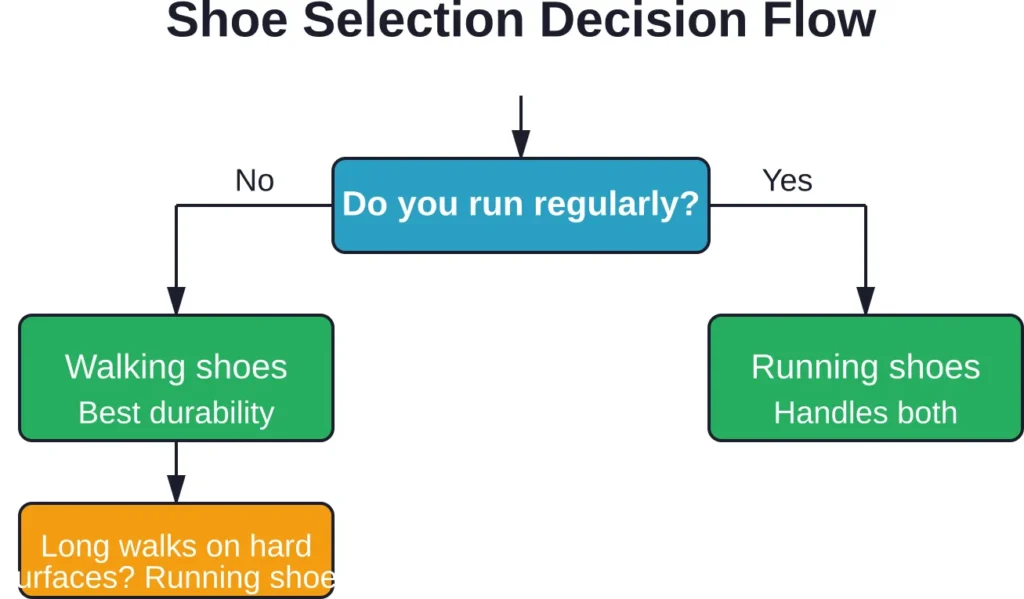
How to Choose the Right Shoe for Your Needs
Making the best choice comes down to honest assessment of how you’ll actually use the shoes.
Primarily Walking
If walking is your main activity with no running plans, dedicated walking shoes offer the best value. They’ll last longer for your use case and cost less upfront.
Look for flexible soles, comfortable uppers, and appropriate arch support for your foot type.
Mix of Walking and Running
Running shoes are your answer here. They handle running’s demands while working perfectly well for walking between runs.
Just remember to track your total mileage from both activities and plan for shoe replacement once you reach the 300-500 mile range.
All-Day Wear at Work
This depends on your work environment. For healthcare workers, retail employees, or anyone constantly moving on hard floors, running shoes often provide superior comfort despite faster wear.
For jobs with more sitting or softer flooring, walking shoes or even casual sneakers might offer better durability.
Specific Foot Concerns
Foot architecture matters. According to the American Academy of Family Physicians, excessive high arches or flat feet can cause compensatory rotation in the lower leg, leading to pain and injury risk.
Both running and walking shoes are available with various support levels. The key is matching the shoe’s support to your specific foot mechanics, regardless of which category the shoe falls into.
Proper Fit Matters More Than Category
Here’s something that often gets overlooked: fit trumps everything else. A perfectly fitted running shoe will always outperform a poorly fitted walking shoe, and vice versa.
When trying on either type of shoe, ensure there’s a thumb’s width of space between your longest toe and the shoe’s end. Your heel should feel secure without slipping, and the midfoot should feel snug but not tight.
Walk around the store for at least five to ten minutes. Quality retailers won’t rush this process. If anything feels off—pressure points, rubbing, instability—that shoe isn’t right regardless of its category or features.
New running shoes can take a few wears to form to your feet, so start with shorter distances and gradually increase usage.
Maintaining Your Shoes for Maximum Lifespan
Whether you choose running or walking shoes, proper care extends their useful life.
Rotate between two pairs if possible. This allows the midsole foam to fully decompress between wears, slowing the breakdown process. Shoes used daily compress faster than those given rest days.
Clean shoes regularly but avoid machine washing, which damages adhesives and support structures. Hand cleaning with mild soap and air drying preserves materials.
Store shoes in a cool, dry place away from direct sunlight. Heat and UV exposure degrade foam compounds even when the shoes aren’t being worn.
Track your mileage. Once you hit that 300-500 mile range, start monitoring how the shoes feel. Reduced cushioning, uneven wear patterns, and increased fatigue are signs it’s time to shop for replacements.
Special Considerations for Older Adults
Footwear choices become increasingly important with age. According to the CDC, more than one out of four older adults falls each year. More than 95% of hip fractures are caused by older adult falls.
Proper footwear plays a role in fall prevention. Both running and walking shoes can work well, but stability features become paramount. Look for shoes with:
- Wide, stable bases that prevent ankle rolling
- Non-slip outsoles for traction on various surfaces
- Secure closures that keep the shoe firmly attached to the foot
- Adequate cushioning to maintain comfort during daily activities
Research indicates that increasing cadence anywhere from 5 to 30% depending on the research appears to confer several protective mechanical benefits against injury. Comfortable, well-fitted shoes make maintaining proper gait mechanics easier at any age.
The Bottom Line on Running Shoes for Walking
Running shoes are absolutely fine for walking. They offer excellent cushioning, solid support, and work well for most walking scenarios.
The main trade-offs are faster wear rates and potentially paying for features beyond what walking strictly requires. But for mixed use, long walks, or all-day comfort on hard surfaces, running shoes often represent the better choice.
Walking shoes excel for people who only walk, want maximum durability, and prefer the natural flexibility of a shoe designed specifically for walking’s biomechanics.
At the end of the day, the best shoe is the one that fits your feet properly and matches how you’ll actually use it. Pay attention to comfort, support, and fit quality over marketing categories.
And remember—while running shoes work great for walking, the reverse isn’t true. Never use walking shoes for running activities.
Frequently Asked Questions
No, running shoes won’t cause injuries when used for walking. They’re designed for higher impact forces than walking produces, so they provide more than adequate protection. The only consideration is that excessive cushioning might feel less stable for some people, but this rarely causes actual injury.
Running shoes typically last 300-500 miles regardless of activity type. If you walk three miles daily, expect about four to six months of use. However, walking generates less impact than running, so shoes might maintain adequate cushioning slightly longer than they would for running—though the foam still compresses with time and weight.
Running shoes aren’t inherently bad for flat feet during walking. In fact, many running shoes offer excellent arch support and stability features that benefit flat-footed walkers. The key is choosing shoes with appropriate support for your specific foot architecture—look for stability or motion-control models if you have flat feet.
Yes, it’s smart to break in new running shoes gradually even for walking. While they won’t feel as stiff as traditional leather shoes, the materials need time to conform to your feet. Start with shorter walks for the first few wears before tackling long distances to prevent blisters and discomfort.
Trail running shoes work fine for everyday walking, especially if you walk on varied terrain. However, their aggressive tread patterns can feel awkward on smooth indoor floors and may wear unevenly on pavement. For mostly urban walking, road running shoes or walking shoes make more sense.
No, sizing should be the same whether you’re using running shoes for walking or running. Always leave about a thumb’s width of space at the toe, ensure the heel fits securely, and make sure the midfoot feels comfortably snug. Proper fit matters more than the intended use.
Walking tends to create more concentrated wear in the heel area compared to running’s more distributed pattern. Running shoes used exclusively for walking might show faster heel wear, but the midsole cushioning—the critical component—compresses at similar rates. Replace shoes based on total mileage and cushioning loss, not just outsole appearance.