
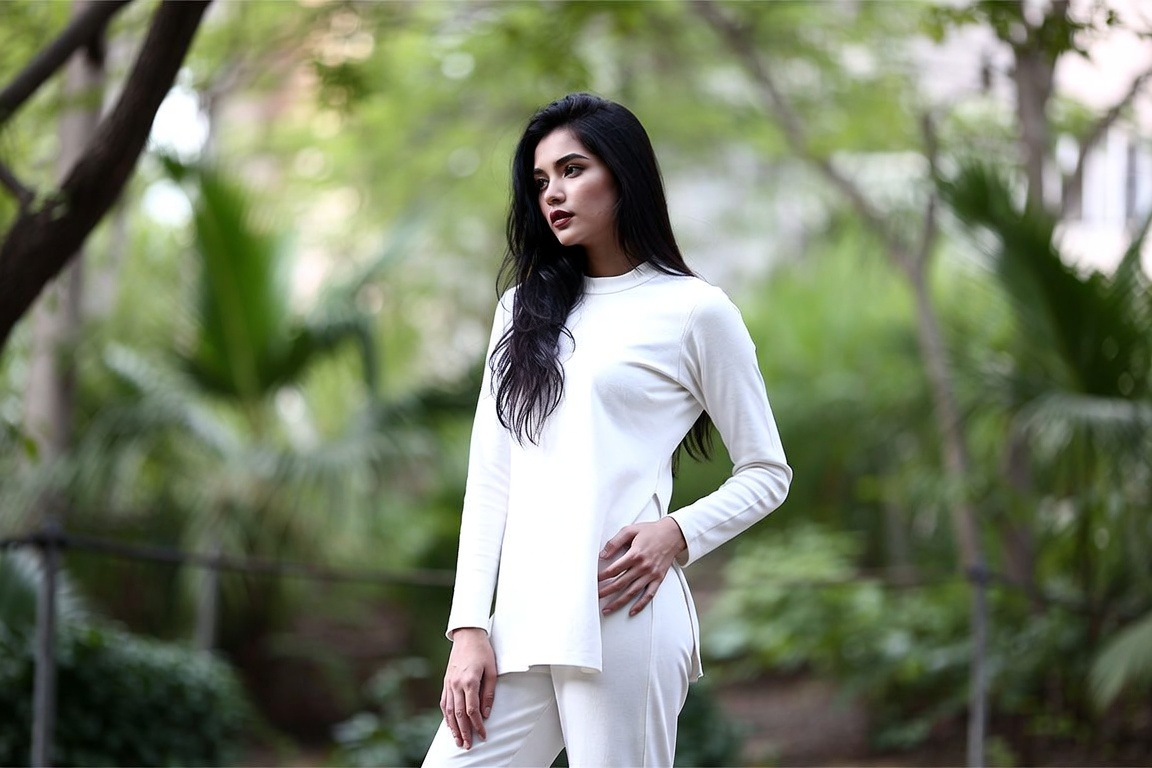
Quick Summary: Yes, it is perfectly acceptable to wear white after Labor Day in 2026. The old rule originated from early 1900s high society as a way to distinguish social classes and mark seasonal transitions, but modern fashion has completely abandoned this outdated guideline. Today’s fashion industry and style experts universally agree that white can be worn year-round with appropriate fabric choices and styling.
The question comes up every September without fail: can you wear white after Labor Day? For generations, this so-called fashion rule has been repeated by etiquette books, fashion magazines, and well-meaning relatives. But here’s the thing—it’s 2026, and this rule is about as relevant as wearing a corset to the grocery store.
So where did this bizarre restriction come from? And more importantly, why do people still talk about it?
The Origins of the No-White-After-Labor-Day Rule
According to fashion historians and sources like Vogue, the rule emerged among America’s upper class in the late 1800s and early 1900s. Wealthy families would leave crowded cities during summer months, heading to cooler coastal retreats where lighter, white clothing made practical sense in the heat.
Labor Day—celebrated on the first Monday of September—became the unofficial marker of summer’s end. As noted in Smithsonian sources, Labor Day generally marks the end of summer and the beginning of the school year, making it a natural transition point in the social calendar.
But the rule wasn’t really about practicality. It became a social signal, a way for old-money families to distinguish themselves from the newly wealthy who didn’t know the “proper” seasonal dress codes. Breaking the rule meant you weren’t part of the inner circle.

Why the Rule Doesn’t Make Sense Today
Fashion has evolved dramatically since the early 1900s. The rigid class distinctions that gave birth to this rule have largely dissolved, and designers now regularly feature white in their fall and winter collections.
Look at any major fashion week runway from the past decade. White appears in every season, from winter coats to fall trousers. Major fashion publications like Vogue have repeatedly declared the rule obsolete, noting that it’s a tradition worth breaking.
Real talk: the rule never made practical sense anyway. White wool, white cashmere, and white leather work perfectly well in cooler weather. The idea that white automatically means “summer” ignores the wide variety of white fabrics and garments available.
What Modern Fashion Actually Says
Contemporary style isn’t about arbitrary seasonal rules. It’s about fabric weight, texture, and appropriateness for the occasion and climate.
Winter whites have become a staple in modern wardrobes. Think cream-colored sweaters, white denim, ivory blazers, and off-white boots. These pieces work beautifully in fall and winter when styled correctly.
The key is choosing the right type of white clothing for cooler months. Lightweight linen and bright optical whites feel summery, while heavier fabrics in cream, ivory, and winter white tones fit naturally into fall and winter wardrobes.
How to Wear White After Labor Day Successfully
If wearing white after Labor Day still feels intimidating, here’s how to make it work without second-guessing yourself.
Choose Appropriate Fabrics
Fabric makes all the difference. Save the linen pants and eyelet cotton for summer. After Labor Day, reach for white pieces in these materials:
- Wool and cashmere for sweaters and coats
- Denim in white or cream tones
- Leather and suede for boots, jackets, and accessories
- Heavy cotton twill for structured pieces
- Silk and satin for elegant evening wear
Layer and Accessorize Seasonally
Pairing white pieces with fall colors and textures makes them feel season-appropriate. A white sweater looks perfect with burgundy pants and brown boots. White jeans work well under a camel coat with a dark scarf.
Accessories matter too. Switch from straw bags and canvas shoes to leather accessories in rich fall tones. This grounds your white pieces in the current season.

Consider the Shade of White
Not all whites are created equal. Stark, bright whites can feel jarring in fall and winter. Instead, opt for warmer tones:
- Cream and ivory for a softer look
- Bone and ecru for earthier vibes
- Winter white with gray undertones
- Off-white that pairs well with fall colors
These nuanced shades feel naturally aligned with cooler weather and autumn color palettes.
What Fashion Experts Actually Recommend
The fashion industry has moved on from this rule entirely. Designers showcase white in every collection, regardless of season. Fashion publications consistently encourage readers to wear what makes them feel confident, regardless of outdated guidelines.
According to community discussions about fashion rules, most people view the no-white-after-Labor-Day rule as classist and unnecessary. Modern style focuses on personal expression, not arbitrary restrictions.
That said, some people still prefer to follow seasonal color patterns as a personal choice. And that’s fine too. The point isn’t that you must wear white after Labor Day—it’s that you can if you want to.
Regional and Cultural Variations
It’s worth noting that this rule is primarily an American phenomenon. European fashion has never observed such restrictions, and designers there have always featured white year-round.
Even within the United States, the rule varies by region. In warmer climates like Florida, California, and the South, white clothing remains practical and common throughout the year. The idea of putting away white clothes in September makes little sense when temperatures stay in the 80s well into October.
Frequently Asked Questions
Absolutely. White jeans work beautifully in fall and winter when paired with seasonal colors and heavier fabrics. Choose a heavier denim rather than lightweight summer styles, and pair them with fall boots, dark sweaters, and warm-toned accessories.
White as a guest at any wedding requires caution, regardless of season, since white is traditionally reserved for the bride. However, if the couple specifies an all-white dress code or you’re wearing an outfit that’s predominantly another color with white accents, it’s generally acceptable. When in doubt, ask the couple or choose a cream or ivory shade instead.
The old rule suggested wearing white only between Memorial Day and Labor Day. But like the Labor Day rule, this Memorial Day guideline is outdated. Wear white whenever it suits your style and the weather.
Modern fashion focuses more on appropriateness for the occasion, climate, and personal comfort rather than arbitrary seasonal rules. Dress codes like black tie or business formal still exist, but seasonal color restrictions have largely disappeared from contemporary style guidelines.
Tradition and regional culture play a role. Some people enjoy following seasonal dressing patterns as a personal preference. Others may work in conservative environments where older fashion conventions persist. But following this rule today is a choice, not a requirement.
Winter whites in heavier fabrics work best: wool coats, cashmere sweaters, leather boots, denim jeans, and structured blazers. Choose cream, ivory, or winter white shades rather than bright optical white for a more season-appropriate look.
Historically, the rule applied primarily to women’s fashion, though men’s summer suits in white or cream were also considered seasonal. Today, menswear has completely abandoned any such restrictions, with white shirts, pants, and sneakers worn year-round without question.
The Bottom Line on White After Labor Day
So, is it okay to wear white after Labor Day? Not only is it okay—it’s completely normal in modern fashion. The rule originated over a century ago as a way for wealthy Americans to signal social status. It had nothing to do with style, practicality, or aesthetics.
Today’s fashion landscape celebrates personal expression over arbitrary restrictions. Designers feature white in every season. Fashion editors wear white year-round. And style-conscious people everywhere have moved past this outdated guideline.
Wear white whenever you want. Just choose appropriate fabrics for the season, pair white pieces with fall and winter colors, and style your outfits with confidence. The only fashion rule that truly matters is wearing what makes you feel good.