

Quick Summary: Losing 20 pounds in 2 weeks is not safe or sustainable. According to the CDC, healthy weight loss occurs at a rate of 1 to 2 pounds per week through balanced nutrition, regular physical activity, and lifestyle changes. Rapid weight loss exceeding this rate increases risks of muscle loss, gallstones, kidney injury, and weight regain.
The promise sounds tempting. Drop 20 pounds before that big event, vacation, or reunion—all in just two weeks. But here’s the reality that health authorities won’t sugarcoat: it’s neither safe nor sustainable.
According to the CDC, people who lose weight at a gradual, steady pace of about 1 to 2 pounds per week are more successful at keeping the weight off long-term. That means a realistic timeframe for losing 20 pounds would be 10 to 20 weeks, not two.
This doesn’t mean rapid weight loss is impossible—it’s just dangerous. And the consequences go far beyond temporary discomfort.
What Health Authorities Say About Rapid Weight Loss
The CDC’s guidance is clear: a lifestyle with good nutrition, regular physical activity, stress management, and enough sleep supports healthy weight loss. Not crash diets or extreme calorie restriction.
Research from the National Institutes of Health shows that weight loss exceeding 10% of body weight, or occurring at faster rates, may improve some health markers initially but significantly increases the possibility of health risks. For someone weighing 200 pounds, that’s losing more than 20 pounds total—let alone in two weeks.
Even modest weight loss delivers benefits. The CDC notes that losing just 5% to 10% of your current weight can improve blood pressure, cholesterol, and blood sugar levels. That’s 10 to 20 pounds for a 200-pound person, achieved gradually over months.
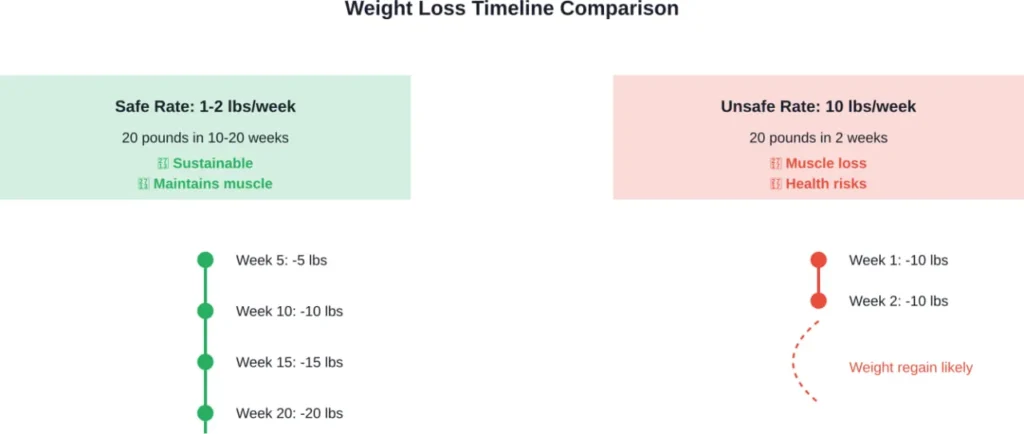
The Real Risks of Losing 20 Pounds in Two Weeks
Attempting to drop that much weight that quickly isn’t just ineffective—it’s genuinely dangerous. Here’s what the research shows.
Muscle Loss and Metabolic Damage
Studies have linked very low-calorie diets with decreased muscle mass. When weight drops too quickly, the body doesn’t just burn fat—it cannibalizes muscle tissue for energy.
This matters because muscle tissue is metabolically active. Less muscle means a slower metabolism, which makes it harder to keep weight off later.
Gallstone Formation
Studies have linked very low-calorie diets with decreased muscle mass, plus a greater risk of gallstones compared to gradual weight loss. Gallstones form when the liver releases extra cholesterol into bile during rapid fat breakdown.
The pain from gallstones can be severe enough to require emergency surgery. Not exactly the outcome most people want from a weight loss attempt.
Kidney Injury
Research published in BMJ Open Sport & Exercise Medicine found that rapid weight loss can increase the risk of acute kidney injury, particularly in athletes using extreme methods. The study noted that about 80% of combat sports athletes use specific methods of reducing body mass.
The kidneys struggle to handle the sudden influx of waste products from rapid tissue breakdown, potentially leading to serious complications.
Weight Cycling and Long-Term Health
Research on weight cycling—repeatedly losing and regaining weight—shows it may increase disease risk and impact pro-inflammatory biomarkers. The body adapts to extreme calorie restriction by becoming more efficient at storing fat.
Studies demonstrate that sustaining weight loss after an intervention is often challenging, with the “yo-yo” effect frequently observed with crash dieting.
| Health Risk | How It Occurs | Severity |
|---|---|---|
| Muscle Loss | Body breaks down muscle tissue for energy during extreme calorie restriction | High |
| Gallstones | Liver releases excess cholesterol during rapid fat breakdown | High |
| Kidney Injury | Kidneys overwhelmed by waste products from tissue breakdown | Moderate to High |
| Metabolic Slowdown | Loss of metabolically active muscle tissue | Moderate |
| Nutrient Deficiencies | Inadequate food intake over extended period | Moderate |
| Weight Regain | Unsustainable methods lead to return to old habits | Very High |
What Actually Works: Evidence-Based Weight Loss Strategies
So if crash diets don’t work, what does? The CDC outlines clear steps that combine to create sustainable results.
Create a Moderate Calorie Deficit
To lose 1 to 2 pounds per week, aim to burn about 500 to 750 calories more than consumed each day. This creates a weekly deficit of 3,500 to 5,250 calories, which translates to that 1 to 2 pounds of fat loss.
This deficit can come from eating less, moving more, or ideally both. But it shouldn’t involve starvation-level restriction.
Focus on Whole Foods and Balanced Nutrition
An eating plan that helps promote health and manage weight includes a variety of healthy foods, according to CDC guidance. This means vegetables, fruits, whole grains, lean proteins, and healthy fats.
Comfort foods, in limited amounts, can be part of healthy eating patterns. Deprivation diets that eliminate entire food groups rarely work long-term because they’re impossible to maintain.
Increase Physical Activity Gradually
The CDC recommends getting at least 30 minutes of physical activity every day. This doesn’t necessarily mean all at once—it might mean 20 to 30 minutes of physical activity three times a day.
Among people who lost weight and maintained weight loss for a year, most continued regular physical activity. Exercise helps preserve muscle mass during weight loss and supports long-term maintenance.
Prioritize Sleep and Stress Management
A lifestyle with good nutrition, regular physical activity, stress management, and enough sleep supports a healthy weight. Poor sleep and chronic stress both interfere with hormones that regulate hunger and metabolism.
Making the environment cool, limiting light sources, and reducing noise as much as possible can improve sleep quality.
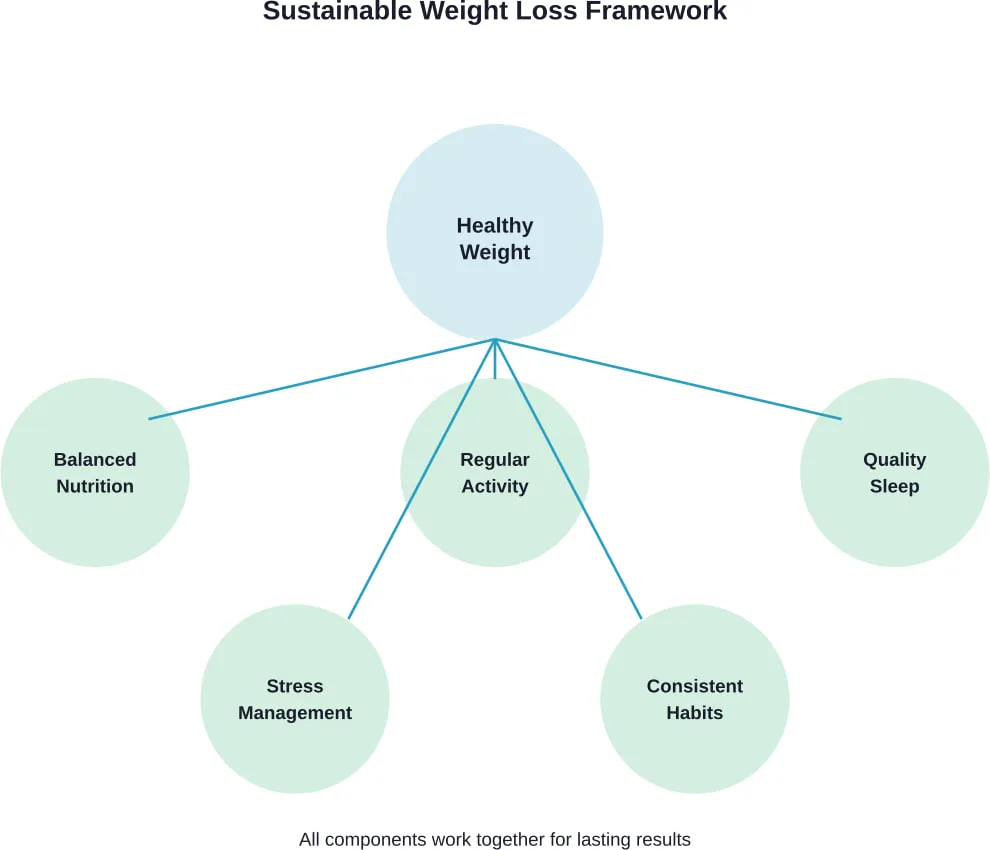
Realistic Timeline: How Long Should 20 Pounds Take?
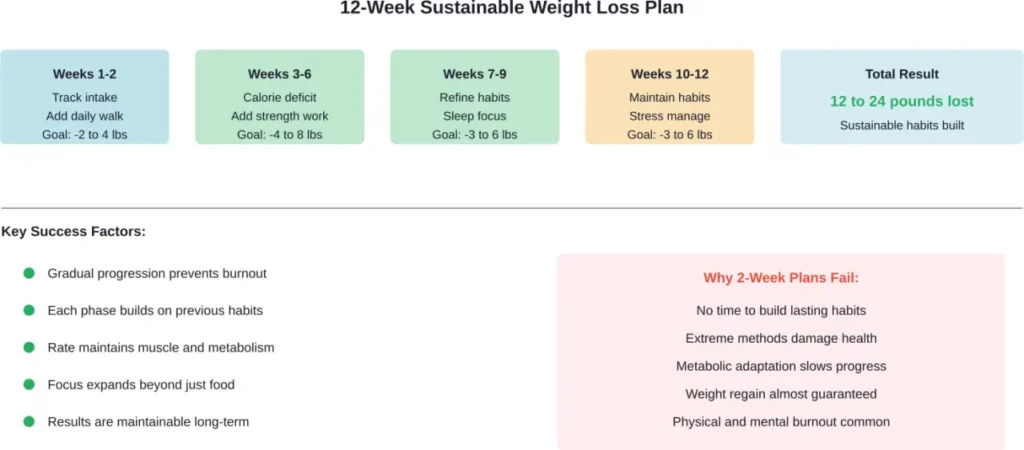
Based on CDC guidelines of 1 to 2 pounds per week, losing 20 pounds should take between 10 and 20 weeks—roughly 2.5 to 5 months.
That might sound slow compared to the promises of crash diets. But consider this: those 10 to 20 weeks are going to pass whether someone tries a crash diet or not.
The difference? People who lose weight gradually are far more likely to still be at their goal weight a year later. Crash dieters typically regain everything they lost, and sometimes more.
Weight management strategies underline the significance of attaining a 5% weight loss initially to maintain a healthy metabolism, according to research published by the National Institutes of Health. Once that’s achieved and maintained, further loss becomes more sustainable.
What About Water Weight?
Some community discussions mention people losing substantial weight in the first week or two of a diet. This isn’t primarily fat loss—it’s water weight.
When carbohydrate intake drops, the body depletes glycogen stores. Each gram of glycogen is stored with several grams of water. As glycogen depletes, that water is released, creating dramatic initial weight loss on the scale.
This is temporary. Once normal eating resumes, glycogen and water are replenished. Real fat loss remains limited to what’s physiologically possible through calorie deficit.
Popular Methods and Why They Don’t Deliver Safely
Several approaches promise rapid weight loss. Here’s why they fall short.
Very Low-Calorie Diets
Diets providing fewer than 800 calories per day do cause rapid weight loss, but research shows they increase risks of muscle loss, gallstones, fatigue, and nutrient deficiencies. They’re also nearly impossible to sustain.
Ketogenic and Extreme Low-Carb Diets
While low-carbohydrate diets can be effective for some people, the extreme versions restricting carbs to under 100 grams daily while getting over 60% of calories from fat have trade-offs. Initial rapid weight loss is mostly water, and research on their long-term safety shows mixed results.
Fasting Protocols
Intermittent fasting has gained popularity, but extreme fasting to lose 20 pounds in two weeks would require near-starvation conditions. This triggers the same health risks as very low-calorie diets.
Diet Pills and Supplements
The FDA has approved certain weight loss medications that demonstrate effectiveness in weight reduction when combined with diet and exercise. However, these produce gradual weight loss—not 20 pounds in two weeks. Products promising faster results are either ineffective or dangerous.
| Method | Claimed Results | Reality |
|---|---|---|
| Very Low-Calorie Diet | Rapid fat loss | Mostly muscle and water; high health risks |
| Extreme Keto | Fast weight drop | Initial water loss; hard to sustain |
| Extended Fasting | Quick results | Metabolic damage; muscle loss |
| Diet Pills | Effortless weight loss | Modest results at best; safety concerns |
| Excessive Exercise | Burn maximum calories | Injury risk; unsustainable; muscle breakdown |
Who Might Experience Faster Initial Weight Loss
Some people do lose weight faster than the 1 to 2 pounds per week guideline, especially initially. This happens more commonly when:
Someone has a lot of weight to lose. People starting at higher weights often experience faster initial loss because their bodies burn more calories at rest. A person weighing 300 pounds burns significantly more calories daily than someone weighing 150 pounds.
The first week or two of any diet. As mentioned earlier, initial glycogen and water loss can create dramatic scale changes that don’t reflect actual fat loss.
Major lifestyle changes occur simultaneously. Someone who previously ate 4,000 calories daily and was sedentary, then drops to 2,000 calories and starts exercising, will see faster results than someone making smaller adjustments.
But even in these cases, 20 pounds in two weeks remains unrealistic and unsafe.
What to Do Instead: A Practical Approach
Rather than chasing an unsafe goal, set up conditions for successful, sustainable weight loss.
Set a Realistic Initial Goal
Aim for that 5% weight loss the CDC recommends. For a 200-pound person, that’s 10 pounds—which could be achieved safely in 5 to 10 weeks. This modest change can improve blood pressure, cholesterol, and blood sugar levels.
Track Calories Without Obsessing
Understanding how much is being consumed helps, but it shouldn’t become an unhealthy fixation. Apps and food journals can reveal surprising patterns without requiring perfection.
Build a Sustainable Exercise Routine
The CDC recommends getting at least 30 minutes of physical activity every day. This could be walking, swimming, cycling, or any activity that elevates heart rate.
Strength training helps preserve muscle mass during weight loss, which maintains metabolism.
Make One Change at a Time
Overhauling everything simultaneously rarely works. Start with one habit—maybe drinking more water or adding a daily walk. Once that’s established, add another.
Get Support
Among people who lost weight and maintained it over time, many had support systems. This might be a friend, family member, support group, or healthcare provider.
When to Seek Professional Help
Some people may need to talk to their health care provider before participating in significant physical activity or making major dietary changes, especially those with:
- Existing health conditions like diabetes, heart disease, or high blood pressure
- A history of eating disorders
- Significant amounts of weight to lose (over 50 pounds)
- Previous unsuccessful weight loss attempts
- Medications that affect weight or metabolism
Healthcare providers can recommend appropriate weight loss medications if needed, monitor for complications, and adjust plans based on individual health factors.
Maintaining Weight Loss Long-Term
Losing weight is one challenge. Keeping it off is another. Research shows that among people who lost weight and maintained weight loss for a year, most continued to eat a diet with fewer calories than before and maintained regular physical activity.
The habits built during gradual weight loss become the foundation for long-term maintenance. This is why crash diets fail so consistently—they never establish sustainable behaviors.
Maintenance requires ongoing attention, but not the extreme restriction of a crash diet. It’s about finding an eating pattern and activity level that supports a healthy weight while still being enjoyable enough to sustain indefinitely.
Frequently Asked Questions
No. According to the CDC, safe weight loss occurs at a rate of 1 to 2 pounds per week. Losing 20 pounds in two weeks would require extreme calorie restriction that increases risks of muscle loss, gallstones, kidney injury, and other health complications. A realistic timeline for losing 20 pounds is 10 to 20 weeks.
At the upper end of the CDC’s recommended rate of 2 pounds per week, losing 20 pounds would take approximately 10 weeks, or about 2.5 months. Some people, particularly those with more weight to lose, might experience slightly faster initial loss, but anything beyond this raises health concerns.
Yes. Studies have linked very low-calorie diets with decreased muscle mass. When weight drops too rapidly, the body breaks down muscle tissue for energy rather than exclusively burning fat. This lowers metabolism and makes future weight loss more difficult.
Initial rapid weight loss is typically water weight, not fat. When carbohydrate intake drops, the body depletes glycogen stores along with the water they’re stored with. This creates dramatic scale changes that don’t reflect actual fat loss. Community discussions often highlight these early results without acknowledging they’re temporary.
Research shows rapid weight loss can cause muscle loss, a greater risk of gallstones, potential kidney injury, metabolic slowdown, nutrient deficiencies, and increased likelihood of weight regain. The National Institutes of Health notes that weight loss exceeding 10% of body weight at faster rates may improve some markers initially but significantly increases health risks.
Following CDC guidelines of 1 to 2 pounds per week, realistic weight loss over two weeks would be 2 to 4 pounds. Some people might see 5 to 6 pounds in the first two weeks due to water weight loss, but this shouldn’t be expected to continue.
Rather than a specific diet, the CDC recommends an eating plan that includes a variety of healthy foods—vegetables, fruits, whole grains, lean proteins, and healthy fats. Comfort foods in limited amounts can be part of healthy eating patterns. The best approach is one that creates a moderate calorie deficit while providing adequate nutrition and being sustainable long-term.
The Bottom Line on Losing 20 Pounds
The answer to whether someone can lose 20 pounds in two weeks is technically yes—but it shouldn’t be attempted. The health risks far outweigh any temporary benefit.
Real, lasting weight loss requires patience. The CDC’s recommendation of 1 to 2 pounds per week isn’t arbitrary—it’s based on extensive research about what the human body can handle safely while maintaining muscle mass, metabolism, and overall health.
Those 10 to 20 weeks needed to lose 20 pounds safely will pass regardless. The choice is between spending that time building sustainable habits that lead to lasting results, or cycling through crash diets that damage health and lead right back to the starting weight.
For anyone serious about losing weight and keeping it off, the path forward is clear: make a specific plan that includes balanced nutrition, regular physical activity, adequate sleep, and stress management. Track progress, celebrate small wins, and remember that even modest weight loss of 5% to 10% delivers significant health benefits.
Start with that first 5% goal. Once achieved, decide whether to continue. Either way, the habits built during that gradual process will support long-term health far better than any two-week crash diet ever could.
Ready to start a sustainable weight loss journey? Consult with a healthcare provider to create a personalized plan that considers individual health factors, set realistic goals, and build habits that will last a lifetime—not just two weeks.