
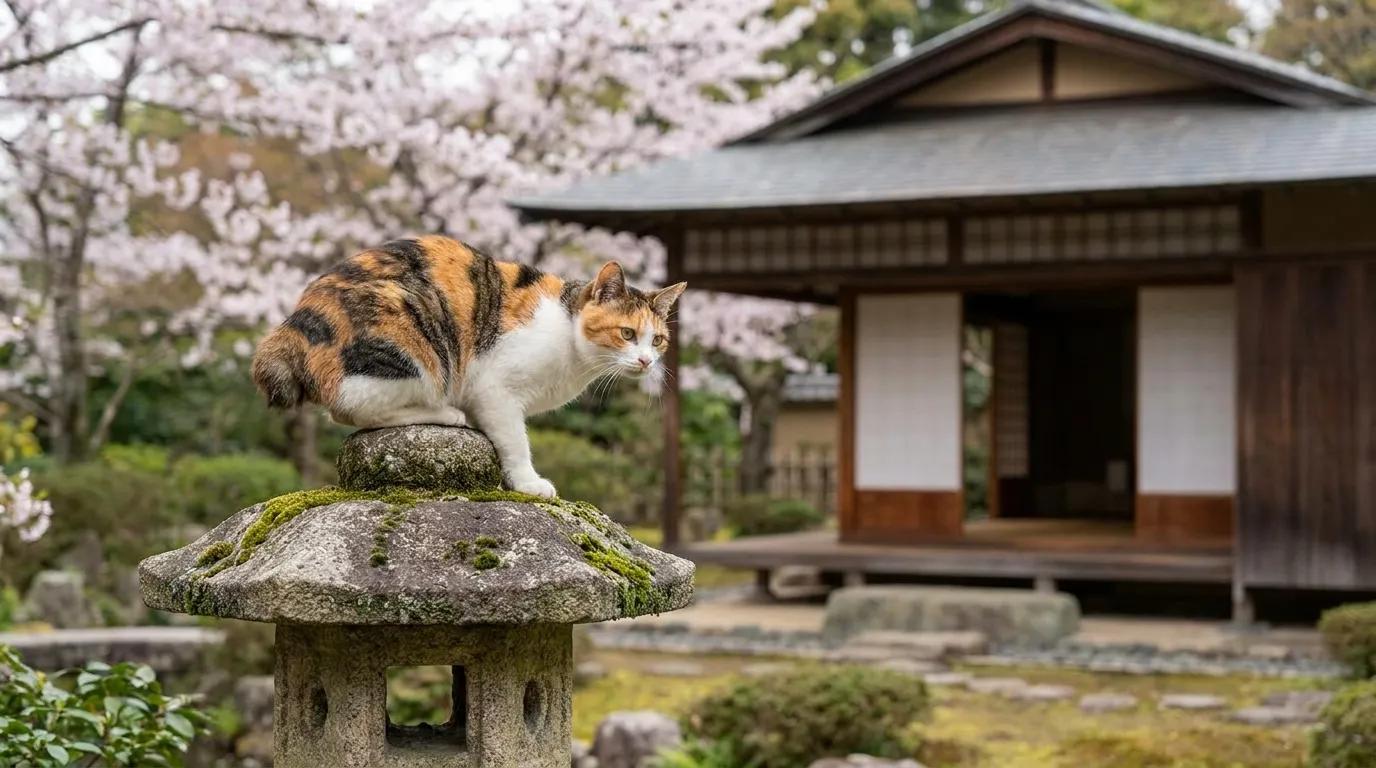
Quick Summary: Japanese cat names draw from rich cultural traditions, nature, and mythology to create meaningful monikers for feline companions. Popular choices like Sakura (cherry blossom), Hana (flower), and Yuki (snow) reflect Japan’s deep appreciation for natural beauty, while names like Tora (tiger) and Kaito (ocean fly) capture personality traits. With nearly 10 million cats in Japan and a cultural reverence for felines dating back centuries, these names offer both uniqueness and profound significance for cat owners worldwide.
The Japanese love cats. That’s not an exaggeration—nearly 10 million cats live in the “Land of the Rising Sun,” outnumbering the country’s 8.9 million dogs according to the Japan Pet Food Association. From the iconic Hello Kitty (worth 4.4 billion dollars) to the ubiquitous Maneki-Neko “beckoning cat” statues positioned outside businesses for good luck, feline appreciation runs deep in Japanese culture.
But cats haven’t always had it easy everywhere. According to National Library of Medicine data, black cats face challenging statistics in shelters: a 74.6% euthanasia rate and just 10% adoption rate—the lowest of any cat coat color. Even as kittens, black cats struggle compared to overall adoption rates for other kittens.
Choosing a Japanese name for your cat connects you to this rich tradition of feline reverence. These names carry meanings that go beyond simple sounds—they capture beauty, nature, personality, and cultural significance in ways Western names rarely achieve.
Why Japanese Names Work Perfectly for Cats
Japanese names possess qualities that make them particularly well-suited for cats. The language flows with soft consonants and melodic vowel sounds that cats respond to naturally. Names ending in vowels—common in Japanese—are easier for felines to recognize and distinguish from everyday conversation.
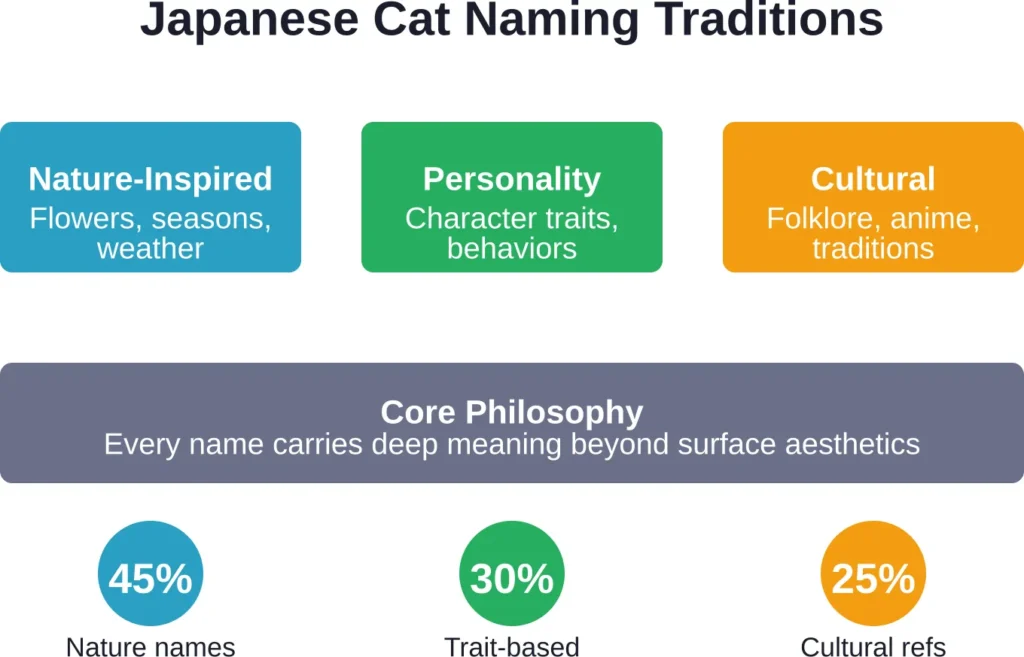
Here’s the thing though—Japanese naming traditions emphasize meaning over mere aesthetics. Every name tells a story, references nature, or captures a quality. When you name your cat Sakura, you’re not just picking something that sounds pretty. You’re connecting your pet to the fleeting beauty of cherry blossoms, to renewal, to spring’s arrival that the entire nation celebrates.
The cultural backdrop matters too. Cats were introduced to Japan in the mid-800s and quickly became valued for controlling rodent populations. Over centuries, they evolved into creatures of mystery and folklore—the kaibyo or “strange cats” of Japanese mythology, supernatural beings capable of shape-shifting and possessing otherworldly powers.
Popular Female Japanese Cat Names
Female Japanese cat names often draw from flowers, natural phenomena, and qualities associated with grace and beauty. These names celebrate the delicate and the powerful in equal measure.
Sakura (さくら) – Cherry Blossom
Sakura tops virtually every list for good reason. Cherry blossoms symbolize renewal, the fleeting nature of life, and spring’s beauty in Japanese culture. When those pink and white petals fall each spring, the entire nation pauses to appreciate their brief, perfect display. Naming a cat Sakura captures that same delicate beauty and the reminder to treasure each moment.
The name works particularly well for cats with soft, gentle personalities or light-colored coats.
Hana (花) – Flower
Where Sakura specifies one flower type, Hana embraces all floral beauty. This name suits cats that bloom in your life, bringing color and joy. It’s simple, elegant, and carries the full weight of Japan’s deep appreciation for botanical beauty.
Sound familiar? That’s because Hana also means “nose” in Korean, but in Japanese context, it’s purely floral.
Yuki (雪) – Snow
Perfect for white cats or those with cool, serene temperaments. Snow in Japanese culture represents purity, quietness, and transformation. The first snowfall each winter holds special significance—Yuki captures that pristine, peaceful quality.
But Yuki can also mean “happiness” (幸) when written with different kanji, giving the name dual significance.
Momo (桃) – Peach
Peaches in Japan symbolize longevity, protection against evil, and spring’s sweetness. Momo works beautifully for orange or cream-colored cats, but also for any feline whose personality is simply peachy. The name appears frequently in Japanese folklore, adding layers of cultural resonance.
Aiko (愛子) – Child of Love
For the cat that stole your heart completely. Aiko combines “ai” (love) with “ko” (child), a traditional feminine name ending. It captures the affection cats inspire and acknowledges them as beloved family members rather than mere pets.
| Name | Kanji | Meaning | Best For |
|---|---|---|---|
| Sakura | さくら | Cherry Blossom | Gentle, light-colored cats |
| Hana | 花 | Flower | Beautiful, graceful cats |
| Yuki | 雪 | Snow | White cats, calm personalities |
| Momo | 桃 | Peach | Orange/cream cats, sweet nature |
| Kiko | 希子 | Hope Child | Rescue cats, new beginnings |
| Sora | 空 | Sky | Blue-eyed cats, dreamers |
| Nami | 波 | Wave | Energetic, flowing personalities |
| Ren | 蓮 | Lotus | Serene, spiritual cats |
Male Japanese Cat Names
Male Japanese cat names tend toward strength, natural forces, and warrior qualities—though plenty embrace gentler characteristics too. These names acknowledge the wild spirit that remains even in domesticated cats.
Tora (虎) – Tiger
Real talk: tigers and housecats share more than distant ancestry. Tora captures that fierce, predatory essence that emerges when your cat stalks a toy mouse or defends their territory from neighborhood intruders. The name particularly suits striped tabbies but works for any cat with a bold personality.
Kaito (海翔) – Ocean Fly
Kaito combines “kai” (ocean) and “to” (fly/soar), creating an image of boundless freedom. The name suits adventurous cats who explore every corner of their domain or seem to defy gravity with their jumping abilities. It’s become increasingly popular in Japan for both children and pets.
Haru (春) – Spring
Spring represents new beginnings, warmth returning, and life emerging after winter’s dormancy. Haru works as a gender-neutral name but appears frequently for male cats. It’s perfect for kittens adopted in spring or cats whose presence brings renewal to their owner’s life.
Sora (空) – Sky
Another name that crosses gender lines, Sora captures limitless possibility and freedom. The sky changes constantly—calm blue mornings, dramatic sunset colors, stormy grays—making it appropriate for cats with shifting moods or those who seem to exist on a higher plane.
Ryu (龍) – Dragon
Dragons in Japanese culture differ from Western interpretations. They’re wise, powerful, associated with water and weather rather than fire. Ryu suits majestic cats who command respect, intelligent felines who seem to understand more than they should, or simply cats whose owners appreciate mythological references.
Now, this is where it gets interesting. Japanese names often use different kanji characters to create varied meanings with identical pronunciations. Ryu can also be written as 流 (flow) or 隆 (prosperity), giving owners flexibility in choosing the precise meaning they want.
Gender-Neutral Japanese Cat Names
Many Japanese names work beautifully regardless of whether your cat is male or female. These names focus on universal qualities, natural elements, or characteristics that transcend gender categories.
- Aki (秋) – Autumn; perfect for cats with warm-toned coats or those adopted during fall
- Midori (緑) – Green; suits cats with distinctive green eyes
- Kuro (黒) – Black; the straightforward choice for black cats
- Shiro (白) – White; equally direct for white-coated felines
- Kage (影) – Shadow; for cats that follow silently or prefer dim corners
- Hikari (光) – Light; contrasts beautifully with Kage
- Tama (玉) – Jewel; historically one of Japan’s most common cat names
- Maru (丸) – Circle; popular for round, plump cats
The short answer? Tama deserves special mention. Tama is recognized as the quintessential Japanese cat name—the equivalent of “Fluffy” or “Mittens” in English-speaking countries. It’s been used for generations and appears in countless stories, making it immediately recognizable to Japanese speakers.
Anime-Inspired Cat Names
Japanese animation has given the world memorable feline characters whose names carry instant recognition among fans. These names work particularly well when they match personality traits.
Anime culture and cat culture intersect frequently in Japan. From the iconic Jiji in “Kiki’s Delivery Service” to Luna in “Sailor Moon,” cats play significant roles in beloved stories. Choosing an anime-inspired name connects your cat to these larger narratives.
- Luna – The wise black cat advisor from Sailor Moon
- Artemis – Luna’s white male counterpart
- Jiji – The sarcastic but loyal black cat from Kiki’s Delivery Service
- Nyanko – A playful term meaning “kitty,” used for various anime cats
- Happy – The blue cat from Fairy Tail
- Chomusuke – The “cat” from KonoSuba (actually a demon, but who’s counting?)
- Chi – The adorable kitten from Chi’s Sweet Home
- Baron – The cat figurine that comes alive in The Cat Returns
Look, anime names aren’t for everyone. They signal fandom in ways some owners embrace and others avoid. But they’ve become legitimate naming options with cultural weight beyond their fictional origins.
Names Based on Japanese Food
Food names might seem whimsical, but they’re genuinely popular in Japan. These names often reference color, texture, or simply beloved dishes that make people smile.
Here’s the thing though—food names work best when they match physical characteristics or personality quirks. A lethargic orange cat named Mochi (sticky rice cake) just makes sense. A hyperactive tabby named Wasabi captures that sharp, surprising energy.
- Mochi – Soft, sticky rice cake; perfect for plump, cuddly cats
- Tofu – Suits white, soft-natured cats
- Miso – Great for orange or brown tabbies
- Sushi – Fun for any cat, especially those who love fish
- Wasabi – For cats with spicy personalities
- Sake – The rice wine; sophisticated choice
- Matcha – Green tea powder; works for cats with greenish eyes
- Edamame – Young soybeans; cute for kittens
Names Inspired by Japanese Nature and Seasons
Japanese culture recognizes subtle seasonal shifts that Western calendars miss. This sensitivity to nature’s cycles produces beautiful, evocative names.
Spring Names
Spring holds special significance in Japan—it’s when cherry blossoms bloom, school years begin, and life renews itself after winter.
- Haru – Spring itself
- Sakura – Cherry blossom
- Tsubaki – Camellia flower
- Ume – Plum blossom
Summer Names
Summer names evoke heat, growth, and vibrant energy.
- Natsu – Summer
- Hotaru – Firefly
- Nami – Wave
- Umi – Ocean
Autumn Names
Autumn represents harvest, transformation, and warm colors fading toward winter.
- Aki – Autumn
- Momiji – Maple leaf
- Kuri – Chestnut
- Tsuki – Moon (associated with autumn moon-viewing)
Winter Names
Winter names capture cold, stillness, and pristine beauty.
- Fuyu – Winter
- Yuki – Snow
- Koori – Ice
- Shimo – Frost
Traditional Japanese Cat Names
Some names have been used for Japanese cats for generations. These carry historical weight and immediate recognition within Japanese culture.
That said, traditional doesn’t mean boring. These names survived because they work—they’re easy to pronounce, cats respond to them, and they carry meanings that remain relevant across centuries.
- Tama – Jewel; the classic Japanese cat name
- Mike – Calico pattern (pronounced “mee-keh”)
- Chibi – Small, tiny
- Kuro – Black
- Shiro – White
- Tora – Tiger
- Fuku – Good fortune
- Tama – Ball or jewel
Mike deserves explanation. It specifically refers to the tri-color calico pattern and has been used for centuries to describe these distinctive cats. In Japan, calico cats are considered lucky—the Maneki-Neko good luck cats are often depicted as calicos.
How to Choose the Perfect Japanese Name
With hundreds of options, how do you narrow down to the one name that fits? Start by considering these factors.
Physical Characteristics
Color, pattern, size, and distinctive features all provide naming inspiration. A white cat naturally suits Yuki (snow) or Shiro (white). Black cats align with Kuro (black) or Kage (shadow). Calicos connect to Mike. Orange tabbies might be Momo (peach) or Miso.
Personality Traits
Wait a few days after bringing your cat home. Their personality will emerge—playful, calm, mischievous, dignified, aloof, affectionate. Choose names that reflect what you observe. A gentle cat might be Hana (flower), while an energetic one could be Kaito (ocean fly).
Your Connection to Japan
Have you visited Japan? Do you practice martial arts, follow anime, or appreciate Japanese aesthetics? Your personal connection to Japanese culture might guide your choice toward specific names that resonate with your experiences.
Pronunciation Ease
Real talk: if you can’t pronounce the name comfortably, it won’t work. Japanese pronunciation is generally straightforward—vowels sound like Spanish vowels, and there aren’t complex consonant clusters. But practice saying your top choices out loud before committing.
Name Length
Shorter names (1-2 syllables) work better for daily use. Cats respond more readily to brief, distinct sounds. Save longer names for formal occasions if you want, but daily usage tends toward nicknames anyway.
| Consideration | Questions to Ask | Example Names |
|---|---|---|
| Coat Color | What’s the dominant color or pattern? | Kuro (black), Yuki (white), Momo (orange) |
| Personality | Energetic or calm? Playful or serious? | Kaito (adventurous), Hana (gentle), Wasabi (spicy) |
| Size | Small and delicate or large and imposing? | Chibi (tiny), Tora (tiger-like) |
| Cultural Preferences | Traditional or modern? Anime fan? | Tama (classic) vs. Luna (anime) |
| Meaning Priority | Does the meaning matter more than sound? | Aiko (love child), Fuku (fortune) |
Unique and Rare Japanese Cat Names
Looking for something less common? These names appear less frequently but carry equally beautiful meanings.
- Kazuki – Harmonious hope
- Hinata – Sunny place
- Kohaku – Amber
- Suzume – Sparrow
- Kasumi – Mist
- Hotaru – Firefly
- Tsukiko – Moon child
- Amaya – Night rain
- Raiden – Thunder and lightning
- Shinobu – Endurance
But wait. Unique names carry risks. If no one can remember or pronounce your cat’s name, it loses functionality. Balance uniqueness with usability.
The Cultural Significance of Cats in Japan
Understanding why Japanese cat names resonate requires understanding cats’ role in Japanese culture. Since cats were introduced to Japan in the mid-800s, they have been both practical rodent-controllers and subjects of folklore.
The Maneki-Neko or “beckoning cat” statue represents one of Japan’s most recognizable symbols. These raised-paw cats supposedly bring good fortune—left paw raised attracts customers, right paw brings wealth and good luck. The tradition originates from various legends, but all emphasize cats as bringers of positive fortune.
Japanese folklore also features bakeneko and other supernatural cats. Almost since cats were first introduced to the archipelago in the mid-800s, stories have come about of their strange powers, shape-shifting abilities, and mysterious nature. These tales reflect both fascination and wariness—cats as creatures that exist between the mundane and supernatural worlds.
This dual nature—practical pest control and mystical beings—informs how Japanese culture views cats today. They’re treasured companions but also retain an air of mystery that Western cultures might not emphasize as strongly.
Japanese Cat Name Pronunciation Guide
Japanese pronunciation follows consistent rules that make it more approachable than it initially appears.
Vowel Sounds
- A – like “ah” in “father”
- E – like “eh” in “bed”
- I – like “ee” in “see”
- O – like “oh” in “open”
- U – like “oo” in “food”
Common Combinations
- Ai – “eye”
- Ei – long “a” sound, like “say”
- Ou – long “o” sound, like “boat”
Consonant Notes
Most consonants sound similar to English. Key differences:
- R – between English “R” and “L,” formed with tongue tapping roof of mouth
- G – can be hard like “go” or nasal in middle of words
- Double consonants – pause briefly before pronouncing
Practice names before settling on one. Japanese speakers will appreciate the effort even if accent isn’t perfect.
Frequently Asked Questions
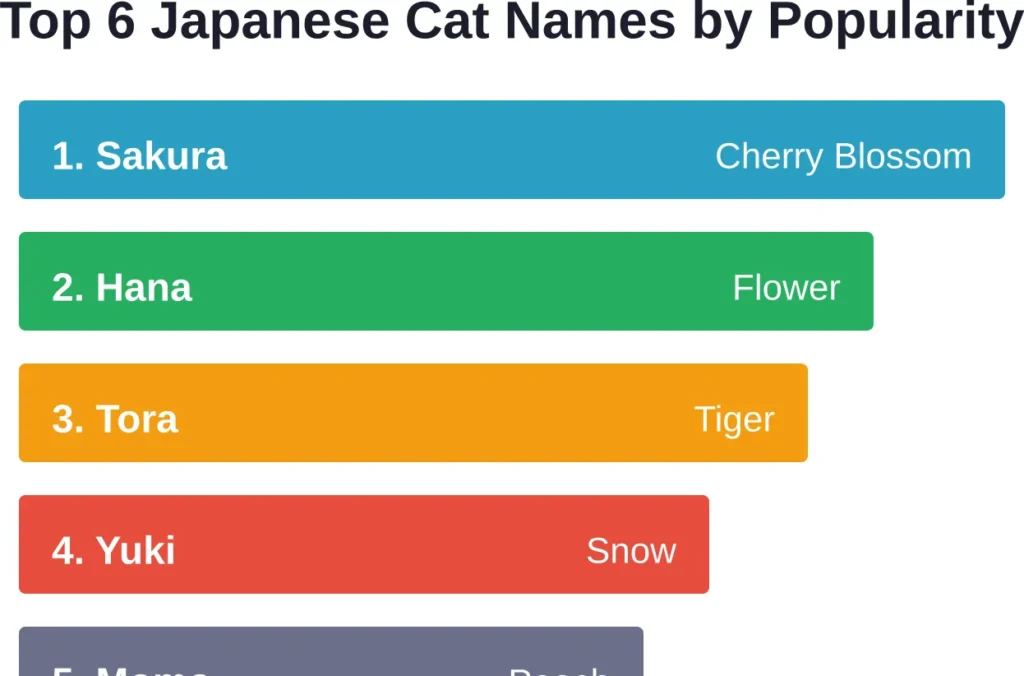
Sakura (cherry blossom) currently ranks as the most popular Japanese cat name, followed closely by Hana (flower) and Tora (tiger). Historically, Tama (jewel) held this position for generations and remains recognized as the quintessential traditional Japanese cat name.
Japanese pronunciation is consistent and approachable. Vowels sound like Spanish vowels: A (ah), E (eh), I (ee), O (oh), U (oo). The R sound falls between English R and L. Practice saying names slowly, emphasizing each syllable equally, and avoid placing stress on any particular syllable as English does.
Absolutely. Japanese names work beautifully for any cat breed or mixed breed. The names reflect characteristics, personality, and appearance rather than breed origins. Many owners choose Japanese names specifically because they carry deeper meanings than typical Western pet names, regardless of their cat’s background.
Fuku (福) directly means “good fortune” or “luck.” Maneki-Neko translates to “beckoning cat” and refers to the lucky cat statues, though it’s less common as an actual pet name. Mike, the traditional name for calico cats, also carries lucky connotations since calico cats are considered fortunate in Japanese culture.
Many Japanese names reflect personality traits. Kaito (ocean fly) suits adventurous cats, Hana (flower) fits gentle personalities, Tora (tiger) matches fierce temperaments, and Yuki (snow) works for calm, serene cats. Wasabi captures spicy, energetic personalities, while Mochi suits lazy, cuddly felines.
Neko (猫) simply means “cat” in Japanese. Using it as a standalone name would be like naming a cat “Cat” in English—functional but plain. However, Neko appears in compound names like Maneki-Neko or Nyanko (a cute variation), and some owners do use Nyanko as an affectionate name for their cats.
According to the Japan Pet Food Association, nearly 10 million cats live in Japan compared to 8.9 million dogs. Cats have surpassed dogs in popularity, partly due to Japan’s urban living conditions where smaller pets fit apartment lifestyles better, and partly due to the deep cultural affection for felines.
Conclusion: Finding Your Cat’s Perfect Japanese Name
Choosing a Japanese name for your cat connects you to centuries of cultural appreciation for felines. Whether you select a nature-inspired name like Sakura or Yuki, a personality-based choice like Tora or Kaito, or an anime reference like Luna or Jiji, you’re giving your cat a name with genuine meaning and depth.
The best approach? Take your time. Observe your cat’s personality, consider their physical characteristics, and try out a few names to see what fits naturally. Japanese names work beautifully because they balance aesthetic appeal with substantial meaning—they’re not just pretty sounds but words that capture essence and spirit.
Remember that nearly 10 million cats thrive in Japan, a country that’s treasured felines for over a millennium. That cultural reverence produced naming traditions worth adopting, whether your cat has Japanese heritage or not.
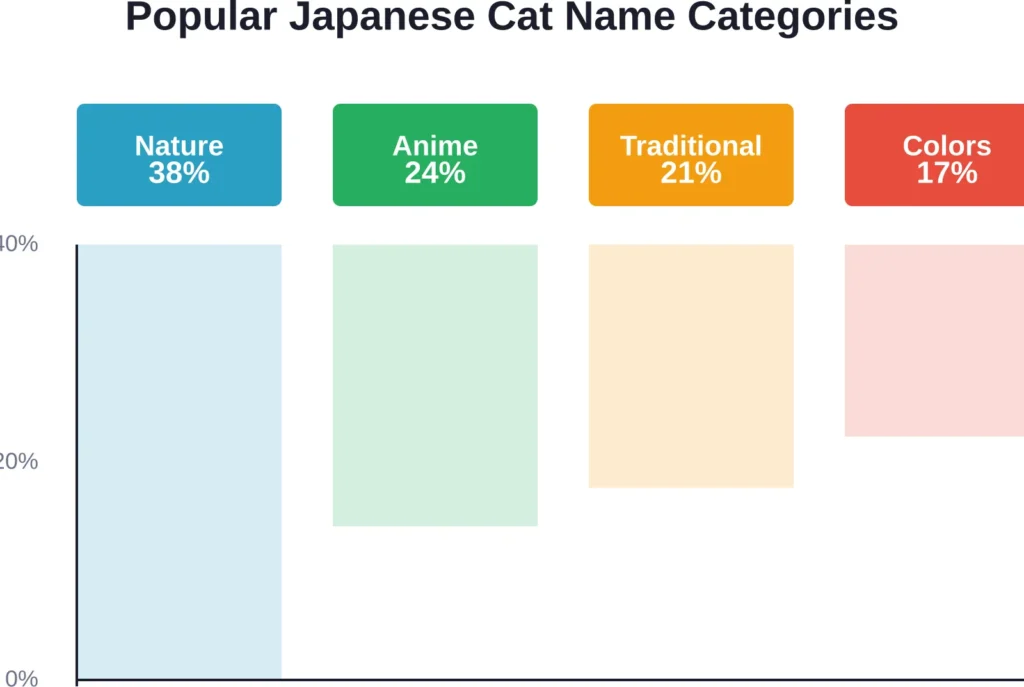
Start with the categories that resonate most—nature names if you love the outdoors, anime names if you’re a fan, traditional names if you appreciate history, or food names if you enjoy culinary culture. Narrow down to three or four finalists, try them out for a few days, and trust your instincts about which name fits.
Your cat won’t care whether you choose Sakura or Sushi, Tora or Tofu. But you’ll say that name thousands of times over the years, and choosing one with meaning and beauty makes every utterance a small celebration of the bond you share with your feline companion.