

Quick Summary: Eating a bad egg can lead to food poisoning, primarily from Salmonella bacteria. Symptoms usually start 6 hours to 6 days after infection, with most cases appearing within 12 to 72 hours and include diarrhea, stomach cramps, fever, and nausea. Most people recover within 4-7 days without treatment, but severe cases require medical attention, especially for young children, elderly individuals, and those with weakened immune systems.
Nobody wants to crack open an egg only to wonder if it’s still safe. But what actually happens if you eat a bad egg? The consequences range from mild discomfort to serious illness, depending on the type of contamination and your overall health.
Understanding the risks can help you avoid a nasty bout of food poisoning.
The Primary Culprit: Salmonella Infection
When people talk about getting sick from bad eggs, they’re usually referring to Salmonella bacteria. According to the CDC, Salmonella is one of the leading causes of foodborne illness in the United States. Fresh eggs can contain this bacteria even when the shells appear clean and uncracked.
The bacteria can contaminate eggs in two ways. Chickens and other live poultry carry Salmonella naturally, and the germs can spread from the birds to their eggs. Contamination can also occur after laying if eggs come into contact with fecal matter or dirty surfaces.
Here’s the thing though—proper handling and cooking kill Salmonella bacteria. That’s why raw or undercooked eggs pose the greatest risk.
What Symptoms Should You Expect?
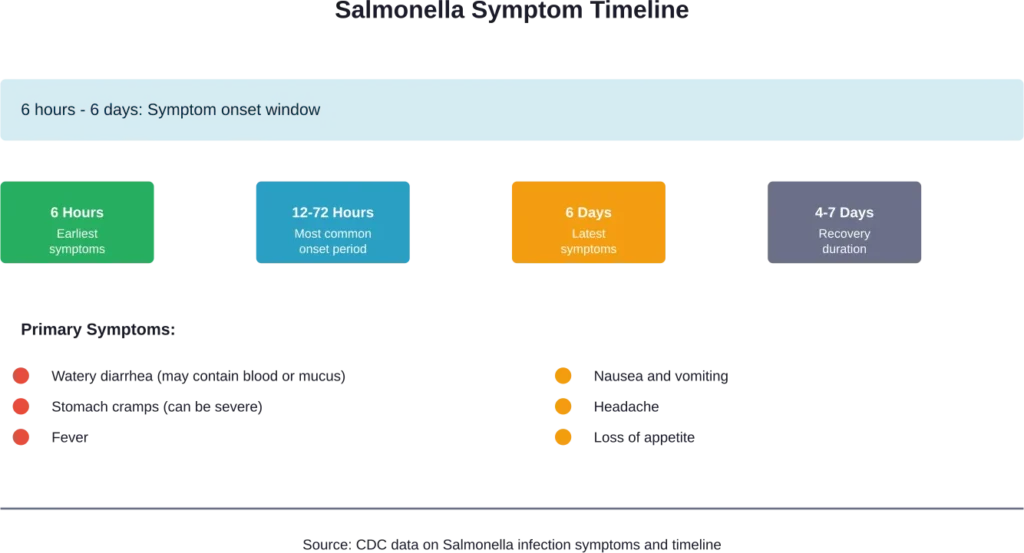
According to the CDC, most people with Salmonella infection experience watery diarrhea that might contain blood or mucus, along with stomach cramps that can be severe. But that’s not all.
Common symptoms include headache, nausea, vomiting, loss of appetite, and fever. Symptoms usually start 6 hours to 6 days after infection, with most cases appearing within 12 to 72 hours.
The illness typically lasts four to seven days. Most people recover without needing antibiotics or medical intervention.
When Bad Eggs Turn Dangerous
While most people recover without complications, Salmonella infection can become life-threatening for certain groups. The CDC identifies young children (especially those under 5), elderly individuals, and people with weakened immune systems as particularly vulnerable.
Severe food poisoning symptoms require immediate medical attention. According to the CDC, contact a doctor if you experience bloody diarrhea, diarrhea lasting more than 3 days, fever over 102°F, frequent vomiting that prevents keeping liquids down, or signs of dehydration.
Dehydration symptoms include little or no urination, very dry mouth and throat, and feeling dizzy when standing up. People with diarrhea should drink plenty of fluids to prevent dehydration from becoming a serious issue.
Beyond Salmonella: Other Risks of Spoiled Eggs
Salmonella isn’t the only concern with bad eggs. Spoiled eggs that have been stored improperly or kept too long can harbor other harmful bacteria like Staphylococcus aureus or E. coli.
Staphylococcus aureus food poisoning produces symptoms faster—typically within 30 minutes to 8 hours. The symptoms include nausea, vomiting, stomach cramps, and diarrhea.
Spoiled eggs also produce foul-smelling compounds as proteins break down. If you crack an egg and it smells like sulfur or rotten odors, bacteria have already begun decomposing the contents. Consuming such eggs can trigger severe gastrointestinal distress even without specific bacterial infection.
How to Identify a Bad Egg Before Eating
Prevention beats treatment every time. Several methods help determine whether eggs have gone bad before you consume them.
The float test works reliably: place the egg in a bowl of water. Fresh eggs sink and lay flat on their side. Eggs that stand upright on the bottom are older but still safe. Eggs that float should be discarded—they’ve developed enough gas inside to indicate spoilage.
Visual inspection matters too. Crack the egg onto a plate before adding it to your recipe. A fresh egg has a thick, cloudy white that stays close to the yolk. The yolk sits high and round. Bad eggs have thin, runny whites that spread out, and flat yolks that break easily.
Trust your nose. Bad eggs emit an unmistakable sulfurous smell when cracked open. If it smells off, throw it out—no question.
| Test Method | Fresh Egg | Questionable Egg | Bad Egg |
|---|---|---|---|
| Float Test | Sinks, lays flat | Stands upright on bottom | Floats to surface |
| Visual Appearance | Thick white, high round yolk | Slightly thin white, flatter yolk | Watery white, broken flat yolk |
| Smell Test | No odor or mild fresh smell | Slight off smell | Strong sulfur or rotten odor |
| Safety Status | Safe to eat | Use immediately if cooking thoroughly | Discard immediately |
Proper Storage Prevents Problems
The FDA requires egg producers to maintain storage temperatures of 45°F, beginning 36 hours after eggs are laid. This regulation exists because proper refrigeration dramatically reduces bacterial growth.
Store eggs in their original carton on a refrigerator shelf—not in the door where temperature fluctuates. The carton protects eggs from absorbing odors and prevents moisture loss.
Don’t keep eggs out of the refrigerator for more than 2 hours. According to the USDA, eggs are perishable just like raw meat, poultry, and fish. Room temperature allows bacteria to multiply rapidly.
Eggs can be safely eaten approximately 3-5 weeks past their sell-by date if they have been continuously refrigerated. But always perform the freshness tests before using older eggs.
Treatment and Recovery
Most people with Salmonella infection recover without specific treatment. The CDC emphasizes that people with diarrhea should drink extra fluids to prevent dehydration. Call the doctor before using anti-diarrheal medication, as these drugs can sometimes worsen Salmonella infection.
Antibiotics aren’t recommended for most cases. In fact, antibiotic use can prolong the time bacteria remain in the body. However, severe cases—particularly in vulnerable populations—may require antibiotic treatment under medical supervision.
Rest helps the body fight infection. Stick to bland, easily digestible foods once you can tolerate eating again. Bananas, rice, applesauce, and toast are gentle options.
Global Impact of Egg-Related Illness
The WHO estimates that 600 million people—almost 1 in 10 globally—fall ill after eating contaminated food each year, with 420,000 deaths. Children under 5 carry 40% of the foodborne disease burden, with 125,000 deaths annually.
A Salmonella outbreak linked to eggs affected 105 cases across 14 states, with 19 hospitalizations and no deaths, according to CDC data. Country Eggs, LLC recalled large brown cage-free eggs with specific sell-by dates. The outbreak is now over, but it demonstrates how quickly contaminated eggs can spread illness.
Frequently Asked Questions
Yes, consuming even a single contaminated egg can cause Salmonella infection. The bacteria don’t need to be present in large quantities to make you sick. Cooking eggs thoroughly kills Salmonella, but eating raw or undercooked contaminated eggs poses significant risk.
Symptoms usually start 6 hours to 6 days after infection, with most cases appearing within 12 to 72 hours. The timing varies based on the amount of bacteria ingested and individual immune system response.
Monitor yourself for symptoms over the next few days. Stay hydrated by drinking plenty of fluids. If you develop severe symptoms like bloody diarrhea, high fever over 102°F, or signs of dehydration, seek medical attention immediately. Most cases resolve without treatment.
Not necessarily. Eggs can remain safe to eat 3-5 weeks past their sell-by date if stored properly in the refrigerator. Expired simply means past the date on the carton—spoiled means the egg has actually gone bad. Always test eggs for freshness using the float test, visual inspection, and smell test.
Thorough cooking kills Salmonella bacteria, making contaminated eggs safer. However, severely spoiled eggs that smell rotten should never be consumed regardless of cooking. The decomposition produces harmful compounds beyond just bacteria. When in doubt, throw it out.
According to the CDC, children younger than 5, elderly individuals, pregnant women, and people with weakened immune systems face the highest risk of severe Salmonella infection. These groups should avoid raw or undercooked eggs entirely and seek medical attention quickly if symptoms develop.
Store eggs in the refrigerator at 45°F or below, keep them in the original carton, don’t leave eggs at room temperature for more than 2 hours, cook eggs until both whites and yolks are firm, and always perform freshness tests before using older eggs. The FDA and CDC emphasize that proper handling and cooking are essential for egg safety.
The Bottom Line
Eating a bad egg can lead to unpleasant and potentially dangerous food poisoning, primarily from Salmonella bacteria. Symptoms usually resolve within a week for healthy adults, but vulnerable populations face serious risks.
The good news? Most cases are preventable through proper storage, handling, and cooking practices. Test eggs before using them, especially if they’re approaching or past their expiration date.
When you crack an egg, trust your senses. If something seems off—whether it’s the smell, appearance, or how it behaves in water—don’t take chances. Your health isn’t worth the risk of one questionable egg.