
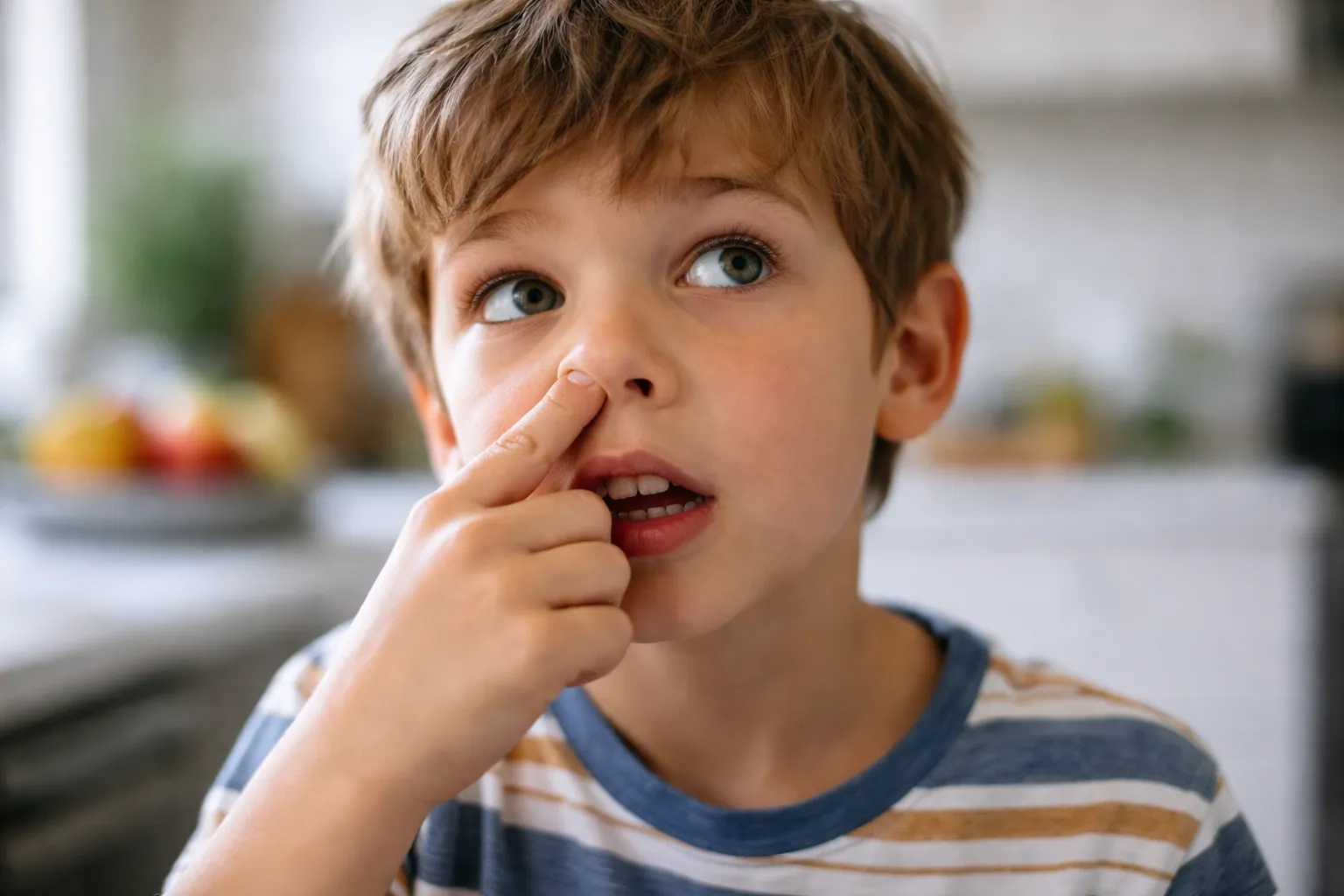
Quick Summary: Eating boogers daily exposes you to trapped bacteria, viruses, and irritants that can cause infections, spread illness, and damage nasal tissues. Despite some claims about immune system benefits, no scientific evidence supports that eating nasal mucus is healthy. The habit can lead to nosebleeds, infections, and social stigma.
Let’s address the uncomfortable truth: many people pick their nose. Some go further and eat what they find. While it’s not a topic for polite dinner conversation, understanding what happens when someone eats boogers everyday matters for health reasons.
The practice has a scientific name—mucophagy—and it’s more common than most admit. But does consuming dried nasal mucus daily pose real health risks? The answer might surprise you.
What Are Boogers and Why Do They Form?
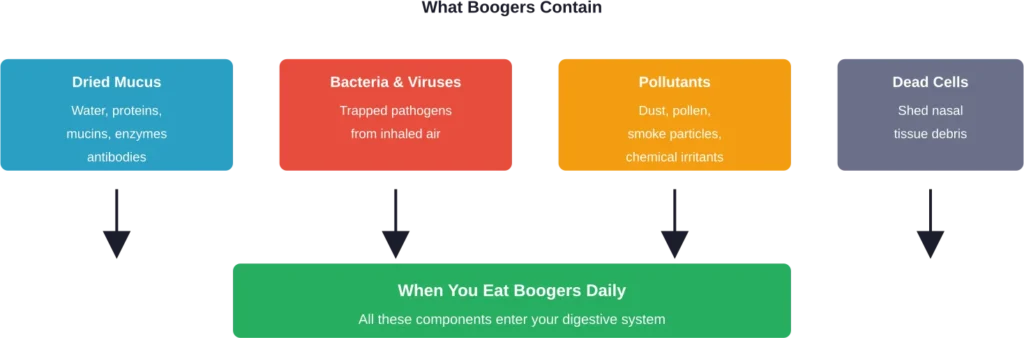
Boogers are dried nasal mucus mixed with trapped particles from the air. Mucus is a biological gel that lines internal surfaces not covered by skin, including the nose, lungs, stomach, and eyes.
The nasal passages produce mucus continuously to keep tissues moist and trap unwanted invaders. Dust, pollen, bacteria, viruses, and other airborne particles get caught in this sticky substance before they reach the lungs.
According to the CDC, bacteria like Mycoplasma pneumoniae and Streptococcus pneumoniae can cause respiratory tract infections. These microbes often enter through the nose, where mucus acts as the first line of defense.
When mucus dries out, it forms the crusty deposits known as boogers. The color and consistency vary based on hydration levels, environmental factors, and whether infection is present.
The Composition of Nasal Mucus
Mucus isn’t just water. It contains proteins, electrolytes, antibodies, and enzymes designed to neutralize threats. Glycoproteins called mucins make up about 80% of the total mass of mucus, creating a hydrated network that traps particles.
Here’s the problem: those trapped particles include everything your nose filtered out. Bacteria, viruses, allergens, pollutants, and debris all concentrate in nasal mucus.
The Myth About Immune System Benefits
Some suggest that eating boogers strengthens the immune system by exposing it to small amounts of pathogens. The theory sounds plausible—vaccines work on a similar principle.
However, no scientific evidence supports this claim. Medical experts and research institutions haven’t found benefits to consuming nasal mucus.
The immune system already encounters these pathogens through normal respiration. Mucus is designed to trap and remove threats, not reintroduce them through digestion.
Real Health Risks of Eating Boogers Daily
Here’s what actually happens when someone eats boogers everyday:
Increased Infection Risk
Boogers contain concentrated bacteria and viruses. While stomach acid kills many microbes, the transfer from fingers to mouth introduces pathogens to new entry points.
According to the CDC, bacteria like Streptococcus pneumoniae can cause serious infections. Pneumococcal disease symptoms typically appear 1-3 days after exposure and can lead to pneumonia, meningitis, and bloodstream infections.
The CDC also notes that Mycoplasma pneumoniae bacteria spread through respiratory droplets and can damage the respiratory tract lining. Eating boogers doesn’t eliminate these risks—it may increase exposure.
Gastrointestinal Distress
Regularly consuming dried mucus with trapped particles can irritate the digestive system. The concentrated bacteria, allergens, and pollutants weren’t meant to enter through the mouth.
Some people experience nausea, stomach discomfort, or other digestive issues from this habit.
Nasal Tissue Damage
The act of picking—which precedes eating—causes its own problems. Frequent nose picking can lead to:
- Nosebleeds from damaged blood vessels
- Infections in the nasal cavity
- Irritation and inflammation of nasal passages
- Increased susceptibility to colds and respiratory infections
- Scarring of nasal tissue over time
Damaged nasal passages become less effective at filtering air and protecting against pathogens.
Spreading Illness
Hands that pick noses and mouths touch other surfaces. This creates opportunities for cross-contamination and disease transmission.
The CDC emphasizes that respiratory infections spread through contact with contaminated surfaces. The pick-and-eat cycle increases these transmission pathways.
| Health Risk | Mechanism | Potential Consequences |
|---|---|---|
| Bacterial Infection | Pathogens from boogers enter mouth/GI tract | Respiratory infections, pneumonia, stomach illness |
| Viral Transmission | Viruses trapped in mucus gain new entry point | Colds, flu, other respiratory viruses |
| Nasal Damage | Repeated picking traumatizes tissue | Nosebleeds, infections, chronic irritation |
| Cross-Contamination | Hands transfer microbes to surfaces | Spread illness to others, reinfection |
| Digestive Issues | Foreign particles irritate GI system | Nausea, discomfort, inflammation |
Why Kids Eat Boogers More Often
Children explore the world through touch and taste. Nose picking and eating boogers represents normal developmental behavior in young kids.
Most children outgrow this habit as they develop social awareness and self-control. The behavior is developmentally normal in young children.
That said, the health risks apply equally to children. Parents should gently discourage the habit while teaching proper hygiene.
When Eating Boogers Signals a Disorder
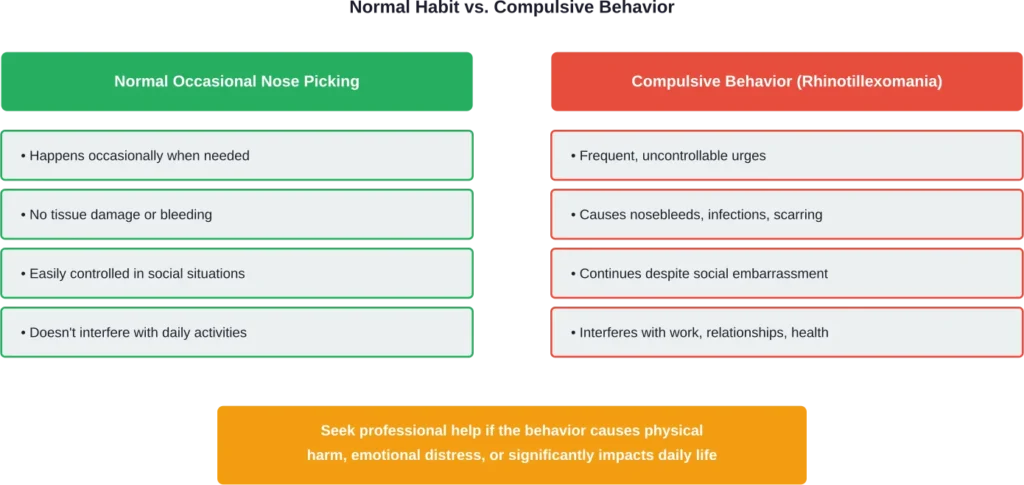
Occasional nose picking is common and not necessarily concerning. But compulsive behaviors that persist into adulthood or cause physical harm may indicate underlying issues.
Rhinotillexomania describes compulsive nose picking that damages nasal tissue. This condition goes beyond casual habit into obsessive-compulsive territory.
If the behavior causes injury, distress, or significantly impacts daily life, professional help may be needed.
How to Stop Eating Boogers
Breaking any habit requires awareness, substitution, and consistency. Here are practical strategies:
Keep Hands Busy
Idle hands wander to faces. Fidget toys, stress balls, or other hand activities redirect the impulse.
Address the Root Cause
Dry nasal passages produce more crusty buildup. Using a humidifier and saline nasal spray keeps mucus moist and comfortable, reducing the urge to pick.
Stay hydrated by drinking adequate water throughout the day.
Practice Awareness
Many people pick their nose unconsciously. Identifying triggers—boredom, stress, certain situations—helps interrupt the automatic behavior.
Keeping a brief log of when the urge strikes reveals patterns.
Replace the Habit
When the urge hits, substitute a different action. Take a drink of water, chew gum, or do a quick breathing exercise.
Use Barriers
Wearing gloves or bandages on fingers creates a physical reminder. This works particularly well for children or nighttime picking.
Seek Support
For persistent habits, cognitive behavioral therapy helps identify underlying triggers and develop coping strategies.
Better Alternatives for Nasal Health
Instead of picking and eating boogers, try these healthier approaches:
- Use saline nasal rinses to clear mucus gently
- Blow your nose with soft tissues when needed
- Apply petroleum jelly inside nostrils to prevent dryness
- Run a humidifier, especially during dry winter months
- Stay well-hydrated to keep mucus thin
- Wash hands frequently to prevent introducing new germs
These methods maintain nasal health without the risks associated with eating boogers.
Frequently Asked Questions
No scientific evidence supports this claim. While the theory sounds plausible, medical research hasn’t found immune benefits to consuming nasal mucus. The immune system already encounters these pathogens through normal breathing.
Children face the same health risks as adults—exposure to concentrated bacteria and viruses, potential infections, and nasal tissue damage from picking. While developmentally normal in young children, parents should gently discourage the habit and teach proper hygiene.
Swallowing post-nasal drip is normal and generally harmless because it travels directly to the stomach where acid neutralizes most pathogens. This differs from eating boogers, which involves picking with fingers that transfer additional germs and can damage nasal tissue.
Warning signs include frequent nosebleeds, visible nasal damage, infections, inability to stop despite wanting to, social or professional interference, and emotional distress about the behavior. Compulsive picking that causes physical harm may indicate rhinotillexomania requiring professional help.
Mucus contains electrolytes including sodium chloride (salt), which helps maintain proper viscosity and antimicrobial properties. The salty taste comes from these dissolved minerals that make mucus an effective barrier.
Regularly consuming dried mucus with trapped bacteria, allergens, and pollutants can irritate the digestive system. Some people experience nausea, discomfort, or inflammation. The concentrated particles weren’t meant to enter through the mouth and may cause gastrointestinal distress.
Gently blow your nose with soft tissues. For stubborn buildup, use saline nasal spray or rinses to loosen and clear mucus safely. These methods avoid tissue damage and don’t introduce hand bacteria into nasal passages.
The Bottom Line on Eating Boogers Everyday
Despite persistent myths about immune benefits, eating boogers daily poses real health risks without proven advantages. The practice exposes you to concentrated bacteria, viruses, and environmental pollutants that mucus successfully trapped.
Regular consumption can lead to infections, gastrointestinal issues, and increased illness transmission. The picking required to harvest boogers damages delicate nasal tissues, causing bleeding and creating entry points for new pathogens.
For children, gentle redirection and hygiene education work best. Adults struggling with compulsive picking should consider professional support to address underlying triggers.
The healthiest approach? Let mucus do its job of trapping unwanted particles, then remove it safely through nose-blowing and nasal rinses. Your nose—and everyone around you—will appreciate the change.