

Quick Summary: Eating cocaine is possible but extremely dangerous. When swallowed, cocaine absorbs slowly through the digestive system, producing delayed but potentially severe effects including cardiovascular complications, seizures, and overdose. This method of ingestion carries unpredictable risks and can lead to life-threatening medical emergencies requiring immediate attention.
Cocaine, a powerful stimulant derived from the coca plant (Erythroxylon coca), is most commonly associated with snorting or smoking. But can someone actually eat cocaine? The answer is yes, and it’s far more dangerous than many people realize.
According to the National Institute on Drug Abuse (NIDA), cocaine can be consumed through multiple routes including snorting, injecting, smoking, and oral ingestion. While eating cocaine is less common than other methods, it presents unique and unpredictable health risks.
Here’s the thing though—the way cocaine enters the body dramatically changes how it affects the brain and body. Understanding what happens when cocaine is swallowed could save a life.
How Cocaine Absorption Works Through Eating
When cocaine is swallowed, the drug travels through the digestive system rather than being rapidly absorbed through nasal tissues or lung membranes. This creates a fundamentally different experience compared to other consumption methods.
The cocaine must pass through the stomach and be absorbed through the intestinal lining before entering the bloodstream. This process takes considerably longer than snorting or smoking.
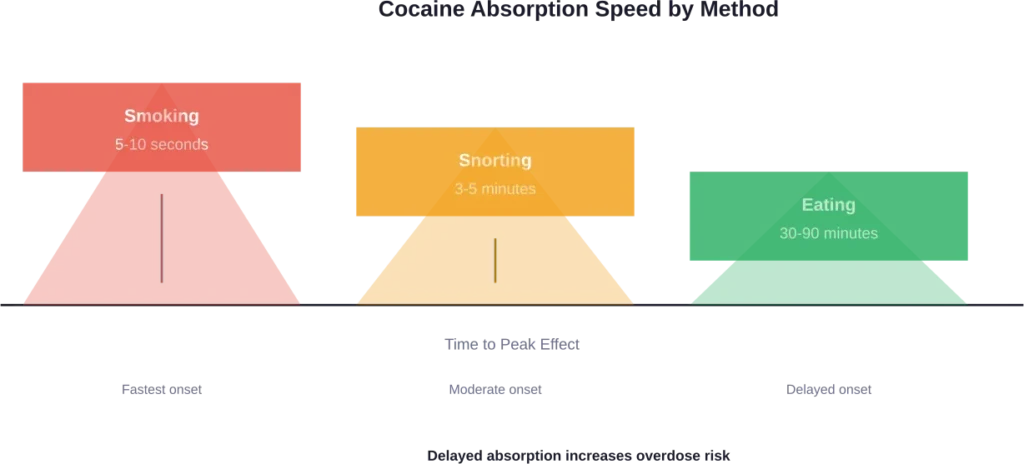
According to NIDA, snorting cocaine produces a relatively slow onset of the high, but it may last from 15 to 30 minutes. Smoking creates an almost immediate high that may last only 5 to 10 minutes. Eating cocaine typically produces effects within 30 to 90 minutes, with a variable duration that extends longer than smoking but may be comparable to or exceed snorting.
The slower absorption doesn’t make eating cocaine safer. In fact, it creates additional dangers because users can’t immediately gauge how much they’ve consumed or how strongly it will affect them.
Immediate Effects of Eating Cocaine
Once cocaine begins absorbing through the digestive tract, it acts as a powerful central nervous system stimulant. The drug prevents the reuptake of dopamine, norepinephrine, and serotonin in the brain, creating an accumulation of these neurotransmitters.
Initial effects may include:
- Increased energy and alertness
- Elevated mood or euphoria
- Heightened confidence
- Decreased appetite
- Increased heart rate and blood pressure
- Dilated pupils
- Elevated body temperature
But wait. These effects don’t appear immediately when cocaine is swallowed. The delay can range from 30 minutes to over an hour, depending on stomach contents and individual metabolism.
This lag creates a dangerous scenario. Someone might consume more cocaine thinking the first dose wasn’t effective, only to have multiple doses hit their system simultaneously later.
Dangerous Health Risks of Swallowing Cocaine
The health complications from eating cocaine extend far beyond the initial stimulant effects. Medical research published on PubMed highlights multiple severe complications associated with cocaine toxicity.
Cardiovascular Complications
Cocaine dramatically affects the cardiovascular system through catecholamine excess. The drug causes blood vessels to constrict while simultaneously increasing heart rate and blood pressure.
This combination can trigger:
- Heart attack (myocardial infarction)
- Stroke
- Arterial dissection
- Vascular thrombosis
- Sudden cardiac arrest
These complications can occur even in young, otherwise healthy individuals. The cardiovascular stress doesn’t require chronic use—a single ingestion can prove fatal.
Neurological Effects
Cocaine’s impact on the brain extends beyond dopamine manipulation. The drug can cause:
- Seizures
- Severe headaches
- Loss of consciousness
- Confusion or agitation
- Hallucinations
Seizures represent one of the most dangerous acute effects. They can occur without warning and may progress to status epilepticus, a life-threatening condition.
Kidney and Muscle Damage
Research documented in PubMed demonstrates that cocaine use is associated with rhabdomyolysis—the breakdown of muscle tissue that releases harmful proteins into the bloodstream.
This condition can lead to acute kidney injury as the kidneys struggle to filter the excess proteins. The combination of rhabdomyolysis and kidney damage creates a medical emergency requiring immediate intervention.
Gastrointestinal Damage
When cocaine sits in the stomach and intestines, it can cause direct tissue damage. The drug’s vasoconstrictive properties reduce blood flow to the digestive tract.
Reduced intestinal blood flow can result in:
- Severe abdominal pain
- Nausea and vomiting
- Bowel ischemia (tissue death)
- Intestinal perforation
These gastrointestinal complications may not appear immediately but can develop hours after ingestion.
| Body System | Acute Risks | Time to Onset |
|---|---|---|
| Cardiovascular | Heart attack, stroke, arterial dissection | 30 minutes to 2 hours |
| Neurological | Seizures, confusion, loss of consciousness | Variable, 30-90 minutes |
| Renal | Acute kidney injury, rhabdomyolysis | Several hours |
| Gastrointestinal | Bowel ischemia, perforation, severe pain | 1-6 hours |
Cocaine Overdose Risk When Eating
Overdose represents the most immediate life-threatening risk when swallowing cocaine. According to NIDA, adulteration of cocaine with highly potent fentanyl and related substances is a major contributor to the rising drug overdose deaths.
Symptoms of cocaine overdose include:
- Extremely elevated heart rate and blood pressure
- Chest pain
- Difficulty breathing
- Severe agitation or paranoia
- Tremors or seizures
- Hyperthermia (dangerously high body temperature)
- Loss of consciousness
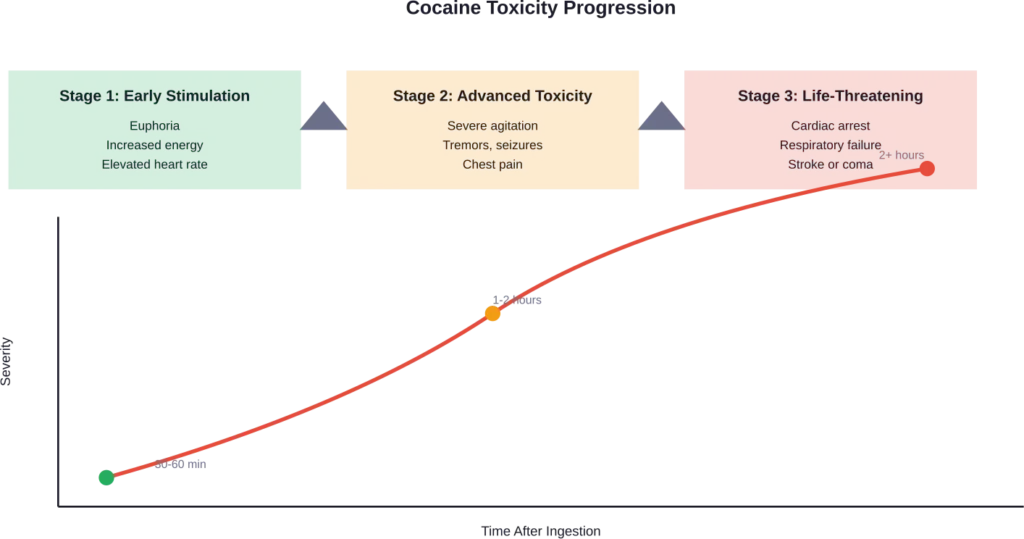
Real talk: cocaine overdose is a medical emergency. The progression through toxicity stages can happen rapidly once the drug reaches peak blood concentration.
The delayed absorption from eating cocaine creates unique overdose risks. Someone might consume what seems like a moderate amount, wait for effects, consume more, and end up with a lethal dose circulating simultaneously.
Why Someone Might Eat Cocaine
Understanding the contexts where cocaine ingestion occurs helps identify high-risk situations.
Body Packing and Body Stuffing
The most dangerous form of cocaine ingestion involves swallowing packages of the drug, either for smuggling (body packing) or to avoid detection by law enforcement (body stuffing).
If these packages rupture inside the digestive system, massive amounts of cocaine enter the bloodstream rapidly. This creates an almost invariably fatal overdose scenario requiring emergency surgery.
Intentional Consumption
Some people deliberately eat cocaine seeking a milder or longer-lasting high. This practice stems from misconceptions about oral ingestion being safer than other methods.
The reality contradicts this belief. While the onset may be slower, the unpredictability and potential for serious complications make eating cocaine extremely dangerous.
Gum Rubbing
Rubbing cocaine into the gums represents a related form of oral consumption. The drug absorbs through the mucous membranes in the mouth, creating effects faster than swallowing but still involving oral tissues.
This method can cause severe damage to gum tissue and teeth while still carrying overdose risks.
What to Do If Someone Has Eaten Cocaine
If someone has swallowed cocaine, immediate action is critical. Time matters significantly in these situations.
Call emergency services immediately (911 in the United States). Do not wait to see if symptoms develop.
While waiting for emergency responders:
- Keep the person calm and still to reduce cardiovascular stress
- Monitor vital signs if possible (breathing, consciousness level)
- Do not induce vomiting—this can cause additional complications
- Provide information to emergency responders about what was consumed and when
- If the person loses consciousness but is breathing, place them in the recovery position
- If the person stops breathing, begin CPR if trained to do so
Medical professionals may use activated charcoal to prevent further absorption if the person presents soon after ingestion. Other treatments address specific symptoms and complications as they arise.
Long-Term Consequences and Addiction
Beyond the immediate risks, cocaine consumption by any method can lead to cocaine use disorder—a serious addiction recognized by medical professionals.
According to NIDA, cocaine is highly addictive. The drug’s effect on the brain’s reward system creates powerful cravings and compulsive use patterns.
Chronic cocaine use leads to:
- Permanent cardiovascular damage
- Cognitive impairment and memory problems
- Movement disorders including Parkinson’s-like symptoms
- Severe weight loss and malnutrition
- Mental health complications including anxiety, paranoia, and psychosis
The method of consumption doesn’t protect against addiction. Whether snorted, smoked, or eaten, cocaine carries significant addiction potential.
Treatment Options for Cocaine Addiction
Recovery from cocaine addiction is possible with appropriate treatment. Multiple evidence-based approaches exist for addressing cocaine use disorder.
Behavioral Therapies
Cognitive-behavioral therapy (CBT) helps people identify triggers, develop coping strategies, and modify thought patterns related to drug use. This approach has demonstrated effectiveness in treating cocaine addiction.
Contingency management provides tangible rewards for maintaining abstinence, reinforcing positive behavioral changes through the recovery process.
Treatment Programs
Residential treatment programs offer intensive, structured environments away from triggers and drug access. These programs typically combine behavioral therapy, group support, and medical monitoring.
Outpatient programs allow people to maintain work and family commitments while receiving regular counseling and support. The appropriate level of care depends on individual circumstances and addiction severity.
Support Systems
Support groups connect people in recovery with others facing similar challenges. Community support provides accountability, encouragement, and practical strategies for maintaining sobriety.
Family involvement often strengthens treatment outcomes. Educated, supportive family members can reinforce recovery efforts and recognize warning signs of potential relapse.
Frequently Asked Questions
Yes, eating cocaine can produce a high, but the effects are delayed compared to snorting or smoking. The onset typically occurs 30 to 90 minutes after consumption, and the unpredictable absorption makes this method particularly dangerous.
No, eating cocaine is not safer than other consumption methods. While absorption is slower, this creates unique dangers including unpredictable effects, increased overdose risk from consuming multiple doses, and potential gastrointestinal damage. All methods of cocaine use carry serious health risks.
Call emergency services immediately. Body stuffing or body packing creates an extreme medical emergency. If the package ruptures, massive amounts of cocaine can enter the bloodstream rapidly, causing almost certain fatal overdose without emergency medical intervention including possible surgery.
Detection times vary based on dosage, frequency of use, metabolism, and testing method.
Signs include delayed onset of stimulant effects such as elevated heart rate, dilated pupils, increased energy or agitation, elevated body temperature, and excessive sweating. Severe symptoms include chest pain, difficulty breathing, seizures, severe confusion, or loss of consciousness—all requiring immediate emergency medical attention.
Survival depends on the amount consumed, individual health factors, and speed of medical intervention. Small amounts may cause significant distress without fatality, but larger doses can trigger heart attack, stroke, seizures, or other life-threatening complications. Any cocaine ingestion requires medical evaluation.
No, the consumption method does not significantly affect addiction potential. Cocaine is highly addictive regardless of how it enters the body. According to NIDA, cocaine creates powerful changes in the brain’s reward system that drive compulsive use and addiction development with any route of administration.
Conclusion
Eating cocaine represents a dangerous form of drug consumption with unpredictable and potentially fatal consequences. The delayed absorption creates unique risks including overdose from consuming multiple doses and severe complications affecting the cardiovascular, neurological, and gastrointestinal systems.
Medical research consistently demonstrates that cocaine toxicity can progress rapidly once the drug reaches peak blood concentration, regardless of consumption method. The stimulant effects on the heart and brain can trigger life-threatening emergencies even in otherwise healthy individuals.
If someone has swallowed cocaine, immediate medical attention is critical. Don’t wait for symptoms to appear—call emergency services right away.
For those struggling with cocaine use, effective treatment options exist. Behavioral therapies, structured treatment programs, and community support can help people achieve and maintain recovery from cocaine addiction. Reaching out for help represents the first step toward a healthier future.