
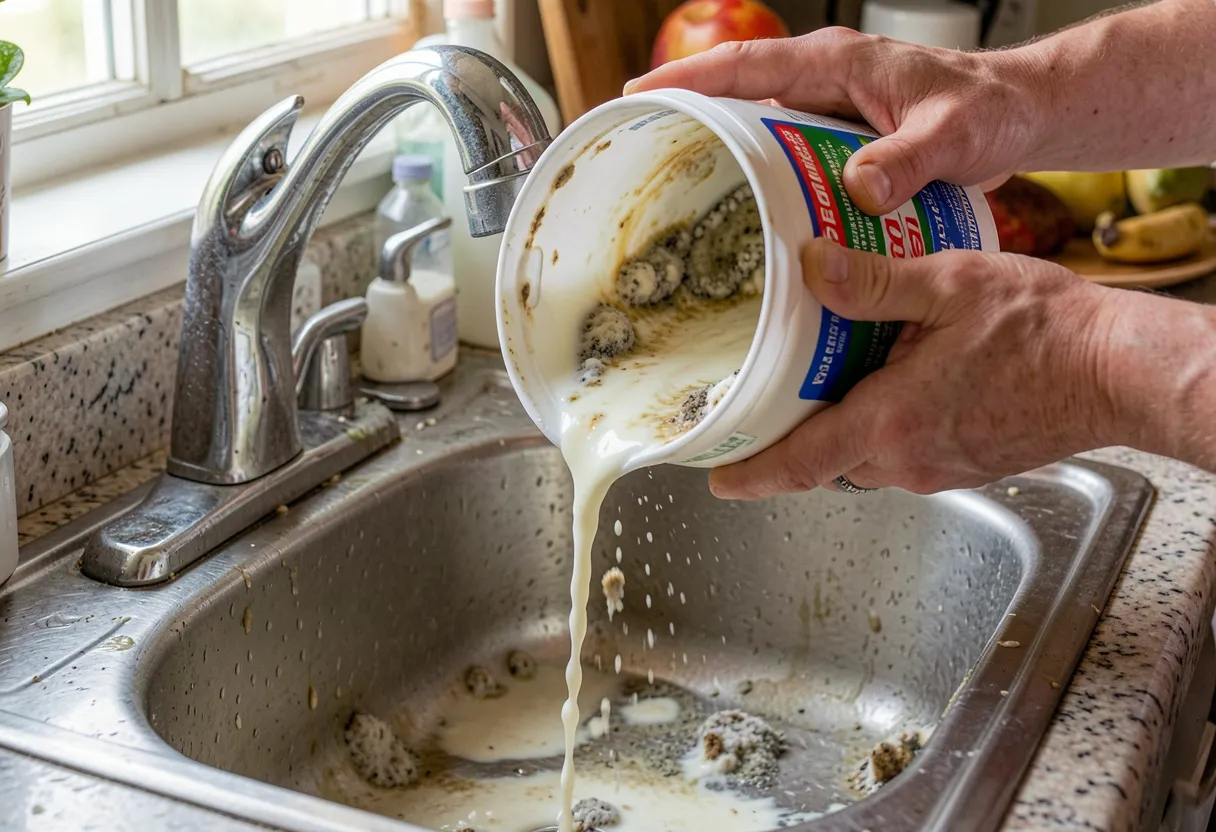
Quick Summary: Eating expired yogurt doesn’t automatically make you sick. Most yogurt remains safe 1-3 weeks past its date if unopened and refrigerated, though quality declines. Check for mold, off-smell, or curdled texture before consuming. If contaminated, symptoms of food poisoning typically appear 1-6 hours after eating, but most healthy adults recover within 24-48 hours without medical intervention.
You open your fridge, spot that yogurt container pushed to the back, and notice the date stamped on top was two weeks ago. Should you toss it or risk a taste?
This scenario plays out in kitchens everywhere. According to the USDA, an estimated 30 percent of the food supply is lost or wasted at the retail and consumer levels, and confusion about date labels drives much of this waste.
But here’s the thing: yogurt expiration dates don’t work the way most people think. The date on your container isn’t a hard safety deadline.
Understanding what actually happens when you eat expired yogurt requires looking at how yogurt is made, what those dates really mean, and when dairy products cross from perfectly safe to genuinely risky.
Understanding Yogurt Expiration Dates
The date printed on yogurt containers causes more confusion than clarity. Most labels show “Best if Used By” or “Best Before” dates, not expiration dates in the traditional sense.
These dates indicate peak quality, not safety. The manufacturer is essentially saying “this product tastes best before this date.” After that point, texture might change, flavor could diminish, or separation might occur more readily.
The FDA issued a final order on April 13, 2023 to amend yogurt standards to require products to have a pH of 4.6 or lower, effective April 14, 2023, with compliance date January 1, 2024. This acidity is precisely what gives yogurt its preservation qualities and tangy taste.
That low pH environment makes yogurt naturally inhospitable to many harmful bacteria. The bacterial cultures required for producing yogurt are Streptococcus thermophilus and Lactobacillus bulgaricus, and about 80 percent of yogurt manufactured in the U.S. contains additional Lactobacillus acidophilus.
These beneficial bacteria don’t suddenly die on the printed date. They continue living, which is why yogurt often develops a more sour taste as it ages.
What Date Labels Actually Mean
The USDA clarifies that manufacturers determine these dates based on product testing. They’re quality indicators, not federally mandated safety deadlines for most products.
So when does yogurt actually become unsafe?
That depends entirely on storage conditions and whether contamination has occurred, not on the calendar date printed on the lid.

Can You Eat Expired Yogurt Safely?
The short answer? Often, yes.
Unopened yogurt stored continuously at proper refrigeration temperatures typically remains safe for one to three weeks past the printed date. Opened yogurt has a shorter window, usually five to seven days beyond the date if handled properly.
But these timeframes assume ideal conditions. According to the CDC, keeping food safely cold means maintaining temperatures at 40°F or below. The refrigerator will keep food cold for about four hours if unopened during a power outage.
Temperature abuse is where things go wrong. If yogurt sits at room temperature for more than two hours, harmful bacteria can multiply rapidly.
How Yogurt Resists Contamination
Yogurt has built-in defenses that many foods lack. The live bacterial cultures create an acidic environment that inhibits pathogen growth. Research published in Foods examined Listeria monocytogenes and enterohemorrhagic Escherichia coli in yogurt, noting that while these pathogens can survive in refrigerated yogurt, the acidic pH creates an inhospitable environment.
This doesn’t mean yogurt is invincible. Contamination can still occur through:
- Using dirty spoons or utensils
- Leaving the container open to airborne contaminants
- Manufacturing defects (rare but documented)
- Temperature fluctuations breaking the cold chain
Between 2000 and 2020, at least 12 yogurt-associated outbreaks were reported to CDC’s National Outbreak Reporting System (NORS), causing 145 illnesses, 22 hospitalizations, and no deaths. These numbers are relatively small compared to other food categories, demonstrating yogurt’s generally strong safety record.
Signs Your Yogurt Has Gone Bad
Forget the date for a moment. Your senses provide better safety information than any printed label.
Here’s what to check:
Visual Inspection
Mold is an automatic disqualification. Any fuzzy spots, unusual colors (pink, green, black), or surface growth means the entire container goes in the trash.
Don’t just scoop off the visible mold. Fungal roots penetrate deeper than what you see on the surface. Research has documented Mucor circinelloides contamination in yogurt as a potential food safety concern, demonstrating that fungal contamination in yogurt can be serious.
Excessive liquid separation isn’t necessarily dangerous, though. Some watery whey on top is normal and can be stirred back in. But if the texture looks curdled or chunky throughout, that’s a warning sign.
Smell Test
Fresh yogurt has a clean, mildly tangy aroma. Spoiled yogurt smells distinctly unpleasant: sour in a wrong way, yeasty, or outright rancid.
Trust your nose. Humans evolved to detect spoilage through smell for good reason.
Taste (If It Passes Other Tests)
If yogurt looks fine and smells fine, a tiny taste can be the final check. Excessively sour, bitter, or off-flavors indicate quality has degraded too far.
Even if not dangerous, yogurt that tastes bad isn’t worth eating.
| Sign | Safe to Eat | Discard Immediately |
|---|---|---|
| Slight liquid separation | ✓ | |
| Stronger tangy smell | ✓ | |
| Any visible mold | ✓ | |
| Pink, green, or black discoloration | ✓ | |
| Rancid or yeasty odor | ✓ | |
| Curdled, lumpy texture | ✓ | |
| Container swollen or bulging | ✓ |
What Happens If You Eat Spoiled Yogurt
Now for the scenario everyone worries about: you ate yogurt that was actually contaminated. What happens next?
The experience varies dramatically based on several factors: the type of pathogen, the bacterial load, and your individual health status.
Timeline of Food Poisoning Symptoms
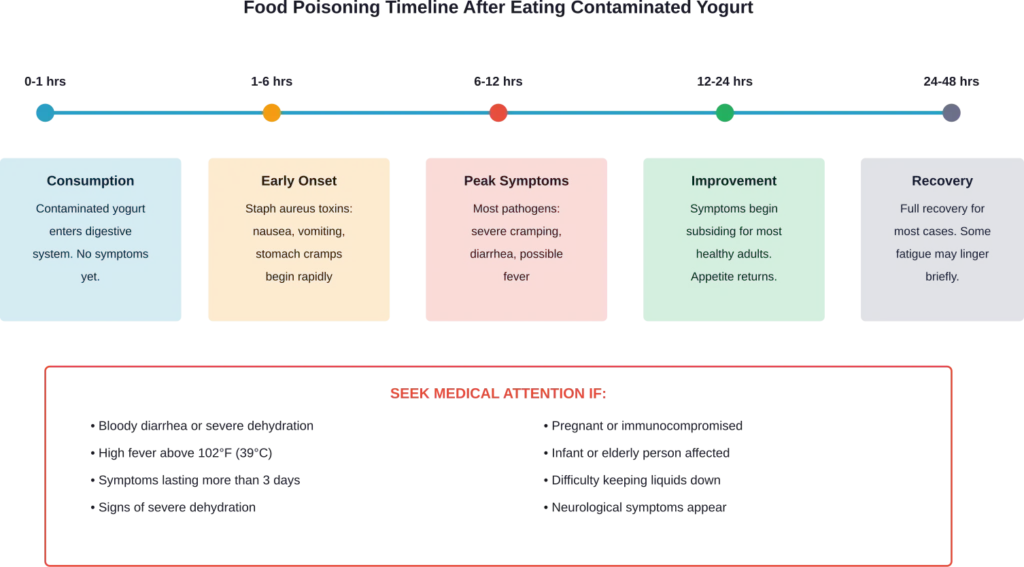
According to an emergency room physician at University of Utah Health, food poisoning generally takes about six hours to take effect. However, symptoms can appear anywhere from four hours to several days after consumption, depending on the pathogen involved.
Most yogurt-related illness comes from common foodborne bacteria like Staphylococcus aureus, Salmonella, or E. coli. Each has its own timeline:
Staphylococcus aureus: This bacterium produces toxins that cause rapid-onset symptoms, typically within 1-6 hours. The CDC estimates that there are over 240,000 cases of Staph aureus based on corrections for underreporting, misdiagnosis, and cases not caused by contaminated food. Symptoms include nausea, vomiting, stomach cramps, and sometimes diarrhea.
Salmonella: Symptoms usually develop 6-48 hours after exposure, with diarrhea, fever, and abdominal cramps lasting 4-7 days.
E. coli: Particularly the enterohemorrhagic strains, symptoms appear 3-4 days after consumption and can include severe stomach cramps, diarrhea (often bloody), and vomiting.
Common Symptoms to Expect
Food poisoning from contaminated yogurt typically presents with:
- Nausea and vomiting
- Diarrhea (sometimes bloody)
- Stomach cramps and abdominal pain
- Fever and chills
- Headache
- Overall weakness and fatigue
For most healthy adults, these symptoms resolve within 24-48 hours without medical intervention. The body clears the infection naturally through its immune response.
Online discussions reveal varied experiences in how people respond to expired yogurt consumption. This variability reflects differences in storage conditions, contamination levels, and individual immune responses.
Who’s at Higher Risk
Certain groups face greater danger from foodborne pathogens:
- Young children and infants
- Pregnant women
- Adults over 65
- People with compromised immune systems
- Those with chronic illnesses like kidney disease or diabetes
For these vulnerable populations, even minor foodborne illness can escalate quickly. Research in the EFSA Journal notes that quantitative modelling suggests more than 90 percent of invasive listeriosis is caused by ingestion of ready-to-eat food containing more than 2,000 colony-forming units per gram.
When to Seek Medical Help
Most cases of food poisoning resolve without medical intervention. But certain red flags demand immediate attention:
- Symptoms lasting longer than 48-72 hours
- High fever above 102°F (39°C)
- Blood in stool or vomit
- Signs of severe dehydration (dizziness, decreased urination, extreme thirst)
- Difficulty keeping liquids down for 24 hours
- Neurological symptoms like blurred vision or muscle weakness
According to Michigan State University Extension, individual susceptibility to foodborne illness varies significantly. Factors like stomach acid levels, gut microbiome composition, and immune system strength all influence whether someone gets sick from contaminated food.
This explains why two people eating the same expired yogurt might have completely different experiences.
How to Safely Consume Yogurt Past Its Date
If you’re determined to not waste that yogurt, follow these guidelines to minimize risk:
Storage Is Everything
The CDC emphasizes proper refrigeration as critical for preventing food poisoning. Keep yogurt at 40°F or below at all times. Store it on a refrigerator shelf, not in the door where temperature fluctuates more.
During power outages, the refrigerator keeps food safely cold for about four hours if unopened. After that window, safety becomes questionable.
Prevent Cross-Contamination
Always use clean utensils when scooping yogurt. Never eat directly from the container unless you plan to finish it immediately. Introducing saliva and bacteria from your mouth accelerates spoilage.
Keep yogurt containers sealed tightly between uses. Exposure to air introduces additional microorganisms.
The Sensory Check Protocol
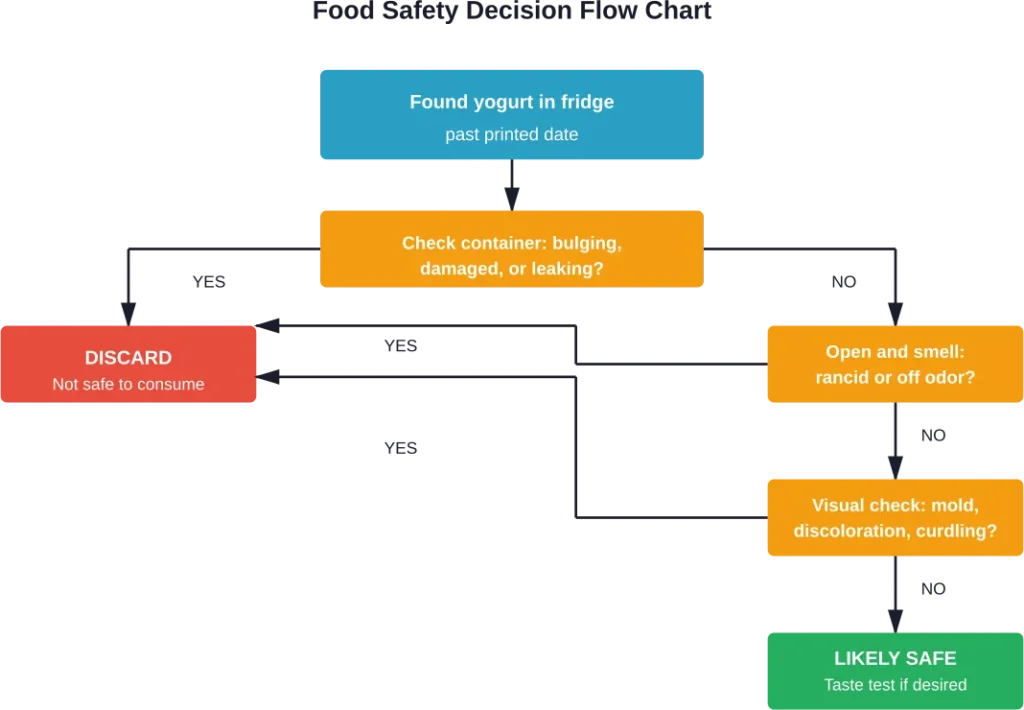
Before consuming yogurt past its date:
- Examine the container for bulging or damage
- Open and immediately smell the yogurt
- Look for any discoloration or mold
- Check texture for excessive curdling
- If all checks pass, taste a small amount
When in doubt, throw it out. No amount of money saved justifies the misery of food poisoning.
Cooking Can Help (Sometimes)
Using slightly expired yogurt in cooked dishes like baked goods adds a margin of safety. Heat kills many pathogens, though it won’t eliminate all toxins if contamination is severe.
This doesn’t mean you should use visibly spoiled yogurt in recipes. But yogurt a week past its date with no spoilage signs can safely go into muffins, smoothies, or marinades that get cooked.
Different Types of Yogurt and Their Shelf Life
Not all yogurt behaves identically. Different varieties have varying shelf lives and safety profiles.
Regular vs. Greek Yogurt
Greek yogurt undergoes straining to remove whey, creating a thicker product with less moisture. This can slightly extend shelf life compared to regular yogurt, but the difference is minimal when properly refrigerated.
Both types follow similar safety timelines: 1-3 weeks past the date if unopened, about a week if opened.
Yogurt with Fruit and Mix-ins
Yogurt containing fruit pieces, granola, or other additions typically has a shorter safe consumption window. These ingredients can introduce additional bacteria and reduce the overall acidity that preserves plain yogurt.
Treat fruit-on-bottom or pre-mixed varieties more conservatively. Stick closer to the printed date with these products.
Frozen Yogurt
Frozen yogurt maintains safety much longer than refrigerated varieties. A full freezer holds safe temperatures for approximately 48 hours during a power outage according to the USDA, and properly frozen yogurt can last several months.
Freezing doesn’t kill bacteria but halts their growth. Quality degrades over time as ice crystals form, but safety remains intact far longer than with refrigerated products.
Plant-Based Yogurt Alternatives
Coconut, almond, soy, and oat-based yogurts follow different rules. These products often lack the protective bacterial cultures of dairy yogurt and may spoil faster.
Check manufacturer guidelines specifically, as formulations vary widely across brands.
| Yogurt Type | Unopened Past Date | Opened Past Date | Notes |
|---|---|---|---|
| Plain dairy yogurt | 1-3 weeks | 5-7 days | Most stable variety |
| Greek yogurt | 1-3 weeks | 5-7 days | Slightly longer due to straining |
| Fruit yogurt | 1-2 weeks | 3-5 days | Fruit reduces shelf life |
| Drinkable yogurt | 1 week | 2-3 days | Higher moisture content |
| Plant-based yogurt | Varies | 3-5 days | Check manufacturer specs |
The Science of Why Some People Get Sick and Others Don’t
Ever notice how one person eats questionable food and feels fine while another gets violently ill from the same meal? This isn’t random luck.
Individual resistance to foodborne illness depends on multiple biological factors:
Stomach Acid Levels
Gastric acid serves as the body’s first defense against ingested pathogens. People with naturally higher stomach acidity kill more bacteria before they reach the intestines.
Medications like proton pump inhibitors that reduce stomach acid can increase vulnerability to foodborne illness.
Gut Microbiome Composition
The beneficial bacteria colonizing your digestive tract compete with harmful invaders for resources and space. A diverse, healthy gut microbiome provides stronger protection against pathogens.
People who regularly consume fermented foods often have more robust gut flora, potentially offering better defense against contaminated dairy products.
Immune System Status
Recent illness, chronic conditions, medications, and age all affect immune function. Someone recovering from the flu has weakened defenses compared to someone in peak health.
This explains why foodborne illness often hits harder during cold and flu season or periods of high stress.
Bacterial Load Matters
The dose makes the poison. Consuming a small amount of contaminated yogurt might cause no symptoms, while eating the entire container could trigger severe illness.
Pathogen concentration varies throughout a yogurt container. Surface contamination might be localized to the top layer while the rest remains safe.
Reducing Food Waste While Staying Safe
The USDA estimates 30 percent of food waste stems from confusion about date labels. That represents both economic loss and environmental impact.
Smart strategies can minimize waste without compromising safety:
Buy What You’ll Actually Use
Resist bulk deals on yogurt unless you genuinely consume that volume regularly. Individual portions often make more sense for sporadic consumers.
Practice FIFO (First In, First Out)
When adding new yogurt to your fridge, move older containers to the front. This simple habit ensures you consume products in the right order.
Freeze Before Spoiling
If yogurt approaches its date and you won’t finish it, freeze it for smoothies or baking. Texture changes make frozen-then-thawed yogurt unsuitable for eating plain, but it works perfectly in blended or cooked applications.
Understand Date Label Language
“Best By” indicates peak quality. “Use By” suggests the last date for best quality. “Sell By” tells retailers when to rotate stock. None of these are federally mandated safety deadlines for yogurt.
Only infant formula has federally regulated expiration dates that carry safety implications.
Frequently Asked Questions
If contaminated yogurt causes food poisoning, symptoms typically appear 1-6 hours after consumption for toxin-producing bacteria like Staphylococcus aureus. Other pathogens like Salmonella or E. coli may take 6-48 hours or longer to cause symptoms. Most healthy adults experience symptoms within 6-12 hours and recover within 24-48 hours without medical treatment.
Unopened yogurt stored continuously at proper refrigeration temperatures often remains safe 1-3 weeks past the printed date. The date indicates peak quality, not safety. Perform sensory checks: look for mold, smell for off odors, and check texture. If yogurt passes these tests, it’s generally safe to consume. Opened yogurt has a shorter window of 5-7 days past the date.
The first noticeable signs include excessive liquid separation beyond normal whey, a stronger or unpleasant sour smell, slight discoloration, or changes in texture. Definitive spoilage signs include visible mold (any color), pink or green discoloration, rancid or yeasty odor, curdled or lumpy texture, and container bulging. Any visible mold means the entire container should be discarded.
Greek yogurt may last slightly longer than regular yogurt due to its straining process that removes whey and reduces moisture content. However, the difference is minimal when both are properly refrigerated. Both varieties typically remain safe 1-3 weeks past the printed date if unopened and stored correctly. The same sensory evaluation methods apply to both types.
While rare, it’s theoretically possible. Some pathogenic bacteria don’t produce noticeable odors in early stages of contamination. However, yogurt’s acidic environment (pH 4.6 or lower) inhibits most harmful bacteria. The vast majority of dangerous yogurt will exhibit clear sensory warnings. If yogurt looks, smells, and tastes normal, and has been stored properly, the risk is extremely low.
Yes, freezing yogurt is safe and significantly extends shelf life to several months. Freezing halts bacterial growth without killing bacteria. The main drawback is texture change—frozen-then-thawed yogurt becomes grainy and separates, making it unsuitable for eating plain. However, it works perfectly in smoothies, baking, and cooked dishes. Freeze yogurt in portion-sized containers for convenience.
Stay hydrated by drinking water or electrolyte solutions. Monitor for symptoms like nausea, vomiting, diarrhea, or fever over the next 6-48 hours. Most cases resolve without treatment within 24-48 hours. Seek medical attention if you experience bloody diarrhea, high fever above 102°F, symptoms lasting more than 3 days, severe dehydration, or if you’re pregnant, elderly, or immunocompromised.
The Bottom Line on Expired Yogurt
Eating yogurt past its printed date isn’t the food safety crisis many assume. The dates on dairy products indicate quality peaks, not safety cliffs.
Yogurt’s acidic environment and beneficial bacterial cultures provide natural preservation that extends well beyond manufacturer dating. Unopened yogurt properly stored at refrigeration temperatures typically remains safe for weeks past the printed date.
But safety depends entirely on storage conditions and whether contamination has occurred. Temperature abuse, poor handling, or manufacturing defects can create genuine risks regardless of the calendar date.
Trust your senses more than the date stamp. Mold, off odors, unusual discoloration, or curdled texture all signal danger. When yogurt passes visual, smell, and taste tests, it’s generally safe to consume.
For vulnerable populations—young children, pregnant women, elderly adults, and immunocompromised individuals—exercise greater caution. The consequences of foodborne illness hit these groups harder.
Most cases of food poisoning from contaminated yogurt cause temporary discomfort that resolves within 24-48 hours. Serious complications are rare but do occur, particularly with pathogens like Listeria monocytogenes.
The key takeaway? Expired yogurt isn’t automatically dangerous, but it requires informed evaluation. Check storage history, perform sensory tests, and when doubt exists, choose the safer option.
Reducing food waste matters for environmental and economic reasons. Understanding the difference between quality dates and safety limits helps accomplish that goal without unnecessary risk.
Keep your refrigerator at 40°F or below, use clean utensils, store yogurt properly, and trust your senses. Following these principles allows you to safely extend yogurt consumption beyond printed dates while avoiding genuine food safety hazards.