
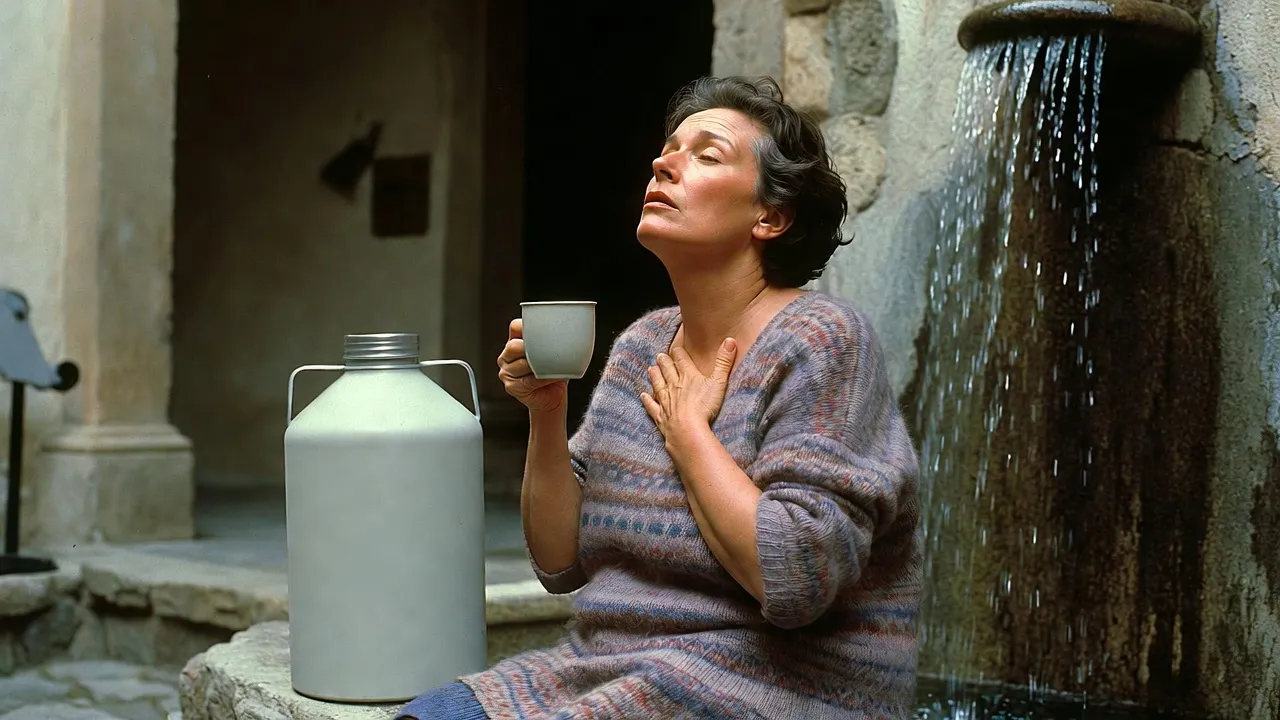
Quick Summary: Drinking holy water is not forbidden by Catholic doctrine and generally won’t cause harm if the water is clean. However, studies have found that holy water in church fonts often contains bacteria and pathogens from contamination, making it potentially unsafe to drink. If you choose to drink blessed water, ensure it comes from a sealed, clean source rather than communal fonts.
The question of drinking holy water sits at an interesting crossroads between religious practice and public health. While millions of people around the world use blessed water for spiritual purposes, consuming it raises legitimate safety concerns that deserve attention.
Let’s look at what actually happens when someone drinks holy water, what the science says about contamination risks, and what religious authorities teach about this practice.
Is It Okay to Drink Holy Water According to the Church?
From a theological standpoint, there’s no prohibition against drinking holy water. The Catholic Church and Orthodox traditions don’t forbid the consumption of blessed water.
According to the Lincoln Diocese Register, holy water is a sacramental intended primarily for blessing oneself and sacred objects. But drinking it isn’t considered sinful or improper. The spiritual significance comes from the blessing itself, not from any specific method of use.
Some traditions actually encourage drinking small amounts of blessed water for spiritual benefits. In Orthodox Christianity, believers sometimes consume blessed water, particularly during certain feast days.
That said, church authorities emphasize that holy water isn’t medicine or a health product. The benefits are spiritual, not physical.
The Contamination Problem: What Science Reveals
Here’s where things get concerning. Multiple scientific studies have found that holy water in church fonts often contains harmful bacteria.
An Austrian study published in 2013 found that 86 percent of holy water samples were contaminated (containing bacteria including E. coli). The research tested water from fonts in Vienna and discovered elevated levels of bacteria including E. coli and enterococci.
According to the CDC, at least 1.1 million people in the United States get sick every year from germs in drinking water. While this statistic applies to tap water generally, it underscores how easily water becomes contaminated with pathogens.
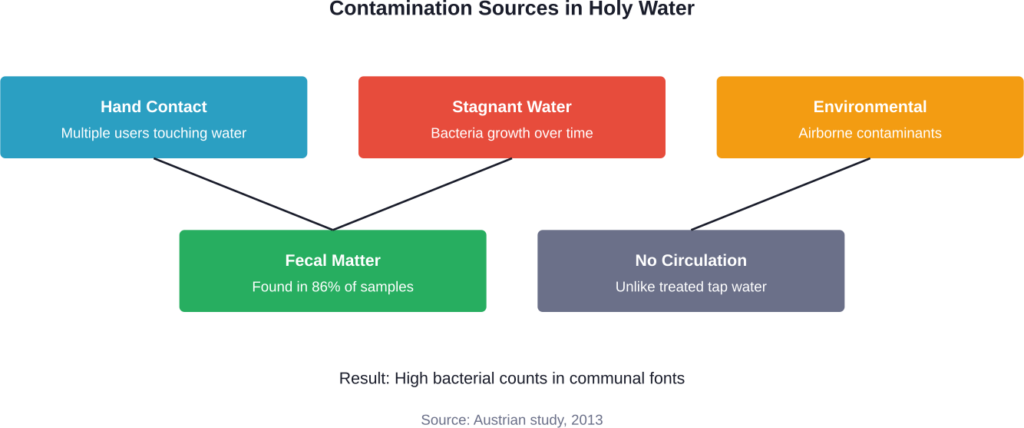
The problem stems from how holy water is stored and accessed. Church fonts are open containers where countless hands dip throughout the day. There’s no filtration, no circulation, and water often sits for extended periods.
Documented Health Risks and Outbreak Cases
Beyond laboratory findings, real-world illness outbreaks have been linked to contaminated holy water.
Between January and February 2025, public health agencies in Germany and the United Kingdom reported cases of cholera associated with consumption of holy water from Ethiopia. According to a report published in Euro Surveillance, these were domestically acquired cases in Europe linked directly to blessed water.
A separate study documented in the journal IDCases described a case of Elizabethkingia pneumonia and bacteremia in an immunocompromised patient potentially linked to holy water exposure. Elizabethkingia species are bacteria found predominantly in water and soil.
Research published in PLoS One examined a cholera outbreak in Addis Ababa, Ethiopia, where consumption of contaminated holy water showed a significantly elevated risk factor with an adjusted odds ratio of 20.5.
| Pathogen Type | Health Effects | Found in Holy Water |
|---|---|---|
| E. coli | Diarrhea, stomach cramps, vomiting | Yes (Austrian study) |
| Enterococci | Urinary tract infections, bacteremia | Yes (Austrian study) |
| Vibrio cholerae | Severe diarrhea, dehydration | Yes (Ethiopia outbreaks) |
| Elizabethkingia | Pneumonia, bloodstream infections | Yes (case reports) |
| Campylobacter | Gastroenteritis | Documented in water sources |
What Actually Happens When You Drink It
So what happens if someone drinks holy water? The outcome depends entirely on the water’s condition.
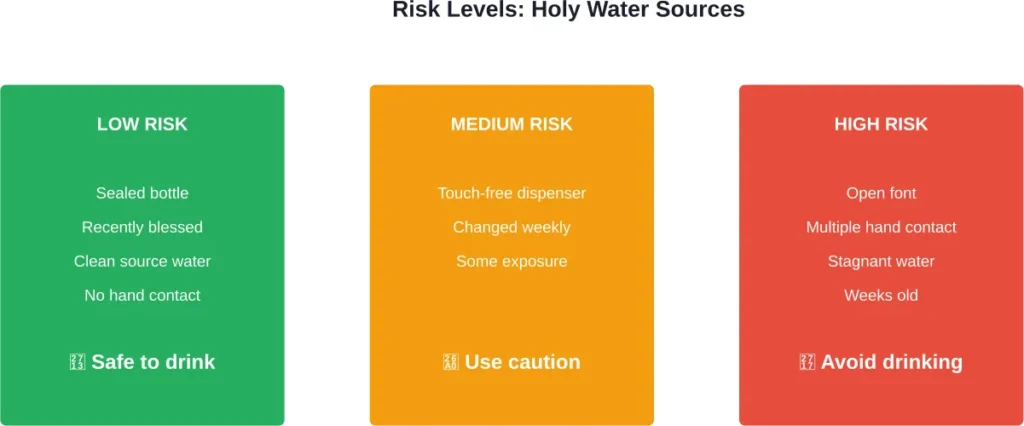
If the blessed water comes from a clean, sealed bottle that was recently filled from a treated water source, drinking it poses no more risk than drinking regular tap water. According to the EPA, public tap water in the United States is regulated and usually safe to drink, though the CDC estimates at least 1.1 million people get sick yearly from germs in drinking water.
But if the water comes from a communal church font, the risk increases significantly. Depending on bacterial content, someone might experience:
- No symptoms at all (if bacterial levels are low or the person has strong immunity)
- Mild gastrointestinal upset (nausea, stomach discomfort)
- Diarrhea and vomiting (from pathogenic bacteria)
- Serious infection (particularly for immunocompromised individuals)
The CDC notes that people with weakened immune systems, pregnant women, young children, and elderly individuals face higher risks from waterborne pathogens.
Safe Practices for Blessed Water
If someone wants to consume blessed water for devotional reasons, safer alternatives exist.
Many Catholics request priests to bless bottled water specifically for home use. This water remains sealed and uncontaminated by multiple users. The blessing transforms ordinary clean water into holy water without the contamination risks of communal fonts.
Some churches provide holy water dispensers that minimize hand contact. These reduce but don’t eliminate contamination risks.
For external blessing purposes (making the sign of the cross), the contamination risk remains minimal since the water only briefly touches skin rather than being ingested.
Frequently Asked Questions
No, drinking holy water is not considered a sin in Catholic or Orthodox traditions. The Church doesn’t forbid consuming blessed water, though it’s intended primarily for blessing purposes rather than drinking.
Yes, holy water from communal church fonts can make people sick due to bacterial contamination. Studies have found harmful pathogens including E. coli and even cholera in holy water samples. The risk depends on the water’s source and storage conditions.
No, the religious blessing of water does not kill bacteria or purify water in a physical sense. Blessed water can still contain pathogens just like any untreated water. The blessing has spiritual significance but doesn’t sterilize the water.
According to Catholic teaching, water remains blessed indefinitely once it has been consecrated. However, if blessed water becomes significantly contaminated or mixed with non-blessed water, it may lose its status as a sacramental.
If someone drinks a small amount of holy water from a font and has a healthy immune system, they’ll likely be fine. Monitor for symptoms like nausea, diarrhea, or vomiting over the next 24-48 hours. Contact a healthcare provider if symptoms develop, especially for immunocompromised individuals.
Yes, many priests will gladly bless bottled water for home use. This provides clean, blessed water without contamination risks. Simply bring a sealed bottle of clean water and request a blessing.
No, holy water from church fonts is generally less safe than tap water. According to the EPA and CDC, public tap water in the United States is regulated and treated to remove pathogens. Holy water in fonts receives no such treatment and often contains elevated bacterial levels.
The Bottom Line on Drinking Holy Water
Drinking holy water isn’t spiritually problematic, but it carries real health risks depending on the source. The blessing itself doesn’t purify water or eliminate bacteria.
For devotional purposes, request individually blessed bottled water rather than consuming water from communal fonts. This preserves both the spiritual intention and physical safety.
Religious practices and public health don’t have to conflict. With awareness and simple precautions, believers can honor their faith traditions while protecting their health.