

Quick Summary: Taking a double dose of MiraLax (polyethylene glycol 3350) typically causes increased gastrointestinal side effects like diarrhea, cramping, bloating, and nausea rather than serious toxicity. While MiraLax overdose rarely leads to severe complications, excessive use can result in electrolyte imbalances, dehydration, and in rare documented cases, acute kidney injury requiring medical intervention.
MiraLax accidents happen more often than you’d think. You take your morning dose, forget about it an hour later, and take another. Or maybe you’re dealing with stubborn constipation and figure doubling up might speed things along.
Here’s the thing though—polyethylene glycol 3350 doesn’t work like other medications where more equals faster results. Understanding what actually happens when you take too much can save you unnecessary worry (and some uncomfortable hours).
Understanding MiraLax and How It Works
MiraLax contains polyethylene glycol 3350, an osmotic laxative that works by drawing water into the colon. According to the National Institutes of Health, this medication is FDA-approved for treating occasional constipation in adults. The standard dose is 17 grams (about one capful) dissolved in liquid once daily.
Unlike stimulant laxatives that force muscle contractions, polyethylene glycol works through osmotic pressure. Water retention in the intestines softens stool and promotes natural bowel movements.
The medication doesn’t get absorbed into the bloodstream significantly. It passes through the digestive system relatively intact, which is why serious systemic toxicity is uncommon with standard overdoses.
Immediate Effects of Taking a Double Dose
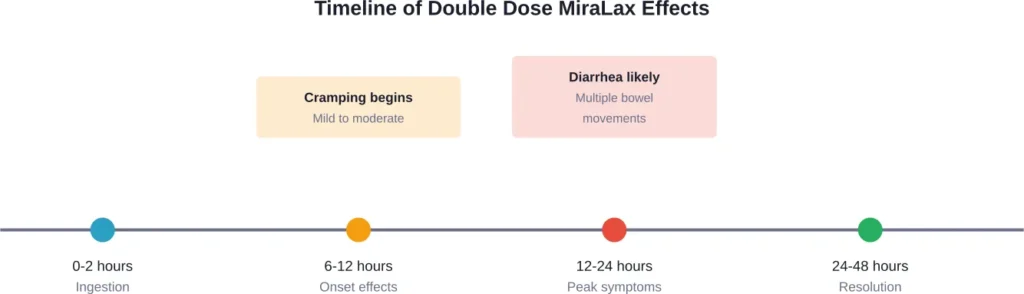
Taking 34 grams instead of the recommended 17 grams typically produces predictable gastrointestinal effects within 6-12 hours. Community discussions on platforms like Reddit describe these experiences.
The most common side effects include:
- Explosive diarrhea or very loose stools
- Abdominal cramping and discomfort
- Bloating and gas
- Nausea (though vomiting is less common)
- Urgency and frequent bathroom trips
Real talk: you’ll probably spend more time near a bathroom than you planned. The excess polyethylene glycol draws even more water into the colon, creating what essentially amounts to a mild bowel prep similar to what’s used before colonoscopies.
When Double Dosing Becomes Dangerous
While a single accidental double dose rarely causes serious harm, repeated excessive use or very large amounts can lead to complications. Medical literature documents several concerning scenarios.
A case report published in Cureus in 2024 described a patient who misused polyethylene glycol, resulting in acute renal failure and metabolic acidosis requiring dialysis. The patient presented with notable fatigue and disorientation, with vital signs including blood pressure of 120/54 mmHg and heart rate of 96 beats per minute.
According to research from the National Library of Medicine, risk factors for renal injury include:
- Concurrent use of NSAIDs (ibuprofen, naproxen)
- Pre-existing kidney disease
- Dehydration from excessive diarrhea
- Chronic laxative abuse
Studies on laxative abuse indicate that individuals with eating disorders represent the largest group of chronic laxative misusers. This population faces heightened risks of hypokalemia (low potassium), volume depletion, and subsequent kidney damage.
Electrolyte Imbalances You Should Know About
Excessive diarrhea from polyethylene glycol overdose can flush out essential electrolytes. Low potassium levels can trigger rhabdomyolysis (muscle breakdown), which itself can cause kidney problems.
Warning signs of electrolyte imbalance include muscle weakness, irregular heartbeat, severe fatigue, and confusion.
| Complication | Likelihood with Single Double Dose | Likelihood with Chronic Misuse |
|---|---|---|
| Diarrhea and cramping | Very High | Very High |
| Dehydration | Moderate | High |
| Electrolyte imbalance | Low | High |
| Kidney injury | Very Low | Moderate |
| Metabolic acidosis | Very Low | Low to Moderate |
What to Do If You’ve Taken Too Much
Okay, so what about immediate steps? If you’ve accidentally taken a double dose, here’s what medical guidance suggests.
First, don’t panic. A single double dose (34 grams) isn’t typically a medical emergency for otherwise healthy adults. But you should prepare for significant gastrointestinal effects.
Hydration is critical. Drink plenty of clear fluids—water, electrolyte drinks, or clear broth. Aim for at least 8-10 glasses throughout the day to counteract fluid loss from diarrhea.
Stay near a bathroom. This sounds obvious, but plan accordingly. Cancel non-essential activities and avoid situations where bathroom access is limited.
Monitor for concerning symptoms. According to Poison Control guidelines, contact medical professionals if you experience:
- Severe abdominal pain that worsens or doesn’t improve
- Blood in stool
- Signs of dehydration (dizziness, decreased urination, extreme thirst)
- Muscle weakness or irregular heartbeat
- Confusion or disorientation
The webPOISONCONTROL online tool or calling 1-800-222-1222 provides immediate guidance for medication overdose situations.
Special Populations at Higher Risk
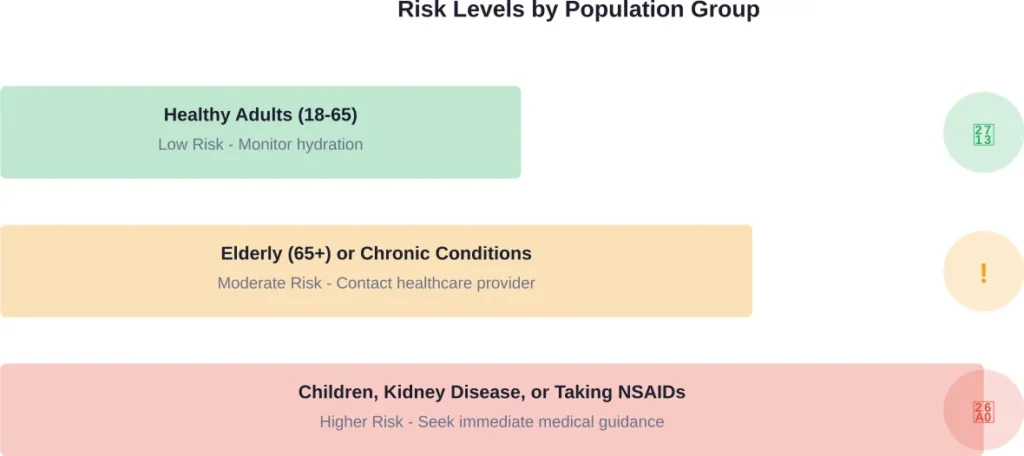
Certain groups face elevated risks from polyethylene glycol overdose. Children, elderly adults, and those with pre-existing medical conditions require closer monitoring.
Research documents cases of severe hyperphosphatemia from phosphate-containing laxative overdose in vulnerable populations, illustrating how different laxatives affect young children.
While MiraLax doesn’t contain phosphates, this research highlights how laxative overdoses affect vulnerable populations differently.
Preventing Future Accidental Overdoses
Prevention beats treatment every time. Simple strategies can eliminate accidental double dosing.
Track doses using a medication log or smartphone app. Many free apps let you mark when you’ve taken medications, eliminating the “did I already take that?” question.
Establish a consistent routine. Take MiraLax at the same time daily—morning with breakfast or evening before bed. Consistency builds memory patterns.
Use a pill organizer even for powder medications. Place the capful in a compartment as a visual reminder that you’ve taken today’s dose.
Frequently Asked Questions
MiraLax can be taken twice daily in certain clinical situations under medical supervision, though standard dosing is once daily. According to NIH StatPearls, non-FDA-approved uses of polyethylene glycol include colonoscopy preparation and treatment of severe constipation, though use requires appropriate medical guidance.
Effects typically peak within 12-24 hours after ingestion and resolve within 24-48 hours. Diarrhea and cramping usually subside once the excess polyethylene glycol passes through the digestive system.
A single accidental double dose rarely causes permanent damage in healthy individuals. However, repeated excessive use or chronic laxative abuse can lead to lasting complications including kidney damage, electrolyte disorders, and dependence on laxatives for bowel function.
No. Do not induce vomiting after taking polyethylene glycol. According to Poison Control guidelines, vomiting isn’t recommended for laxative overdose. Instead, focus on hydration and contact poison control or a healthcare provider for guidance.
Generally speaking, polyethylene glycol is considered one of the safer laxative options for overdose. According to StatPearls from the NIH, patients using PEG report better quality of life, reduced pain, less bloating, and improved constipation symptoms compared to some other laxative types. The medication doesn’t significantly absorb into the bloodstream.
Accidental double dosing involves unintentionally taking two doses within a short timeframe—usually by forgetting the first dose. Laxative abuse involves deliberately taking excessive amounts repeatedly, often associated with eating disorders or weight control attempts. Medical literature indicates laxative abuse poses significantly higher health risks.
Seek emergency care if you experience severe symptoms including persistent vomiting, bloody diarrhea, chest pain, severe abdominal pain, signs of severe dehydration (minimal urination, extreme dizziness), irregular heartbeat, muscle weakness, or confusion. These may indicate serious complications requiring immediate intervention.
The Bottom Line on MiraLax Double Dosing
Taking a double dose of MiraLax once isn’t typically a medical crisis, but it will likely make for an uncomfortable day. The most common outcome involves increased diarrhea, cramping, and frequent bathroom trips.
That said, certain populations face higher risks. Anyone with kidney disease, taking NSAIDs, or with underlying health conditions should contact their healthcare provider after an overdose.
Stay well-hydrated, monitor for warning signs, and don’t hesitate to use Poison Control resources if you’re uncertain about symptoms. And going forward? A simple medication tracking system prevents the whole situation from happening again.
If you’re dealing with constipation severe enough that you’re tempted to increase doses, talk to a healthcare provider about underlying causes rather than self-adjusting laxative amounts. Chronic constipation often signals issues that need proper evaluation, not just more medication.