
Quick Summary: Drinking distilled water is safe for most people in the short term, but long-term consumption may lead to mineral deficiencies since the distillation process removes essential minerals like calcium and magnesium. Research from NIH and medical journals shows that demineralized water consumption can potentially affect bone density, electrolyte balance, and overall mineral intake, especially if dietary sources don’t compensate. For occasional use or specific purposes like medical devices, distilled water poses minimal risk.
The question of whether distilled water is safe to drink comes up frequently, especially as more people become conscious of water quality and purity. But here’s the thing—distilled water isn’t just pure H2O. It’s water that’s been stripped of virtually everything else.
Companies produce distilled water by boiling water and then condensing the collected steam back into a liquid. This process removes impurities, contaminants, and minerals from the water. Sounds good, right?
Not so fast. While distilled water is certainly pure, that extreme purity comes with trade-offs that matter for human health.
What Actually Happens During the Distillation Process
Distillation is straightforward. Water gets heated to boiling, creating steam that rises and leaves behind dissolved minerals, bacteria, viruses, and chemical contaminants. The steam then condenses back into liquid form in a separate container.
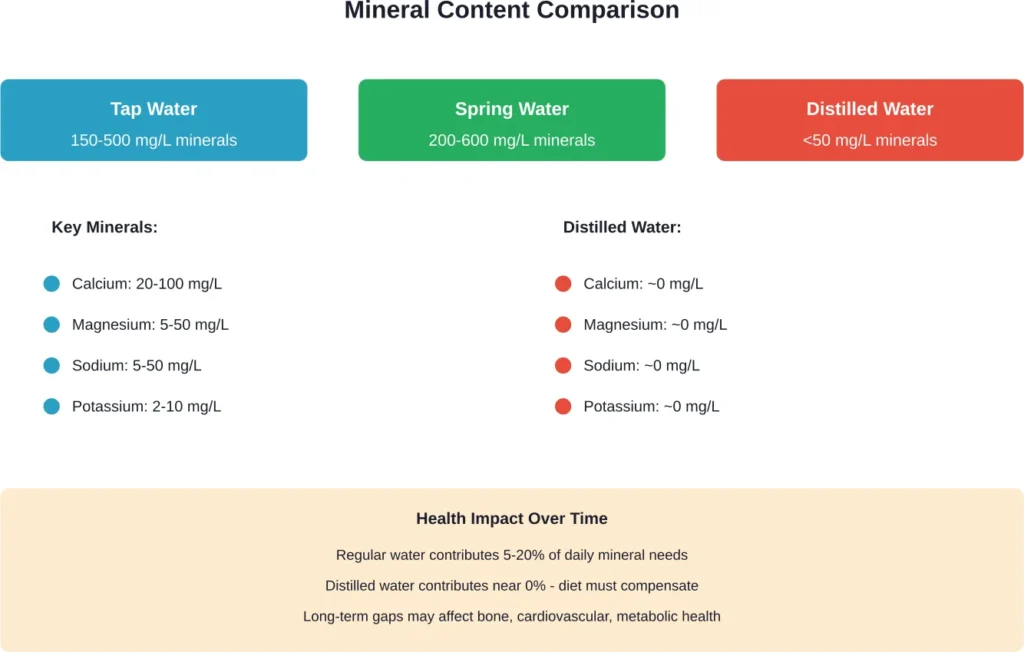
The result? Water with total dissolved solids below 50 mg/L—what researchers classify as water with very low mineral content. Regular tap water, by comparison, contains varying amounts of calcium, magnesium, sodium, and other minerals depending on the source.
These minerals aren’t contaminants. They’re naturally occurring elements that play essential roles in human physiology. And when distillation removes them, your body notices.
The Mineral Deficiency Problem
Here’s where things get interesting. According to research published in the NIH database, demineralized water consumption raises legitimate concerns about mineral intake, particularly calcium and magnesium.
A review in the Medical Journal of Armed Forces India notes that even in industrialized countries, diet that is not deficient in terms of quantity may not fully compensate for the absence of calcium and, in particular, magnesium in drinking water.
Why does this matter? Water provides a form of minerals that’s highly bioavailable—meaning your body absorbs them easily. When drinking water lacks these minerals, you’re not just missing a minor source. You’re losing a consistent, daily intake that accumulates over time.
What Research Shows About Long-Term Effects
Multiple studies have examined what happens when people or animals consume low mineral water over extended periods:
- A 2015 study in PLoS One found that multi-generational drinking of bottled low mineral water impaired bone quality in female rats, particularly affecting those going through pregnancies and lactations
- Research published in Metabolites (2024) showed that long-term consumption of purified water altered amino acid, fatty acid, and energy metabolism in rat livers
- A 2023 review in Cureus examined the role of low mineral water in reducing bone mineral density and affecting dental health, particularly with widespread use of reverse osmosis systems
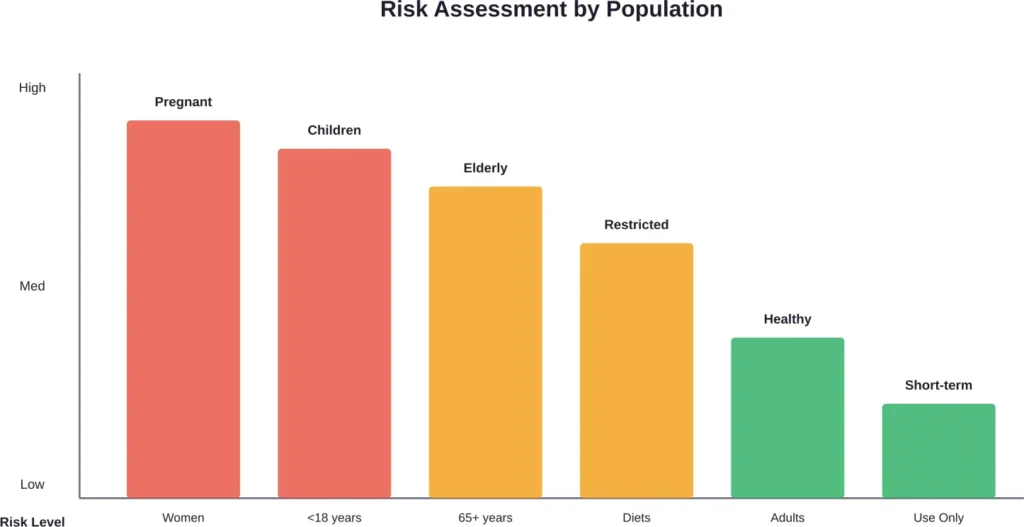
Now, animal studies don’t translate directly to humans. But they raise red flags worth paying attention to, especially for vulnerable populations like children, pregnant women, and older adults.
Short-Term Safety vs. Long-Term Concerns
The answer to whether distilled water is safe depends entirely on context. Let’s break it down:
| Situation | Safety Level | Reason |
|---|---|---|
| Occasional drinking (few times per month) | Generally safe | No meaningful long-term mineral or electrolyte impact |
| Primary water source with balanced diet | Likely acceptable | Adequate dietary minerals can compensate for water losses |
| Primary source with poor diet | Higher risk | Compounding mineral deficiencies from multiple sources |
| Vulnerable populations (children, elderly, pregnant) | Not recommended | Higher mineral needs and absorption challenges |
| Medical device use (CPAP, humidifiers) | Recommended | Prevents mineral buildup and bacterial growth |
According to the CDC, tap water is not germ-free, but public water utilities must provide water that meets quality and safety standards for drinking. However, some germs that grow in water pipes and devices can make people sick, particularly vulnerable groups.
This is where distilled water shines for non-drinking applications. Medical devices, laboratory equipment, and industrial processes benefit from the purity distilled water provides.
How Distilled Water Affects Your Body
When distilled water enters your system, several things happen that differ from drinking mineralized water.
Electrolyte Balance and Hydration
Water makes up about 60% of an adult’s total body weight and plays key roles in chemical reactions, body temperature control, blood volume maintenance, lubrication, and protection. Water also serves as a solvent and transport medium, carrying nutrients and electrolytes throughout the body.
Electrolytes—minerals like sodium, potassium, calcium, and magnesium that carry electrical charges—regulate nerve signals, muscle contractions, and fluid balance. Drinking water typically contributes to electrolyte intake, albeit in smaller amounts than food.
Distilled water contains virtually no electrolytes. For occasional use, this doesn’t matter. Your body maintains electrolyte homeostasis through food intake and internal regulation. But as a primary hydration source over months or years, the absence of water-borne minerals creates a gap that diet must completely fill.
Taste and Satisfaction
Many people notice distilled water tastes flat or different from regular drinking water. That’s because taste receptors detect dissolved minerals. The absence of these compounds changes the sensory experience.
This isn’t dangerous, but it matters for hydration compliance. If water doesn’t taste appealing, people may drink less of it, leading to inadequate hydration—a separate health concern entirely.
Leaching Effect: Myth or Reality?
Some sources claim distilled water “leaches” minerals from your body, pulling calcium from bones or magnesium from tissues. This oversimplifies what actually happens.
Distilled water doesn’t actively extract minerals from tissues. However, because it lacks minerals, it doesn’t contribute to mineral balance the way regular water does. Over time, if dietary intake doesn’t compensate, deficiencies can develop—particularly in populations with higher needs or absorption challenges.
The concern is valid but often exaggerated. The real issue isn’t leaching. It’s the absence of contribution.
Distilled Water vs. Purified Water: Understanding the Difference
People often confuse distilled water with purified water. They’re not the same thing.
Purified water is a broad category. It includes any water that’s been mechanically filtered or processed to remove impurities. Methods include reverse osmosis, deionization, carbon filtration, and yes, distillation.
Distilled water is a specific type of purified water created through the boiling-condensation process. It’s typically more demineralized than other purification methods.
Reverse osmosis, for example, removes most minerals but not necessarily all. The resulting water still contains trace minerals, making it slightly less demineralized than distilled water. According to a 2025 review in Nutrients, ultrafiltration removes viruses, bacteria, and suspended solids, while nanofiltration and reverse osmosis also remove multi- and monovalent ions.
So when choosing water, understanding the purification method matters. Not all “purified” water is mineral-free.
When Distilled Water Makes Sense
Despite the concerns about mineral content, distilled water serves important purposes:
Medical and Laboratory Applications
Healthcare facilities rely on distilled or deionized water for specific uses. The CDC’s Guidelines for Environmental Infection Control in Health-Care Facilities note that moist environments and aqueous solutions in healthcare settings can transmit waterborne pathogens.
For medical devices like CPAP machines, humidifiers, and neti pots, distilled water prevents mineral buildup and reduces bacterial contamination risk. A CDC survey published in 2023 found that approximately one-third (33%, 95% CI 30%–36%) of respondents incorrectly answered that tap water does not have bacteria or living things present.
Real talk: for devices that create aerosols or come into contact with sterile body sites, distilled water is the safer choice.
Situations Where Tap Water Quality Is Questionable
In areas with contaminated water supplies, distillation provides an effective purification method. It removes heavy metals, pesticides, microplastics, and pathogenic microorganisms that other methods might miss.
For short-term emergency use or when traveling to regions with unsafe water, distilled water offers safety that outweighs mineral concerns.
Specific Dietary or Medical Conditions
Some medical protocols require low-mineral water. Certain diagnostic tests, detoxification protocols, or therapeutic regimens might specify distilled water for specific timeframes.
Always follow medical guidance in these situations. The temporary mineral reduction is intentional and monitored.
Who Should Avoid Long-Term Distilled Water Consumption
Certain groups face higher risks from prolonged distilled water consumption:
- Children and adolescents: Growing bodies have higher mineral requirements for bone development. According to a 2025 study in Nutrients examining children’s water consumption, water with very low mineral content hasn’t been definitively linked to health risks for the general population, but knowledge gaps remain regarding vulnerable groups.
- Pregnant and lactating women: Increased mineral demands during pregnancy and breastfeeding make dietary compensation more challenging.
- Older adults: Age-related changes in absorption and metabolism increase vulnerability to mineral deficiencies.
- People with restricted diets: Vegetarians, vegans, or those with food allergies may already have limited mineral sources.
- Individuals with bone density concerns: Osteoporosis or osteopenia patients need every available calcium and magnesium source.
For these populations, choosing mineralized drinking water makes physiological sense.
Making the Right Choice for Your Situation
So what’s the bottom line? Should you drink distilled water or avoid it?
The answer depends on your individual circumstances. Here’s a practical framework:
Choose distilled water when:
- Using it in medical devices (CPAP, humidifiers, neti pots)
- Tap water quality is questionable or contaminated
- Specific medical protocols require it
- Using it for short-term or occasional purposes
Choose mineralized water when:
- It’s your primary drinking source
- You’re in a vulnerable population (pregnant, child, elderly)
- Your diet lacks robust mineral sources
- You have bone density or cardiovascular concerns
Most people do fine with regular filtered or purified water that retains some mineral content. Methods like carbon filtration or basic pitcher filters remove contaminants while preserving beneficial minerals.
And here’s something worth considering: water hardness varies dramatically by location. According to the WHO, hardness in drinking water reflects mineral content, particularly calcium and magnesium. Some regions have naturally hard water with high mineral content, while others have soft water with minimal minerals.
If you live in an area with hard water and eat a balanced diet, switching to distilled water removes a meaningful mineral source. If you’re in a soft water area, the difference matters less—but it still matters over years of consumption.
Frequently Asked Questions
Drinking distilled water daily is generally safe for healthy adults with balanced diets rich in minerals. However, long-term daily consumption may contribute to mineral deficiencies over time, particularly calcium and magnesium. Vulnerable populations like children, pregnant women, and elderly individuals should choose mineralized water instead. If distilled water is your only option, ensure dietary intake of minerals is adequate through food sources like dairy, leafy greens, nuts, and whole grains.
Distilled water hydrates the body just as effectively as regular water. The absence of minerals doesn’t impair water absorption or hydration status in the short term. However, during intense exercise or heat exposure when electrolyte replacement matters, distilled water won’t provide the sodium, potassium, and other electrolytes lost through sweat. In these situations, mineralized water or electrolyte-enhanced beverages work better for maintaining hydration and electrolyte balance.
Boiling water kills bacteria, viruses, and parasites, making it microbiologically safe. But boiling doesn’t remove dissolved minerals, chemicals, or heavy metals—it actually concentrates them as water evaporates. Distilled water undergoes boiling followed by steam condensation in a separate container, which removes both microorganisms and dissolved substances. For purification purposes, distillation is more thorough than simple boiling, though boiling remains effective for eliminating pathogens in emergency situations.
Distilled water doesn’t actively leach or pull minerals from bones or tissues as some claims suggest. However, because it contributes virtually zero minerals to your diet, it creates a gap that food intake must fill entirely. Over months or years, if dietary sources don’t compensate adequately, mineral deficiencies can develop. This is an issue of absent contribution rather than active extraction. Balanced nutrition typically prevents problems, but vulnerable populations or those with restricted diets face higher risks.
Distilled water works fine for cooking, though it may slightly affect taste in recipes where water flavor matters, like soups or beverages. Demineralized soft water, when used for cooking, is known to cause substantial losses of essential elements from food, according to research in the Medical Journal of Armed Forces India. These losses can be significant—up to 60% for some minerals. If using distilled water for cooking regularly, ensure adequate mineral intake from the foods themselves and consider using mineralized water for recipes where flavor and nutrient retention matter most.
Neither is universally “better”—it depends on context and water quality. Distilled water is purer and free from contaminants, making it ideal for medical devices and situations where tap water quality is poor. But tap water from properly maintained public systems meets EPA safety standards and provides beneficial minerals that support health. According to EPA regulations, drinking water standards set legal limits on over 90 contaminants, ensuring tap water safety. For drinking purposes, properly treated tap water or filtered water that retains minerals typically offers better nutritional value than distilled water.
Short-term use (days to weeks) poses minimal risk for healthy individuals. Extended use (months to years) as a primary water source increases the likelihood of mineral intake gaps, particularly if diet is inadequate. No specific timeline defines “safe” versus “unsafe” because individual factors vary—dietary habits, age, health status, and mineral needs differ significantly. If drinking distilled water long-term, monitor mineral status through regular health checkups and ensure robust dietary sources of calcium, magnesium, potassium, and trace minerals.
The Bottom Line on Drinking Distilled Water
Distilled water is safe to drink. That’s the simple answer. But safety doesn’t tell the whole story.
The distillation process creates exceptionally pure water by removing contaminants, pathogens, and minerals through boiling and condensation. This purity makes it valuable for medical devices, laboratory work, and situations where water quality is questionable.
But that same purity removes essential minerals like calcium and magnesium that contribute to daily nutritional needs. Research from NIH, medical journals, and health organizations consistently shows that long-term consumption of demineralized water may affect bone density, electrolyte balance, and overall mineral status—especially for vulnerable populations.
The key factors determining whether distilled water works for you include: duration of use, dietary mineral intake, age and health status, and whether it’s your primary water source or occasional choice.
For most healthy adults with balanced diets, occasional distilled water consumption poses no problems. For children, pregnant women, elderly individuals, or anyone with restricted diets or bone health concerns, choosing mineralized water makes more physiological sense.
Water is essential for life, but the type of water matters over time. Make your choice based on individual circumstances, water quality in your area, dietary habits, and health needs. When in doubt, consult healthcare providers about the best hydration strategy for your situation.
And if you do choose distilled water for drinking, pay extra attention to mineral-rich foods in your diet. Your body needs those minerals—if water won’t provide them, food must.