
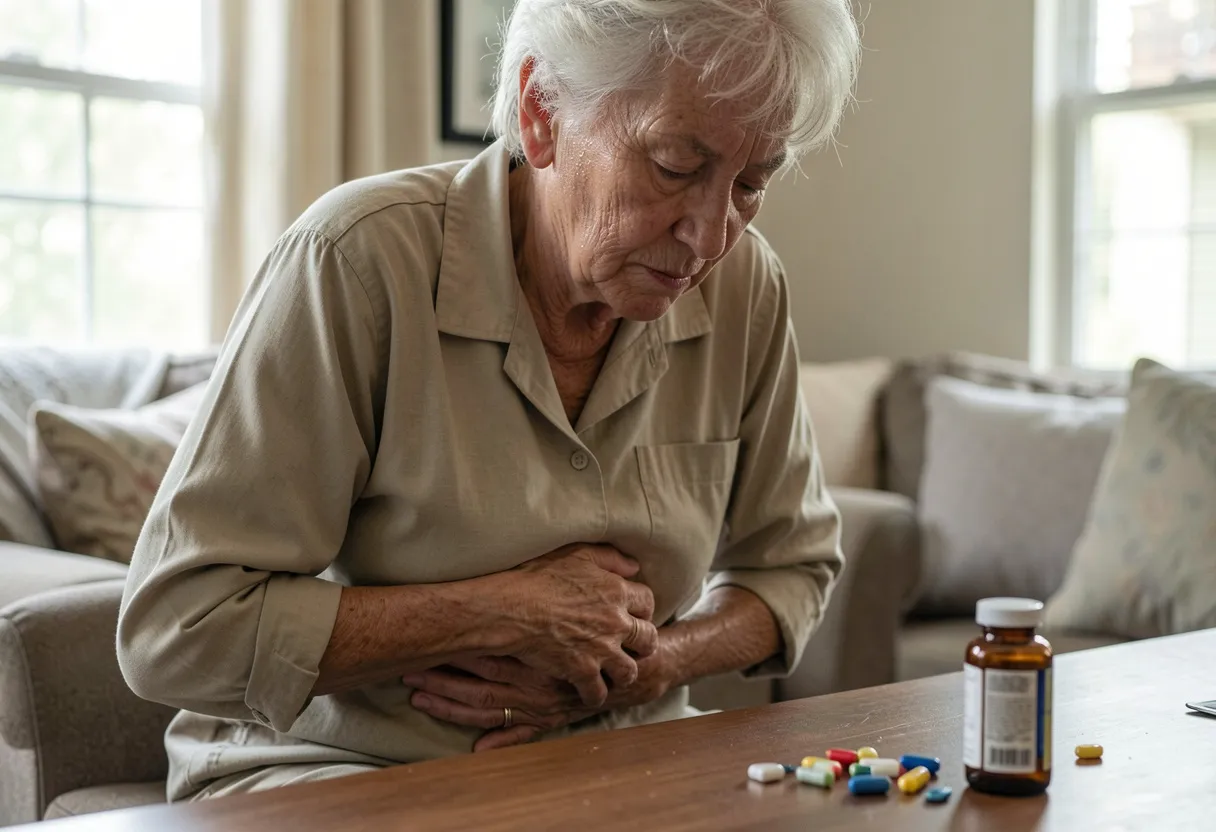
Quick Summary: Taking too much gabapentin can cause serious symptoms including drowsiness, slurred speech, dizziness, double vision, and in severe cases, respiratory depression or coma. While gabapentin overdose alone is rarely fatal, the risk increases significantly when combined with opioids or alcohol. If overdose is suspected, immediately call Poison Control at 1-800-222-1222 or emergency services.
Gabapentin has become one of the most widely prescribed medications in North America. According to research published by the National Institutes of Health, approximately 3.9 million prescriptions were filled in Canada alone in 2015, and that number has only grown.
But here’s the thing—gabapentin’s popularity has brought new concerns. As prescriptions increase, so do reports of misuse and overdose.
So what actually happens when someone takes too much gabapentin? The answer isn’t as straightforward as you might expect.
Understanding Gabapentin and How It Works
Gabapentin, commonly sold under the brand name Neurontin, was originally developed as an antiepileptic medication. Today, doctors prescribe it for various conditions including nerve pain, seizures, and sometimes off-label for anxiety and other disorders.
The medication works differently than opioids or benzodiazepines. It binds to specific calcium channels in the nervous system, reducing the release of excitatory neurotransmitters. This mechanism helps calm overactive nerve signals.
Most patients take 300mg to 1200mg doses, typically three times daily. The body absorbs gabapentin through active transport in the upper intestinal tract—a process that becomes less efficient at higher doses. Research published in PubMed indicates that colonic absorption is particularly poor compared to upper intestinal absorption.
This absorption limit provides some natural protection against overdose. The body simply can’t absorb excessive amounts all at once.
Symptoms of Gabapentin Overdose
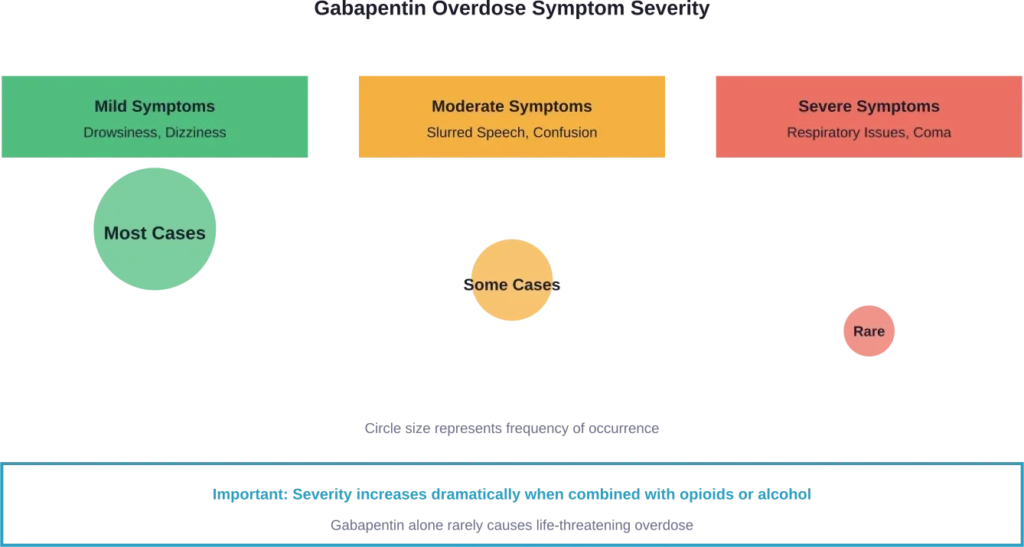
When someone takes too much gabapentin, symptoms typically appear within hours. The severity depends on the amount taken, individual factors, and whether other substances are involved.
Common Overdose Symptoms
According to Poison Control, the most frequently reported symptoms include:
- Drowsiness and sedation
- Dizziness and loss of balance
- Slurred speech
- Double vision or blurred vision
- Tremors or shakiness
- Confusion and disorientation
- Nausea and vomiting
These symptoms mirror an exaggerated version of gabapentin’s normal side effects. Most people experience drowsiness even at therapeutic doses.
Severe Complications
In more serious cases, particularly when combined with other central nervous system depressants, gabapentin overdose can cause:
- Lethargy progressing to stupor
- Respiratory depression (slowed or shallow breathing)
- Loss of consciousness or coma
- Death (rare with gabapentin alone)
A case study published in Clinical Case Reports documented a patient who developed rhabdomyolysis—a serious condition where muscle tissue breaks down—after gabapentin overdose. The patient required renal replacement therapy due to acute tubular necrosis.
That said, research characterizing gabapentin overdose using poison center data found that most exposures caused no or minimal toxicity.
Special Risk Factors That Increase Danger
Not everyone faces the same risk when taking too much gabapentin. Several factors significantly increase the danger.
Kidney Function Matters Critically
Gabapentin is eliminated primarily through the kidneys. Patients with impaired renal function face substantially higher risk of toxicity.
A BMJ case report documented a 57-year-old woman with uraemia who developed altered consciousness after just a single dose of gabapentin. The report emphasized that gabapentin toxicity should be considered in any patient with compromised renal function showing altered consciousness.
An Agency for Healthcare Research and Quality case study described a patient with end-stage renal disease who received over 10 times the recommended dose for ESRD patients, resulting in severe metabolic encephalopathy.
Standard dosing protocols require significant reductions for patients with decreased kidney function. Without proper adjustment, even therapeutic doses can accumulate to toxic levels.
The Opioid Connection
Here’s where things get really dangerous. Research published in CMAJ found that exposure to moderate-dose and high-dose gabapentin is associated with approximately 60% increased risk of opioid-related death compared with opioids alone.
According to competitor content, overdose deaths involving gabapentin have risen steadily over the last decade, with a reported surge in 2020 when gabapentin was involved in a significant proportion of overdose deaths.
Alcohol and Other Depressants
Combining gabapentin with alcohol or other central nervous system depressants like benzodiazepines dramatically increases sedation and respiratory depression risk.
Both substances slow brain activity through different mechanisms. Together, they create a compounding effect that can suppress breathing to dangerous levels.
| Risk Factor | Impact on Overdose Risk | Key Consideration |
|---|---|---|
| Impaired kidney function | Significantly increased | Requires dose adjustment; toxicity possible at normal doses |
| Concurrent opioid use | 60% increased death risk | Most dangerous combination |
| Alcohol consumption | Substantially increased | Compounds CNS depression |
| Advanced age | Moderately increased | Often correlates with reduced kidney function |
| Mental health disorders | Increased misuse potential | Higher intentional overdose risk |
Gabapentin Misuse and Emerging Concerns
While gabapentin isn’t classified as a controlled substance in most jurisdictions, it’s increasingly recognized as a drug with misuse potential.
Research published in the Canadian Medical Association Journal notes that people misuse gabapentin because it produces effects similar to opioids and benzodiazepines in some users. These effects include euphoria, improved sociability, and a marijuana-like high.
The risk of misuse is substantially higher among people who also use opioids. Some individuals take excessive doses seeking these psychoactive effects.
Real talk: this misuse pattern explains why overdose statistics have climbed even though gabapentin alone rarely causes fatal toxicity. People aren’t typically overdosing on gabapentin in isolation—they’re combining it with other substances.
What to Do If Someone Takes Too Much Gabapentin
Time matters when dealing with any potential overdose. Here’s exactly what to do.
Immediate Steps
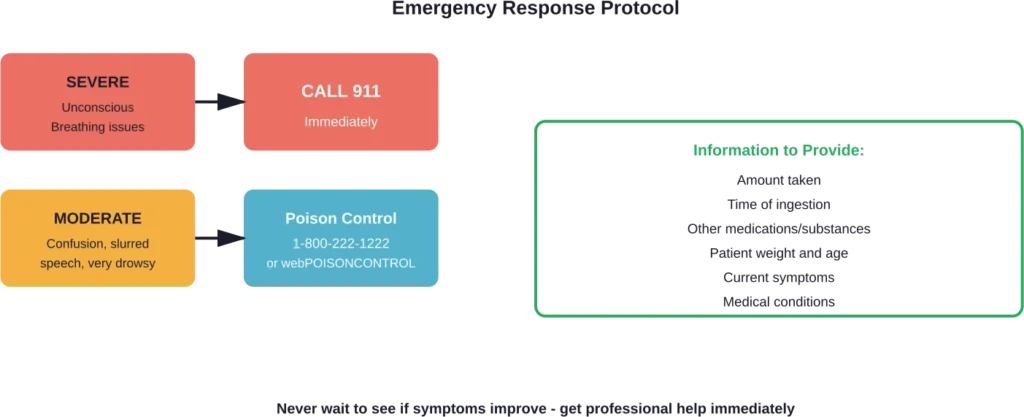
If someone collapses, has a seizure, has trouble breathing, or can’t be awakened, call 911 immediately. These are medical emergencies requiring professional intervention.
For less severe situations, contact Poison Control right away:
- Call 1-800-222-1222 to speak with a poison specialist
- Use the webPOISONCONTROL online tool at poison.org for immediate guidance
Both options are free, confidential, and staffed by experts. They’ll assess the situation and provide specific instructions based on the amount taken, timing, and individual factors.
Medical Treatment Approaches
There’s no specific antidote for gabapentin overdose. Treatment focuses on supportive care:
- Monitoring vital signs, especially breathing and heart rate
- IV fluids to support kidney function
- Activated charcoal if the patient presents soon after ingestion
- Hemodialysis in severe cases or patients with kidney impairment
The case published in Clinical Case Reports involved a patient who required renal replacement therapy due to gabapentin-induced rhabdomyolysis. But this represents an extreme and unusual case.
Most patients recover fully with supportive care and monitoring.
How to Prevent Gabapentin Overdose
Prevention starts with understanding how to use gabapentin safely.
Take gabapentin exactly as prescribed. The medication comes in various forms—capsules (100mg, 300mg, 400mg), tablets (600mg, 800mg), and oral solution. According to MedlinePlus, gabapentin is typically taken three times daily with a full glass of water.
Never adjust the dose without consulting a healthcare provider. And don’t stop taking gabapentin suddenly—this can trigger withdrawal symptoms or seizures in some patients.
Store medication securely where others can’t access it. This is especially important in households with teenagers or individuals with substance use disorders.
Be transparent with healthcare providers about all medications and substances used, including alcohol, over-the-counter drugs, and supplements. Drug interactions create significant risks.
Patients with kidney disease require special vigilance. Regular kidney function monitoring and appropriate dose adjustments are essential.
Frequently Asked Questions
Death from gabapentin alone is rare. Research indicates that gabapentin exposures typically cause minimal toxicity when the medication isn’t combined with other substances. However, when taken with opioids, the risk of fatal overdose increases by approximately 60%. Severe complications like respiratory depression can occur, particularly in patients with kidney impairment or when multiple central nervous system depressants are involved.
Therapeutic doses typically range from 900mg to 3600mg daily, divided into three doses. The maximum recommended dose is generally 3600mg per day for most conditions. Any amount significantly exceeding prescribed doses constitutes an overdose. The specific toxic threshold varies based on individual factors like kidney function, age, weight, and concurrent medications. Never exceed prescribed amounts.
Early symptoms typically include excessive drowsiness, dizziness, slurred speech, double vision, and loss of coordination. Some people experience nausea or vomiting. These symptoms represent an exaggerated version of gabapentin’s normal side effects. If multiple symptoms appear or worsen rapidly, contact Poison Control at 1-800-222-1222 immediately.
Gabapentin has a half-life of approximately 5-7 hours in people with normal kidney function, meaning the body eliminates half the dose in that timeframe. Complete elimination typically takes around 2 days. However, in patients with impaired kidney function, gabapentin can accumulate for much longer periods, significantly increasing toxicity risk even at normal doses.
Research published by the National Institutes of Health confirms that gabapentin has emerging misuse potential. Some users report euphoria and effects similar to opioids or benzodiazepines. The risk of misuse is substantially higher among individuals who also use opioids. While gabapentin isn’t currently classified as a controlled substance federally, several states have implemented special monitoring due to these concerns.
Gabapentin doesn’t typically cause kidney damage in healthy individuals. However, a case published in Clinical Case Reports documented severe rhabdomyolysis from gabapentin overdose that led to acute tubular necrosis requiring renal replacement therapy. This represents an extreme and rare complication. The bigger concern is that existing kidney disease dramatically increases gabapentin toxicity risk since the kidneys eliminate the medication.
Contact Poison Control immediately at 1-800-222-1222 or use the webPOISONCONTROL online tool. Don’t wait to see if symptoms develop. Provide information about how much extra medication was taken and when. The specialist will assess the situation and provide specific guidance. If you experience severe symptoms like difficulty breathing, confusion, or loss of consciousness, call 911 instead.
The Bottom Line on Gabapentin Safety
Gabapentin remains a valuable medication for nerve pain, seizures, and other conditions when used appropriately. The safety profile is generally favorable compared to opioids and many other pain medications.
But that doesn’t mean it’s risk-free.
Taking too much gabapentin can cause serious symptoms ranging from excessive sedation to life-threatening respiratory depression. The danger multiplies when combined with opioids, alcohol, or other depressants. Patients with kidney disease face particular vulnerability.
The rise in gabapentin-related overdose deaths reflects its widespread use and the dangerous practice of combining it with opioids, particularly among people with substance use disorders.
If you’re prescribed gabapentin, take it exactly as directed. Never share it with others or combine it with alcohol or other sedating medications without medical approval. Know the warning signs of overdose and don’t hesitate to seek help if something seems wrong.
Your healthcare provider can answer questions about safe use, proper dosing, and potential interactions. And remember—Poison Control is available 24/7 at 1-800-222-1222 for free, confidential guidance in any suspected overdose situation.
Medication safety isn’t about fear. It’s about informed, responsible use that maximizes benefits while minimizing risks.