
Quick Summary: Getting pregnant after tubal ligation is rare but possible, occurring in approximately 1 in 200 cases. According to CDC data, about 0.5 out of 100 tubal surgery users experience pregnancy in the first year of typical use. When pregnancy does occur after the procedure, there’s a higher risk of ectopic pregnancy, making awareness of symptoms crucial for prompt medical attention.
Tubal ligation ranks as one of the most popular contraceptive methods in the United States. The American College of Obstetricians and Gynecologists reports that approximately 18.6% of women aged 15–49 years using contraception rely on female sterilization for birth control.
But here’s what catches many off guard: this “permanent” solution isn’t 100% foolproof.
The procedure works by blocking, cutting, or removing sections of the fallopian tubes. This prevents eggs from traveling from the ovaries to the uterus, where fertilization typically occurs. It also blocks sperm from reaching the egg.
Yet pregnancy can still happen. And when it does, there are specific risks and symptoms everyone should understand.
How Often Does Tubal Ligation Actually Fail?
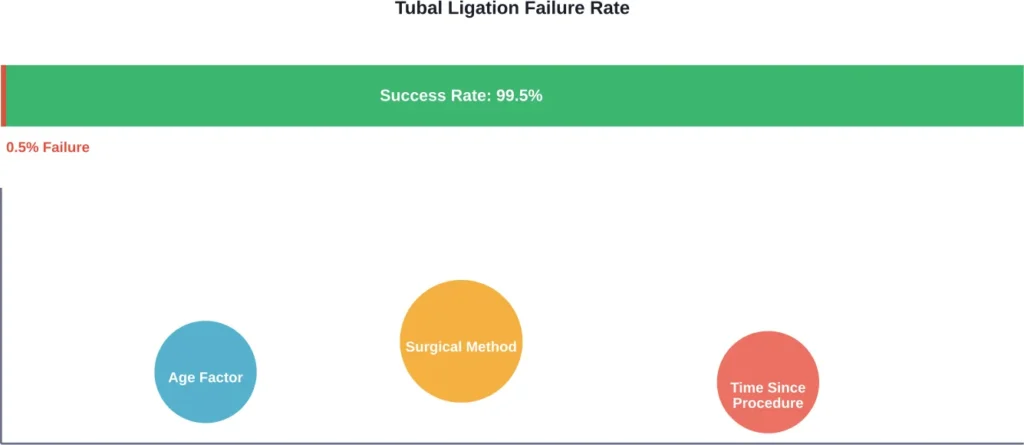
According to the CDC, approximately 0.5 out of 100 tubal surgery users become pregnant in the first year of typical use. That translates to roughly 1 in 200 cases.
The actual failure rate depends on several factors. Age plays a significant role—the younger someone is at the time of the procedure, the higher the likelihood of eventual failure. This happens because younger bodies have more time for the tubes to potentially heal and reconnect.
The surgical technique matters too. Different methods carry different long-term failure rates. Medical research has examined various surgical approaches, finding that pregnancy rates can vary based on whether tubes were cut, clipped, or cauterized.
One study tracking Filshie clips—a common interval sterilization method—found 7 pregnancies (4 verified, 3 self-reported) among 547 procedures over the study period. The technique used by the surgeon and when the procedure was performed (postpartum versus interval) both influence effectiveness.
Why Pregnancy Happens After Tubal Ligation
The tubes can heal themselves. Sound strange? It’s rare, but fallopian tubes sometimes grow back together over time through a process called recanalization.
Surgical errors occasionally occur too. If the tubes weren’t completely blocked during the initial procedure, pregnancy remains possible. Medical research examining sterilization failures over a decade identified various etiological factors, including incomplete occlusion.
Pregnancy might have existed before the surgery. If someone was already pregnant when they had the procedure—even unknowingly—that pregnancy would continue developing.
Recognizing Pregnancy Symptoms After Tubal Ligation
The signs mirror typical pregnancy symptoms. Missing a period often raises the first red flag. But other indicators include:
- Breast tenderness and swelling
- Morning nausea or feeling sick at certain smells
- Unexplained fatigue that won’t quit
- Frequent urination
- Food cravings or aversions
Anyone experiencing these symptoms after tubal ligation should take a pregnancy test immediately. Early detection matters—especially because of what comes next.
The Ectopic Pregnancy Risk
Here’s where things get serious. When pregnancy occurs after tubal ligation, the risk of ectopic pregnancy increases significantly.
An ectopic pregnancy happens when a fertilized egg implants outside the uterus, typically in a fallopian tube. This is dangerous because the tube can’t support a growing pregnancy. Without treatment, it can rupture, causing life-threatening internal bleeding.
Symptoms of ectopic pregnancy include:
- Sharp or stabbing pain in the abdomen or pelvis
- Vaginal bleeding or spotting
- Shoulder pain (caused by internal bleeding)
- Dizziness or fainting
- Rectal pressure
These symptoms demand immediate medical attention. Ectopic pregnancies require prompt treatment—either medication or surgery—to prevent serious complications.
| Pregnancy Type | Location | Risk Level | Treatment |
|---|---|---|---|
| Normal Pregnancy | Uterus | Standard | Prenatal care |
| Ectopic Pregnancy | Fallopian tube | Emergency | Medication or surgery |
What to Do If You Suspect Pregnancy
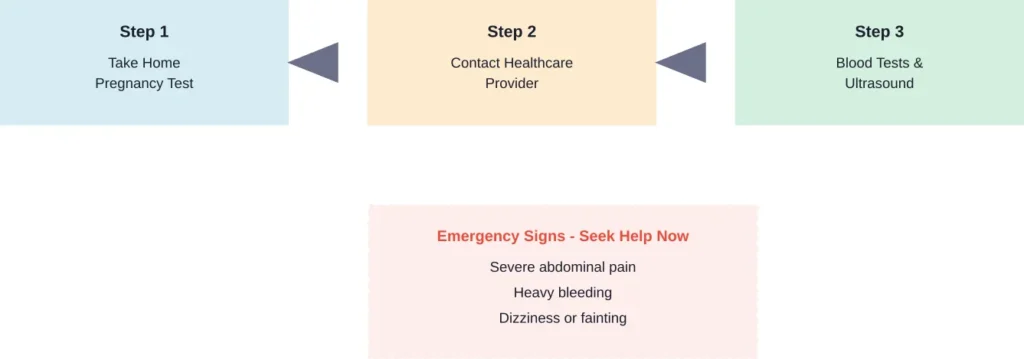
First: take a home pregnancy test. These tests are accurate and widely available.
Second: contact a healthcare provider immediately, regardless of the result. Explain that tubal ligation was previously performed. This information changes how doctors approach diagnosis and monitoring.
Medical evaluation typically includes blood tests to measure pregnancy hormone levels and ultrasound imaging to determine where the pregnancy is located. This confirms whether it’s a normal uterine pregnancy or an ectopic one.
Treatment Options and Next Steps
For ectopic pregnancy, treatment depends on how far along it is and whether rupture has occurred. Medication like methotrexate can stop early ectopic pregnancies. More advanced cases require surgical intervention.
For normal uterine pregnancy after tubal ligation, the pregnancy can potentially continue to term. Medical research shows these pregnancies are viable, though they require careful monitoring.
Some people consider tubal reversal surgery if they want future pregnancies. Success rates vary based on age, the amount of tube remaining, and how the original procedure was performed. The American College of Obstetricians and Gynecologists notes that reversal isn’t always effective.
In vitro fertilization (IVF) offers another path. This bypasses the fallopian tubes entirely, making tubal status irrelevant.
Frequently Asked Questions
Yes, pregnancy can occur many years after the procedure. The tubes may reconnect over time through recanalization, though this remains uncommon. The risk never completely disappears, which is why continued awareness of pregnancy symptoms matters throughout reproductive years.
When pregnancy occurs after tubal ligation, the proportion that are ectopic is higher than in the general population. Medical literature indicates significantly elevated ectopic pregnancy risk, making immediate medical evaluation essential for any positive pregnancy test.
Not necessarily. Some people experience typical pregnancy symptoms while others notice nothing unusual initially. Regular periods might continue in some cases. This is why testing is important if there’s any possibility, especially with symptoms like unexplained nausea or fatigue.
Yes, different surgical methods have varying failure rates. Complete bilateral salpingectomy has become increasingly common as a sterilization method in recent years. Clips, rings, and cauterization methods each carry slightly different long-term effectiveness profiles based on medical research data.
No, reversal surgery success depends on multiple factors including age, tube length remaining, and the original procedure type. Not all tubal ligations can be reversed, and even when surgery is possible, pregnancy isn’t guaranteed. IVF may offer better success rates in some situations.
Generally speaking, additional contraception isn’t medically necessary after confirmed successful tubal ligation. However, tubal sterilization doesn’t protect against sexually transmitted infections, so barrier methods like condoms serve important protective functions beyond pregnancy prevention.
Take a test if a period is late or if pregnancy symptoms appear. Don’t assume tubal ligation makes pregnancy impossible. Early detection allows for proper medical care and reduces ectopic pregnancy complications.
The Bottom Line
Tubal ligation is highly effective—but not absolutely perfect. The CDC data confirms approximately 0.5 out of 100 people experience pregnancy after the procedure.
When it happens, ectopic pregnancy risk increases significantly. That’s why recognizing symptoms and seeking immediate medical care matters so much.
Anyone who’s had tubal ligation should remain aware of pregnancy signs throughout their reproductive years. A missed period or unexplained symptoms warrant testing and medical evaluation.
If pregnancy occurs, whether ectopic or normal, effective treatment options exist. Prompt medical attention ensures the safest possible outcome and access to appropriate care for whatever comes next.