
Quick Summary: Cutting a vein typically results in steady, dark red blood flow that can usually be controlled with direct pressure and elevation. While venous bleeding is generally less dangerous than arterial bleeding, deep vein cuts can still lead to significant blood loss and require immediate medical attention. Superficial vein cuts typically follow a predictable healing pattern over days to weeks.
Vascular injuries happen more often than most people realize. According to NIH research, vascular injuries account for 1% of all traumatic injuries to extremities, though penetrating injuries to extremities represent 5% to 15% of trauma cases in civilian settings.
Understanding what happens when you cut a vein—and knowing how to respond—can make the difference between a minor incident and a serious medical emergency.
Understanding Venous Bleeding vs. Arterial Bleeding
Not all bleeding looks the same. The type of blood vessel damaged determines the characteristics of blood loss.
Veins carry deoxygenated blood back to the heart. When cut, they produce dark red or maroon blood that flows steadily rather than spurting. Arteries, conversely, carry oxygen-rich blood away from the heart under high pressure, resulting in bright red blood that spurts with each heartbeat.
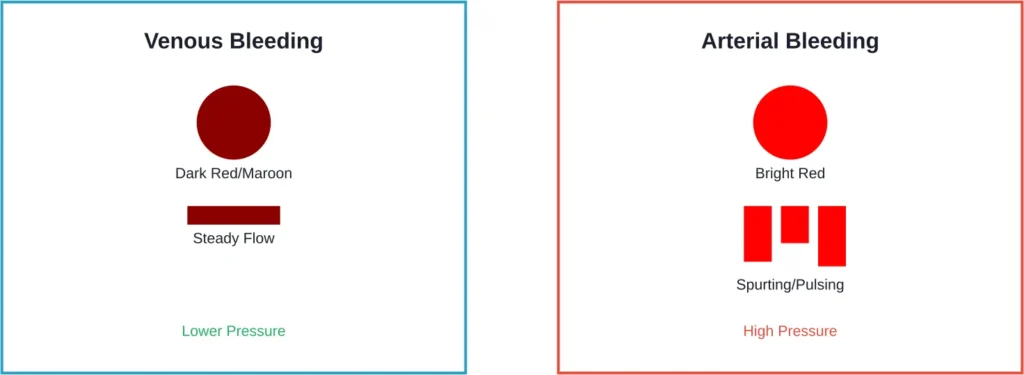
| Characteristic | Venous Bleeding | Arterial Bleeding |
|---|---|---|
| Blood Color | Dark red or maroon | Bright red |
| Flow Pattern | Steady, oozing flow | Spurting with pulse |
| Pressure | Lower pressure | High pressure |
| Severity | Generally less severe | Life-threatening risk |
| Control Method | Direct pressure, elevation | Tourniquet may be needed |
What Happens Immediately After Cutting a Vein
When a vein is cut, your body initiates an immediate response.
Dark red blood begins flowing from the wound at a steady rate. The blood doesn’t spurt because venous pressure is considerably lower than arterial pressure. For superficial cuts, you’ll see consistent oozing rather than forceful ejection.
Your body’s clotting mechanism activates within seconds. Platelets rush to the injury site and begin forming a plug. This natural process can stop bleeding from minor vein cuts within 5-10 minutes when combined with direct pressure.
But here’s the thing—deeper vein injuries behave differently.
Superficial vs. Deep Vein Injuries
Superficial veins sit close to the skin surface. Cuts to these vessels typically produce manageable bleeding that responds well to basic first aid.
Deep vein injuries are another matter entirely. According to NIH research on peripheral venous injuries, these can result in significant blood loss and require professional medical intervention. Deep veins in the thighs, arms, and trunk carry larger blood volumes under greater pressure than superficial vessels.
Signs and Symptoms of Venous Bleeding
Recognizing venous bleeding helps determine the appropriate response.
Look for these indicators:
- Dark red or maroon blood color
- Steady, continuous flow without spurting
- Blood that may pool around the wound
- Slower bleeding rate compared to arterial injuries
- Blood flow that slows with direct pressure
If the bleeding doesn’t stop after 10 minutes of continuous pressure, medical attention becomes necessary.
First Aid Treatment for a Cut Vein
Proper first aid can prevent a minor vein injury from becoming serious.
Immediate Steps
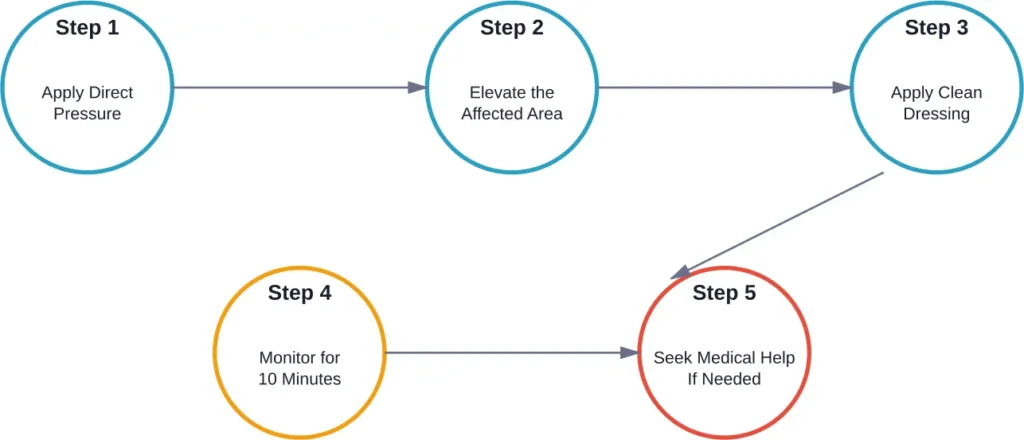
Apply direct pressure. Use a clean cloth, gauze, or even your hand if nothing else is available. Press firmly on the wound for at least 10 minutes without peeking—lifting the cloth restarts the bleeding process.
Elevate the affected area. Raising the injured limb above heart level reduces blood flow to the area through simple gravity. This technique works particularly well for arm and leg injuries.
Keep pressure consistent. According to MedlinePlus guidelines, if bleeding doesn’t stop after 10 minutes of continuous pressure, seek medical attention immediately.
When to Use a Tourniquet
Tourniquets are rarely needed for venous bleeding. Reserve them for severe arterial bleeding or situations where direct pressure fails and professional help isn’t immediately available.
If you must apply a tourniquet, tighten it until bleeding stops and note the application time. Traditional guidance recommended loosening tourniquets every 10-15 minutes to avoid tissue damage.
Special Case: Bleeding Varicose Veins
Varicose veins present unique challenges when cut.
These enlarged, twisted veins sit close to the skin surface and contain more blood than typical superficial veins. NIH research on bleeding varicose veins indicates they can be easily damaged and may produce unexpectedly severe bleeding.
The treatment approach remains similar—direct pressure and elevation—but the larger blood volume means bleeding may take longer to control. Lay the person down, elevate the affected leg, and maintain firm pressure. Most varicose vein bleeding stops within 10-15 minutes with proper technique.
Complications and When to Seek Medical Help
While most superficial vein cuts heal without complications, certain situations demand professional medical attention.
Call 911 or seek emergency care if:
- Bleeding continues after 10 minutes of direct pressure
- The cut is deep or gaping
- You can see underlying tissue, muscle, or bone
- Signs of shock appear (pale skin, rapid heartbeat, confusion, dizziness)
- The injury involves a joint, hand, or face
- Foreign objects are embedded in the wound
According to research on vascular extremity trauma, deep vein injuries can lead to significant complications including blood loss, compartment syndrome, and long-term circulatory problems.
Long-Term Complications
Untreated or improperly treated vein injuries may result in:
- Infection from contaminated wounds
- Scarring and tissue damage
- Chronic venous insufficiency
- Blood clots (thrombosis)
- Nerve damage if surrounding structures are affected
How Veins Heal After Being Cut
Vein healing follows a predictable pattern.
Superficial vein cuts typically follow a predictable healing pattern over days to weeks. The body forms a blood clot at the injury site, then gradually rebuilds the vessel wall. Larger veins may take weeks to heal completely, and some damaged veins may never fully restore their original function.
The healing process involves several stages:
Initial clotting happens within minutes to hours. Inflammation and white blood cell activity peak around days 2-5. New tissue formation begins within a week, and complete remodeling can take several weeks to months depending on injury severity.
Frequently Asked Questions
Blood loss from a superficial vein cut is usually minimal with proper first aid. Deep vein injuries can result in significant blood loss, potentially leading to shock if untreated. The specific amount depends on the vein’s size, location, and how quickly bleeding is controlled.
While less dangerous than arterial injuries, cutting a major wrist vein can potentially be life-threatening if bleeding isn’t controlled. Death would require substantial blood loss over an extended period. Immediate application of direct pressure and elevation typically prevents dangerous blood loss from wrist vein injuries.
Capillary bleeding involves the smallest blood vessels and appears as slow, oozing blood flow from scrapes or shallow cuts. Venous bleeding produces a steadier, more substantial flow of dark red blood. Capillary bleeding usually stops on its own within minutes, while vein cuts require direct pressure.
Never remove objects embedded in deep wounds. The object may be providing pressure that limits bleeding, and removal could cause severe hemorrhage. Cover the area with clean material, stabilize the object to prevent movement, and seek immediate medical attention.
Arterial bleeding produces bright red blood that spurts rhythmically with your heartbeat. Venous bleeding flows steadily without spurting and appears dark red or maroon. Arterial injuries are medical emergencies requiring immediate professional care, while most venous injuries can be managed with first aid.
Yes, vein injuries can trigger clot formation. While clotting at the injury site is normal and necessary for healing, sometimes clots form deeper in the venous system, potentially leading to deep vein thrombosis (DVT). Seek medical evaluation if you develop swelling, pain, or warmth in the affected limb days after the initial injury.
Cuts longer than half an inch, deeper than a quarter inch, or with gaping edges typically require stitches. If you can see underlying tissue or fat, if the cut is on your face or hand, or if edges don’t naturally stay together, professional wound closure is recommended within 6-8 hours for best results.
Conclusion
Understanding what happens when you cut a vein empowers you to respond effectively in emergency situations.
Most venous injuries respond well to simple first aid—direct pressure, elevation, and clean dressing. The key is recognizing when home treatment suffices and when professional medical care becomes necessary.
Remember: steady, dark red blood flow suggests venous bleeding. Bright red spurting indicates arterial damage and requires immediate emergency response. When in doubt, seek medical evaluation. Vascular trauma may seem minor initially but can lead to serious complications if improperly managed.
Keep basic first aid supplies accessible and know emergency contact numbers. That preparation could make all the difference when seconds count.