

Quick Summary: Amazon listing optimization tools help sellers improve product visibility, keyword targeting, and conversion rates through data-driven insights. The most comprehensive solutions include Helium 10, Jungle Scout, and Sonar, which offer keyword research, competitor analysis, and listing quality scoring. Effective optimization combines backend search term management, compelling product titles, high-quality images, and strategic A+ Content to boost rankings and sales.
Getting found on Amazon isn’t optional anymore. With millions of products competing for attention, the difference between page one and page four can make or break your revenue stream.
According to competitive content, 70% of all sales go to products on the first page of Amazon search results. That single statistic explains why sellers invest heavily in optimization tools that promise better rankings, cleaner keyword targeting, and tighter conversion funnels.
But which tools actually deliver? And how do you build a stack that improves your full listing system rather than just tweaking copy?
This guide breaks down the most effective Amazon listing optimization tools available in 2026, focusing on platforms that address keyword research, content optimization, competitive intelligence, and performance tracking. No fluff—just the tools that matter and how to use them strategically.
Streamline Your Amazon Advertising with Data-Driven Insights

Manual campaign management often leads to inefficiencies and missed opportunities. To maintain a competitive edge, sellers increasingly rely on advanced analytics platforms to centralize their operations and automate routine tasks. WisePPC offers a comprehensive suite of tools designed to help sellers optimize their performance through better data visibility and execution.
Key capabilities include:
- Centralized Analytics: Consolidates ad results, organic performance, and sales data into a single dashboard.
- Automated Optimization: Identifies underperforming campaigns and keywords, allowing for rapid adjustments to budgets and bids.
- Granular Performance Tracking: Provides hourly insights into target and ad placement performance.
- Long-Term Data Storage: Retains historical performance data beyond Amazon’s standard retention periods for deeper trend analysis.
- Bulk Management: Enables users to edit multiple campaigns, ad groups, or targets simultaneously to save time on repetitive tasks.
Register on WisePPC to begin managing your campaigns more effectively.
Why Amazon Listing Optimization Matters More Than Ever
Amazon’s A9 algorithm prioritizes relevance and performance. Products that match search intent, convert browsers into buyers, and maintain positive metrics rise to the top. Those that don’t get buried.
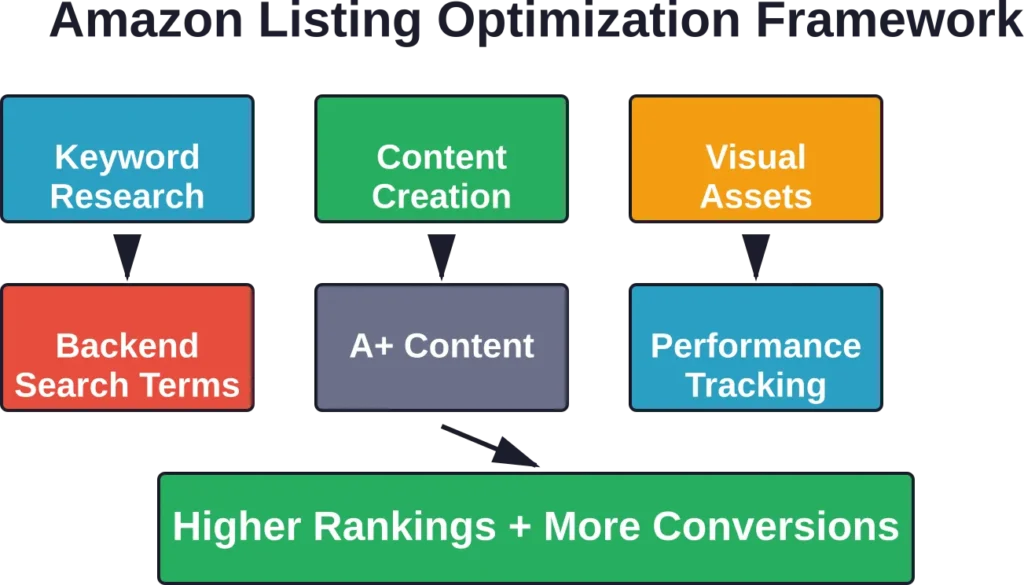
The optimization process touches every element of your product detail page: titles, bullet points, backend search terms, images, A+ Content, reviews, and pricing. Miss one component, and the entire listing underperforms.
According to Amazon Seller Central’s Review updated bullet point requirements (published July 31, 2024), standardized bullet points enable customers to quickly compare products and make informed purchase decisions. The platform now uses generative AI to detect non-compliant content and suggest improvements before publishing.
That means optimization isn’t just about keyword density anymore. It’s about creating proof-rich content that aligns with both algorithmic ranking factors and actual shopper behavior.
Core Categories of Amazon Listing Optimization Tools
Not all optimization tools solve the same problems. Breaking them into functional categories helps identify which ones belong in your stack.
Keyword Research and Discovery Tools
These platforms identify high-volume search terms, uncover competitor keyword strategies, and surface long-tail opportunities that drive qualified traffic.
Effective keyword research tools pull data directly from Amazon’s autocomplete suggestions, combine it with historical search volume estimates, and flag terms with strong conversion potential versus those that generate clicks but no sales.
Listing Content Optimization Tools
Once keywords are identified, content optimization tools help structure titles, bullet points, and descriptions that satisfy both algorithm requirements and shopper expectations.
The best platforms score listing quality in real time, flag missing keywords, check character limits, and ensure compliance with Amazon’s style guidelines before submission.
Competitive Intelligence Platforms
Understanding how competitors structure their listings, which keywords they rank for, and what pricing strategies they use provides tactical advantages that inform optimization decisions.
These tools track competitor listings over time, identify gaps in their keyword coverage, and reveal which products dominate specific search terms.
Visual Content and A+ Content Tools
Images drive conversion. Tools in this category help create high-quality product photography, infographics, comparison charts, and enhanced brand content that builds trust and clarifies product benefits.
According to Bazaarvoice research cited in competitor content, 74% of consumers trust shopper content more than brand-provided content. That shifts optimization focus toward user-generated visuals and authentic product demonstrations.
Performance Analytics and Tracking Tools
Optimization isn’t a one-time event. Performance tracking tools monitor keyword rankings, conversion rates, traffic sources, and profitability metrics to identify what’s working and what needs adjustment.
Top Amazon Listing Optimization Tools for 2026
Here’s where theory meets practice. These platforms represent the most effective solutions currently available, organized by primary function.
Helium 10: Comprehensive All-in-One Platform

Helium 10 remains the industry standard for sellers who need a complete optimization suite under one login.
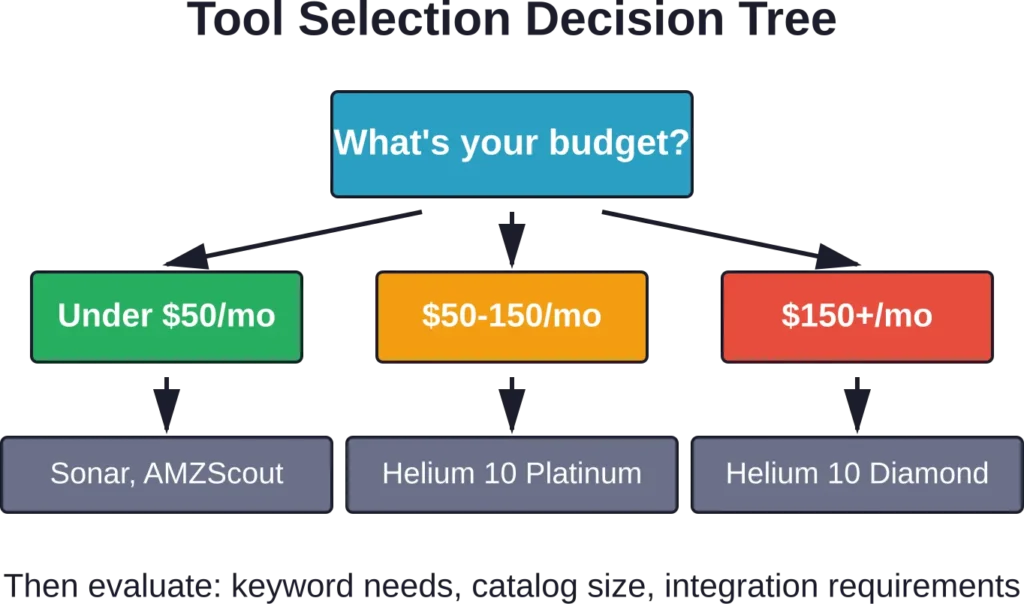
The platform combines keyword research (Cerebro, Magnet), listing optimization (Scribbles, Listing Analyzer, Listing Builder), inventory management, and profit analytics. According to official pricing, Helium 10 offers a Free plan, with paid plans starting at $129 per month for Platinum, with Platinum at $129/month (or $1,188/year) and Diamond at $359/month (or $3,348/year).
Helium 10 offers a Free plan with limited access to core tools. Specific feature allocations may vary; check Helium 10’s current pricing page for exact free tier specifications.
What sets Helium 10 apart is depth. Cerebro reverse-engineers competitor keyword strategies by showing which search terms drive traffic to any ASIN. Frankenstein and Scribbles help process and organize keywords into optimized listing components without exceeding character limits.
Listing Analyzer scores listing quality and identifies optimization opportunities based on keyword coverage, image count, review velocity, and compliance with Amazon’s requirements.
Jungle Scout: Product Research Meets Listing Optimization

Jungle Scout started as a product research tool but evolved into a full optimization platform.
The Keyword Scout feature identifies high-volume search terms and estimates monthly search volume. Listing Builder then helps structure those keywords into compliant titles and bullet points.
Pricing information for Jungle Scout should be verified on their official website, as specific current pricing is not available in source materials. The platform excels at connecting product research data with listing strategy—helping sellers understand not just which keywords to target, but which products are worth launching in the first place.
The sales estimator uses historical data to project monthly revenue for specific ASINs, which helps validate whether optimizing a particular listing justifies the effort.
Sonar by Sellics: Free Keyword Research Tool

Sonar provides free Amazon keyword research without feature limits or usage caps.
It pulls data from Amazon autocomplete and historical search behavior to surface relevant keywords, synonyms, and long-tail variations. The tool supports multiple Amazon marketplaces, making it valuable for international sellers.
While Sonar lacks the advanced filtering and competitive analysis features found in premium tools, its zero-cost entry point makes it ideal for new sellers or those testing keyword strategies before committing to paid platforms.
SellerApp: AI-Driven Listing Optimization

SellerApp uses machine learning to analyze listing performance and recommend specific improvements.
The Listing Quality Score evaluates titles, bullet points, descriptions, images, and backend search terms, then assigns a numerical grade with actionable suggestions for improvement.
SellerApp offers pricing plans; specific current pricing should be verified on their official website. The platform integrates PPC management, inventory tracking, and profit analytics alongside optimization tools, making it suitable for sellers who want multiple functions in a single dashboard.
Viral Launch: Market Intelligence and Listing Optimization

Viral Launch combines market research, keyword discovery, and listing optimization with a focus on launch strategy.
The Listing Analyzer tool scores listings and compares them against top-ranking competitors in the same category. Keyword Manager organizes terms by search volume, relevance, and competition level.
The platform also offers listing writing services for sellers who prefer outsourcing content creation to experienced copywriters familiar with Amazon’s requirements.
AMZScout: Budget-Friendly Optimization Suite

AMZScout targets budget-conscious sellers who need core optimization features without enterprise pricing.
The keyword tracker monitors ranking positions over time, while the product database identifies trending items and underserved niches. Browser extensions provide instant competitor analysis while browsing Amazon.
AMZScout offers pricing plans; current rates should be verified on their official website.
| Tool | Primary Strength | Starting Price | Best For |
|---|---|---|---|
| Helium 10 | Comprehensive feature set | $129/month | Serious sellers needing full optimization suite |
| Jungle Scout | Product research + optimization | Varies | Sellers launching new products |
| Sonar | Free keyword research | Free | New sellers, testing strategies |
| SellerApp | AI-driven recommendations | Varies | Data-driven optimization approach |
| Viral Launch | Launch strategy integration | Varies | Product launches, market research |
| AMZScout | Budget-friendly access | Varies | Cost-conscious sellers |
How to Choose the Right Amazon Listing Optimization Tool
No single tool dominates every use case. Selection depends on business stage, budget, product catalog size, and optimization goals.
Assess Your Current Listing Performance
Start by auditing existing listings. Which products rank on page one? Which ones generate traffic but don’t convert? Where do keyword gaps exist?
Tools with listing analyzer features help quantify current performance and identify specific weaknesses—missing keywords, non-compliant bullet points, insufficient images, or weak backend search term coverage.
Define Your Primary Optimization Goals
Are you launching new products and need keyword discovery? Optimizing existing listings for better conversion? Tracking competitor strategies?
Different tools excel at different tasks. Helium 10 offers the broadest feature set but may be overkill if all you need is basic keyword research. Sonar works fine for that at zero cost.
Consider Integration Requirements
Many sellers use multiple tools that need to share data. Check whether platforms integrate with your existing inventory management system, PPC tools, or analytics dashboards.
Platforms like SellerApp and Viral Launch bundle multiple functions, reducing the need for separate subscriptions and manual data transfers.
Evaluate Budget Against ROI
A $359 per month tool makes sense when it generates thousands in additional monthly revenue. It doesn’t make sense when your total sales are $2,000 per month.
Calculate expected ROI based on current traffic and conversion rates. If optimizing a listing increases conversion by 2% and you get 1,000 monthly visitors with a $30 average order value, that’s $600 in additional monthly revenue—easily justifying most tool subscriptions.
Amazon’s Native Optimization Resources
Before investing in third-party tools, explore what Amazon provides for free inside Seller Central.
Amazon Brand Analytics

Brand-registered sellers get access to Amazon Brand Analytics, which reveals top search terms, customer behavior patterns, and competitive intelligence.
The Search Query Performance report shows which keywords drive impressions, clicks, and conversions for your products. The Search Catalog Performance report identifies opportunities to add new search terms or improve existing ones.
This data comes directly from Amazon’s internal systems—no estimation or approximation. It’s the most accurate keyword performance data available.
A+ Content Manager

A+ Content (formerly Enhanced Brand Content) lets brand-registered sellers create rich product descriptions with images, comparison charts, and formatted text modules.
According to Amazon Seller Central guidance, A+ Content helps customers make informed purchase decisions by providing detailed product information in visually engaging formats.
The manager tool includes templates, image upload functionality, and compliance checking before submission. All features are free for eligible sellers.
Manage Your Experiments
Amazon’s built-in A/B testing tool lets sellers test different titles, main images, and A+ Content variations to identify which version drives better conversion rates.
The platform automatically splits traffic between variants and tracks performance over a statistically significant testing period before declaring a winner.
This eliminates guesswork around optimization decisions and provides empirical data about what actually works with real shoppers.
Building an Effective Optimization Workflow
Tools only work when integrated into a systematic optimization process. Here’s a proven workflow structure.
Step 1: Comprehensive Keyword Research
Start with broad keyword discovery using tools like Helium 10’s Magnet or Jungle Scout’s Keyword Scout. Generate a master list of relevant search terms.
Then validate those keywords using Amazon Brand Analytics data to confirm actual search volume and conversion rates. Prioritize terms that show both volume and commercial intent.
Step 2: Competitive Keyword Gap Analysis
Use reverse ASIN lookup tools (Cerebro in Helium 10, Keyword Scout in Jungle Scout) to identify which keywords drive traffic to top-ranking competitor listings.
Flag terms your competitors rank for but your listings don’t. These represent immediate optimization opportunities with proven demand.
Step 3: Listing Content Creation
Structure titles following Amazon’s recommended formula: Brand + Model/Product Name + Key Features + Size/Dimensions + Color.
According to Amazon Seller Central’s guidance, effective titles should be concise and descriptive, with primary keywords toward the beginning. Capitalize the first letter of each word and avoid promotional language or subjective claims.
Create bullet points that highlight key features and benefits clearly. Amazon’s updated requirements effective August 15, 2024 restrict special characters, emojis, and refund-related guarantees. Focus on factual information that helps customers compare products.
Step 4: Backend Search Term Optimization
Use tools like Scribbles to organize keywords and ensure you’re not exceeding Amazon’s backend search term character limits.
Avoid redundancy—don’t repeat keywords that already appear in titles or bullet points. Focus on synonyms, alternate spellings, and related terms that expand discoverability without cannibalizing visible content space.
Step 5: Visual Asset Creation and A+ Content
Invest in high-quality product photography that shows the product from multiple angles, demonstrates scale, and highlights key features.
Create infographics that communicate product benefits, technical specifications, or usage scenarios. According to Sprout Social data cited in source materials, 64% of consumers say genuine reviews are the most effective influencer content type—consider incorporating user-generated content where appropriate.
Build A+ Content modules that provide deeper product information, comparison charts, and brand storytelling that plain text descriptions can’t deliver.
Step 6: Performance Monitoring and Iteration
Track keyword rankings, conversion rates, and traffic patterns weekly using tools like Helium 10’s Keyword Tracker or SellerApp’s analytics dashboard.
Identify underperforming listings and investigate root causes. Low traffic suggests keyword targeting issues. High traffic but low conversion indicates problems with images, pricing, reviews, or product-market fit.
Test changes systematically using Amazon’s Manage Your Experiments tool rather than making multiple simultaneous changes that obscure cause-and-effect relationships.
Common Optimization Mistakes to Avoid
Even experienced sellers fall into predictable traps that undermine optimization efforts.
Keyword Stuffing
Cramming every possible keyword into titles and bullet points creates unreadable content that violates Amazon’s style guidelines and repels shoppers.
Amazon’s AI now detects keyword stuffing and may automatically rewrite non-compliant content. Focus on natural language that serves shoppers first, algorithms second.
Ignoring Mobile Optimization
Most Amazon shoppers browse on mobile devices. Titles that work fine on desktop get truncated on mobile, hiding critical keywords and product features.
Test how listings render on mobile before publishing. Ensure the first 80 characters of titles contain the most important information.
Static Optimization
Launching optimized listings then never touching them again wastes opportunity. Search trends change, competitors adjust strategies, and Amazon updates requirements.
Schedule quarterly listing audits to refresh keywords, update images, and incorporate new customer feedback insights into copy.
Neglecting Backend Search Terms
Backend search terms expand discoverability without cluttering visible content. Leaving these fields blank or using them poorly limits ranking potential.
Use every available character strategically with relevant synonyms, alternate spellings, and related terms.
Overlooking Proof Elements
Shoppers increasingly distrust pure brand messaging. Research indicates that genuine reviews, user-generated photos, and detailed Q&A sections are important factors in purchase decisions.
Encourage customer reviews, respond to questions promptly, and incorporate authentic customer feedback into listing improvements.
Advanced Optimization Strategies for 2026
Beyond basic best practices, sophisticated sellers use these advanced tactics to gain competitive edges.
Seasonal Keyword Rotation
Search demand shifts seasonally. Products with holiday applications should rotate keywords to capture seasonal intent spikes.
Use keyword tracking tools to identify when specific terms begin trending upward, then update listings 4-6 weeks before peak season to capture early demand.
Category-Specific Optimization
Different Amazon categories have different title requirements, image specifications, and buyer expectations.
Consult category-specific style guides available in Seller Central under Inventory File Templates > Category-Specific Templates. These documents specify exact requirements for titles, variations, and product attributes.
Localization for International Marketplaces
Selling across multiple Amazon marketplaces requires more than simple translation. Cultural preferences, search behavior, and competitive landscapes differ by region.
Tools like Helium 10 and Jungle Scout support multiple marketplaces with localized keyword data. Research keywords specifically for each marketplace rather than assuming direct translation works.
Video Integration
Amazon now allows video uploads on product detail pages. Video content typically increases conversion rates by demonstrating product functionality and building trust.
Create short (under 60 seconds) demonstration videos showing the product in use, addressing common customer questions, or highlighting key features.
Measuring Optimization Success
Data-driven optimization requires tracking the right metrics consistently.
Keyword Ranking Positions
Track where your products rank for target keywords weekly. Upward movement indicates optimization effectiveness. Stagnation or decline signals needed adjustments.
Focus on top 20 positions—these drive meaningful traffic. Rankings beyond page two rarely generate significant clicks.
Organic Traffic Volume
Monitor total sessions from organic search through Amazon Brand Analytics or third-party tools. Growing organic traffic validates keyword targeting decisions.
Conversion Rate
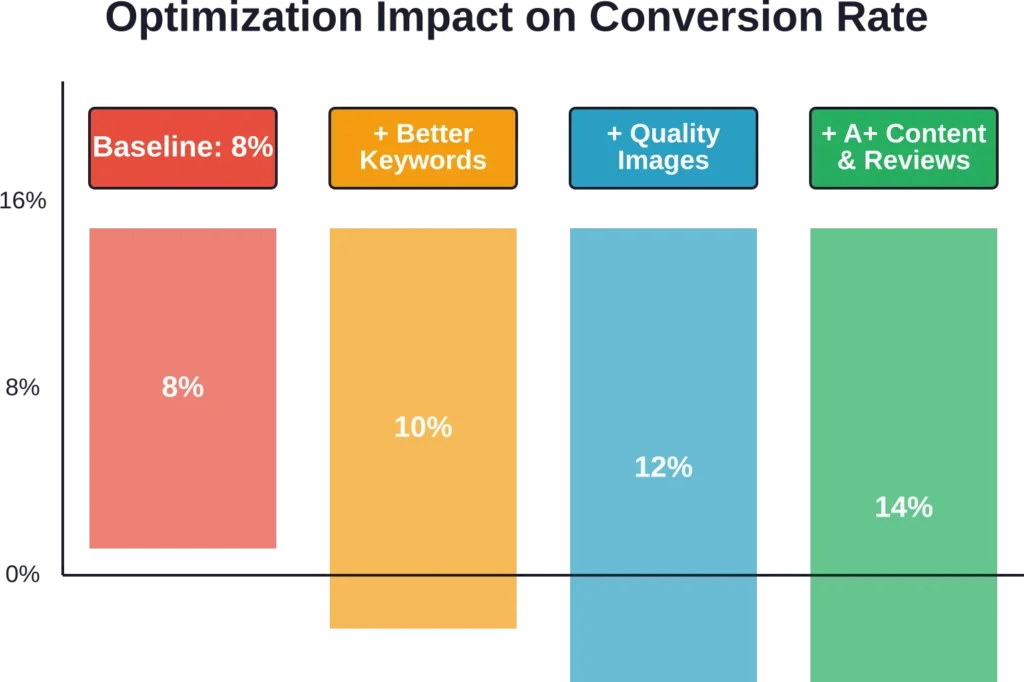
Track conversion rate (orders divided by sessions) at the listing level. Improving conversion indicates effective content, images, and pricing.
Amazon’s average conversion rates vary by category, but most healthy listings convert between 10-15%. Anything below 8% suggests optimization opportunities.
Click-Through Rate
CTR measures how often shoppers click your listing when it appears in search results. Low CTR despite good ranking positions indicates weak titles or main images.
Revenue Per Session
This metric combines traffic quality with conversion efficiency. Rising revenue per session means you’re attracting better-qualified shoppers and converting them more effectively.
| Metric | What It Measures | Healthy Range | Red Flag |
|---|---|---|---|
| Keyword Ranking | Search visibility position | Top 20 for primary keywords | Beyond page 2 |
| Conversion Rate | Purchase efficiency | 10-15% | Below 8% |
| Click-Through Rate | Title/image appeal | 0.5-1.5% | Below 0.3% |
| Organic Traffic | Search discoverability | Growing month-over-month | Declining or flat |
Future Trends in Amazon Listing Optimization
The optimization landscape continues evolving as Amazon updates algorithms and shopper behavior shifts.
AI-Generated Content Assistance
Amazon now uses generative AI to suggest listing improvements and automatically rewrite non-compliant content. According to Seller Central announcements, sellers receive AI-generated suggestions for review before publication.
This shifts optimization focus from mechanical compliance toward strategic positioning and proof elements that AI can’t replicate.
Voice Search Optimization
Alexa and voice shopping change how customers search. Voice queries tend to be longer and more conversational than typed searches.
Optimizing for voice means incorporating natural language question phrases and ensuring product attributes are complete and accurate for voice assistant retrieval.
Visual Search Integration
Amazon’s visual search features let shoppers find products by uploading images. This elevates the importance of distinctive product photography that accurately represents unique features.
Sustainability and Social Proof
Shoppers increasingly filter for sustainable products and prioritize sellers with strong social proof. Optimization strategies need to highlight eco-friendly attributes, certifications, and authentic customer experiences.
Frequently Asked Questions
Sonar by Sellics offers comprehensive free keyword research without usage limits or paywalls. Amazon’s native Brand Analytics tools provide the most accurate performance data for brand-registered sellers at no cost. For sellers just starting, combining Sonar for keyword discovery with Amazon’s built-in analytics covers basic optimization needs effectively.
Review listings quarterly at minimum to refresh keywords, update seasonal content, and incorporate customer feedback. High-velocity products or those in competitive categories benefit from monthly reviews. Whenever Amazon updates listing requirements—like the August 2024 bullet point changes—audit and update immediately to maintain compliance.
No tool guarantees rankings because Amazon’s A9 algorithm weighs multiple factors including sales velocity, click-through rate, conversion rate, and customer satisfaction metrics. Tools provide data and structure to make better optimization decisions, but execution quality and product-market fit ultimately determine ranking success. Think of tools as diagnostic instruments rather than automatic solutions.
Frontend keywords appear visibly in titles, bullet points, and descriptions—shoppers read them directly. Backend keywords (search terms) are hidden fields in Seller Central that expand discoverability without cluttering visible content. Both influence search rankings, but frontend keywords also impact conversion by communicating product value to shoppers. Effective optimization uses both strategically without redundancy.
Initial ranking changes typically appear within 7-14 days after updating listings as Amazon’s algorithm reindexes content. Full impact on organic traffic and sales often takes 30-60 days as improved rankings compound and seasonal factors normalize. Major optimizations—like restructuring titles or adding A+ Content—may show conversion rate improvements within days but need sustained monitoring to measure long-term ROI.
Absolutely. Amazon’s free Brand Analytics, A+ Content manager, and Manage Your Experiments tools provide substantial optimization capabilities at zero cost. Free keyword research tools like Sonar supplement Amazon’s native features effectively. Paid tools primarily accelerate research, automate workflows, and provide deeper competitive intelligence—valuable for scaling but not strictly required for basic optimization success.
Amazon may suppress non-compliant listings from search results, automatically rewrite content using AI, or in severe cases suspend selling privileges. The August 2024 updates introduced AI-powered compliance checking that flags special characters, emojis, and prohibited phrases. Amazon typically notifies sellers and provides opportunity to correct violations before imposing penalties, but repeated non-compliance escalates consequences.
Conclusion: Building a Sustainable Optimization Strategy
Amazon listing optimization isn’t a one-time project. It’s an ongoing process that responds to algorithm updates, competitive shifts, and evolving shopper expectations.
The tools covered here provide the data infrastructure and workflow automation needed to compete effectively. But tools alone don’t win. Strategy, execution consistency, and genuine customer focus determine long-term success.
Start with clear goals: specific keyword rankings, conversion rate targets, or traffic thresholds. Choose tools that address the biggest current bottleneck—keyword discovery, content quality, competitive intelligence, or performance tracking.
Implement systematically. Test changes individually using Amazon’s A/B testing features. Track metrics weekly. Iterate based on data rather than assumptions.
Most importantly, remember that optimization serves shoppers first. Listings that clearly communicate value, provide proof through reviews and visuals, and accurately represent products will always outperform technically perfect but soulless content.
Ready to improve your Amazon listings? Start by auditing your current keyword coverage using a free tool like Sonar, then prioritize the gaps that offer the biggest revenue opportunity. Small, consistent improvements compound into significant competitive advantages over time