

Quick Summary: The best mobile web development companies in 2026 combine technical expertise, proven track records, and specialized industry focus. This list covers 15 leading agencies—from enterprise-grade platforms to agile startups—evaluated on their service offerings, client reviews, and areas of specialization, helping you find the right technical partner for your mobile web project.
Finding the right mobile web development company isn’t just about technical skills anymore. The landscape has shifted. Modern agencies need to balance cutting-edge technology with user-centered design, security standards with performance optimization, and enterprise scalability with startup agility.
The stakes are high. A poorly executed mobile web platform can tank conversion rates, alienate users, and waste months of runway. But partner with the right agency? That’s when digital products become growth engines.
This guide breaks down 15 mobile web development companies that have proven themselves in 2026. These aren’t generic software shops—each brings distinct strengths, whether that’s progressive web app architecture, healthcare compliance, or real-time data platforms.
Top 15 Mobile Web Development Companies
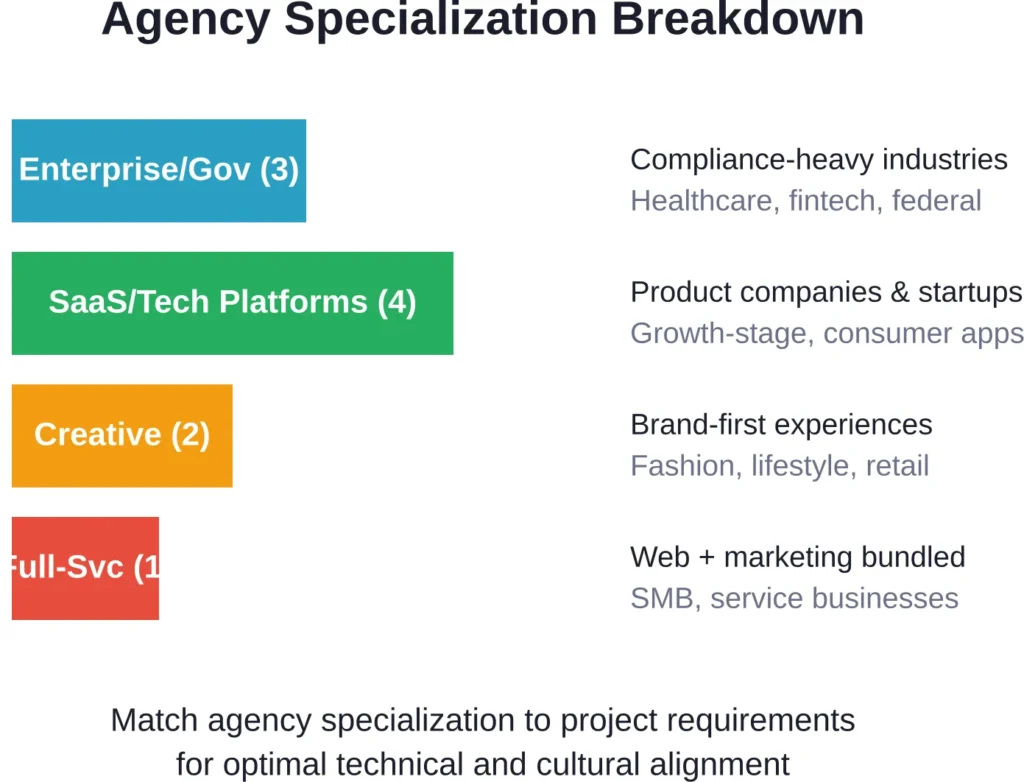
The agencies below represent different approaches, price points, and specializations. Some excel at enterprise complexity. Others move fast on consumer products. A few bridge both worlds.
What they share: verified client success, technical depth, and a track record of shipping production-grade mobile web applications that solve real business problems.
1. Mobian Studio
Mobian Studio builds dedicated engineering teams that deliver production-ready mobile web applications with speed and precision. They specialize in turning complex requirements into scalable, high-performance digital products that competitors struggle to match in time-to-market.
Their European base gives them access to strong technical talent while serving clients across Europe and North America who need reliable delivery without the risks of traditional hiring.
Clients praise their ability to combine clean architecture, clear communication, and domain expertise in regulated sectors, resulting in systems that scale smoothly from early users to enterprise volumes.
Best for: Mobile web applications and dedicated team delivery
Location: Tallinn, Estonia
Industries served: Healthcare, fintech, logistics, IT
Contact Information:
- Website: mobian.studio
- Phone: [email protected]
- Address: Harju maakond, Tallinn, Kesklinnalinnaosa, Masina tn 22, 10113
- LinkedIn: www.linkedin.com/company/mobian-studio
2. A-listware

A-listware excels at providing skilled development teams for responsive and secure mobile web solutions. They focus on seamless integration with client processes while delivering high-quality, budget-conscious digital products.
Based in the UK with European delivery hubs, they maintain proximity to Western markets and regulatory environments that demand strong compliance and communication standards.
Their strength lies in acting as a true extension of client teams, enabling consistent delivery across web, mobile, and cloud environments without the usual friction of outsourcing.
Best for: Dedicated development teams and mobile web solutions
Location: London, United Kingdom
Industries served: Enterprise, SMBs, startups
Contact Information:
- Website: a-listware.com
- Phone: +1 (888) 337 93 73
- Email: [email protected]
- Address: North Bergen, NJ 07047, USA
- LinkedIn: www.linkedin.com/company/a-listware
- Facebook: www.facebook.com/alistware
3. Gilzor

Gilzor delivers full-cycle custom development with a strong emphasis on mobile and web applications that drive real business growth. They excel at building products from idea validation through to scalable deployment.
Their global yet Europe-rooted presence allows efficient collaboration with startups and SMBs looking for strategic technical partners rather than just coders.
Teams consistently highlight their user-centric approach and ability to create intuitive interfaces that improve conversion rates and user retention from day one.
Best for: Custom mobile web development for startups and growing businesses
Location: Limassol, Cyprus
Industries served: Startups, SMBs, product companies
Contact Information:
- Website: www.gilzor.com
- Email: [email protected]
- Address: Poland, Warsaw, Office 58, street Adama Mickiewicza 37, 01-625
- LinkedIn: www.linkedin.com/company/gilzor-softwaredevelopment
4. OSKI Solutions
OSKI Solutions creates smart, scalable web and mobile solutions powered by modern frontend technologies and cloud architecture. They focus on delivering intuitive digital experiences that support business expansion and operational efficiency.
Headquartered in Estonia, they combine Baltic engineering excellence with proximity to European and global markets that value quality and innovation.
Clients value their expertise in turning technical capabilities into measurable outcomes, particularly in industries where user experience directly impacts revenue and loyalty.
Best for: Modern mobile web platforms and cloud-integrated applications
Location: Tallinn, Estonia
Industries served: Fintech, logistics, e-commerce, education
Contact Information:
- Website: oski.site
- Phone: +48571282759
- Email: [email protected]
- Address: Kaupmehe tn 7, 10114 Tallinn, Estonia
- LinkedIn: www.linkedin.com/company/oski-solutions
5. Lengreo

Lengreo acts as a complete marketing and tech partner, building effective mobile web platforms and websites that generate leads and drive conversions. They combine development with strategy to create digital assets that actively support business growth.
With roots in Eastern Europe and focus on international clients, they understand the needs of B2B companies seeking measurable results from their digital presence.
Feedback repeatedly emphasizes their practical, results-oriented approach that delivers websites and applications capable of producing tangible opportunities and ROI improvements.
Best for: Marketing-driven mobile web development and lead-generation platforms
Location: Kyiv, Ukraine
Industries served: SaaS, IT services, professional services
Contact Information:
- Website: Lengreo.com
- Phone: +31 686 147 566
- Email: [email protected]
- Address: Vrijstraat 9 C/D, 5611 AT Eindhoven, Netherlands
- LinkedIn: Lengreo
- Twitter: @Lengreo
- Instagram: @lengreo
6. Digital Silk

Digital Silk handles the full spectrum of digital services—strategy, branding, web design, and development—with particular strength in mobile-responsive platforms for mid-market and enterprise clients.
They differentiate through their discovery process, investing significant upfront time in understanding business context before jumping into design or development. That strategic foundation prevents the common problem of beautifully executed projects that don’t actually solve the right problems.
Their client roster includes established brands undergoing digital transformation rather than startups building from scratch. That experience shows in how they handle organizational complexity, stakeholder management, and integration with legacy systems.
Best for: Established companies needing full-service digital transformation
Location: Multiple offices globally
Industries served: Enterprise, retail, professional services
7. Huemor

Huemor builds websites that prioritize lead generation and conversion optimization for B2B companies. They understand that business websites aren’t art projects—they’re sales tools that need to perform measurable functions.
Their approach combines design with growth marketing principles. Every layout decision ties back to user journey optimization and conversion rate improvement. That data-driven mindset resonates with clients who need to justify web investments with revenue impact.
They’re particularly effective for companies with longer sales cycles where the website needs to nurture prospects through multiple touchpoints before conversion. Think professional services, B2B SaaS, and complex technical products.
Best for: B2B companies focused on lead generation
Location: New York
Industries served: B2B SaaS, professional services, technology
8. Locomotive

Locomotive specializes in creating immersive, animation-rich web experiences that push the boundaries of what’s possible in browser technology. They’re known for ambitious interactive projects that showcase brand storytelling.
Based in Montreal, they bring a distinctly international perspective to web development. Their work often features custom WebGL implementations, sophisticated scroll-based animations, and performance optimization that keeps rich media experiences running smoothly across devices.
This isn’t the agency for simple brochure sites. But for brands that compete on innovation and want their web presence to reflect that positioning, Locomotive delivers technically impressive work that generates industry attention.
Best for: Brands wanting cutting-edge interactive experiences
Location: Montreal, Canada
Industries served: Fashion, entertainment, consumer brands
9. Basic Agency (DEPT)

Now part of DEPT, Basic Agency maintains its identity as a digitally-native creative studio specializing in brand-driven web experiences. They excel at projects where brand expression and technical execution need equal weight.
Their portfolio demonstrates strength across mobile web platforms that balance aesthetic sophistication with functional performance. They don’t sacrifice usability for visual impact, which is the trap many design-forward agencies fall into.
The DEPT acquisition expanded their capabilities into commerce, data, and technology consulting while preserving the creative culture that built Basic’s reputation. That combination of boutique sensibility and enterprise infrastructure serves mid-market clients particularly well.
Best for: Brand-driven companies needing creative + technical balance
Location: San Diego, California
Industries served: Consumer brands, lifestyle, retail
10. Thrive Internet Marketing Agency
Thrive differentiates through its integration of web development with full-spectrum digital marketing services. They don’t just build sites—they drive traffic, optimize conversions, and measure performance across the entire funnel.
Their documented results include substantial growth in referral traffic from AI platforms using innovative SEO strategies. From January to October 2025, total traffic from all AI platforms grew significantly for their portfolio, demonstrating adaptability to emerging search paradigms.
For companies that need both the technical infrastructure and the marketing expertise to drive results, Thrive’s bundled approach eliminates coordination headaches between separate web development and marketing agencies.
Best for: Companies wanting integrated web development and digital marketing
Location: Multiple US offices
Industries served: Healthcare, legal, home services, ecommerce
11. Fuselab Creative

Fuselab Creative has carved out a reputation for building data-heavy enterprise platforms that don’t sacrifice usability. They specialize in mobile web applications where complex information architecture meets strict compliance requirements.
Their sweet spot is healthcare, government, and fintech—industries where security isn’t optional and downtime isn’t acceptable. Based in McLean, Virginia, they maintain close proximity to federal agencies and healthcare systems that demand on-site collaboration.
Client feedback on Clutch consistently highlights their ability to translate technical jargon into business outcomes. That’s rarer than it sounds. Many agencies speak fluent code but struggle to connect infrastructure decisions to revenue impact or risk mitigation.
Best for: Enterprise data platforms requiring HIPAA, FedRAMP, or financial services compliance
Location: McLean, Virginia
Industries served: Healthcare, government, fintech
12. Clay

Clay operates at the premium end of the market, focusing on consumer applications where brand experience and technical polish both matter. Think apps that consumers choose to use, not enterprise tools people are forced to adopt.
Based in San Francisco, they tap into the design-forward culture of the Bay Area tech scene. Their portfolio skews toward tech companies and SaaS products where user acquisition costs are high and retention depends on exceptional UX.
They’re not the fastest option and they’re definitely not the cheapest. But for products where the interface is the product—where users judge quality within seconds of landing—Clay delivers work that stands up to scrutiny.
Best for: High-end consumer applications and SaaS products
Location: San Francisco, California
Industries served: Technology, SaaS, consumer tech
13. Code District
Code District positions itself at the intersection of full-stack development and emerging AI integration. They handle the complete build—backend architecture, API design, front-end implementation, and increasingly, machine learning model integration.
Washington, DC location gives them access to both government contracts and the growing tech corridor in the DMV area. Their focus on AI delivery sets them apart from traditional web shops still treating machine learning as a specialty add-on rather than core infrastructure.
For teams building intelligent applications—recommendation engines, natural language processing, computer vision—Code District brings both the ML expertise and the web development chops to ship production systems.
Best for: Full-stack development with AI/ML integration
Location: Washington, DC
Industries served: AI platforms, SaaS, data-driven applications
14. Excited Agency

Excited Agency takes a product-first approach to web design and development. They focus on clarity, structure, and conversion rather than surface-level aesthetics that don’t move business metrics.
Their process combines UX research, web design, branding, and motion design into cohesive systems that scale with the product. They’re particularly strong with growth-stage companies that have proven product-market fit but need to professionalize their digital presence.
Based on analysis of their work, Excited excels at creating websites that support long-term growth rather than requiring full rebuilds every 18 months. That architectural thinking—building for evolution, not just launch—saves clients significant time and budget over multi-year timelines.
Best for: Product-focused companies needing scalable web systems
Location: Distributed team
Industries served: SaaS, tech startups, growth-stage companies
15. Eleken
Eleken specializes exclusively in SaaS UI/UX design and web applications. They’re laser-focused on making complex web applications feel simple, fast, and usable—which is harder than it sounds when dealing with feature-rich enterprise platforms.
Founded in 2015, they’ve built a distributed team of over 100 designers and SaaS product experts. That scale allows them to staff projects quickly without sacrificing consistency or quality.
Community discussions frequently mention their impact on fundraising outcomes. Their design work has contributed to clients raising substantial funding—demonstrating that polish and usability directly influence investor perception of product maturity.
Best for: SaaS platforms and complex web applications
Location: Distributed team
Industries served: SaaS, enterprise software, web applications
What Makes a Mobile Web Development Company Worth Considering
Technical competence is table stakes. Every agency on this list can build functional mobile web applications. What differentiates them is how they approach problems that most developers overlook.
According to IEEE Standards Association work on socio-technical standards (published June 27, 2025), the development of digital platforms requires alignment with best practices and regulations across multiple domains, with focus on ethics, human values, and sustainable technology. The agencies that thrive understand this intersection of technical execution and broader responsibility.
Real talk: the best agencies don’t just code to spec. They challenge assumptions, identify edge cases, and architect systems that won’t crumble under scale or complexity.
Core Capabilities That Matter
Strong mobile web development companies share several characteristics. They maintain deep expertise in responsive frameworks and progressive web app standards. They understand performance optimization at the infrastructure level, not just front-end tweaks.
Security isn’t an afterthought—it’s baked into architecture decisions from day one. The same applies to accessibility. WCAG compliance should be standard, not an expensive add-on.
Cross-platform consistency matters too. Users don’t care about technical constraints. An experience that works beautifully on iOS Safari but breaks on Android Chrome isn’t a finished product.
Industry Specialization vs. Generalist Approach
Here’s where agencies diverge. Some build their reputation on vertical expertise—healthcare platforms that navigate HIPAA, fintech apps that handle regulatory compliance, or government systems with strict security clearances.
Others stay intentionally broad, arguing that cross-industry perspective prevents stagnation and brings fresh approaches to entrenched problems.
Neither approach is inherently superior. Match the agency’s experience to the complexity of the regulatory and technical environment. A consumer app startup has different needs than a hospital system digitizing patient records.
How to Choose the Right Mobile Web Development Partner
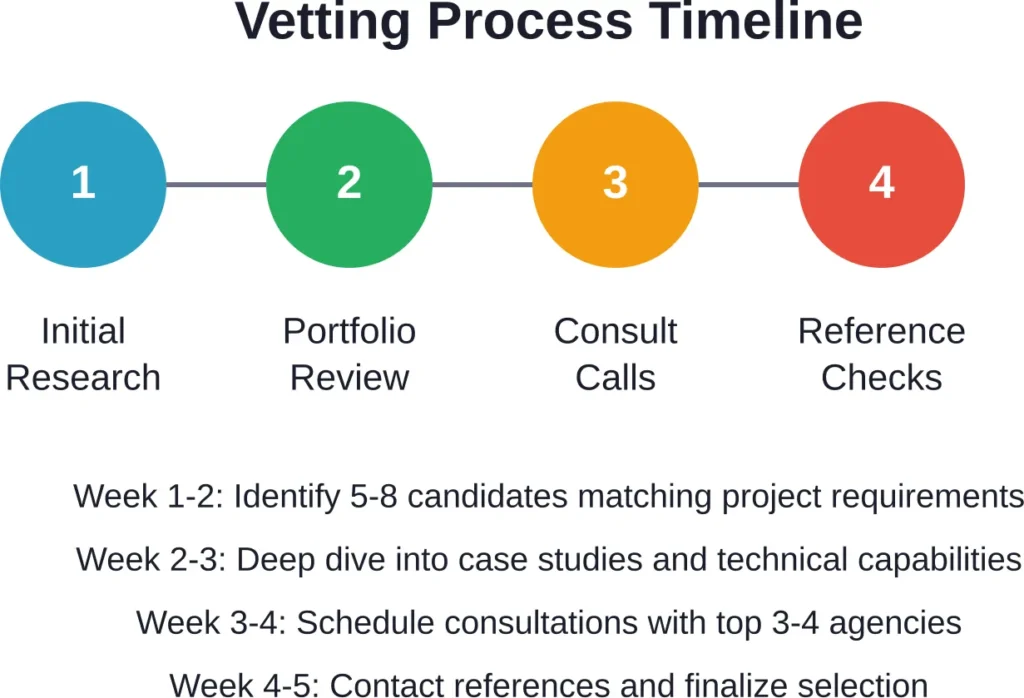
Scanning agency portfolios won’t tell the full story. Beautiful case studies can hide dysfunctional processes, budget overruns, and maintenance nightmares that only emerge months after launch.
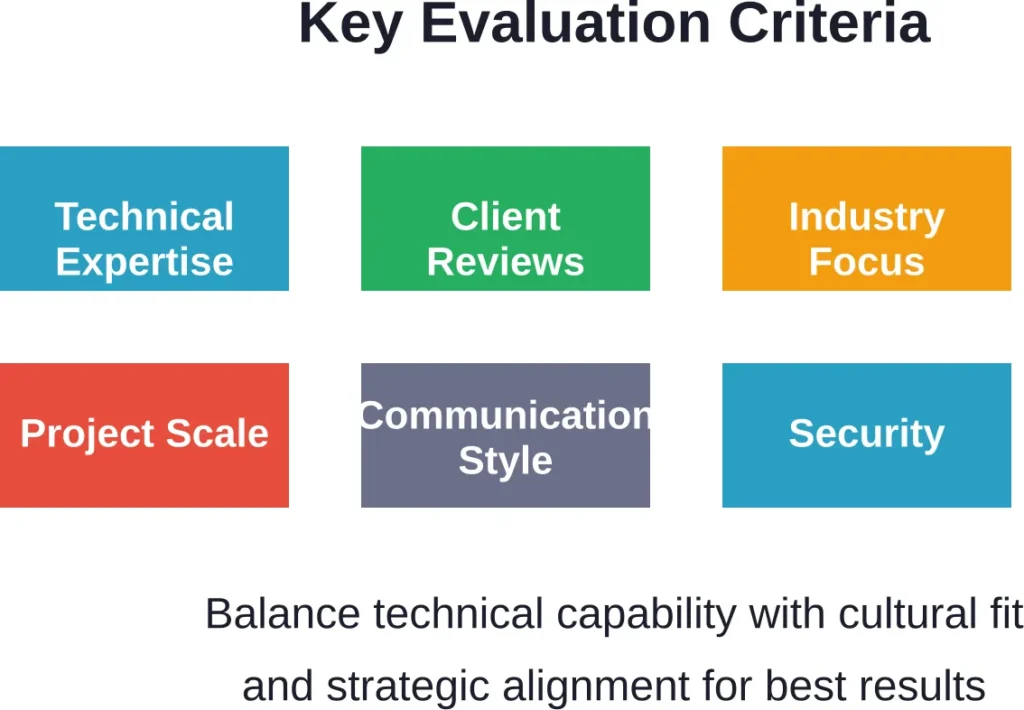
Here’s what actually matters when vetting mobile web development companies.
Technical Architecture Questions
Ask about their approach to progressive web apps versus native wrappers. Both have legitimate use cases, but the answer reveals whether they default to familiar patterns or actually evaluate trade-offs for each project.
Dig into their performance optimization methodology. Generic answers about image compression aren’t sufficient. Strong agencies discuss render-blocking resources, code splitting, lazy loading strategies, and real-user monitoring.
Security practices separate amateurs from professionals. How do they handle authentication? What’s their approach to API security? Do they conduct penetration testing? How do they manage dependency vulnerabilities?
Process and Communication
Development methodologies matter less than communication cadence and transparency. Agile, waterfall, or hybrid approaches can all work—if stakeholders have visibility into progress and can course-correct before problems compound.
Red flags include agencies that disappear for weeks between updates, resist providing access to staging environments, or treat client feedback as interference rather than collaboration.
The best partnerships feel like an extension of the internal team. Communication flows naturally. Technical decisions get explained in business context. Roadblocks get surfaced early with proposed solutions, not excuses.
Post-Launch Support
Maintenance and support models vary widely. Some agencies include monitoring and minor updates in ongoing retainers. Others charge hourly for any post-launch work. Neither approach is wrong, but mismatched expectations cause friction.
Clarify ownership of code, design files, and infrastructure access before contracts are signed. Exiting a relationship shouldn’t hold the product hostage or require expensive migration work.
The agencies that build long-term relationships typically offer flexible support tiers that scale with client needs—from basic monitoring to dedicated development capacity.
Mobile Web Development Trends Shaping 2026
The mobile web development landscape continues evolving rapidly. Agencies that stay ahead of these shifts deliver more future-proof solutions.
Progressive Web App Maturity
PWAs have moved beyond proof-of-concept stage into mainstream adoption. Browser support has improved dramatically, and the gap between web and native capabilities continues shrinking.
For many use cases, PWAs now offer the right balance—one codebase, instant updates, no app store friction, while still providing offline functionality and home screen installation.
The agencies winning PWA projects understand the nuances. When do service workers improve experience versus adding complexity? How do you handle iOS limitations? What’s the right caching strategy for dynamic content?
AI Integration in Web Development
Beyond chatbots and recommendation engines, AI is transforming web development workflows themselves. Code generation tools, automated testing, and intelligent design systems are reshaping how agencies operate.
According to IEEE Standards Association work published June 27, 2025, standardization clarifies both the guidance and guardrails required to keep innovating while addressing the public interest. Agencies incorporating AI tools responsibly are establishing competitive advantages while addressing ethical considerations.
Smart agencies use AI to accelerate routine tasks—boilerplate code, test generation, accessibility audits—freeing designers and developers to focus on problems that require human judgment and creativity.
Performance as Competitive Advantage
Mobile web performance directly impacts business outcomes. Every 100ms of load time affects conversion rates. Poor Core Web Vitals hurt search rankings. Slow experiences drive users to competitors.
The agencies that excel at performance optimization treat it as architecture, not optimization. They make decisions about frameworks, hosting, asset delivery, and data fetching with performance budgets in mind from day one.
Edge computing, modern image formats, and sophisticated caching strategies are becoming standard rather than premium add-ons. Users expect instant experiences regardless of device or connection quality.
| Trend | Impact Level | Adoption Stage | Best For |
|---|---|---|---|
| Progressive Web Apps | High | Mainstream | Consumer apps, content platforms |
| AI/ML Integration | High | Early majority | Data-driven apps, personalization |
| Edge Computing | Medium | Growing | Global apps, latency-sensitive use cases |
| WebAssembly | Medium | Early adopters | Performance-critical applications |
| Headless CMS | High | Mainstream | Content-heavy sites, omnichannel delivery |
Common Mistakes When Hiring Mobile Web Developers
Even experienced teams make predictable errors when selecting development partners. Avoiding these pitfalls saves time, budget, and frustration.
Optimizing for Cost Over Value
Choosing the lowest bid almost always backfires. Cheap development creates expensive problems—technical debt that compounds, security vulnerabilities that emerge in production, performance issues that hurt user experience.
The real question isn’t hourly rate or project minimum. It’s total cost of ownership over three years, including maintenance, updates, and inevitable expansion.
Premium agencies cost more upfront but often deliver systems that require less ongoing intervention and scale more gracefully. Budget agencies might hit initial numbers but create dependency through proprietary approaches or poor documentation.
Skipping Reference Checks
Portfolio work shows best-case outcomes. Reference calls reveal what it’s actually like to work with an agency when problems arise, timelines shift, or requirements evolve.
Ask references specific questions: How did they handle scope changes? What happened when unexpected technical challenges emerged? How responsive were they to feedback? Would they hire them again?
The best agencies provide references enthusiastically and connect prospects with multiple past clients across different project types.
Underestimating Discovery Phase
Rushing into development before thoroughly understanding requirements guarantees rework. The agencies that push back on vague specs and invest time in discovery ultimately deliver better outcomes.
Proper discovery includes user research, competitive analysis, technical architecture planning, and alignment on success metrics. Skipping these steps to save time just shifts that time—plus added rework—later in the project.
When agencies propose significant discovery phases, that’s often a positive signal. They’re preventing the expensive mistakes that come from assumptions and incomplete requirements.
Questions to Ask During Agency Consultations
Initial conversations with development agencies should dig beneath surface-level capabilities into how they actually operate.
About Their Process
How do they handle changing requirements mid-project? What’s their typical sprint or milestone structure? How often do clients receive updates and working demos?
Who will actually work on the project versus who’s in the sales meeting? What’s their team stability and turnover rate? How do they onboard new team members to maintain project continuity?
What tools and platforms do they use for project management and communication? Will clients have real-time visibility into progress, or is everything filtered through account managers?
About Technical Decisions
What frameworks and technologies do they recommend for this specific project, and why? How do they evaluate trade-offs between different technical approaches?
What’s their approach to testing—unit tests, integration tests, end-to-end testing, accessibility testing? How do they handle cross-browser and cross-device compatibility?
How do they structure code for maintainability and future expansion? What documentation do they provide? How do they handle technical debt?
About Business Alignment
How do they measure project success beyond functional requirements? What metrics do they track? How do they validate that technical decisions support business objectives?
What happens if the project needs to pause or scale back? How flexible are contracts and payment terms? What’s included in their warranty or guarantee period?
How do they approach intellectual property and code ownership? What happens to design files, documentation, and infrastructure access when the engagement ends?
Budget Considerations for Mobile Web Development
Project costs vary dramatically based on scope, complexity, and agency positioning. Understanding what drives pricing helps set realistic expectations.
What Influences Development Costs
Custom functionality costs more than template-based solutions. Integration with existing systems adds complexity. Real-time features, sophisticated animations, and heavy data processing require more development time.
Security requirements, compliance obligations, and accessibility standards affect budgets. HIPAA-compliant healthcare platforms cost more than basic marketing sites because regulatory requirements demand additional architecture, testing, and documentation.
Agency location and positioning matter too. San Francisco agencies generally charge more than distributed teams. Agencies with Fortune 500 portfolios price differently than those serving startups and mid-market companies.
Hidden Costs to Account For
Development fees represent only part of total cost. Factor in ongoing hosting and infrastructure, third-party service subscriptions, SSL certificates, monitoring tools, and backup solutions.
Maintenance and updates require budget beyond initial build. Content updates, security patches, browser compatibility fixes, and feature enhancements accumulate over time.
Training and documentation shouldn’t be afterthoughts. Teams need to understand how to manage, update, and troubleshoot the platform. Agencies that skimp on knowledge transfer create ongoing dependencies.
When to Invest More Upfront
Products with complex user flows, data processing, or integration requirements benefit from premium agencies. The cost difference between mid-tier and top-tier developers shrinks when factoring in rework avoided and faster time-to-market.
Mission-critical applications where downtime has significant business impact justify higher investment in architecture, testing, and redundancy.
Projects that will scale rapidly benefit from over-engineering initially. Building for 10x growth from the start costs more upfront but prevents expensive re-platforming when success arrives.
Mobile-First vs. Responsive Development Approaches
The distinction between mobile-first and responsive design impacts both user experience and development efficiency.
Mobile-First Philosophy
Mobile-first development starts with the most constrained viewport and progressively enhances for larger screens. This approach forces prioritization—what content and functionality truly matters when screen real estate is scarce?
Benefits include faster mobile performance since the baseline experience isn’t carrying desktop baggage. Touch interactions and mobile-specific features get designed intentionally rather than retrofitted.
The constraint of mobile design often produces cleaner information architecture that benefits desktop users too. Forced simplicity eliminates clutter and focuses attention on primary user goals.
Responsive Design Fundamentals
Responsive design adapts layouts fluidly across breakpoints using flexible grids, images, and CSS media queries. Done well, the experience feels native to each device rather than compromised.
Modern responsive frameworks handle much of the heavy lifting, but thoughtful implementation still requires design decisions at multiple breakpoints. Navigation patterns, image sizes, content hierarchy—everything needs consideration across contexts.
The agencies that excel at responsive design don’t just stack desktop layouts vertically on mobile. They rethink interactions, adjust content density, and optimize for different usage patterns across devices.
Progressive Enhancement
Progressive enhancement builds core functionality that works everywhere, then layers advanced features for capable browsers and devices. This ensures universal access while taking advantage of modern capabilities where available.
The approach pairs well with mobile-first development. Start with the baseline mobile experience that works on older devices and slower connections. Add enhancements for modern browsers—animations, advanced interactions, service workers.
Done properly, progressive enhancement future-proofs applications. Core functionality survives browser changes and new device categories because it doesn’t depend on cutting-edge features that may lose support.
Security and Compliance in Mobile Web Development
Security incidents and regulatory violations carry consequences far beyond technical problems. The right agency treats security as foundational rather than optional.
Essential Security Practices
Strong agencies implement security at every layer. HTTPS everywhere, not just for sensitive pages. Proper authentication and authorization with established patterns—OAuth 2.0, JWT tokens with appropriate expiration, secure session management.
Input validation and sanitization prevent injection attacks. Content Security Policy headers mitigate XSS vulnerabilities. Regular dependency updates patch known vulnerabilities before they’re exploited.
Sensitive data gets encrypted at rest and in transit. API keys and credentials never appear in client-side code or version control. Development and production environments stay properly segregated.
Regulatory Compliance Requirements
Healthcare applications must comply with HIPAA. Financial services face PCI DSS requirements for payment processing. European users trigger GDPR obligations. California residents invoke CCPA protections.
Compliance isn’t just technical controls—it includes proper documentation, staff training, breach notification procedures, and data processing agreements.
Agencies experienced in regulated industries understand these requirements and build them into architecture from the start. Retrofitting compliance after launch is expensive and risky.
Penetration Testing and Security Audits
Professional security testing should precede launch of any application handling sensitive data or financial transactions. Third-party penetration testing identifies vulnerabilities that internal teams miss.
Ongoing security audits catch new vulnerabilities as codebases evolve and threat landscapes shift. What was secure six months ago might be compromised by newly discovered exploits.
The agencies taking security seriously either maintain in-house security expertise or partner with specialized firms for testing and remediation.
| Security Layer | Implementation | Priority Level |
|---|---|---|
| Transport Security | TLS 1.3, HTTPS everywhere, HSTS | Critical |
| Authentication | OAuth 2.0, MFA, secure session management | Critical |
| Data Protection | Encryption at rest, secure key management | High |
| Input Validation | Sanitization, parameterized queries, CSP | High |
| Dependency Management | Regular updates, vulnerability scanning | High |
| Monitoring | Intrusion detection, anomaly alerts, logging | Medium |
The Role of Design Systems in Mobile Web Development
Mature mobile web projects benefit enormously from properly implemented design systems. They accelerate development, ensure consistency, and simplify maintenance.
What Design Systems Provide
Design systems codify reusable components, patterns, and guidelines into a shared language between designers and developers. Buttons, forms, navigation, typography, spacing—all standardized and documented.
The efficiency gains compound over time. New features assemble from existing components rather than requiring custom builds. Consistency improves automatically because everyone pulls from the same library.
Updates propagate systematically. Fix a component once, and the improvement ripples across every instance. Redesign the navigation pattern, and hundreds of pages update simultaneously.
Building vs. Adopting Design Systems
Established design systems like Material Design or Bootstrap provide solid foundations. They solve common problems with well-tested patterns and extensive documentation.
Custom design systems make sense when brand differentiation matters or when existing frameworks don’t fit specific needs. Building from scratch requires significant upfront investment but pays dividends for large-scale applications.
Many successful projects take hybrid approaches—starting with a framework foundation and customizing components to match brand requirements and specific use cases.
Maintaining Design Systems
Design systems aren’t set-and-forget. They evolve with products, incorporating new patterns, deprecating outdated components, and adapting to emerging best practices.
Governance matters. Who decides when to add components? How do teams propose changes? What’s the review and approval process?
The agencies that excel with design systems treat them as products requiring dedicated ownership, versioning, and documentation. Neglected design systems become liabilities—outdated, inconsistent, and eventually abandoned.
Performance Optimization Strategies
Mobile web performance directly impacts user satisfaction, conversion rates, and search rankings. The gap between acceptable and exceptional performance is where competitive advantage lives.
Core Web Vitals
Google’s Core Web Vitals—Largest Contentful Paint, First Input Delay, and Cumulative Layout Shift—measure user-centric performance. These metrics influence search rankings and correlate with business outcomes.
LCP measures loading performance. Pages should display primary content within 2.5 seconds. FID tracks interactivity—first interactions should respond in under 100ms. CLS quantifies visual stability, penalizing unexpected layout shifts.
Agencies serious about performance monitor these metrics in production using real user data, not just synthetic lab tests. User experience varies dramatically based on device capability, network conditions, and geographic location.
Image and Asset Optimization
Images typically represent the largest payload in mobile web applications. Modern formats like WebP and AVIF provide significant size reductions while maintaining quality.
Responsive images serve appropriately sized assets based on viewport and device pixel ratio. No reason to send 2000px images to mobile screens or high-resolution assets to low-DPI displays.
Lazy loading defers offscreen images until needed. Critical above-the-fold content loads immediately while below-fold elements wait until users scroll.
Code Splitting and Caching
Code splitting breaks JavaScript bundles into smaller chunks, loading only what’s needed for the current page. Users shouldn’t download entire applications just to view a landing page.
Aggressive caching strategies leverage service workers and CDN edge caching to serve repeat visitors instantly. Proper cache invalidation ensures users receive updates without excessive purging.
The agencies that deliver fast experiences treat performance as architecture. Framework selection, data fetching patterns, asset delivery—everything gets evaluated against performance budgets from project inception.
Frequently Asked Questions
Timeline depends heavily on scope and complexity. Simple marketing sites might launch in 4-6 weeks. Moderate web applications with custom functionality typically require 12-16 weeks. Complex enterprise platforms with extensive integration, compliance requirements, and custom features often span 6-12 months or longer. Discovery and planning phases add 2-4 weeks before development begins. Agencies that promise unrealistic timelines often cut corners or deliver incomplete products.
Location matters less than communication quality and cultural fit. Local agencies offer face-to-face meetings and timezone alignment but may have limited talent pools and higher overhead. Distributed teams access global talent and often provide cost advantages, though coordinating across timezones requires discipline. The best distributed agencies establish communication protocols that create transparency despite physical distance. Evaluate agencies on responsiveness, clarity, and cultural alignment rather than geography alone.
Review detailed case studies rather than portfolio thumbnails. Look for specific technical challenges, solutions implemented, and measurable outcomes. Check third-party review platforms like Clutch for verified client feedback. Contact references directly and ask about project execution, not just results. Request technical interviews where developers discuss architecture decisions and trade-offs. Strong agencies welcome scrutiny and provide transparent access to team members who’ll actually work on the project.
Mobile web applications run in browsers and work across devices using responsive design or progressive web app technology. Native apps install from app stores and access device capabilities directly. Mobile web offers broader reach without installation friction, easier updates, and single codebase maintenance. Native apps provide deeper device integration, better performance for complex operations, and offline functionality. Progressive web apps increasingly blur this distinction, offering installation, offline access, and push notifications through web technologies.
Plan for 15-20% of initial development cost annually for basic maintenance—security updates, browser compatibility fixes, minor updates, and hosting. More substantial enhancements, feature additions, or platform migrations require separate project budgets. Applications in regulated industries or those with complex integrations often need larger maintenance allocations. Agencies offering retainer packages typically provide better responsiveness than hourly arrangements since dedicated capacity is pre-allocated.
Rebuild when technical debt prevents reasonable progress, when core architecture can’t support new requirements, or when the platform uses deprecated technologies without viable upgrade paths. Update when the foundation remains sound but features, design, or content need refreshing. Red flags suggesting rebuild: frequent crashes, severe performance issues, inability to find developers familiar with the tech stack, security vulnerabilities without patches available. Rebuilds are expensive and risky—exhaust update options first.
Common structures include fixed-price projects with milestone-based payments, time-and-materials hourly arrangements, or dedicated team retainers. Fixed-price works best when requirements are thoroughly defined and unlikely to change. Time-and-materials provides flexibility for evolving projects but requires trust and transparent reporting. Retainers suit ongoing development relationships where capacity matters more than specific deliverables. Initial deposits of 25-50% are standard, with remaining payments tied to milestone completion or monthly invoicing.
Making Your Final Decision
Selecting a mobile web development company represents a significant investment and partnership commitment. The right choice accelerates product development and business growth. The wrong one creates technical debt, delays, and expensive pivots.
Start by clarifying project requirements and success criteria. Vague goals produce vague results. Specific objectives—user acquisition targets, performance benchmarks, compliance requirements—guide both agency selection and project execution.
Prioritize communication and cultural fit alongside technical capability. Brilliant developers who can’t explain decisions or respond to feedback create friction. Slightly less technically sophisticated agencies that communicate transparently often deliver better outcomes.
Trust the reference check process. Past client experiences predict future partnerships better than portfolio glamour shots or sales presentations.
Look for agencies that ask difficult questions, challenge assumptions, and invest in understanding business context before proposing solutions. Rubber-stamping requirements without pushback suggests they’re order-takers, not strategic partners.
The 15 mobile web development companies profiled here represent different approaches, specializations, and price points. Fuselab Creative excels at enterprise complexity. Clay delivers premium consumer experiences. Eleken specializes in SaaS platforms. Code District integrates AI capabilities. Thrive bundles marketing with development.
Match agency strengths to project needs. Compliance-heavy healthcare applications require different expertise than consumer mobile apps. Enterprise platforms demand different processes than startup MVPs.
Don’t optimize solely on cost. The cheapest option rarely delivers the best value when factoring in total cost of ownership, rework avoided, and opportunity cost of delays.
Take time to vet thoroughly. Rushing the selection process to save a few weeks often costs months on the backend when misaligned partnerships produce suboptimal results.
The right mobile web development partner becomes an extension of your team—understanding business objectives, navigating technical trade-offs, and delivering platforms that drive measurable results. Choose carefully, communicate clearly, and build something worth shipping.