
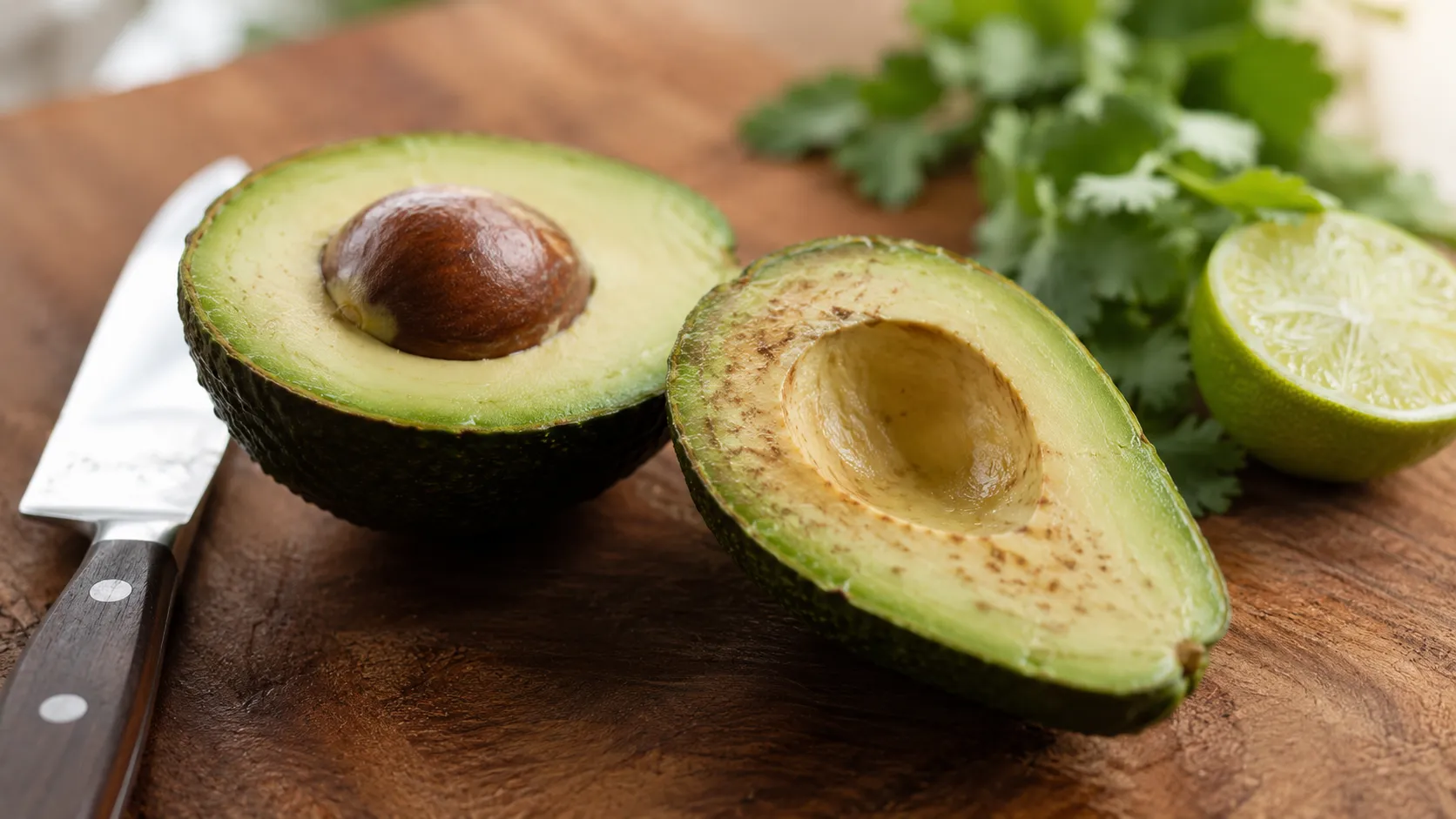
Quick Summary: Brown avocado is generally safe to eat. The brown color comes from oxidation when the flesh is exposed to air, similar to a sliced apple. However, if the avocado smells off, tastes bitter or sour, has widespread mold, or feels mushy with dark stringy flesh, it has spoiled and should be discarded.
You slice open an avocado, and there it is—brown flesh staring back at you. The instinct? Toss it immediately.
But hold on. That brown color doesn’t automatically mean your avocado has gone bad. Most of the time, it’s just oxidation doing its thing.
The real question isn’t whether the avocado is brown. It’s whether the fruit has actually spoiled. And there’s a big difference.
Why Avocados Turn Brown
When you cut into an avocado, enzymes in the flesh react with oxygen in the air. This process, called enzymatic browning, is the same reason apples and bananas turn brown after slicing.
The brown color develops within minutes of exposure. It’s a chemical reaction, not bacterial growth or decay.
According to UC Riverside research on avocado quality, dark green or brown flesh doesn’t necessarily indicate the fruit is rotten. The visual change happens naturally as the fruit ripens and oxidizes.
That said, browning can also signal overripeness. An avocado that’s been ripe for too long will develop darker flesh, a softer texture, and eventually, spoilage.
When Brown Avocado Is Perfectly Safe
If your avocado shows browning but still smells fresh and tastes normal, it’s fine to eat. The oxidized portions might have a slightly different texture—sometimes a bit mushier—but they won’t make you sick.
Here’s what safe browning looks like:
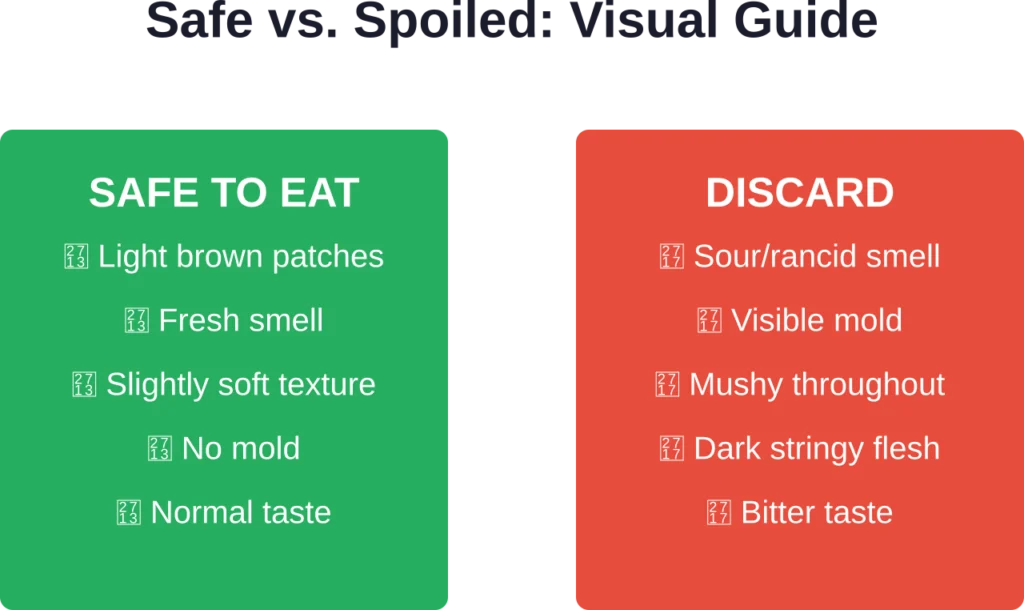
- Light to medium brown patches on the surface
- No off odors or sour smell
- Firm or slightly soft texture without mushiness
- No visible mold anywhere on the fruit
You can simply scoop out the brown parts if the texture bothers you. The rest of the avocado remains nutritious and edible.
Five Signs Your Avocado Has Actually Gone Bad
Oxidation is one thing. Spoilage is another. Here’s when that brown avocado needs to go straight into the trash.
1. Overly Soft With Dented Skin
A ripe avocado yields to gentle pressure. A spoiled one feels mushy, with skin that collapses under your fingers.
If you press the avocado and your finger leaves a permanent dent, or the skin feels loose and separated from the flesh, the fruit has gone too far.
2. Blackened Skin
Dark skin doesn’t always mean spoilage—Hass avocados naturally turn from green to dark purple or black as they ripen. But when the skin looks shriveled, dried out, or has sunken patches, the fruit inside is likely degraded.
3. Dark, Stringy Flesh
Some browning is fine. Widespread dark brown or black flesh with stringy, fibrous texture throughout? That’s spoilage.
The flesh should be creamy and smooth. If it looks like there are dark veins or fibers running through it, or the entire inside is nearly black, toss it.
4. Off Flavor or Odor
Fresh avocado has a mild, slightly nutty or buttery aroma. A spoiled avocado smells sour, fermented, or rancid.
If it passes the smell test but tastes unusually bitter, sour, or just wrong, don’t force yourself to eat it. According to FDA guidance on produce safety, consuming spoiled produce can lead to foodborne illness, with symptoms typically appearing 1 to 3 days after consumption—though onset can occur anywhere from 20 minutes to 6 weeks later.
5. Mold
Visible mold—whether white, gray, or fuzzy patches—means the avocado has spoiled. Mold can appear on the flesh or inside the skin.
Don’t try to cut around it. When mold is visible, microscopic spores have likely spread throughout the fruit.
How to Slow Down Browning
Want to keep your avocado from turning brown after cutting? A few simple tricks help.
Squeeze lemon or lime juice over the exposed flesh. The citric acid slows oxidation. Store the avocado cut-side down in an airtight container, or press plastic wrap directly against the flesh to minimize air exposure.
Refrigeration also helps. A cut avocado stored properly in the fridge can stay green for a day or two longer than one left at room temperature.
But here’s the thing—even with these tricks, oxidation will eventually happen. And when it does, the avocado is still safe to eat as long as it doesn’t show signs of actual spoilage.

What About the Strings in Avocado?
Sometimes you’ll notice dark stringy fibers running through the flesh. These are vascular bundles—essentially the fruit’s circulatory system.
They’re harmless and edible, though the texture might not appeal to everyone. Stringiness becomes more pronounced in overripe fruit or certain growing conditions.
If the strings are light in color and the avocado otherwise looks and smells fine, there’s no safety concern. Dark, widespread stringy areas combined with other spoilage signs? That’s different.
Food Safety Considerations
While oxidized brown avocado is safe, proper handling still matters. The CDC notes that fresh produce can become contaminated with harmful bacteria in the soil, water, or during harvest and handling.
Always wash avocados before cutting, even though you don’t eat the skin. When you slice through an unwashed avocado, the knife can drag surface bacteria directly into the flesh.
Store avocados properly—unripe ones at room temperature, ripe or cut ones in the refrigerator. According to FDA guidance on produce safety, proper storage and handling reduce the risk of foodborne illness.
| Avocado State | Storage Location | Shelf Life |
|---|---|---|
| Unripe (firm) | Room temperature | 3-5 days until ripe |
| Ripe (yields to pressure) | Refrigerator | 2-3 days |
| Cut, exposed flesh | Refrigerator (sealed) | 1-2 days |
| Overripe (very soft) | Refrigerator or discard | Use immediately |
The Bottom Line
Brown avocado isn’t inherently unsafe. Oxidation happens quickly after cutting and doesn’t indicate spoilage.
The real indicators of a bad avocado are smell, taste, texture, and the presence of mold. If the fruit smells sour or fermented, tastes bitter or off, feels mushy throughout with dark stringy flesh, or shows any mold, throw it out.
But if it’s just brown from air exposure and otherwise seems fine? Go ahead and eat it. You’ll save money, reduce food waste, and enjoy perfectly good fruit that would otherwise end up in the trash.
Check your avocado using the five spoilage signs above. When in doubt, trust your nose and taste buds—they’re better indicators than color alone.
Frequently Asked Questions
No, eating brown avocado from oxidation won’t make you sick. The brown color is a harmless chemical reaction. However, if the avocado has spoiled—indicated by sour smell, mold, or bitter taste—it could potentially cause foodborne illness.
Avocado flesh begins browning within minutes of air exposure due to oxidation. The process continues over several hours, with the surface becoming progressively darker. Refrigeration and acidic treatments like lemon juice slow but don’t completely stop this process.
Brown spots visible when you first cut into an avocado are usually fine if the fruit smells normal and has no off taste. These spots can result from bruising, overripeness, or natural variation. Cut around them if the texture bothers you, but they’re generally harmless.
Light to medium brown usually indicates oxidation or slight overripeness—still safe to eat. Dark brown to black flesh, especially if widespread, stringy, and accompanied by mushiness or bad smell, signals spoilage and means the avocado should be discarded.
No, you cannot reverse browning once it occurs. The oxidation reaction is irreversible. However, you can prevent further browning by limiting air exposure, adding lemon juice, and refrigerating the cut avocado in an airtight container.
Yes, light-colored fibrous strands are vascular bundles and are completely safe to eat, though some people find the texture unpleasant. Dark, widespread stringy areas throughout very soft flesh may indicate spoilage and should be avoided if accompanied by off smells or taste.
Press gently—if it’s extremely mushy with deep dents that don’t bounce back, it’s likely spoiled inside. Check for loose or separated skin, which indicates degraded flesh. When you cut it open, trust your nose: a sour or fermented smell means it’s gone bad regardless of appearance.