
Quick Summary: Yes, being gay is completely okay. Sexual orientation is a natural variation of human sexuality, recognized by major health organizations worldwide, including the American Psychological Association and the World Health Organization. Being gay is not a choice, disorder, or something that needs to be changed — it’s simply part of who someone is.
If this question is weighing on your mind — whether for yourself, someone you care about, or out of genuine curiosity — the straightforward answer is yes. Being gay is completely okay.
But let’s go deeper than a simple yes. This isn’t just about personal opinions or cultural shifts. Major health organizations, psychological research, and decades of evidence all point to the same conclusion: sexual orientation is a natural part of human diversity, not something that needs fixing, changing, or apologizing for.
Here’s what science, health experts, and real experiences tell us about being gay in 2026.
What Does Science Say About Being Gay?
The American Psychological Association has been clear for decades: homosexuality is not a mental disorder, illness, or psychological problem. Same-sex attraction is a normal variant of human sexuality, observed across cultures, time periods, and species.
Sexual orientation exists on a spectrum, and gay, lesbian, and bisexual identities are part of the natural range of human experience.
Is Being Gay a Choice?
No. Sexual orientation is not a conscious decision.
According to research on the development of sexual orientation and identity, attraction patterns typically emerge during adolescence or earlier. People don’t choose whom they’re attracted to any more than they choose their height or eye color.
Attempts to change sexual orientation — sometimes called conversion therapy — have been widely discredited by major health organizations. These practices are not only ineffective but can cause significant psychological harm, including depression, anxiety, and suicidal ideation.
The Health Perspective: What Organizations Say
The World Health Organization defines LGBTIQ+ health as the physical, mental, and emotional well-being of people who identify as lesbian, gay, bisexual, transgender, intersex, or queer. The organization emphasizes that sexual health requires a positive and respectful approach to sexuality and sexual relationships.
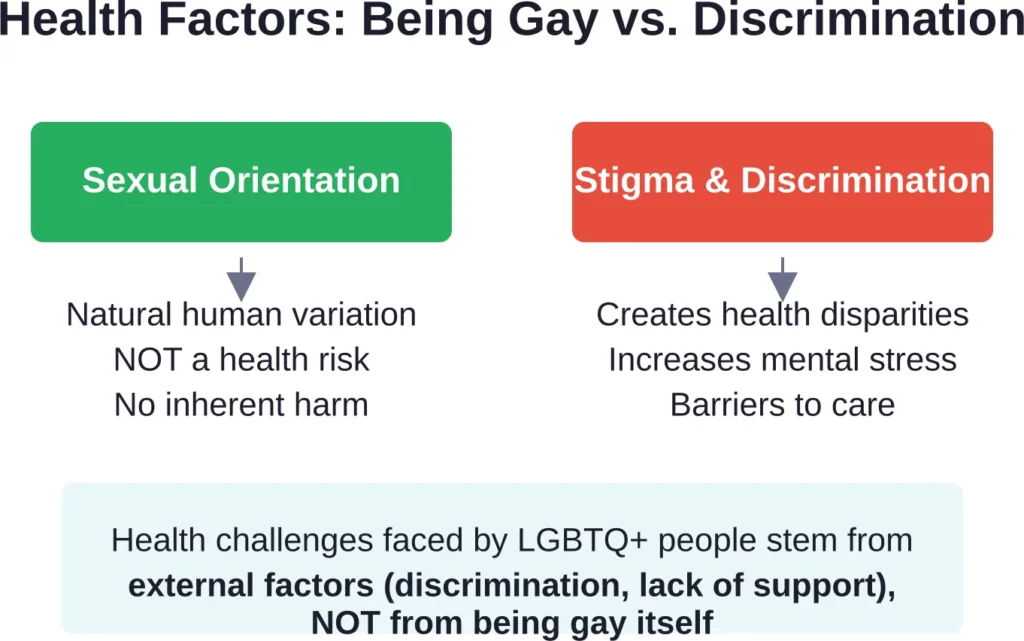
Here’s the thing though — being gay itself doesn’t cause health problems. What does create health challenges? Stigma, discrimination, and lack of access to affirming healthcare.
Understanding Health Disparities
Research shows that LGBTQ+ individuals face higher rates of certain health challenges, but these are linked to minority stress — the chronic stress of living in a society that may discriminate against or stigmatize them.
Data from 2014-2017 Behavioral Risk Factor Surveillance System research across 35 US states found that LGBTQ+ Americans have higher rates of poverty (21.6%) compared to their non-LGBTQ+ counterparts (15.9%). Transgender people and bisexual cisgender women face even higher poverty rates at 29.4%.
Economic insecurity drives health disparities. When people face discrimination in employment, housing, or healthcare settings, their well-being suffers. That’s not because being gay is a problem — it’s because discrimination is.
Mental Health and Well-Being
Let’s talk about mental health for a moment.
Gay, lesbian, and bisexual individuals do experience higher rates of depression, anxiety, and suicidal ideation compared to heterosexual populations. But research consistently shows this is not because of sexual orientation itself — it’s because of minority stress, family rejection, bullying, and discrimination.
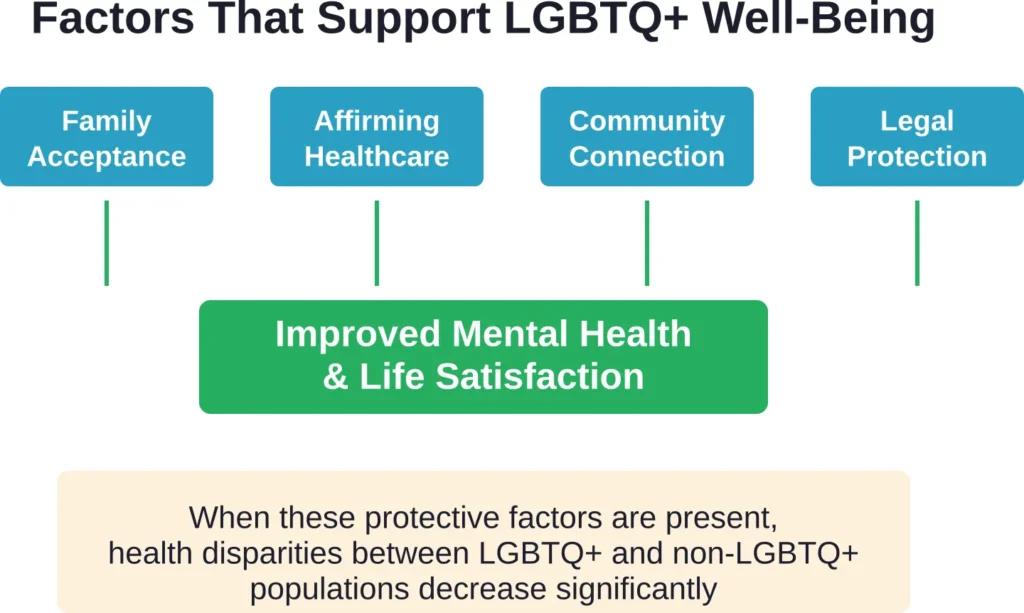
Research has documented elevated mental health challenges among sexual minority youth. But here’s what matters: when LGBTQ+ young people have family acceptance, supportive friends, and access to affirming communities, mental health outcomes improve dramatically.
| Population Group | Poverty Rate (2014-2017) |
|---|---|
| Non-LGBTQ+ Americans | 15.9% |
| LGBTQ+ Americans (overall) | 21.6% |
| Transgender people | 29.4% |
| Bisexual cisgender women | 29.4% |
What’s Good About Being Gay?
Research has explored positive aspects of LGBTQ+ identity. In qualitative interviews with 63 gay and bisexual male adolescents in Chicago, participants identified multiple positive dimensions of their sexual orientation identity.
Young people described increased empathy, stronger sense of authenticity, deeper connections with chosen family, and pride in overcoming adversity. Being gay wasn’t just about challenges — it was also about community, resilience, and the freedom to live authentically.
Community discussions highlight similar themes. People describe feeling liberated when they stop hiding, finding chosen families that love them unconditionally, and experiencing relationships built on genuine attraction rather than societal expectation.
Cultural and Religious Perspectives
Look, this is where things get complicated for many people.
Various religious traditions have different teachings about homosexuality. Some faith communities fully affirm LGBTQ+ identities, while others hold traditional views that same-sex relationships are inconsistent with their beliefs.
But here’s an important distinction: theological interpretation and human well-being are separate conversations. At the heart of claims that religious texts clearly condemn homosexuality is often cultural bias read into ancient texts. Biblical scholarship shows that historical and linguistic context matters significantly when interpreting passages related to sexuality.
Many LGBTQ+ people maintain deep faith traditions while also embracing their sexual orientation. Faith-affirming communities exist across religious traditions, demonstrating that spirituality and being gay are not mutually exclusive.
Addressing Common Concerns and Misconceptions
Several persistent myths about being gay continue circulating despite evidence to the contrary. Let’s address them directly.
Myth: Being Gay Is Unnatural
Same-sex behavior has been documented across numerous animal species. Homosexuality appears across human cultures and throughout recorded history. If anything, the evidence suggests that diverse sexual orientations are part of nature’s design, not exceptions to it.
Myth: Gay People Can’t Have Fulfilling Lives
Research shows that same-sex couples have comparable home ownership rates to different-sex couples. Gay people build careers, maintain long-term relationships, raise children, contribute to communities, and experience life satisfaction at rates comparable to heterosexual people when discrimination is removed from the equation.
Myth: Being Gay Is Just About Sex
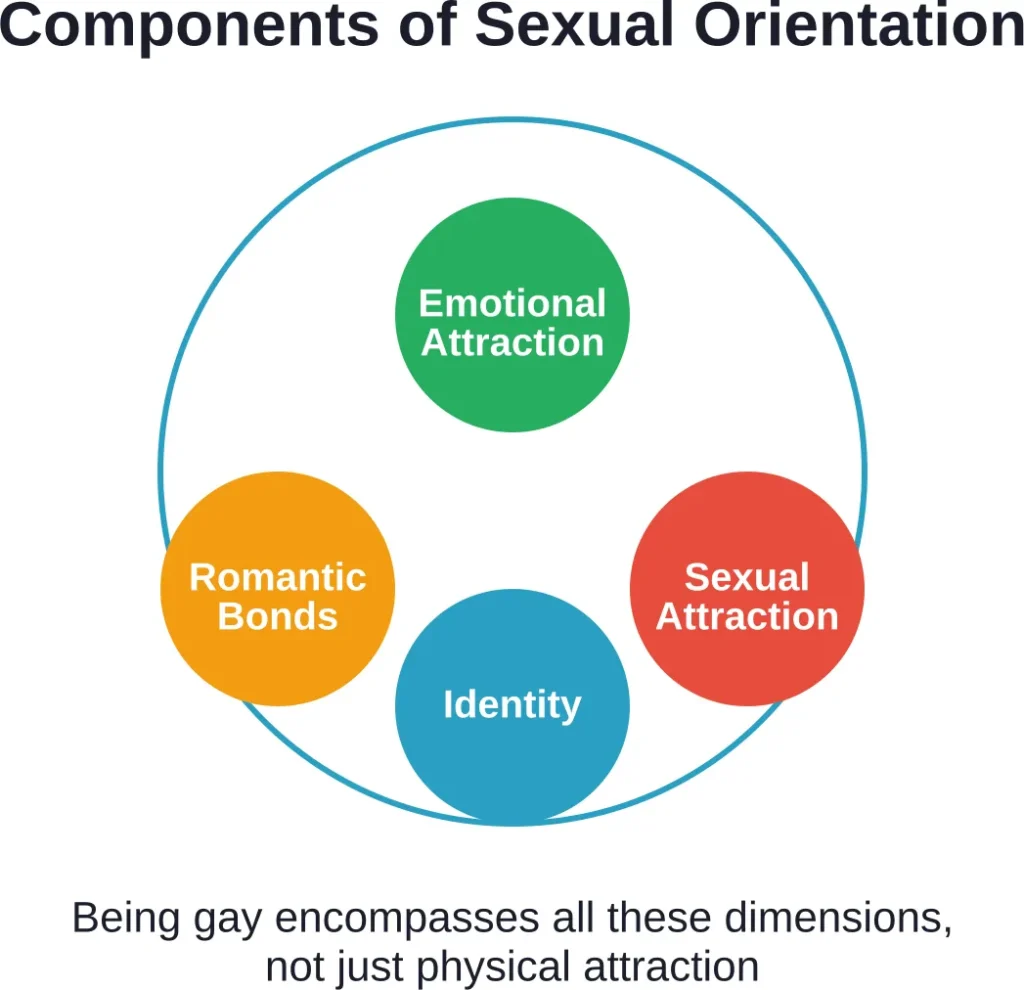
Sexual orientation encompasses attraction, emotional bonds, identity, and often romantic love — not just sexual behavior. Reducing being gay to sexual acts alone misses the full picture of human relationships and identity.
Support and Resources for LGBTQ+ Individuals
If someone is questioning their sexuality or coming to terms with being gay, support matters enormously.
Affirming communities, whether in person or online, provide connection and validation. LGBTQ+ community centers exist in many cities, offering resources, social opportunities, and sometimes mental health services specifically trained in working with sexual minority populations.
Mental health support from LGBTQ+-affirming therapists can be invaluable, particularly for those navigating family rejection or internalized stigma. Organizations like The Trevor Project provide crisis intervention and suicide prevention services for LGBTQ+ youth.
For Young People
Adolescents and young adults exploring their sexual identity benefit from:
- Safe spaces to ask questions without judgment
- Connection with other LGBTQ+ youth
- Access to accurate information about sexuality and health
- Supportive adults who affirm their identity
- Resources for dealing with bullying or discrimination
Research consistently shows that family acceptance is one of the strongest protective factors for LGBTQ+ youth mental health. Parents and caregivers who respond with love and support make an enormous difference.
Health Issues for Gay Men and Sexual Health
Sexual health is an important component of overall well-being for everyone, regardless of sexual orientation.
Gay men and men who have sex with men face certain health considerations, particularly around sexually transmitted infections. HIV prevalence is higher among men who have sex with men in many regions, though advances in prevention (including PrEP) and treatment have dramatically improved outcomes.
Access to knowledgeable, non-judgmental healthcare is crucial. The World Health Organization emphasizes that LGBTIQ+ people are less likely to access health services due to stigma and discrimination, resulting in adverse health outcomes.
Healthcare systems need to provide affirming care that addresses specific health needs without discrimination or pathologizing patients based on their sexual orientation.
Cognitive Health in Older LGBTQ+ Adults
Emerging research examines health across the lifespan for LGBTQ+ populations.
Studies of sexual and gender minority older adults have found elevated rates of memory problems and cognitive impairment compared to general population rates. These disparities likely stem from minority stress accumulated over decades, economic insecurity (LGBTQ+ older adults have lower rates of retirement savings on average), and historical lack of access to affirming healthcare throughout their lives.
Building Inclusive Communities and Systems
Creating environments where being gay is genuinely okay requires more than individual acceptance — it requires systemic change.
Healthcare systems need training for providers on LGBTQ+-specific health issues. Research on education and training for healthcare students and professionals shows that targeted curricula can improve knowledge, attitudes, and clinical skills related to LGBT health.
Schools need comprehensive anti-bullying policies that explicitly protect LGBTQ+ students. Workplaces need non-discrimination policies and inclusive benefits. Legal protections against discrimination in housing, employment, and public accommodations matter.
The 2030 Agenda for Sustainable Development includes a commitment to “leave no one behind,” reinforcing the need to understand and improve the health and well-being of LGBTQ+ people globally.
What If Someone Is Still Questioning?
Confusion about sexuality is normal, particularly during adolescence and young adulthood.
Sexual orientation can take time to understand. Some people know from an early age; others discover their orientation later in life. Both experiences are valid.
There’s no rush to label yourself. Exploration, questioning, and uncertainty are all part of the process for many people. What matters most is approaching yourself with kindness and patience.
If someone is feeling conflicted due to religious or family expectations, remember that their well-being matters. Seeking support from LGBTQ+-affirming counselors or trusted mentors can help navigate these complex feelings.
Frequently Asked Questions
No. The American Psychological Association removed homosexuality from its list of mental disorders in 1973. Major health organizations worldwide, including the World Health Organization, recognize that being gay is a normal variation of human sexuality, not a disorder requiring treatment.
No. Conversion therapy has been thoroughly discredited by major medical and mental health organizations. These practices are ineffective and can cause significant psychological harm, including depression, anxiety, and increased risk of suicide. Many jurisdictions have banned conversion therapy for minors.
No. Sexual orientation is not a choice. Research consistently shows that people do not choose their sexual attractions any more than they choose other innate characteristics. Attempts to change sexual orientation have been proven harmful and ineffective.
No. Decades of research show that children raised by same-sex parents fare just as well as children raised by different-sex parents across all measures of social, emotional, and psychological well-being. What matters for child development is the quality of parenting, not the sexual orientation of parents.
Health disparities stem from minority stress — chronic stress caused by discrimination, stigma, and lack of social support — not from sexual orientation itself. When LGBTQ+ individuals have access to affirming healthcare, family acceptance, and legal protections, health outcomes improve significantly.
Take time to explore feelings without pressure. Connect with supportive friends, family members, or LGBTQ+ community resources. Consider speaking with a therapist who specializes in LGBTQ+ issues if needed. Remember that there’s no timeline for understanding sexual orientation, and it’s okay to take time figuring things out.
Allies can support by educating themselves about LGBTQ+ issues, speaking up against discrimination, using inclusive language, advocating for protective policies, and simply treating LGBTQ+ people with the same respect and dignity afforded to everyone else. Small actions of affirmation and acceptance make a significant difference.
Conclusion: Moving Forward With Acceptance
So, is it okay to be gay?
The answer — backed by science, endorsed by major health organizations, and supported by decades of research — is an unequivocal yes.
Being gay is a natural expression of human diversity. It’s not a choice, not a disorder, and not something requiring change or apology. The challenges faced by LGBTQ+ individuals stem from discrimination and stigma, not from sexual orientation itself.
For anyone questioning their sexuality: you deserve support, acceptance, and the freedom to live authentically. For parents, friends, and family members: your acceptance can be life-changing, sometimes literally life-saving.
For society as a whole: creating inclusive environments where everyone can thrive regardless of sexual orientation isn’t just morally right — it’s supported by evidence showing that acceptance improves health outcomes and well-being for entire communities.
Being gay is okay. It always has been, and it always will be. What we do with that truth — how we support, affirm, and protect LGBTQ+ people in our communities — determines whether we build a world where everyone has the opportunity to flourish.
If this article resonated with you, share it with someone who needs to hear this message. And if you need support, reach out to LGBTQ+ organizations in your community. Nobody should navigate these questions alone.