
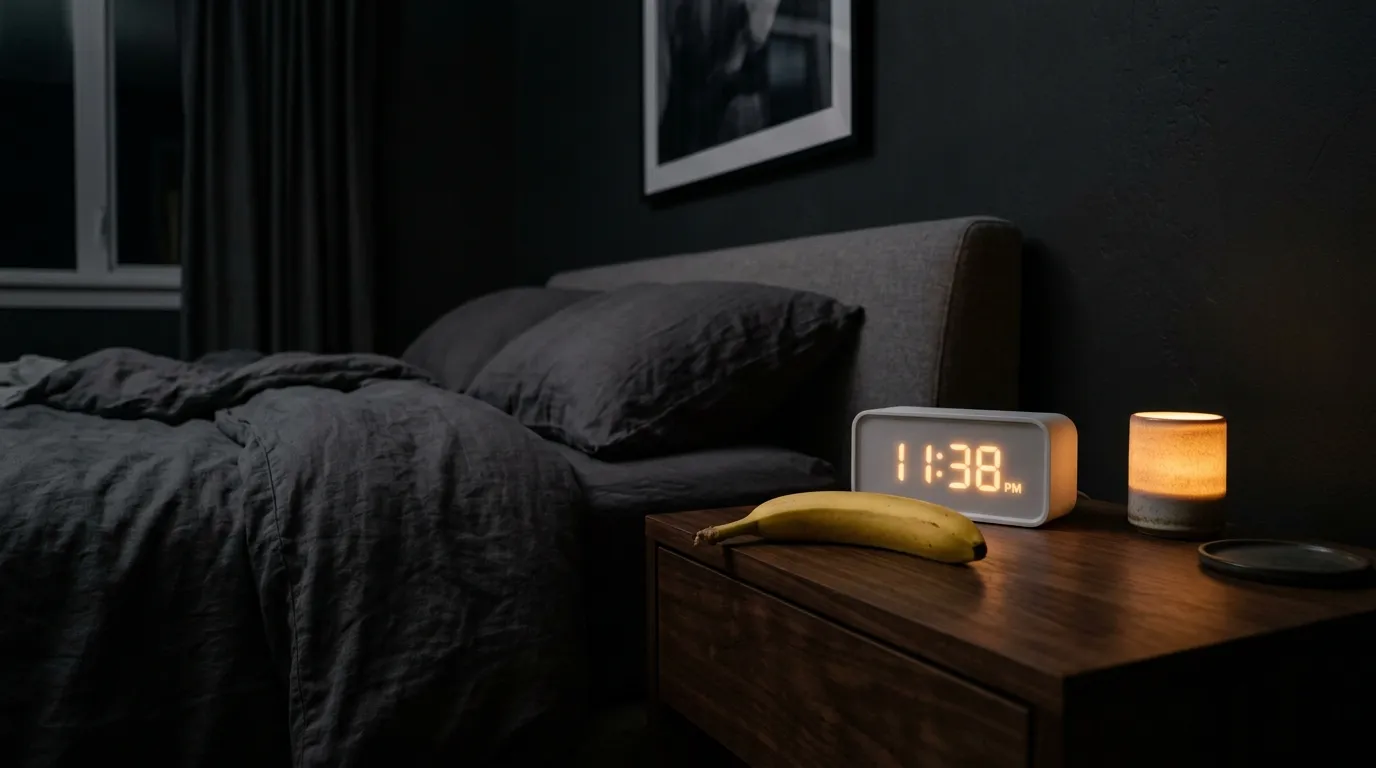
Quick Summary: Eating bananas at night is generally fine and may even support better sleep. Bananas contain magnesium, tryptophan, and potassium—nutrients that help relax muscles and promote the production of sleep-regulating hormones like melatonin and serotonin. However, portion control matters, and pairing a banana with protein can prevent blood sugar spikes that might disrupt sleep.
The internet is full of conflicting advice about bedtime eating. Some sources claim nighttime snacks sabotage sleep, while others suggest specific foods can actually help.
So where do bananas fit in? It turns out this common yellow fruit might be one of the better choices when hunger strikes before bed.
Here’s what sleep research and nutritional science reveal about eating bananas at night, plus how to do it right if better rest is the goal.
Why Bananas Might Actually Help Sleep Quality
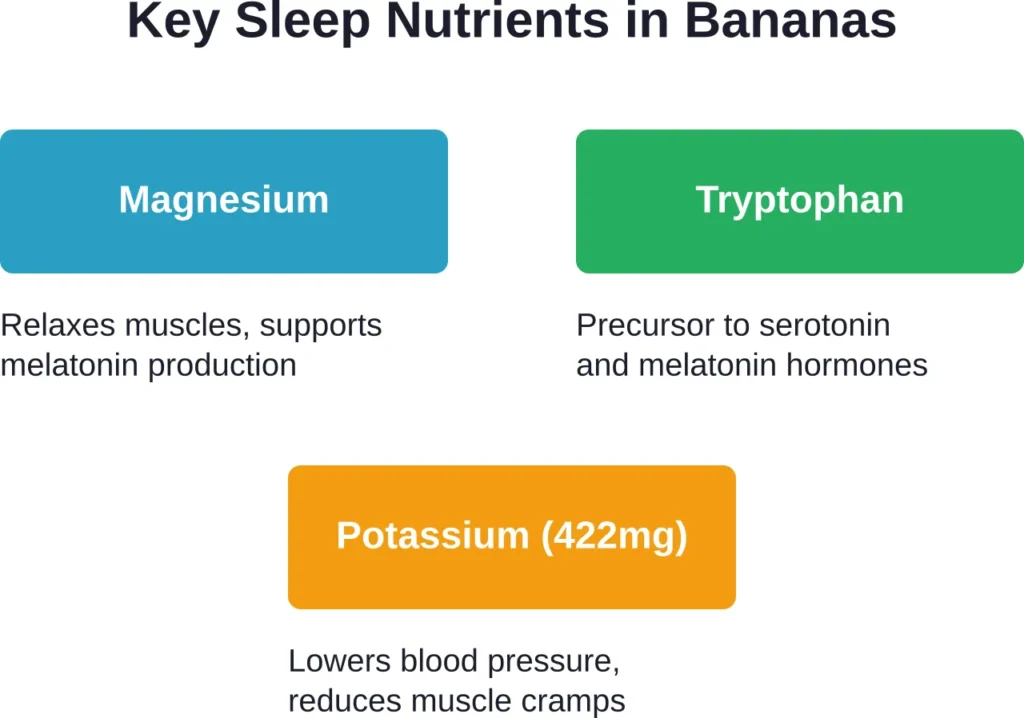
Bananas pack several nutrients that interact with the body’s sleep-regulating systems. The most notable are magnesium, tryptophan, and potassium—all of which play documented roles in promoting relaxation and sleep onset.
Magnesium acts as a natural muscle relaxant. Foods rich in magnesium like bananas, avocados, spinach, nuts, seeds, beans, and lentils support the production of sleep hormones. Ohio State University’s Wexner Medical Center notes that magnesium-containing foods can help improve sleep parameters.
Tryptophan is an amino acid that serves as a building block for serotonin and melatonin—two hormones critical for regulating sleep-wake cycles. Research indicates that approximately 90% of the body’s serotonin is produced in the gut, emphasizing how dietary tryptophan influences circadian rhythms.
According to a study referenced by the American Heart Association, a medium banana delivers 422 mg of potassium, or about 9% of the daily value based on a 2,000-calorie diet. Potassium helps lower blood pressure and reduces muscle cramps—both factors that can interfere with restful sleep.
But here’s the thing though—while bananas contain these beneficial compounds, the research specifically on bananas and sleep is relatively limited compared to other foods.
What Sleep Studies Actually Show
Most direct sleep research has focused on other fruits. A trial of adults with chronic sleep difficulties found that consuming two kiwifruits 1 hour before bedtime each night for 4 weeks led to significant improvements in sleep onset, duration, and efficiency, with total sleep time increasing by 13%.
Clinical trials have also examined banana peel extract rather than whole bananas. One study evaluated whether banana peel extract could improve sleep quality in participants with impaired attention, though widespread results haven’t been published in accessible formats.
The Sleep Charity and Texas State University counseling resources both list bananas among foods that promote sleep, based on their nutrient composition rather than standalone clinical trials of whole bananas at bedtime.
Timing Matters: When to Eat That Banana
The research on chrononutrition—how meal timing affects circadian rhythms—offers some guidance here.
According to chrononutrition research, 45% and 37% of pregnant women ate within 2 hours pre-bedtime during their second and third trimesters respectively. The research also showed that melatonin levels displayed an increment toward night while cortisol levels declined over the day, suggesting the body’s natural rhythm can be influenced by eating patterns.
Texas State University’s sleep specialists note that going to bed hungry could interfere with sleep, but eating a big meal right before bed could also cause problems. The recommendation? Choose sleep-promoting foods and eat them mindfully.
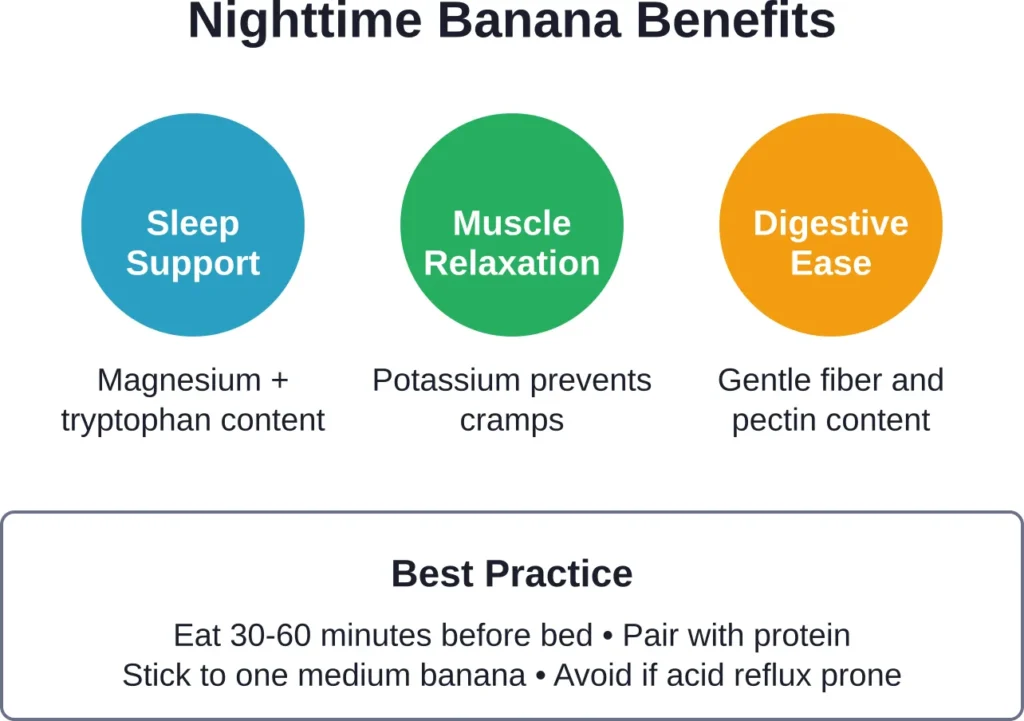
For bananas specifically, consuming them about 30 minutes to an hour before bed appears to be the sweet spot. This gives enough time for initial digestion while allowing the nutrients to start working before sleep onset.
The Sugar Question: Should It Worry You?
One common concern about nighttime banana consumption centers on sugar content. A medium banana contains approximately 14 grams of natural sugar.
Real talk: this isn’t the same as eating candy before bed. The fiber in bananas slows sugar absorption, preventing the rapid spikes and crashes associated with refined sugars.
That said, eating a banana alone might cause a modest blood sugar rise in some people. Sleep specialists often suggest pairing bananas with a small amount of protein or healthy fat—like a tablespoon of almond butter or a few nuts—to further stabilize blood sugar overnight.
Research published in the Journal of the American Heart Association found that eating starchy snacks after any meal was associated with at least a 50% increased risk of mortality and a 44-57% increased risk of cardiovascular disease mortality. But bananas aren’t classified as starchy snacks in this context—those risks applied to foods high in white potato or other refined starches.
Other Benefits Beyond Sleep
Even if sleep improvement is the primary goal, bananas offer additional nighttime benefits worth noting.
Digestive Comfort
Bananas are gentle on the digestive system. The pectin and resistant starch in bananas can support digestive health without causing the discomfort or bloating that heavier nighttime foods might trigger.
Muscle Recovery
The potassium content helps prevent nighttime leg cramps and supports muscle recovery—particularly relevant for people who exercise in the evening or experience restless legs syndrome.
Reduced Nighttime Hunger
The fiber and natural sugars provide enough satiety to prevent middle-of-the-night hunger pangs without overloading the digestive system.
Who Should Skip the Nighttime Banana
While bananas work well for most people, certain situations call for caution.
People with acid reflux or GERD might experience symptoms if they eat too close to bedtime, though bananas are generally considered low-acid and well-tolerated. Individual responses vary.
Those following very low-carb or ketogenic diets may prefer to avoid bananas entirely due to the carbohydrate content per medium banana.
Anyone with diabetes should monitor how nighttime banana consumption affects their morning blood glucose readings and adjust accordingly.
Better Together: What to Pair With Your Banana
Sound familiar? Eating a banana alone works fine, but pairing it strategically can enhance the sleep benefits.
| Pairing Option | Why It Works | Example Combination |
|---|---|---|
| Nut Butter | Adds protein and healthy fat to stabilize blood sugar | Half banana with 1 tbsp almond butter |
| Greek Yogurt | Provides protein and additional tryptophan | Sliced banana with 1/2 cup plain yogurt |
| Warm Milk | Traditional sleep remedy with calcium and tryptophan | Banana smoothie with warm milk |
| Oatmeal | Complex carbs promote serotonin production | Small bowl oatmeal topped with banana slices |
The American Heart Association recommends eating whole fruits rather than drinking fruit juice. When consuming bananas at night, eating the whole fruit provides fiber that juice would lack.
How Bananas Compare to Other Sleep Foods
Bananas aren’t the only food promoted for better sleep. How do they stack up?
Kiwifruit has stronger direct evidence. The study of adults with chronic sleep difficulties showed two kiwifruits consumed one hour before bedtime for four weeks improved sleep onset, duration, and efficiency, with total sleep time increasing by 13%.
Tart cherry juice contains high levels of melatonin and has been studied more extensively than bananas for sleep benefits.
Nuts—particularly almonds and walnuts—provide magnesium and melatonin in concentrated forms.
Whole grain crackers with cheese offer the tryptophan-carbohydrate combination that promotes serotonin production.
But wait. Bananas have advantages these other options don’t: they’re affordable, widely available year-round, require zero preparation, and don’t need refrigeration until cut.
Frequently Asked Questions
A medium banana is a relatively low-calorie snack. Weight gain results from consistently consuming more calories than needed over time, not from eating any single food at a particular time. A banana as a controlled nighttime snack is unlikely to cause weight gain unless it pushes daily calorie intake above maintenance needs.
One medium banana is generally sufficient for sleep benefits. Eating multiple bananas increases sugar and calorie intake without proportional benefits. If still hungry, pair one banana with protein rather than adding more fruit.
Some research has examined banana peel extract for sleep improvement, as peels contain concentrated compounds. However, whole banana peels aren’t typically consumed due to texture and taste. Stick with the fruit itself for practical nighttime consumption.
Consuming a banana 30-60 minutes before bed allows time for initial digestion while letting the sleep-promoting nutrients take effect. Eating immediately before lying down may cause discomfort for some people.
Frozen bananas retain the same nutrients as fresh ones. The magnesium, tryptophan, and potassium content remains largely unchanged through freezing. Frozen banana blended into a smoothie with milk makes an effective nighttime option.
While bananas contain nutrients that support sleep regulation, they’re not a treatment for chronic insomnia. Clinical sleep disorders require comprehensive approaches. Bananas can be part of good sleep hygiene but shouldn’t replace professional treatment when needed.
Ripe yellow bananas have higher sugar content and are easier to digest, making them the better nighttime choice. Green bananas contain more resistant starch, which can cause digestive discomfort when eaten close to bedtime.
The Bottom Line on Nighttime Bananas
So is it okay to eat bananas at night? The evidence suggests yes for most people.
Bananas provide magnesium, tryptophan, and potassium—nutrients that support muscle relaxation and sleep hormone production. They’re easy to digest, unlikely to cause blood sugar crashes when paired sensibly, and offer benefits beyond sleep including muscle recovery and digestive comfort.
The key is moderation and timing. One medium banana consumed 30-60 minutes before bed, optionally paired with a small amount of protein, represents a reasonable nighttime snack that may support rather than sabotage sleep quality.
That said, individual responses vary. People with specific health conditions like acid reflux, diabetes, or those following particular diets should consider their unique circumstances.
If sleep difficulties persist despite dietary adjustments, consult a healthcare provider. Chronic sleep problems often require more comprehensive interventions than any single food can provide.
Ready to test whether nighttime bananas improve your sleep? Track your rest quality for a week with and without this bedtime snack to see how your body responds.