

Quick Summary: Having sex every day is perfectly normal and safe for most healthy adults, offering benefits like stress relief, improved cardiovascular health, and stronger emotional bonds. The key is ensuring both partners are comfortable, practicing safe sex to prevent STIs, and listening to your body’s signals. There’s no universal “right” frequency—what matters most is mutual desire, consent, and overall well-being.
The question of whether daily sex is healthy comes up more often than many realize. Some couples naturally fall into a daily rhythm, while others wonder if that frequency crosses into “too much” territory.
Here’s the truth: there’s no medical evidence suggesting that having sex every day is harmful for healthy adults. The World Health Organization defines sexual health as fundamental to overall well-being, requiring a positive and respectful approach to sexuality and sexual relationships.
But like most things related to health, context matters. Daily sex carries real benefits—and a few considerations worth understanding.
The Health Benefits of Regular Sexual Activity
Research consistently shows that regular sexual activity contributes positively to physical and emotional health. These benefits apply whether intimacy happens daily or several times per week.
Cardiovascular and Physical Health
Sexual activity functions as moderate physical exercise. The heart rate increases, blood flow improves, and various muscle groups engage during intimacy.
Studies have found connections between sexual frequency and cardiovascular health. Regular sexual activity appears to support heart health through increased heart rate variability and improved circulation.
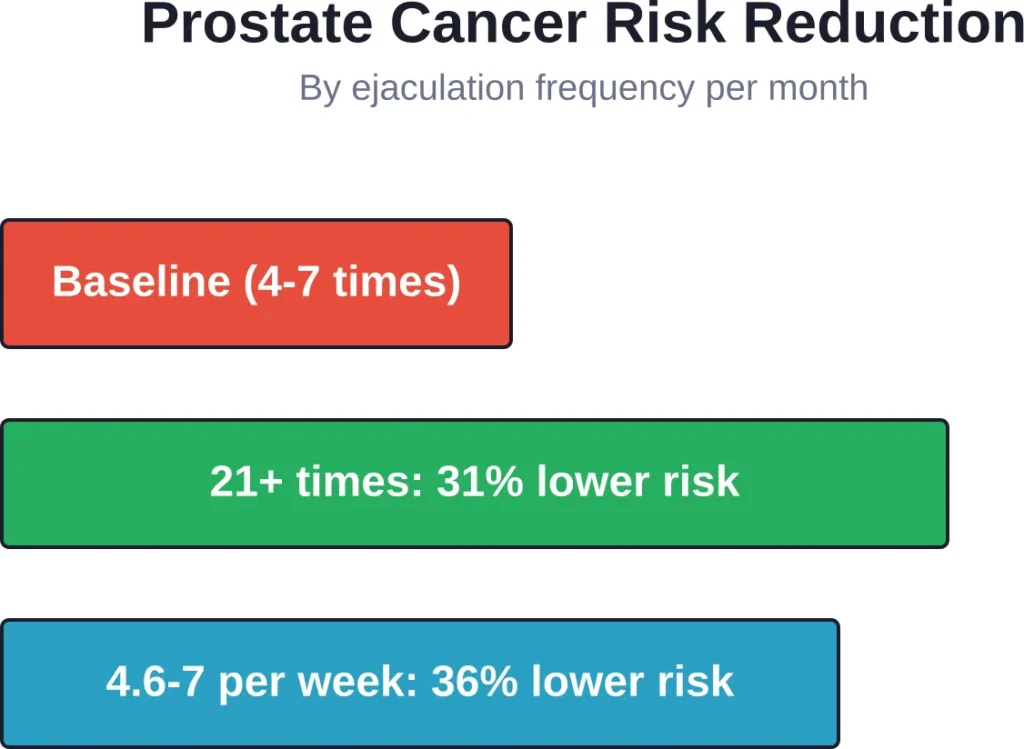
One particularly notable finding involves prostate health in men. According to research from Harvard Health, men who ejaculated 21 or more times per month had a 31% lower risk of prostate cancer compared to those who ejaculated 4-7 times per month. Another study found that men with 4.6-7 ejaculations per week were 36% less likely to be diagnosed with prostate cancer before age 70.
Mental and Emotional Well-Being
Sexual activity triggers the release of endorphins and oxytocin—hormones that naturally reduce stress and promote feelings of connection and relaxation.
For many individuals, regular intimacy serves as a proven stress reliever. The mood elevation happens almost instantly, making sexual activity a natural way to manage daily tension.
Research examining the connection between sexual frequency and mental health has found interesting patterns. One study using data from the National Health and Nutrition Examination Survey found that among women, lower sexual frequency correlated with higher all-cause mortality risk in a dose-response manner. When considering depression specifically, individuals with both depression and low sexual frequency (less than 52 times per year) showed a 197% increase in mortality risk compared to those with depression but higher sexual frequency.
Relationship and Intimacy Benefits
Beyond individual health, regular sexual activity strengthens emotional bonds between partners. Physical intimacy creates opportunities for vulnerability, communication, and shared pleasure.
Couples who maintain regular sexual connection often report higher relationship satisfaction. The intimacy reinforces trust and keeps partners attuned to each other’s needs and desires.
That said, frequency alone doesn’t determine relationship quality. A couple having sex twice a week with strong emotional connection may feel more satisfied than one having daily sex without emotional presence.
Understanding the Risks and Considerations
While daily sex is safe for most healthy adults, certain situations require awareness and precaution.
Sexually Transmitted Infection Risk
The most significant health consideration with any sexual frequency is STI prevention. More frequent sexual activity with multiple partners or without consistent protection increases exposure risk.
According to the CDC, young people aged 13-24 accounted for a significant portion of reported STIs (chlamydia, gonorrhea, and syphilis) in 2022, despite representing a smaller portion of the sexually active population. Additionally, 19% of all new HIV diagnoses were among young people aged 13-24 in 2022.
Research shows that approximately 10% of new HIV infections are attributable to chlamydial or gonococcal infection, highlighting how one STI can increase vulnerability to others.
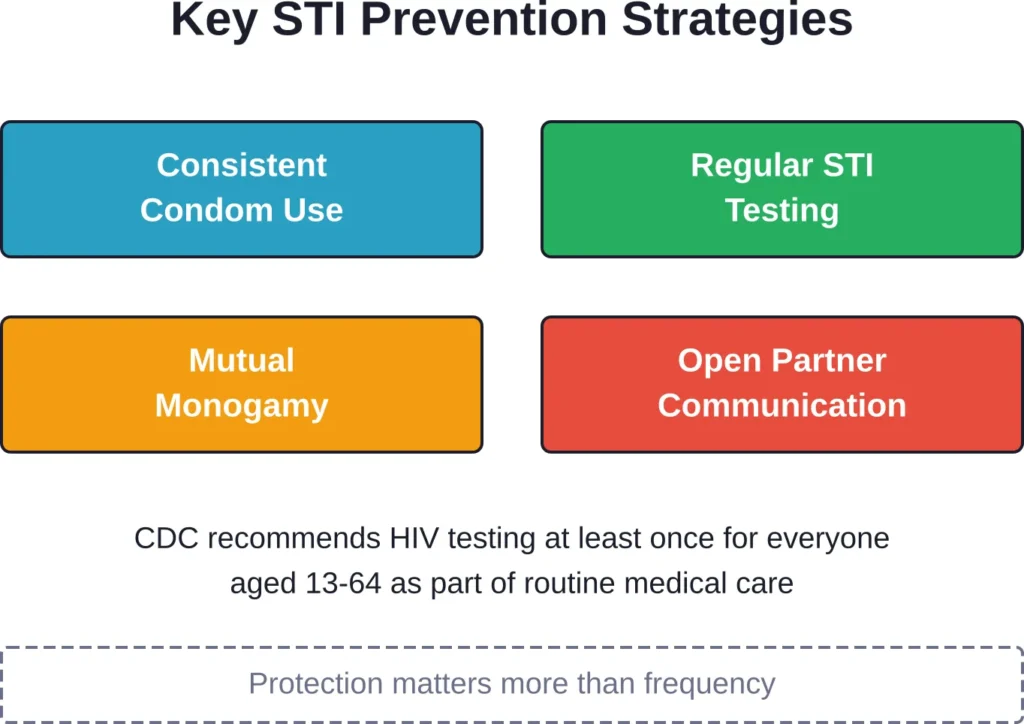
The CDC recommends that everyone aged 13-64 gets tested for HIV at least once as part of routine medical care. Those with higher-risk behaviors should test more frequently.
Safe sex practices remain essential:
- Consistent and correct condom use
- Regular STI testing for both partners
- Open communication about sexual history
- Mutual monogamy with tested partners
- Awareness of partner’s STI status
Physical Discomfort and Overuse Injuries
While rare, physical discomfort can occur with very frequent sexual activity. This might include:
- Vaginal soreness or irritation
- Penile sensitivity or minor abrasions
- Urinary tract infections (more common in women)
- Muscle soreness from physical exertion
These issues typically resolve with rest and don’t indicate serious problems. Using adequate lubrication and varying positions can help prevent discomfort.
Listen to body signals. If pain, unusual discharge, or persistent irritation occurs, consulting a healthcare provider makes sense.
Relationship Pressure and Mismatched Libidos
One often-overlooked consideration is whether daily sex creates pressure in the relationship. Sexual desire naturally fluctuates due to stress, hormones, health conditions, medications, and life circumstances.
When one partner wants daily sex but the other doesn’t, maintaining that frequency can create resentment, obligation, or feelings of inadequacy. Healthy sexual relationships require enthusiastic consent, not reluctant participation.
No “normal” frequency exists. Some couples thrive with daily intimacy. Others feel equally satisfied with weekly or bi-weekly connection. What matters is mutual satisfaction and open communication about needs and boundaries.
How Much Sex Is Actually Healthy?
Research on optimal sexual frequency shows interesting patterns. Studies generally find that sexual satisfaction correlates with relationship satisfaction, but the relationship isn’t linear—more doesn’t always mean better.
Research on sexual frequency and relationship satisfaction shows varying patterns across different studies and populations. This variation highlights the importance of individual assessment rather than applying a universal standard.
The healthiest approach focuses on quality over quantity. Factors that matter more than frequency include:
- Mutual desire and enthusiastic consent
- Emotional connection and intimacy
- Open communication about preferences
- Physical pleasure and satisfaction
- Absence of pain or discomfort
- Respect for boundaries
| Sexual Frequency | Potential Benefits | Considerations |
|---|---|---|
| Daily | Maximum cardiovascular benefits, strong emotional connection, stress relief, improved sleep | Requires high mutual libido, time commitment, STI prevention essential, potential for physical soreness |
| 3-4 times per week | Most studied health benefits, balanced frequency for many couples, maintains intimacy | Still requires STI prevention, communication about scheduling and desire |
| 1-2 times per week | Relationship satisfaction benefits, manageable for busy schedules, lower physical demands | May feel insufficient for higher-libido partners, requires intentionality to maintain |
| Less than weekly | Works for lower-libido individuals, allows time for other intimacy forms | May indicate relationship issues if both partners want more, requires communication to ensure satisfaction |
Tips for Maintaining Healthy Daily Sexual Activity
For couples who enjoy daily sex and want to maintain that frequency safely, several practices help support long-term sexual health.
Prioritize Communication
Check in regularly about desire, comfort, and satisfaction. Daily sex should never feel like an obligation for either partner.
Create space for honest conversation about what’s working and what isn’t. Sometimes one partner might prefer a different form of intimacy—cuddling, massage, or quality time—instead of intercourse.
Practice Consistent STI Prevention
Establish clear agreements about monogamy and protection. If in a committed relationship, both partners getting tested before abandoning barrier methods provides peace of mind.
For non-monogamous relationships, consistent condom use and regular testing become even more critical. The CDC notes that comprehensive testing should include multiple sites based on sexual practices—for example, among men who have sex with men, comprehensive testing should include multiple sites based on sexual practices, as urogenital-only testing may miss infections.
Use Adequate Lubrication
Friction-related discomfort decreases significantly with proper lubrication. Water-based or silicone-based lubricants work well for most people and are compatible with condoms.
Natural lubrication varies based on hormones, hydration, stress, and arousal levels. Supplementing with commercial lubricant isn’t a sign of inadequacy—it’s practical self-care.
Vary Positions and Intensity
Changing positions distributes physical demands across different muscle groups and reduces repetitive stress on any single area.
Not every sexual encounter needs to be marathon-length or highly athletic. Gentler, shorter sessions mixed with longer, more intense ones create sustainable variety.
Stay Hydrated and Maintain Overall Health
Sexual activity, like any physical exercise, benefits from good hydration and overall wellness. Adequate sleep, nutrition, and stress management all support healthy sexual function.
Certain medications, health conditions, and lifestyle factors affect sexual desire and function. Addressing these through healthcare providers when needed helps maintain satisfying sexual health.
When to Speak to a Healthcare Provider
Most people can enjoy daily sex without medical concerns. However, certain situations warrant professional consultation.
Seek medical advice if experiencing:
- Persistent pain during or after sex
- Unusual discharge or odor
- Bleeding between periods or after intercourse
- Difficulty with arousal or achieving orgasm
- Erectile dysfunction or ejaculation problems
- Signs of STI (sores, rashes, burning during urination)
- Significant libido changes
Sexual health professionals can provide STI testing, address physical concerns, and offer guidance on maintaining healthy sexual function. The CDC’s guide to sexual health emphasizes that discussing sexual health offers opportunities for counseling and sharing information about behaviors that may increase STI risk.
Mental health professionals can also help when sexual frequency differences create relationship stress or when sexual behavior feels compulsive rather than pleasurable.
Debunking Common Myths About Daily Sex
Several misconceptions about sexual frequency persist. Let’s address them directly.
Myth: Daily sex causes erectile dysfunction
No evidence supports this claim. In fact, regular sexual activity generally supports erectile function by maintaining blood flow and nerve sensitivity. Erectile difficulties stem from vascular issues, hormonal imbalances, medications, psychological factors, or underlying health conditions—not from frequency of sex itself.
Myth: Too much sex depletes energy or testosterone
While sexual activity does require energy expenditure, it doesn’t “deplete” the body in harmful ways. Testosterone levels fluctuate naturally throughout the day and in response to various factors. Regular ejaculation doesn’t meaningfully reduce testosterone in ways that harm health or performance.
Myth: There’s a “normal” amount everyone should follow
Sexual frequency varies enormously among healthy, satisfied couples. Cultural expectations, age, health status, relationship length, stress levels, and individual libido all influence frequency. What’s normal for one couple may be too much or too little for another.
Frequently Asked Questions
For couples trying to conceive, daily sex during the fertile window (the five days before ovulation and the day of ovulation) can actually improve pregnancy chances compared to less frequent intercourse. Sperm quality remains adequate with daily ejaculation. However, some fertility specialists suggest every other day as a comfortable middle ground that maintains sperm counts while ensuring coverage of the fertile period.
Frequent sexual activity can increase UTI risk in some women due to bacteria being introduced into the urethra. Preventive measures include urinating before and after sex, staying hydrated, maintaining genital hygiene, and wiping front to back. If UTIs become recurrent, consulting a healthcare provider about prevention strategies makes sense.
Absolutely. Libido naturally fluctuates due to stress, hormones, medications, health conditions, relationship dynamics, and life circumstances. Many long-term couples experience periods of higher and lower sexual frequency. Decreased sex drive doesn’t necessarily indicate relationship problems, though open communication about changes helps maintain connection.
For healthy adults, daily sex rarely causes harm. Minor irritation, soreness, or fatigue can occur but typically resolves with rest. Using lubrication, varying intensity, and listening to body signals prevents most discomfort. Persistent pain or injury should prompt medical evaluation.
Sexual activity provides moderate cardiovascular exercise, burning roughly 85-150 calories per half-hour session depending on intensity, body weight, and duration. While beneficial, it shouldn’t replace a comprehensive fitness routine that includes strength training, flexibility work, and dedicated cardio. Think of sex as a pleasant supplement to regular exercise rather than a replacement.
No. Sexual frequency naturally changes throughout relationship stages, life transitions, health changes, and aging. New relationships often feature higher frequency that gradually stabilizes. Parenthood, career demands, illness, and menopause all affect sexual patterns. Flexibility and communication matter more than maintaining any specific frequency.
Mismatched libidos are common and require honest, compassionate communication. Neither partner’s desire is wrong—they’re just different. Solutions might include compromise on frequency, exploring different forms of intimacy, addressing underlying stress or health factors affecting libido, or working with a couples therapist. Consent remains essential; nobody should feel pressured into unwanted sexual activity.
The Bottom Line on Daily Sex
Having sex every day is perfectly healthy for most adults who desire that frequency and practice safe sex consistently. The benefits—cardiovascular health, stress relief, emotional connection, and relationship satisfaction—are well-documented.
But there’s no magic number that applies to everyone. Sexual health exists on a spectrum where individual needs, preferences, and circumstances vary widely.
The healthiest approach prioritizes mutual desire, enthusiastic consent, open communication, STI prevention, and attention to physical comfort. Whether that means daily sex, weekly intimacy, or something in between depends entirely on what works for both partners.
Focus on quality over quantity. A strong emotional connection, respect for boundaries, and genuine pleasure matter far more than hitting any particular frequency target.
If concerns about sexual health, frequency, or relationship dynamics arise, healthcare providers and relationship counselors offer valuable support. Sexual health is fundamental to overall well-being—it deserves attention, care, and open conversation.