
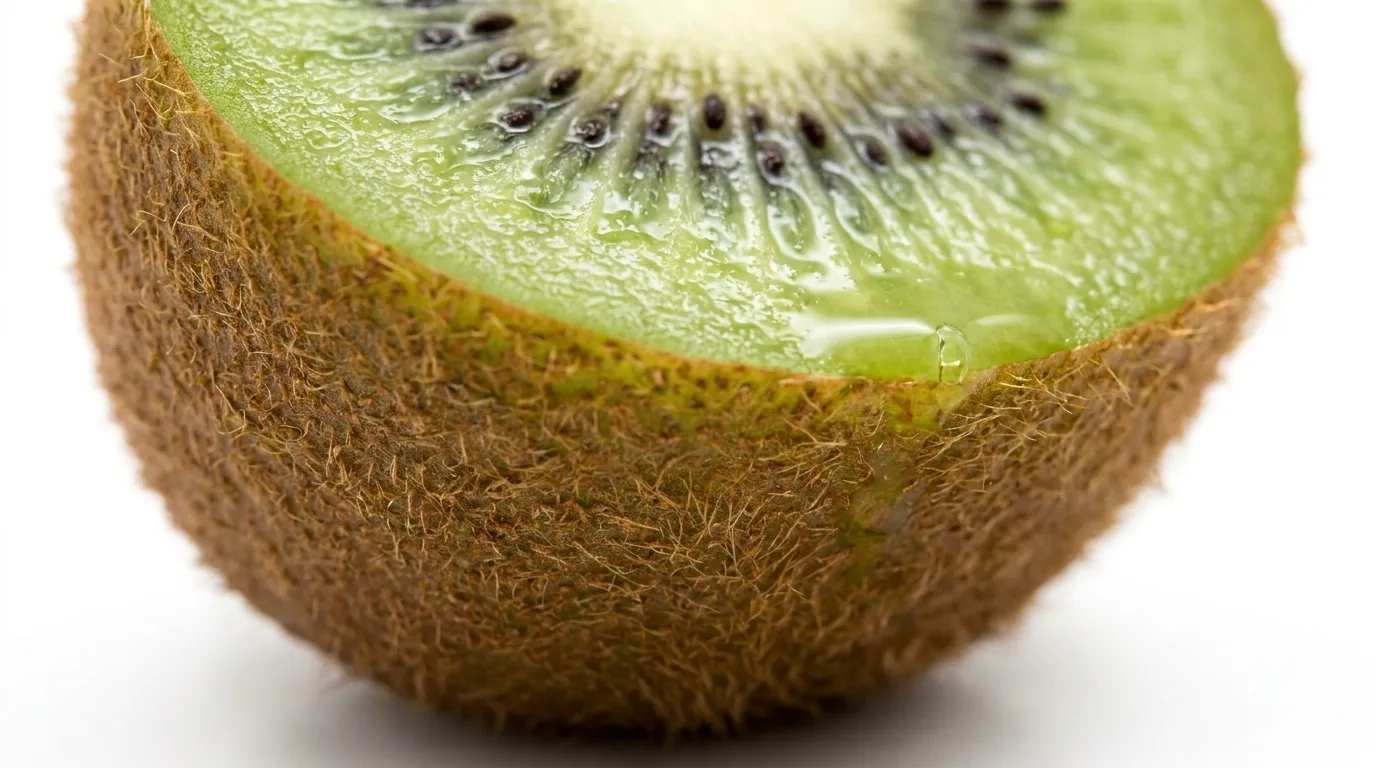
Quick Summary: Yes, kiwi skin is completely safe and nutritious to eat. The skin contains 50% more fiber than the flesh alone, along with significant amounts of antioxidants, folate, and vitamin E. Both fuzzy green kiwis and smooth-skinned gold varieties are edible, though people with allergies or sensitive digestion should exercise caution.
That fuzzy brown exterior on your kiwi fruit? Turns out, it’s not just edible—it’s actually loaded with nutrients that most people toss straight into the trash.
The idea of eating kiwi skin catches many people off guard. After all, the fuzzy texture doesn’t exactly scream “delicious.” But here’s the thing: both green kiwis with their characteristic fuzz and smooth-skinned gold varieties are completely safe to eat, skin and all.
This isn’t just about reducing food waste, though that’s certainly a bonus. The skin contains concentrated amounts of fiber, antioxidants, and vitamins that significantly boost the nutritional value of this already impressive fruit. According to Harvard Health, one kiwi provides about 80% of an adult’s daily vitamin C requirement—and that’s before you factor in the extra nutrients locked in the skin.
So what’s actually in kiwi skin? And more importantly, should you be eating it?
The Nutritional Case for Eating Kiwi Skin
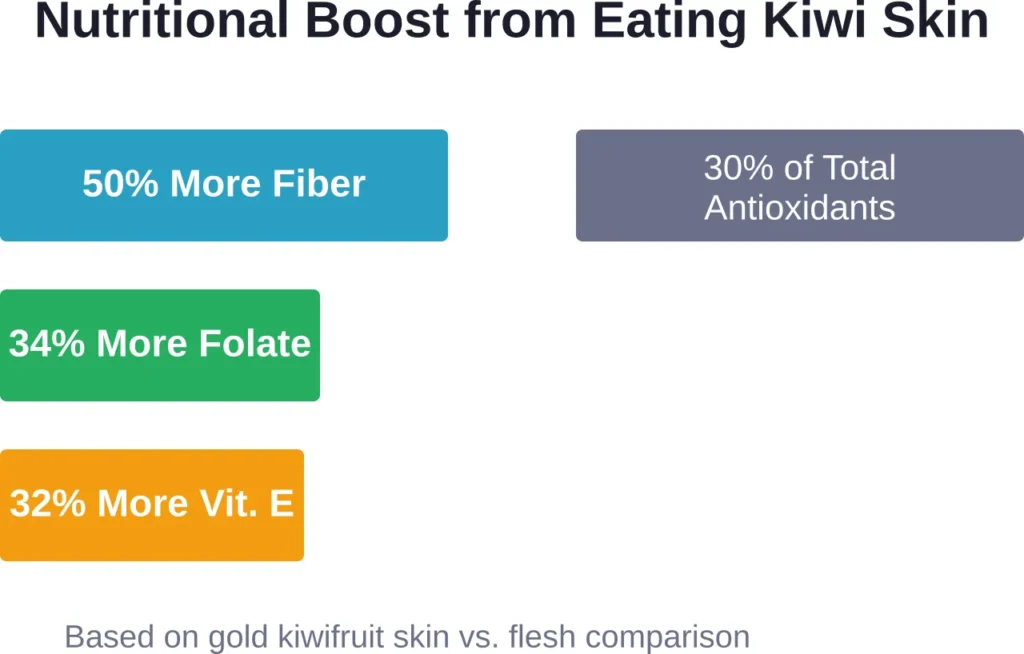
The numbers tell a compelling story. When you eat kiwi with the skin on, you’re getting 50% more fiber compared to eating just the flesh. That’s a substantial increase for something as simple as skipping the peeling step.
But fiber isn’t the only benefit. Research from the University of Kentucky Extension shows that eating produce with peel intact can provide higher amounts of fiber compared to peeled counterparts. With kiwi specifically, the skin delivers additional nutritional perks that extend well beyond digestive health.
Vitamin and Mineral Content in Kiwi Skin
Gold kiwifruit skin, in particular, packs an impressive micronutrient profile. Eating the skin adds 34% more folate and 32% more vitamin E compared to peeled kiwi.
Folate plays a crucial role in cell division and DNA synthesis, making it especially important for pregnant women and anyone focused on cellular health. Vitamin E functions as a powerful antioxidant that supports immune function and helps protect cells from oxidative damage.
Antioxidant Power
About 30% of the total antioxidants in a kiwi—specifically polyphenols—are concentrated in the skin. These compounds help protect the body from oxidative stress caused by environmental factors like pollution, UV radiation, and everyday metabolic processes.
Antioxidants neutralize free radicals, unstable molecules that can damage cells and contribute to aging and disease. By eating the skin, you’re essentially tripling the antioxidant benefits compared to eating only the inner fruit.
Is Kiwi Skin Safe to Eat?
Yes, kiwi skin is completely safe for most people. Both Zespri Green and Zespri SunGold varieties have edible skins that pose no health risks when properly washed.
The fuzzy texture of green kiwis can feel unusual at first. That fuzz is made of tiny plant hairs called trichomes, which are completely harmless. The texture is actually similar to the skin of a peach—slightly fuzzy but far from unpleasant once you get past the initial surprise.
If the fuzz bothers you, there’s a simple solution: rub the kiwi with a paper towel or clean washcloth before eating. This removes most of the fuzz while keeping all the nutritional benefits intact.
Who Should Avoid Kiwi Skin
While kiwi skin is safe for most people, certain groups should exercise caution or avoid it entirely.
People with kiwi allergies need to be particularly careful. Medical research published through the NIH documents cases of kiwifruit allergy in both children and adults, ranging from mild oral symptoms to severe anaphylaxis. The skin may contain higher concentrations of allergenic proteins, potentially triggering stronger reactions.
Those with oral allergy syndrome—a condition where certain raw fruits trigger itching or swelling in the mouth and throat—might find that kiwi skin exacerbates symptoms. This syndrome often affects people who are also allergic to birch pollen or latex.
Anyone with digestive sensitivities might want to start slowly. The increased fiber from eating the skin can cause bloating or discomfort in people with irritable bowel syndrome or other gastrointestinal conditions, though research from PubMed actually suggests kiwifruit can improve bowel function in some IBS patients.
Does Kiwi Skin Taste Good?
This is where opinions diverge. The skin itself has a slightly bitter, earthy flavor compared to the sweet-tart flesh. The texture is the bigger adjustment—that fuzzy exterior creates an unusual mouthfeel that takes some getting used to.
Gold kiwis offer an easier entry point. Their skin is smoother and thinner, with less fuzz and a milder taste. Many people who dislike green kiwi skin find gold varieties perfectly palatable.
The taste of the skin blends into the overall flavor profile rather than dominating it. When you bite into a whole kiwi, the sweet flesh still provides most of the flavor. The skin adds subtle earthy notes and a bit of texture, but it doesn’t overpower the fruit’s natural sweetness.
Real talk: you probably won’t notice the skin much after the first few bites. The texture becomes less prominent as you chew, and the juicy flesh masks most of the skin’s flavor.
How to Eat Kiwi With the Skin On
Preparation makes all the difference. Start by washing the kiwi thoroughly under running water, rubbing the surface to remove any dirt, bacteria, or pesticide residue.
For green kiwis, use the paper towel trick mentioned earlier to reduce fuzziness. Simply rub the fruit vigorously with a dry paper towel or clean cloth until most of the fuzz comes off.
From there, you have options:
- Bite into it like an apple—the simplest approach
- Slice it into rounds, skin and all, for a snack or salad topping
- Chop it into chunks with the skin on for smoothies or fruit bowls
- Cut it in half and scoop out the flesh if you prefer to skip the skin entirely
According to the U.S. Department of Agriculture, fresh kiwi fruit averages about $2.18 per pound, making it an affordable way to boost nutrient intake—especially when you’re eating the whole fruit and maximizing nutritional value.

Additional Health Benefits of Whole Kiwi Consumption
Beyond the concentrated nutrients in the skin, eating whole kiwis offers several health benefits supported by medical research.
Studies published in PubMed demonstrate that kiwifruit consumption can improve sleep quality in adults, potentially due to antioxidants and serotonin content. Other research shows that eating three kiwifruits daily was associated with lower systolic and diastolic blood pressure compared to eating one apple per day in people with moderately elevated blood pressure.
The fiber content—especially when eating the skin—supports digestive health and helps maintain stable blood sugar levels. Fiber slows the absorption of sugars, preventing rapid spikes in blood glucose after eating.
Immune System Support
With about 80% of the daily vitamin C requirement in just one kiwi, this fruit rivals oranges as an immune-boosting powerhouse. Vitamin C supports the production and function of white blood cells, which defend the body against infection.
The vitamin E in kiwi skin provides additional immune support. Both vitamins work together as antioxidants, protecting immune cells from oxidative damage that can impair their function.
Comparing Kiwi Varieties: Green vs. Gold
Not all kiwis are created equal, especially when it comes to eating the skin.
| Feature | Green Kiwi (Zespri Green) | Gold Kiwi (Zespri SunGold) |
|---|---|---|
| Skin Texture | Fuzzy, more prominent trichomes | Smoother, thinner, less fuzzy |
| Taste | Tart, slightly acidic | Sweeter, tropical flavor |
| Skin Palatability | Requires getting used to | More pleasant for beginners |
| Vitamin C Content | High | Higher (nearly double) |
| Availability | Year-round, widely available | Seasonal, premium price |
Gold kiwis generally provide an easier introduction to eating kiwi skin. The smoother texture and sweeter flavor make the skin less noticeable and more enjoyable.
Green kiwis remain the classic choice and are more readily available. While the fuzzy skin takes more adjustment, the nutritional benefits are comparable once you remove some of the fuzz.
Food Waste and Environmental Considerations
Eating kiwi skin isn’t just about personal health—it’s also about reducing food waste. A significant portion of food waste occurs at the consumer level, and fruit and vegetable peels contribute significantly to that waste stream.
By eating the whole kiwi, you’re consuming 100% of the edible portion of the fruit. This reduces the amount of organic waste going to landfills, where it produces methane, a potent greenhouse gas.
The environmental impact extends beyond waste reduction. Growing, harvesting, and transporting kiwis requires significant resources—water, land, labor, and fuel. Maximizing the nutritional value you extract from each piece of fruit makes better use of those resources.
Frequently Asked Questions
Yes, green kiwi skin is completely edible and safe to eat. The fuzzy texture might feel unusual at first, but it’s just plant hairs that pose no health risk. Rubbing the kiwi with a paper towel before eating removes most of the fuzz if the texture bothers you.
The skin isn’t necessarily healthier than the flesh, but it contains concentrated amounts of certain nutrients. Eating kiwi with the skin provides 50% more fiber, 34% more folate, and 32% more vitamin E compared to eating only the peeled fruit. About 30% of the fruit’s total antioxidants are located in the skin.
Absolutely. Always wash kiwis thoroughly under running water before eating them with the skin on. This removes dirt, bacteria, and potential pesticide residue from the surface. Scrub the skin gently with your hands or a clean produce brush.
Kiwi skin can trigger allergic reactions in people who are allergic to kiwifruit. The skin may contain higher concentrations of allergenic proteins than the flesh. Anyone with known kiwi allergies, oral allergy syndrome, or latex allergies should avoid kiwi skin or consult with their healthcare provider before trying it.
Kiwi skin has a slightly bitter, earthy flavor compared to the sweet-tart taste of the flesh. The fuzzy texture is more noticeable than the taste. Gold kiwi skin tends to be milder and less bitter than green kiwi skin, making it easier for beginners.
Gold kiwi skin is generally easier to eat because it’s smoother, thinner, and less fuzzy than green kiwi skin. The flavor is also milder and sweeter. If you’re trying kiwi skin for the first time, gold varieties provide a more pleasant introduction.
Yes, the additional fiber from kiwi skin can support digestive health by promoting regular bowel movements and feeding beneficial gut bacteria. Research shows kiwifruit improves bowel function in some people with irritable bowel syndrome. However, the extra fiber might cause bloating in those with sensitive digestion, so start with small amounts.
The Bottom Line on Eating Kiwi Skin
So, is it OK to eat kiwi skin? Not only is it OK—it’s actually one of the best ways to maximize the nutritional value of this remarkable fruit.
The skin delivers 50% more fiber, significant amounts of folate and vitamin E, and about 30% of the fruit’s total antioxidants. Both green and gold varieties have edible skins, though gold kiwis offer a smoother, more pleasant texture for those new to eating the whole fruit.
The fuzzy exterior might take some mental adjustment, but the texture becomes less noticeable with each bite. A quick rub with a paper towel removes most of the fuzz while preserving all the nutritional benefits.
For most people, eating kiwi skin poses no health risks and offers substantial nutritional advantages. Those with kiwi allergies, oral allergy syndrome, or sensitive digestion should proceed with caution or stick to eating just the flesh.
The next time you reach for a kiwi, consider skipping the peeler. Wash it thoroughly, maybe rub off some fuzz, and bite right in. Your body—and the planet—will thank you for it.