
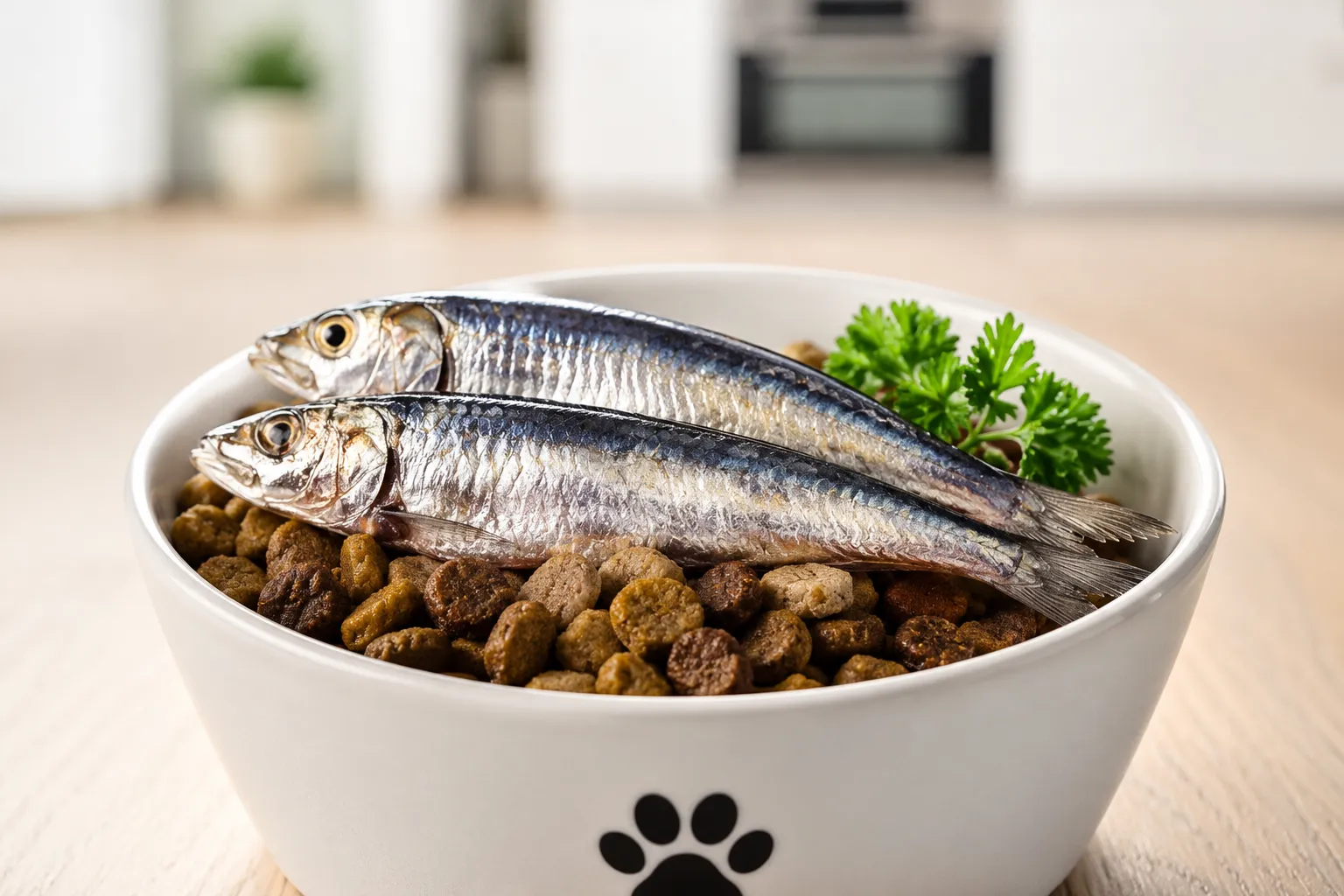
Quick Summary: Sardines can be fed to dogs daily in small amounts—generally one sardine per 20 pounds of body weight, 2-3 times per week is recommended rather than every single day. While sardines are nutritious and packed with omega-3 fatty acids, protein, and vitamins, daily feeding may lead to excessive sodium intake, nutrient imbalances, or digestive upset. Moderation is key to safely incorporating this superfood into your dog’s diet.
Sardines have emerged as one of the most talked-about canine superfoods, praised for their omega-3 content, lean protein, and potential longevity benefits. But as more pet owners discover this nutrient-dense fish, a critical question arises: is it safe to feed sardines to your dog every single day?
The answer isn’t a simple yes or no. While sardines pack impressive nutritional value, daily feeding requires careful consideration of portion size, sodium content, and overall dietary balance.
Here’s the thing though—sardines aren’t like kibble or standard dog food. They’re a supplement, not a meal replacement. Understanding this distinction is crucial before you crack open that tin every morning.
Why Sardines Are Good for Dogs
Sardines are small, oily fish loaded with nutrients that benefit canine health. They’re particularly rich in omega-3 fatty acids, which decrease inflammation and promote healthy skin function in dogs.
According to one source, human studies involving hundreds of thousands of participants eating sardines twice a week found consumption reduces the risk of dying from heart disease by 36%. While direct canine studies are limited, the anti-inflammatory properties of omega-3s translate across species.
So what makes sardines stand out? Several factors:
- High-quality protein with essential amino acids
- Rich omega-3 fatty acid content (EPA and DHA)
- Vitamin D, B12, and selenium
- Calcium from edible bones in canned varieties
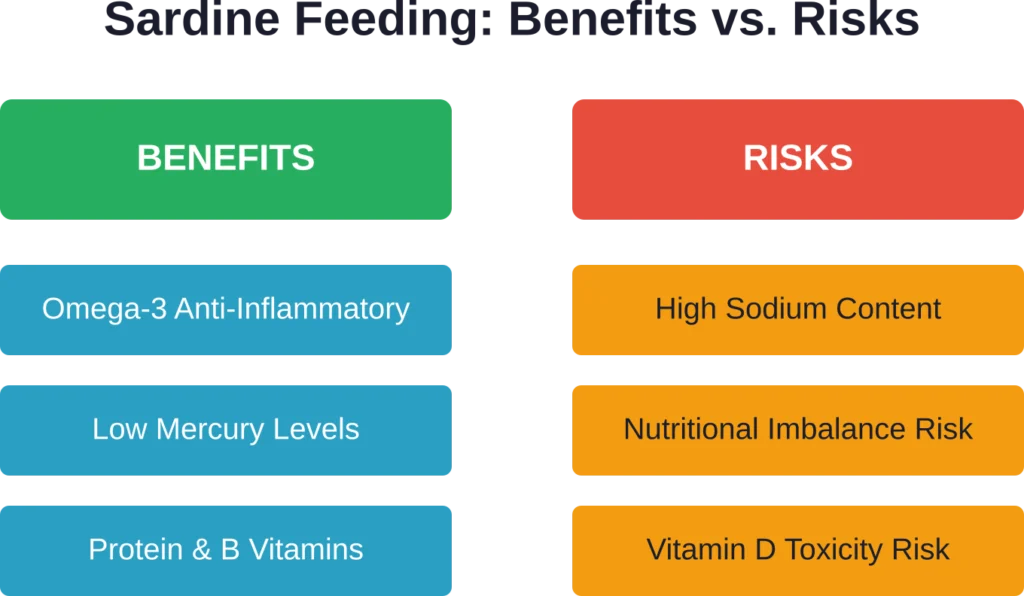
- Low mercury levels compared to larger fish
- Relatively inexpensive and widely available
According to FDA mercury monitoring data, sardines contain an average of just 0.013 µg/g of mercury—significantly lower than tuna, mackerel, or other larger fish. This low position on the food chain makes them a safer choice for frequent consumption.
The omega-3 content deserves special attention. These essential fatty acids support cardiovascular health, joint mobility, cognitive function, and coat quality. For dogs with inflammatory conditions like arthritis, sardines offer natural anti-inflammatory benefits without medication side effects.
The Case for Daily Sardine Feeding
Some nutritionists and holistic veterinarians advocate for frequent sardine feeding—even daily in small amounts. Their reasoning centers on consistent omega-3 delivery.
Dogs don’t store omega-3 fatty acids efficiently. Regular intake maintains therapeutic blood levels, particularly important for dogs managing chronic inflammation, skin allergies, or joint conditions.
Daily feeding proponents argue that very small portions—a quarter to half a sardine for medium dogs—provide steady benefits without overload. This approach treats sardines like a daily supplement rather than an occasional treat.
Real talk: this works for some dogs. Owners report improvements in coat shine, reduced itching, and better mobility when sardines become a daily ritual.
But wait. There’s another side to this equation.
The Risks of Feeding Sardines Every Day
Daily sardine feeding carries several legitimate concerns that responsible pet owners must weigh.
Sodium Overload
Most canned sardines contain significant sodium, even varieties labeled “low sodium.” A typical tin might contain 200-400mg of sodium per serving.
For a 50-pound dog, daily sardines can push sodium intake into problematic territory when considering that excess sodium stresses kidneys and may contribute to hypertension. This is particularly concerning for senior dogs or those with existing heart conditions.
Fresh sardines contain less sodium, but they’re harder to source and prepare safely.
Nutritional Imbalance
According to the Dog Aging Project’s findings published in the Journal of the American Veterinary Medical Association, only 6% of home-prepared diets were potentially nutritionally complete according to the Association of American Feed Control Officials (AAFCO) adult dog maintenance standards.
When treats and table food exceed 10% of a dog’s total diet, deficiencies become likely. Daily sardines, especially generous portions, can displace balanced commercial food and create gaps in other essential nutrients.
The Tufts Cummings School of Veterinary Medicine emphasizes that treats and table food should make up no more than 10% of a pet’s diet to avoid deficiencies.
Digestive Upset
Rich, oily fish can overwhelm some dogs’ digestive systems. Daily feeding increases the likelihood of soft stools, diarrhea, or vomiting—particularly in dogs with sensitive stomachs or pancreatitis history.
The high fat content, while healthy in moderation, becomes problematic in excess.
Vitamin D Toxicity
Sardines contain significant vitamin D. While vitamin D supports bone health and immune function, it’s fat-soluble and accumulates in tissues.
Chronic excessive intake can lead to vitamin D toxicity, causing calcium deposits in soft tissues, kidney damage, and other serious complications. This risk increases with daily feeding over extended periods.
What Veterinary Nutritionists Recommend
The consensus among board-certified veterinary nutritionists leans toward moderation rather than daily feeding.
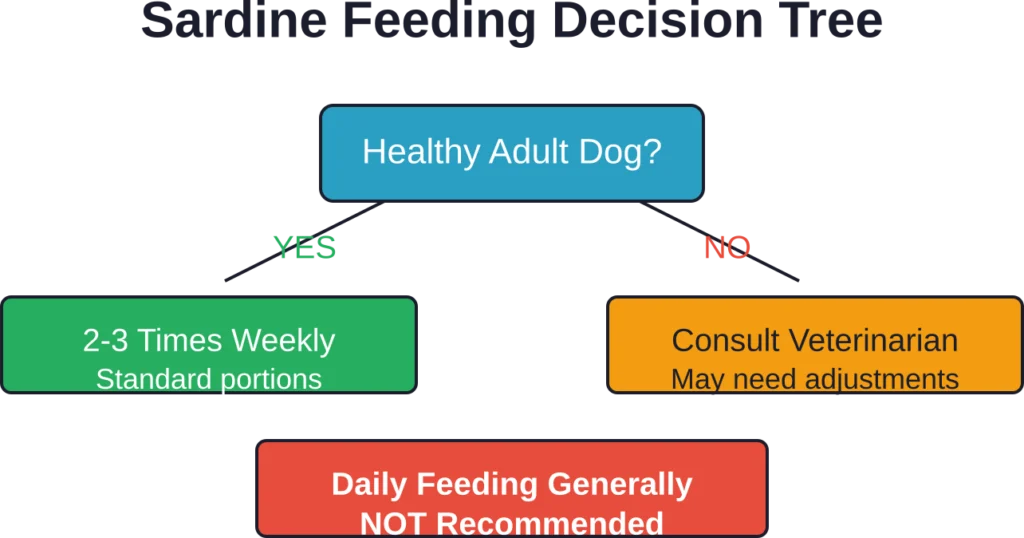
The standard recommendation: one sardine per 20 pounds of body weight, 2-3 times per week. This frequency provides omega-3 benefits while minimizing risks.
For a 40-pound dog, that translates to two sardines twice weekly—not two sardines every day. The distinction matters.
Cornell University College of Veterinary Medicine advises that home-prepared diet additions should be carefully balanced. Veterinarians collecting diet history information should fully examine the home-prepared diets reported by owners and consult with board-certified veterinary nutritionists when needed.
Survey data shows that 8% of dogs primarily consumed a home-prepared diet, and 21% consumed it as a secondary component. Yet the same research found that 90% of these diets included meat and 65% included vegetables, but only 6% were potentially nutritionally complete according to AAFCO standards.
This gap highlights why even healthy additions like sardines require thoughtful integration rather than daily automatic feeding.
How Much Is Too Much? Safe Sardine Portions
Portion control makes the difference between benefit and harm. Body weight determines safe amounts:
| Dog Weight | Sardines Per Serving | Recommended Frequency |
|---|---|---|
| Under 10 lbs | 1/4 to 1/2 sardine | 2 times per week |
| 10-20 lbs | 1/2 to 1 sardine | 2-3 times per week |
| 20-40 lbs | 1 to 2 sardines | 2-3 times per week |
| 40-60 lbs | 2 to 3 sardines | 2-3 times per week |
| Over 60 lbs | 3 to 4 sardines | 2-3 times per week |
These portions assume sardines represent a supplement to complete, balanced commercial dog food—not a meal replacement.
For daily feeding advocates, divide the weekly amount across seven days. A 40-pound dog might receive half a sardine daily instead of two sardines three times weekly. This approach reduces per-serving sodium while maintaining omega-3 consistency.
That said, the every-other-day or three-times-weekly approach remains safer for most dogs.
Choosing the Right Sardines for Your Dog
Not all sardines are created equal. The type you choose significantly impacts safety.
Fresh vs. Canned Sardines
Fresh sardines contain minimal sodium and no preservatives. They’re the healthiest option but require proper sourcing and preparation. Cook them lightly to eliminate parasites—raw fish carries bacteria and parasite risks.
Canned sardines offer convenience but vary widely in sodium content and added ingredients.
What to Look for in Canned Sardines
Choose sardines packed in water, not oil. Oil-packed varieties add unnecessary calories and may contain unhealthy additives.
Avoid sardines in tomato sauce, mustard, or other flavorings. These contain salt, sugar, spices, and ingredients potentially harmful to dogs—particularly onion or garlic powder.
Select products with no added salt or labeled “low sodium.” Even these contain some sodium, but less than standard varieties.
Check the ingredient list. It should read: sardines, water, and possibly salt. Nothing else.
Bones: Friend or Foe?
Canned sardine bones are soft and fully digestible, providing calcium. They’re safe for dogs and actually beneficial.
Cooked fish bones from home preparation are different—they can splinter. If cooking fresh sardines, remove bones carefully or cook them until extremely soft.
Special Considerations for Different Dogs
Not every dog tolerates sardines equally. Individual factors matter.
Puppies and Sardines
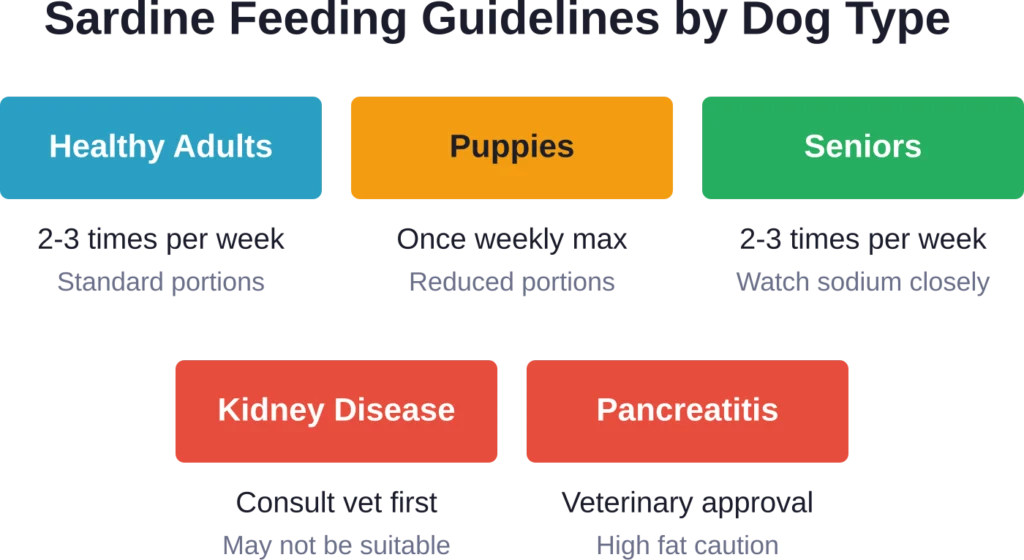
Puppies can eat sardines, but in smaller portions. Their developing systems need carefully balanced nutrition.
For puppies, sardines should be an occasional treat—once weekly at most. Growing dogs require precise calcium-to-phosphorus ratios and complete nutrition. Frequent sardine feeding risks disrupting this balance.
Senior Dogs
Older dogs often benefit most from sardines’ anti-inflammatory omega-3s, which support aging joints and cognitive function.
However, senior dogs also face higher risks from excess sodium and vitamin D. Kidney function declines with age, making sodium management critical.
For senior dogs, stick firmly to the 2-3 times weekly schedule. Consider lower portions if kidney values show any elevation.
Dogs with Health Conditions
Dogs with pancreatitis history should approach sardines cautiously. The high fat content may trigger episodes. Consult a veterinarian before introducing sardines to pancreatitis-prone dogs.
Dogs with heart disease require sodium restriction. According to Tufts Cummings School of Veterinary Medicine’s resources on heart disease nutrition, large amounts of treats or table food can cause nutritional deficiencies, and dietary modifications should be veterinarian-guided.
Dogs with kidney disease need low-sodium diets. Sardines may not be appropriate at all.
Dogs taking certain medications—particularly blood thinners or anti-inflammatory drugs—should be evaluated by a veterinarian before regular sardine consumption. Omega-3s affect blood clotting and may interact with medications.
Signs Your Dog Is Getting Too Many Sardines
Watch for these warning signs that sardine intake should be reduced or stopped:
- Loose stools or diarrhea that persists beyond 24 hours
- Vomiting, especially if it contains visible fish
- Excessive thirst or urination (possible sodium overload)
- Lethargy or reduced appetite
- Skin irritation or new allergic reactions
- Weight gain from excess calories
If any of these symptoms appear, discontinue sardines and consult a veterinarian. Some dogs simply don’t tolerate fish well, regardless of frequency.
Alternatives to Daily Sardine Feeding
If daily omega-3 supplementation is the goal, consider these alternatives:
Fish Oil Supplements
Purified fish oil provides concentrated omega-3s without the sodium, calories, or vitamin D concerns of whole sardines. Dosing is more precise and controllable.
Look for products specifically formulated for dogs with guaranteed EPA and DHA content.
Other Fish Options
Rotate sardines with other low-mercury fish like salmon, anchovies, or herring. Variety prevents overexposure to any single nutrient profile.
According to FDA mercury monitoring data, anchovies contain an average of just 0.02 µg/g mercury—even lower than sardines.
Plant-Based Omega-3 Sources
Flaxseed oil, chia seeds, and hemp oil provide ALA omega-3s. Dogs convert ALA to EPA and DHA inefficiently compared to humans, but these still offer some benefit.
They work best in combination with fish sources, not as complete replacements.
Creating a Balanced Approach
The healthiest strategy combines sardines with a complete commercial diet, rotating protein sources and supplements.
A sample weekly plan for a 40-pound dog might include:
- Monday: Two sardines
- Tuesday-Wednesday: Regular commercial food only
- Thursday: Two sardines
- Friday-Saturday: Regular commercial food only
- Sunday: Fish oil supplement or small piece of cooked salmon
This provides omega-3s four days weekly without daily sardine exposure. It maintains nutritional balance while delivering benefits.
According to the AAFCO, complete and balanced commercial pet foods are formulated to meet specific nutrient profiles. Home additions should complement, not replace, these carefully formulated diets.
When to Consult a Veterinary Nutritionist
Certain situations warrant professional guidance from a board-certified veterinary nutritionist:
- Planning significant dietary changes or home-prepared meals
- Managing chronic health conditions through diet
- Addressing suspected nutritional deficiencies
- Creating diets for puppies, pregnant dogs, or senior dogs
- Questions about supplement interactions with medications
Board-certified veterinary nutritionists hold the Diplomate of American College of Veterinary Internal Medicine–Nutrition credential. They can analyze complete diet history and provide personalized recommendations.
General practice veterinarians offer valuable guidance, but complex nutritional planning benefits from specialist expertise.
The Bottom Line on Daily Sardine Feeding
So, is it okay to feed sardines to dogs every day? Technically yes, but practically no for most dogs.
Very small daily portions—a quarter sardine for medium dogs, less for small breeds—likely won’t cause harm in healthy adults. But this approach offers little advantage over the standard 2-3 times weekly recommendation while increasing sodium and vitamin D exposure.
The 2-3 times weekly schedule provides the omega-3 benefits without the risks. It’s simpler, safer, and supported by veterinary nutritionists.
For dogs with specific health conditions requiring aggressive omega-3 supplementation, consult a veterinarian. They may recommend higher frequencies with careful monitoring, or they may suggest concentrated fish oil supplements instead.
Remember that sardines are a supplement, not a staple. They enhance a balanced diet but can’t replace one.
Frequently Asked Questions
Daily canned sardines aren’t recommended for most dogs due to sodium content and risk of nutritional imbalance. The safer approach is 2-3 times per week at appropriate portions based on body weight. If daily feeding is desired, use very small amounts (quarter to half sardine for medium dogs) and choose low-sodium, water-packed varieties.
A 50-pound dog can safely eat 2-3 sardines per serving, given 2-3 times weekly. Community discussions and veterinary guidelines suggest this range provides omega-3 benefits without excessive sodium or calories. Always account for sardines within the 10% treat guideline to maintain overall dietary balance.
Sardines and salmon both offer excellent omega-3 content, but sardines have advantages: they’re smaller fish with lower mercury accumulation, less expensive, and contain edible bones for calcium. Salmon provides more protein per serving. Rotating between both fish types offers variety and prevents overexposure to any single nutrient profile.
Puppies can eat sardines in very small amounts—no more than once weekly. Growing dogs require precisely balanced nutrition with correct calcium-to-phosphorus ratios. Frequent sardine feeding risks disrupting this balance. A few bites of sardine as an occasional treat is safe, but puppies shouldn’t receive the same portions as adult dogs.
Overconsumption of sardines may cause digestive upset including diarrhea, vomiting, or stomach discomfort. Long-term excessive intake risks sodium overload (stressing kidneys and potentially raising blood pressure), vitamin D toxicity, nutritional imbalances, and weight gain from excess calories. If symptoms appear, discontinue sardines and consult a veterinarian.
Rinsing canned sardines with water removes some surface sodium, making them slightly healthier. This simple step reduces salt content by 20-30% while maintaining most nutrients and omega-3s. Pat them dry after rinsing and serve. This practice is particularly important if feeding sardines more than twice weekly.
Dogs with kidney disease typically require low-sodium, low-phosphorus diets. Sardines contain both sodium and phosphorus, making them potentially inappropriate. Consult a veterinarian or veterinary nutritionist before feeding sardines to any dog with diagnosed kidney disease. Alternative omega-3 sources like purified fish oil supplements may be safer options.
Conclusion: Feed Sardines Smartly, Not Daily
Sardines deserve their superfood reputation. They’re nutrient-dense, affordable, and beneficial for canine health when used appropriately.
But “superfood” doesn’t mean “unlimited food.” The key to safely incorporating sardines lies in moderation and frequency.
For most dogs, the ideal schedule remains 2-3 times weekly at portions matched to body weight. This provides anti-inflammatory omega-3s, quality protein, and micronutrients without sodium overload or nutritional imbalance.
Daily feeding offers minimal advantages while significantly increasing risks. The steady omega-3 delivery that daily feeding proponents cite can be achieved just as effectively—and more safely—with every-other-day or three-times-weekly schedules.
Before making sardines a regular part of your dog’s diet, evaluate their overall nutritional needs, current health status, and existing diet. Treats and supplements should enhance balanced nutrition, not replace it.
When in doubt, consult a veterinarian. Board-certified veterinary nutritionists can provide personalized guidance for complex situations or dogs with health conditions.
Feed sardines as a smart supplement, not a daily ritual. Your dog will reap the benefits while avoiding the risks.