
Quick Summary: Sleeping naked can offer several health benefits, including better temperature regulation for improved sleep quality, support for reproductive health, and potential metabolic advantages. Research shows that keeping your body cool at night helps maintain natural sleep cycles and may promote deeper rest. However, proper hygiene practices and personal comfort should guide your decision.
The question of whether to sleep naked or clothed is more than just a matter of personal preference. It touches on sleep science, thermoregulation, and even reproductive health. While many people reach for comfortable pajamas at bedtime, research suggests that ditching sleepwear might offer some surprising advantages.
About one-third of adults sleep naked regularly, according to community discussions and sleep surveys. But is this practice actually beneficial, or just a matter of comfort? Let’s explore what science tells us about sleeping in the nude.
How Temperature Affects Sleep Quality
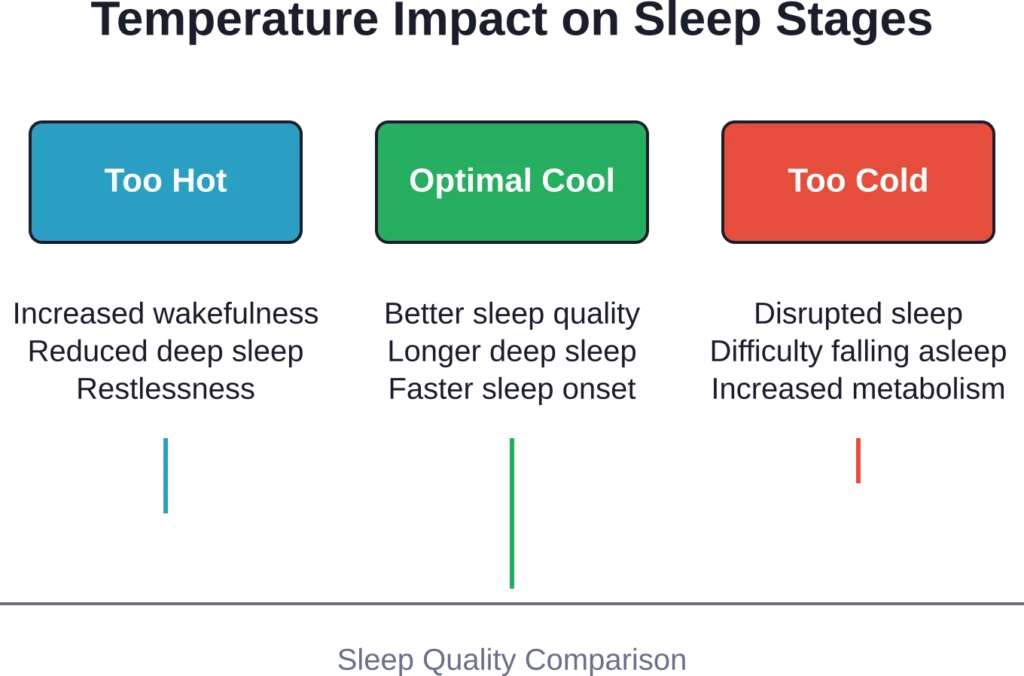
Your body’s core temperature naturally drops as you prepare for sleep. This isn’t just coincidence—it’s a fundamental part of your circadian rhythm. Research on thermoregulation and sleep stages shows that maintaining an optimal sleep temperature is crucial for quality rest.
Research on thermoregulation and sleep indicates that ambient temperature affects sleep quality, with optimal temperatures typically in cooler ranges. The thermal environment directly impacts how quickly you fall asleep and how well you stay asleep throughout the night.
Here’s the thing though—clothing creates an extra insulation layer that can interfere with your body’s natural cooling process. When you overheat during the night, you’re more likely to experience restlessness and fragmented sleep.
Benefits of Sleeping Naked
Improved Sleep Quality Through Better Thermoregulation
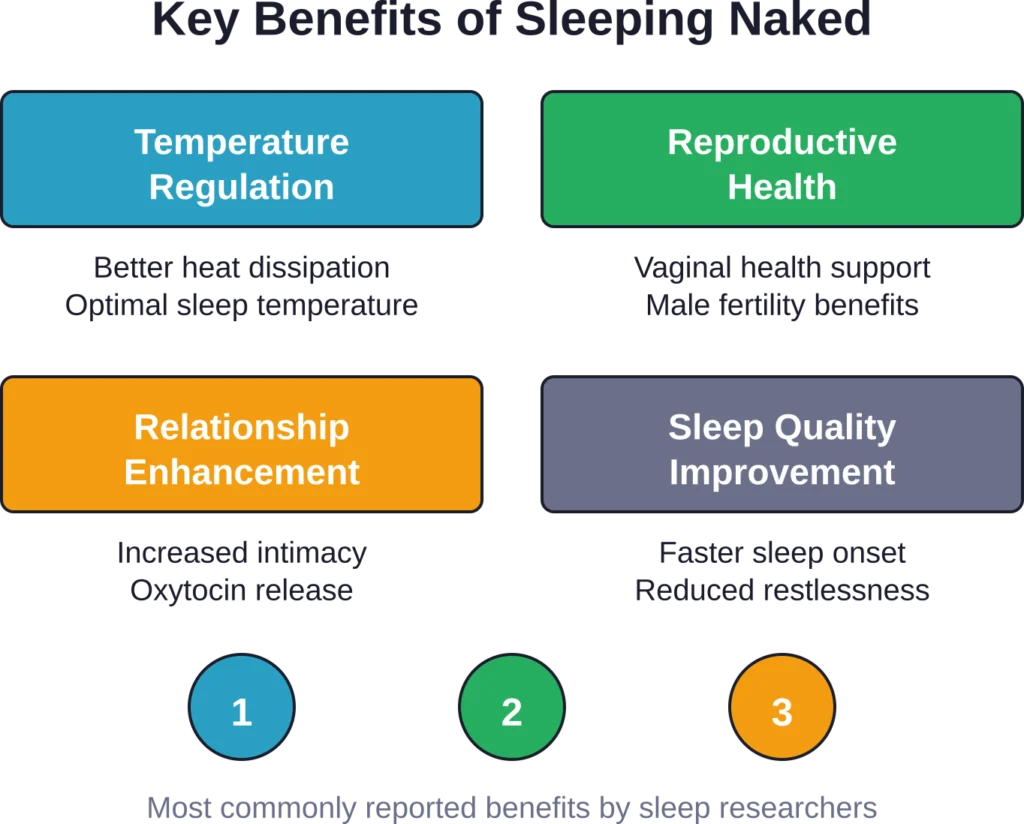
According to the Sleep Foundation, sleeping naked may help regulate body temperature, potentially improving sleep quality by preventing overheating or restlessness. When ambient temperature departs from thermoneutral zones, oxygen consumption increases during sleep as your body works harder to maintain its core temperature.
This means pajamas that trap heat can force your body into metabolic overdrive when you should be resting. Sleeping naked eliminates this extra insulation layer, allowing heat to dissipate naturally.
Research examining metabolism and thermoregulation during sleep stages found that subjects sleeping in minimal clothing at various temperatures showed different metabolic responses. The implication is that less clothing may help reduce thermal stress on your sleeping body during sleep.
Support for Reproductive Health
One of the more compelling benefits relates to reproductive health. The Sleep Foundation notes that going without tight clothing at night may support vaginal health and improve male fertility.
For women, sleeping naked may help keep Candida yeast from overgrowing in warm, moist environments. Tight underwear and pajama bottoms can create the perfect conditions for yeast infections, while sleeping nude allows for better air circulation.
For men, testicular temperature matters for sperm production. Testicles hang outside the body for a reason—they function best at temperatures slightly below core body temperature. Tight underwear and warm pajamas can elevate scrotal temperature, potentially affecting sperm quality and count.
Potential Metabolic Benefits
Sleeping in cooler conditions might offer metabolic advantages. The Sleep Foundation mentions that cooler sleep conditions can activate brown fat, which burns energy and may support healthy metabolism.
Brown fat is different from regular white fat. It burns calories to generate heat, and exposure to cooler temperatures can stimulate its activity. While research on this connection to naked sleeping specifically is limited, the thermoregulatory benefits suggest a possible metabolic upside.
Enhanced Intimacy and Relationship Benefits
For couples, sleeping naked can enhance intimacy through increased skin-to-skin contact. This physical closeness releases oxytocin, sometimes called the “bonding hormone,” which can strengthen emotional connections and reduce stress.
The tactile experience of skin-to-skin contact has been shown to promote feelings of closeness and security. It’s not just about sexual intimacy—though that may increase too—but about the overall sense of connection with a partner.
Faster Sleep Onset
Many people report falling asleep faster when sleeping naked. This aligns with the science of thermoregulation. As your body temperature drops naturally in preparation for sleep, removing the barrier of clothing may help facilitate this process more efficiently.
Without the extra layer of fabric trapping heat, your body can reach its optimal sleeping temperature more quickly, potentially shortening the time it takes to drift off.
Potential Drawbacks and Concerns
Hygiene Considerations
One concern raised by health professionals centers on hygiene. Throughout the night, your body sheds dead skin cells, releases oils, and—let’s be honest—passes gas. When sleeping naked, all of this goes directly onto your bedding instead of being partially absorbed by pajamas.
Some medical professionals point out that sleeping naked means your sheets accumulate more bacteria, skin cells, and bodily fluids. This doesn’t make sleeping naked inherently unhealthy, but it does suggest you should wash your sheets more frequently than if wearing pajamas.
Temperature Variability
While sleeping naked can help prevent overheating, it can also leave you vulnerable to getting too cold. If your room temperature drops significantly during the night or you kick off your blankets, you might wake up uncomfortably chilled.
Research on cold exposure during sleep found that ambient temperatures departing too far from thermoneutral zones—roughly 21-24 degrees Celsius—can disrupt sleep quality. Being naked amplifies this effect since you lack that insulating pajama layer.
Emergency Preparedness
Practical concerns matter too. In an emergency—fire, break-in, natural disaster—you’d need to grab clothing before evacuating. Having pajamas on means one less thing to worry about when seconds count.
Community discussions on platforms like Reddit frequently mention this consideration, particularly among parents who might need to attend to children during the night or people living in areas prone to earthquakes or other emergencies.
Skin Sensitivity and Bedding Materials
Some people have sensitive skin that reacts to certain bedding materials. Research on sleepwear and bedding fibers shows that different materials can affect sleep quality by influencing skin temperature and thermal comfort.
When sleeping naked, your skin is in direct contact with sheets for extended periods. If those sheets are synthetic or treated with harsh chemicals, you might experience irritation, especially in sensitive areas.
Who Should Consider Sleeping Naked
Sleeping naked isn’t for everyone, but certain groups might benefit most from trying it. Hot sleepers—people who tend to overheat at night—are prime candidates. If you frequently wake up sweating or kick off blankets, removing pajamas could help.
People struggling with vaginal health issues like recurrent yeast infections might find relief from the improved air circulation. Similarly, couples trying to conceive could benefit from the male fertility advantages of cooler testicular temperatures.
Those living in warm climates or dealing with summer heat waves can use naked sleeping as a strategy to stay comfortable without cranking up air conditioning all night.
Tips for Sleeping Naked Safely and Comfortably
Optimize Your Sleep Environment
According to CDC guidelines, keeping your bedroom quiet, relaxing, and at a cool temperature creates ideal sleep conditions. For naked sleeping, aim for a room temperature between 60-67 degrees Fahrenheit (15-19 degrees Celsius).
Invest in breathable, natural-fiber sheets. Cotton, bamboo, and linen allow better air circulation than synthetic materials. Higher thread counts aren’t necessarily better—they can actually trap more heat.
Maintain Proper Hygiene
Shower before bed to remove the day’s accumulated sweat, oils, and bacteria. This practice keeps your bedding cleaner longer and is just more pleasant.
Maintain good hygiene by washing sheets regularly when sleeping naked. The CDC recommends keeping sleep environments clean; consult manufacturer guidelines for appropriate water temperatures for your bedding.
Keep Backup Options Handy
Place a robe or loose clothing within arm’s reach of your bed. This solves the emergency preparedness issue and gives you something to throw on if you get cold during the night or need to leave your bedroom.
For those concerned about unexpected visitors or children, consider a compromise: sleep naked under the covers but keep the bedroom door locked or communicate boundaries with household members.
Layer Your Bedding
Having multiple blanket layers allows you to adjust coverage throughout the night without getting dressed. A flat sheet, light blanket, and heavier comforter give you options as your body temperature fluctuates during different sleep stages.
This approach lets you maintain the thermoregulatory benefits of naked sleeping while adapting to temperature changes.
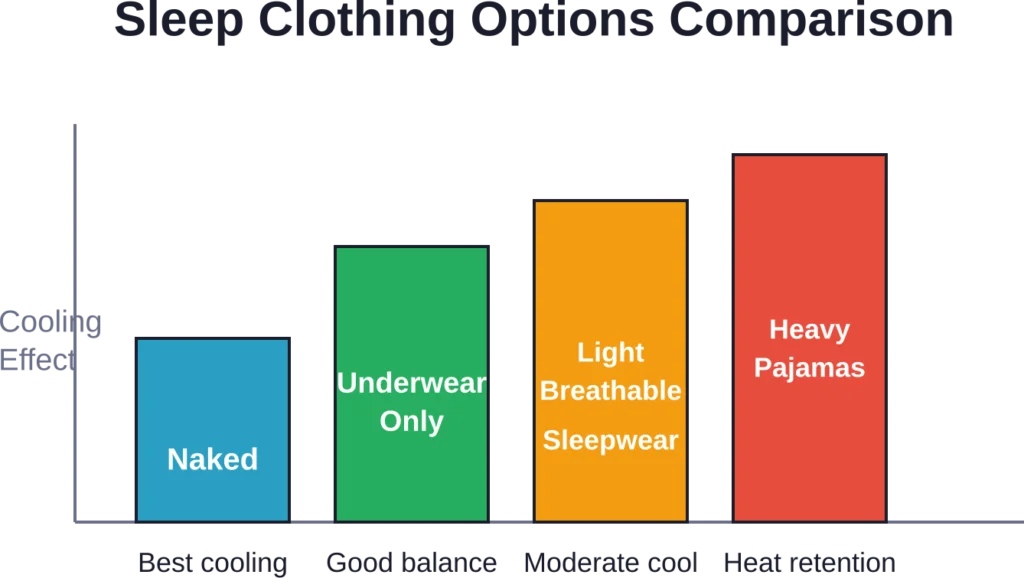
| Sleep Setup | Temperature Control | Hygiene Impact | Convenience |
|---|---|---|---|
| Heavy Pajamas | Poor – traps heat | Good – barrier layer | High – always dressed |
| Light Sleepwear | Moderate – some airflow | Good – barrier layer | High – always dressed |
| Underwear Only | Good – decent airflow | Moderate – partial barrier | Moderate – partially dressed |
| Fully Naked | Excellent – maximum airflow | Requires more frequent washing | Low – must dress for emergencies |
What Sleep Experts Recommend
Sleep experts generally agree that personal comfort matters most. The Sleep Foundation emphasizes that good sleep hygiene includes optimizing your bedroom for sleep, and for some people, that means sleeping naked.
However, they also stress that sleeping naked alone won’t cure sleep problems. If you’re consistently getting fewer than 7 hours of sleep per night—the minimum recommended for healthy adults—or experiencing symptoms like daytime fatigue, difficulty concentrating, or mood changes, clothing choice isn’t your main issue.
The CDC recommends talking to a healthcare provider if you have ongoing sleep problems. Sleep disorders like sleep apnea, insomnia, or restless leg syndrome require proper diagnosis and treatment, regardless of what you wear to bed.
The Hygiene Debate
The hygiene aspect deserves a closer look because it represents the main counterargument to sleeping naked. Some physicians have gone viral online explaining why sleeping in underwear is more hygienic.
The argument goes like this: your body naturally produces flatulence during sleep, which can occur multiple times per night. When you pass gas while naked, fecal particles can potentially transfer to your bedding. Underwear acts as a filter, catching most of these particles.
Real talk: this is technically true. But context matters. The amount of bacteria transmitted this way is typically minimal for healthy individuals. Regular sheet washing mitigates most hygiene concerns.
For people with certain digestive conditions, compromised immune systems, or open wounds, the extra barrier of underwear or pajamas might make sense. But for the general population, proper hygiene habits matter more than clothing choice.
Cultural and Personal Factors
Sleep preferences vary widely based on cultural background, childhood habits, and personal comfort levels. In some cultures, sleeping fully clothed is the norm. In others, minimal clothing is standard.
There’s no universal right answer. What matters is that you feel comfortable and safe. If the idea of sleeping naked makes you anxious or uncomfortable, those negative feelings will likely outweigh any physical benefits.
Community discussions show that many people gradually transition to naked sleeping rather than switching abruptly. Starting with just underwear, then trying naked sleeping for naps, and eventually making the full switch can ease the adjustment.
Special Considerations
For Women
Beyond general reproductive health benefits, women going through menopause may find naked sleeping particularly helpful for managing night sweats and hot flashes. The improved heat dissipation can make hormonal temperature fluctuations more bearable.
However, women prone to urinary tract infections should ensure they maintain excellent hygiene and wash bedding frequently, as bacteria can potentially transfer more easily without a clothing barrier.
For Men
The fertility benefits for men are worth emphasizing. Research shows that testicular temperature affects sperm production, and even small temperature increases can impact sperm quality. For couples trying to conceive, this simple change might contribute to improved fertility outcomes.
For Couples
When both partners want to try naked sleeping, coordinate on bedroom temperature preferences. One person might naturally sleep hotter than the other, so finding a compromise temperature—or using separate blankets—can help both people stay comfortable.
The intimacy benefits are real, but they also require good communication. Make sure both partners are on the same page about boundaries and expectations.
Alternatives to Consider
If full naked sleeping doesn’t appeal to you, compromise options exist. Loose-fitting, breathable cotton underwear provides some of the temperature regulation benefits while maintaining a hygiene barrier and emergency preparedness.
Lightweight, moisture-wicking sleepwear designed for athletes can also help regulate temperature without the vulnerability of full nudity. Look for materials like bamboo, Tencel, or performance polyester blends that don’t trap heat.
Going commando under loose pajama pants offers another middle ground—better air circulation where it matters most while keeping covered enough for comfort.
Making the Decision
So, is it okay to sleep naked? The answer is yes—for most people, it’s perfectly safe and potentially beneficial. The key factors to consider include:
- Your natural body temperature and tendency to sleep hot or cold
- Climate and seasonal temperature variations in your bedroom
- Personal hygiene habits and willingness to wash sheets weekly
- Living situation and privacy concerns
- Reproductive health goals
- Personal comfort level and anxiety about being unclothed
Sleep quality ultimately depends on multiple factors. According to research, According to research, college students receive approximately 6 hours per night on average, below the recommended 8-10 hours for their age group, below the recommended 8-10 hours for their age group. Adding an hour or two of sleep likely matters more than what you wear during that sleep.
But wait. If you’re already getting the recommended 7 hours minimum for adults and still struggling with sleep quality, clothing choice might be one variable worth experimenting with.
Frequently Asked Questions
It can for many people. Your body temperature naturally drops as you prepare for sleep, and removing the insulating layer of pajamas helps facilitate this cooling process. Research on thermoregulation and sleep shows that reaching optimal sleep temperature more quickly can reduce the time it takes to fall asleep. However, individual results vary based on room temperature, bedding materials, and personal metabolism.
Not inherently, but it does require more frequent bedding changes. When sleeping naked, your sheets come into direct contact with all the skin cells, oils, and bacteria your body naturally produces. Some medical professionals recommend sleeping in at least underwear to provide a hygiene barrier, particularly for fecal particles from nighttime flatulence. The solution is simple: maintain good personal hygiene with pre-bed showers and wash sheets weekly rather than every two weeks.
For men, there’s evidence suggesting it might help. Testicles function optimally at temperatures slightly below core body temperature, which is why they hang outside the body. Tight underwear and warm pajamas can elevate scrotal temperature, potentially affecting sperm production and quality. Sleeping naked helps maintain cooler temperatures in this area. For women, the fertility connection is less direct, though improved sleep quality from better temperature regulation could indirectly support reproductive health.
Sleep experts generally recommend keeping bedrooms at a cool temperature for optimal sleep, typically in the cooler range. When sleeping naked, you might be comfortable at the higher end of this range since you lack the insulation of pajamas. The CDC emphasizes maintaining a cool bedroom temperature as part of good sleep hygiene. Experiment within this range to find your personal sweet spot.
This depends on your bedding materials. Research on sleepwear and bedding fibers suggests that different materials can affect thermal comfort and skin health. When sleeping naked, invest in high-quality, natural-fiber sheets made from cotton, bamboo, or linen. Avoid synthetic materials and harsh laundry detergents. If you have conditions like eczema or contact dermatitis, consult your dermatologist about whether naked sleeping is appropriate or if you should stick with soft, natural-fiber sleepwear instead.
Take it gradually. Start by sleeping in just underwear for a week or two to adjust. Then try naked sleeping during naps or on weekends when you feel less vulnerable. Ensure your bedroom is at a comfortable temperature and that you have a robe within easy reach. Many people find the adjustment period only lasts a few nights before naked sleeping feels completely natural. If after a couple of weeks it still feels uncomfortable or increases anxiety, it might simply not be right for you—and that’s perfectly fine.
This comes down to boundaries and practical considerations. If you have your own bedroom with a locking door, sleeping naked poses no issues for other household members. For parents, keeping a robe immediately next to the bed ensures you can quickly cover up if children need you during the night. Communicate expectations with roommates about knocking before entering. The emergency preparedness concern is real—in fire or other emergencies, you’ll need to grab clothing—so keep something easily accessible.
Conclusion
The question “is it okay to sleep naked” doesn’t have a one-size-fits-all answer. For many people, sleeping naked offers genuine benefits: better temperature regulation, improved sleep quality, reproductive health support, and enhanced intimacy with partners.
Research on sleep and thermoregulation supports the physiological benefits of maintaining optimal body temperature throughout the night. The Sleep Foundation and other authoritative sources acknowledge these potential advantages while emphasizing that sleep hygiene involves multiple factors.
That said, naked sleeping isn’t medically necessary or universally superior. Personal comfort, hygiene practices, living situations, and individual preferences all matter. Some people will thrive sleeping naked; others will sleep better in comfortable pajamas.
The best approach? Experiment for yourself. Try sleeping naked for a week or two, paying attention to how you feel in the morning. Track your sleep quality, note any changes in how quickly you fall asleep, and assess whether you’re waking up during the night. Compare this to your normal sleep routine.
Remember that getting enough sleep matters more than what you wear during it. Adults need at least 7 hours nightly, and chronic sleep deprivation increases mortality risk by as much as 15% according to Harvard Medical School research. Whether you achieve those hours naked or in flannel pajamas is far less important than simply getting adequate rest.
Ready to improve your sleep? Start with the fundamentals: consistent sleep and wake times, a cool and dark bedroom, limited screen time before bed, and stress management. Once those basics are solid, feel free to experiment with naked sleeping as one more tool in your sleep optimization toolkit.