
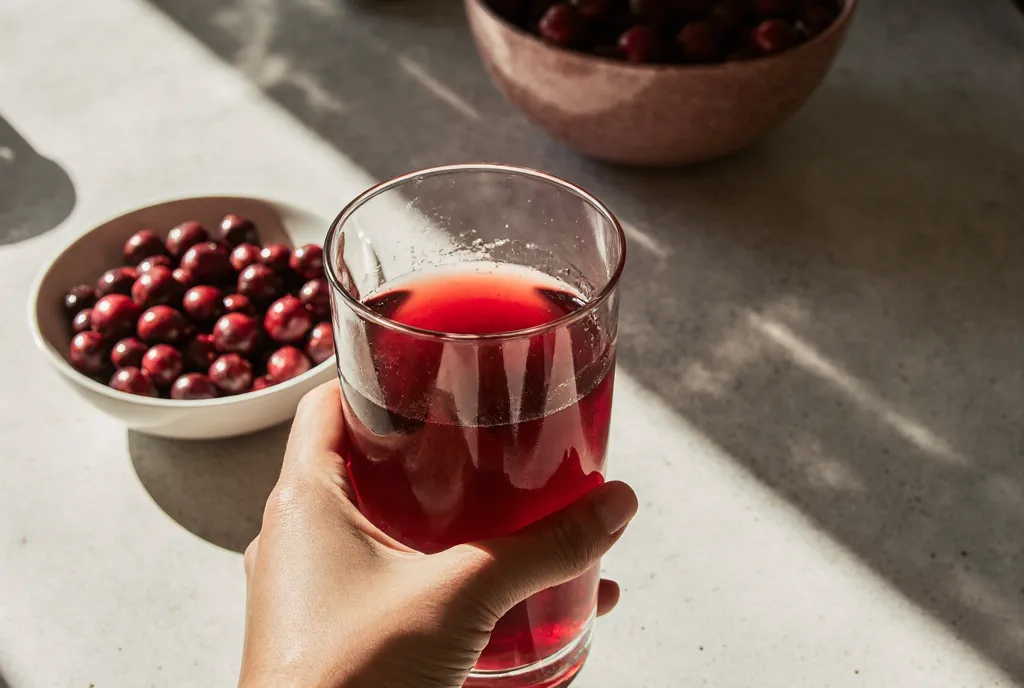
Quick Summary: Drinking cranberry juice daily can support urinary tract health, provide antioxidants, and offer cardiovascular benefits when consumed in moderation. Research shows limited but consistent evidence for UTI prevention in some individuals, though excessive intake may cause digestive upset or blood sugar spikes. Unsweetened varieties provide the most health benefits without added sugars.
Cranberry juice has earned a reputation as more than just a Thanksgiving staple. From the viral TikTok videos to persistent health claims about urinary tract infections, this tart beverage shows up everywhere. But what actually happens when someone makes it a daily habit?
The short answer? Daily cranberry juice consumption can deliver genuine health benefits, but the type of juice matters significantly. And there’s a difference between sipping unsweetened cranberry juice and downing cranberry juice cocktails loaded with sugar.
Let’s break down what the science actually says.
The Nutritional Reality of Cranberry Juice
An 8-ounce glass of pure cranberry juice packs a nutritional punch that goes beyond just vitamin C. According to available nutritional data, that single serving contains approximately 20% of the suggested daily allowance of vitamin E, which supports skin, blood vessel, and heart health.
Here’s what cranberry juice actually contains:
| Nutrient | Amount per 100g |
|---|---|
| Water | 87.1 grams |
| Energy | 46 kcal |
| Protein | 0.39 grams |
| Total Fat | 0.13 grams |
| Carbohydrates | 12.2 grams |
| Fiber | 0.1 grams |
| Sugar | 12.1 grams |
| Calcium | 8 mg |
| Iron | 0.25 mg |
The vitamin C content supports faster healing after injuries and helps the body absorb iron more efficiently. But here’s the thing—many commercial cranberry juice products contain significantly more sugar than what occurs naturally.
Some cranberry juice cocktails contain as much added sugar as soft drinks. That’s why reading labels becomes critical.
Cardiovascular Benefits: What Research Shows
A randomized, placebo-controlled trial published in the journal Nutrients examined what happens when middle-aged adults consume 500 mL per day of cranberry juice. The study involved 40 participants with overweight or obesity and elevated blood pressure.
The research revealed improvements in several cardiovascular markers. According to findings published by the National Institutes of Health, cranberry juice consumption led to a significant decrease in the total cholesterol to HDL cholesterol ratio. The data showed a reduction of 0.24 (95% CI: −0.45, −0.04).
Another study confirmed that daily consumption of whole cranberries improved endothelial function in healthy individuals—essentially supporting how blood vessels work.
But wait. Not all studies showed dramatic effects. Research published on PubMed found that cranberry juice consumption did not alter blood or cellular antioxidant status in some participants. It also had no effect on oxidative DNA damage in those studies.
The cardiovascular picture remains nuanced. Some markers improve, others don’t budge.

The UTI Connection: FDA Stance and Research
Here’s where cranberry juice reputation hits mainstream awareness. The U.S. Food and Drug Administration announced in July 2020 that it would not object to certain qualified health claims regarding cranberry products and reduced risk of recurrent urinary tract infections in healthy women.
Notice the careful language there. The FDA stated there is “limited and inconsistent credible scientific evidence” to support claims for cranberry juice beverages and “limited credible scientific evidence” for cranberry juice consumption generally.
That’s not exactly a ringing endorsement, but it’s not a dismissal either.
Research published in the Journal of Nutrition found that a randomized, placebo-controlled intervention study involving cranberry polyphenols demonstrated enhanced human γδ-T cell proliferation and reduced the number of symptoms associated with colds and influenza. These cells serve as a first line of defense in the epithelium.
A double-blind, randomized, placebo-controlled trial examined whether cranberry juice consumption created in vitro bacterial anti-adherence activity in the urine of healthy volunteers. The results suggested that cranberry products may reduce the ability of bacteria to stick to urinary tract walls.
But does that translate to fewer actual infections? The evidence remains mixed.
Immune System Support and Antioxidant Properties
Cranberries contain powerful antioxidants, particularly anthocyanins that give the berries their distinctive red color. These compounds supplement dietary needs and provide cellular protection.
Research shows cranberry consumption can enhance immune cell function. A randomized, placebo-controlled intervention study involving cranberry polyphenols demonstrated enhanced human γδ-T cell proliferation and reduced the number of symptoms associated with colds and influenza.
The American Heart Association notes that cranberries deliver health benefits efficiently—a cup of raw cranberries contains just 50 calories while providing substantial nutritional value.
Potential Side Effects and Risks
Not everything about daily cranberry juice consumption is positive. Several side effects can occur, especially with excessive intake.
Common side effects include:
- Upset stomach and digestive discomfort
- Diarrhea when consumed in large quantities
- Blood sugar spikes from sweetened varieties
- Increased risk of kidney stones in susceptible individuals
- Potential drug interactions
The drug interaction issue deserves attention. Research published on PubMed indicates that cranberry juice can inhibit certain CYP enzymes. Based on in vitro evidence, cranberry juice may act as an inhibitor of CYP3A and CYP2C9.
People taking blood thinners or certain medications should consult healthcare providers before making cranberry juice a daily habit.

How Much Is Safe?
Research typically uses 500 mL per day (roughly 16 ounces) as a standard dose. That’s about two cups.
But moderation remains key. Many experts suggest starting with 8 ounces daily and monitoring how the body responds. Some people tolerate more, others less.
The type of juice matters enormously. Look for labels stating “100% juice” rather than “juice cocktail” or “juice drink.” Even better, find unsweetened pure cranberry juice, though it’ll taste significantly more tart.
Cranberry juice blends often contain mostly apple or grape juice with minimal cranberry content. Check ingredient lists carefully.
Unsweetened vs. Sweetened: The Critical Difference
Unsweetened cranberry juice consumption delivers health benefits without the drawbacks of added sugar. Sweetened varieties can contain as much sugar as soda, negating many positive effects.
The natural sugar content in pure cranberry juice already provides 12.1 grams per 100g serving. Adding more sugar creates unnecessary blood glucose spikes and extra calories.
For those who can’t tolerate the tartness, diluting pure cranberry juice with water provides a middle ground. Mix one part cranberry juice with three parts water for a more palatable beverage.
What About Cranberry Pills?
Cranberry supplements offer an alternative to juice. They provide concentrated cranberry compounds without liquid volume or sugar content.
Research on cranberry pills shows similar UTI-prevention potential as juice, though studies remain limited. The advantage? No digestive upset from juice acidity and no calorie intake.
The disadvantage? Missing out on the hydration benefits and the vitamin C that juice provides.
Special Considerations for Women’s Health
Community discussions frequently mention cranberry juice for vaginal health, though scientific evidence remains preliminary. Some research suggests cranberry consumption doesn’t detrimentally affect vaginal microbiota and may support urinary health indirectly.
The FDA’s qualified health claim specifically mentions healthy women and recurrent UTIs. For postmenopausal health support, some evidence suggests potential benefits, though more research is needed.
The Bottom Line
Drinking cranberry juice every day can provide cardiovascular support, immune benefits, and potentially reduce UTI recurrence in some individuals. The evidence is strongest for improvements in cholesterol ratios and immune cell function.
But it’s not a miracle beverage. Effects vary between individuals, and excessive consumption causes problems.
Choose unsweetened varieties whenever possible. Start with moderate amounts around 8 ounces daily. Monitor how the body responds. And consult healthcare providers if taking medications that might interact.
The research shows promise, but it also shows limitations. Real talk: cranberry juice offers genuine benefits when consumed thoughtfully, but it won’t cure everything marketing claims suggest.
Frequently Asked Questions
Research typically uses 500 mL (about 16 ounces) daily, though the FDA notes evidence remains limited and inconsistent. Starting with 8 ounces of unsweetened juice is a reasonable approach. Consult a healthcare provider for personalized recommendations.
Pure cranberry juice is relatively low in calories at 46 kcal per 100g, but sweetened varieties contain significant sugar that can hinder weight loss efforts. The juice itself doesn’t promote fat loss, though it can be part of a healthy diet when choosing unsweetened versions.
Yes. Research shows cranberry juice can inhibit CYP3A and CYP2C9 enzymes, potentially affecting how the body processes certain medications including blood thinners. Anyone taking prescription medications should consult their healthcare provider before consuming cranberry juice regularly.
For most people, moderate cranberry juice consumption is safe. However, individuals prone to kidney stones should exercise caution, as cranberry juice contains oxalates that may increase stone formation risk in susceptible individuals. Consult a nephrologist if kidney issues exist.
Both offer benefits. Juice provides hydration and vitamin C but contains natural sugars and calories. Pills deliver concentrated compounds without sugar or liquid volume. The choice depends on individual health goals and tolerance. Neither shows definitively superior results for UTI prevention.
Diabetics should choose unsweetened cranberry juice and monitor blood glucose responses carefully. Even unsweetened varieties contain natural sugars (12.1 grams per 100g) that affect blood sugar levels. Diluting with water or choosing cranberry supplements may be safer alternatives.
Research studies typically run 4-12 weeks before measuring outcomes. Cardiovascular markers showed changes after several weeks of 500 mL daily consumption. Immediate benefits are unlikely—consistent, moderate consumption over weeks produces measurable effects.