
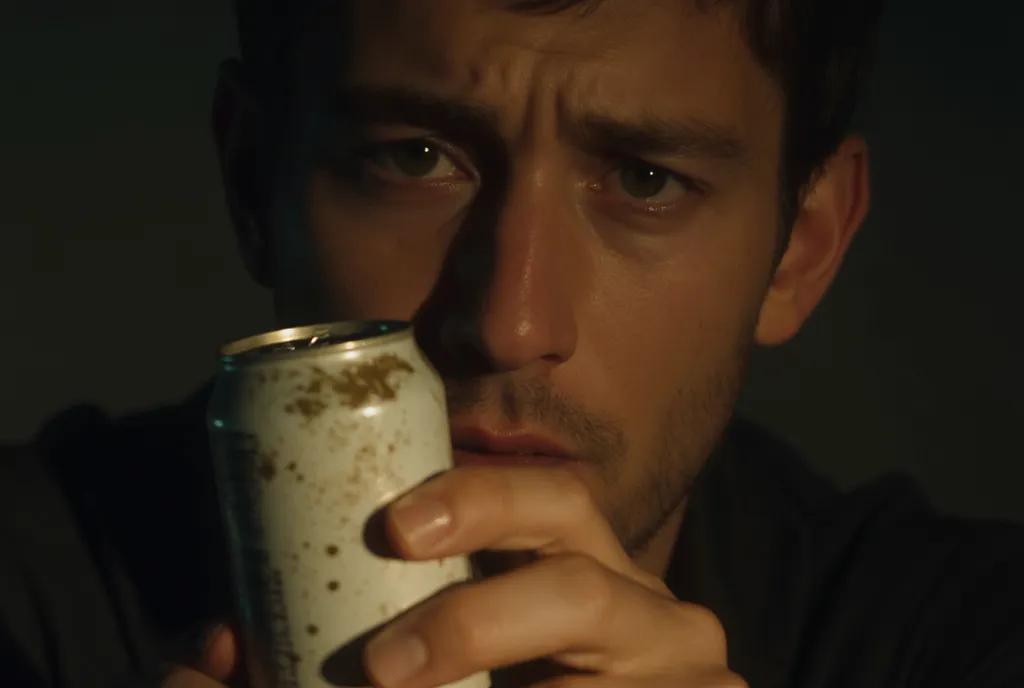
Quick Summary: Drinking expired beer won’t make you sick, but it will likely taste stale or flat. Beer doesn’t expire like milk—it has a ‘best before’ date, not a ‘use by’ date. The alcohol content and brewing process prevent harmful bacteria from growing, though flavor quality deteriorates over time.
So you’ve just found a forgotten six-pack in the back of your garage, and the date stamped on the bottom reads two years ago. The question hits: can this stuff still be consumed without consequences?
Here’s the thing though—beer isn’t like the leftover chicken in your fridge. The rules are different.
Unlike perishable foods that carry ‘use by’ dates, beer bottles and cans typically display ‘best before’ dates. That distinction matters more than most people realize. While food safety concerns drive ‘use by’ labels, ‘best before’ dates simply indicate when the product tastes optimal.
Does Beer Actually Expire?
The short answer? No, not in the way dairy or meat expires.
Beer doesn’t become unsafe to drink after its date passes. The alcohol content and low pH from the brewing process create an environment where harmful bacteria can’t survive. Think of it this way: brewers have been making beer for thousands of years, long before refrigeration existed.
But wait. That doesn’t mean old beer tastes good.
What actually happens is gradual quality degradation. Flavors fade, hops lose their punch, and that crisp taste transforms into something flat and papery. The beer remains sterile and drinkable, just increasingly unpleasant.
According to community discussions across brewing forums, people regularly consume beer that’s one, two, even five years past its date without any health issues. The experience? Universally described as disappointing flavor-wise, but never dangerous.
What Actually Happens When You Drink Old Beer
Real talk: drinking expired beer won’t send anyone to the emergency room.
The brewing process eliminates pathogens that cause foodborne illness. According to the CDC, food poisoning symptoms include nausea, vomiting, and diarrhea, which can result from germs such as Salmonella or E. coli—organisms that can’t survive in beer’s alcoholic, acidic environment.
What drinkers will notice instead:
- Stale, cardboard-like flavors from oxidation
- Reduced carbonation making the beer taste flat
- Diminished hop aroma in IPAs and pale ales
- Cloudy appearance in some cases
- Off-putting sweet or sour notes
The experience ranges from mildly disappointing to genuinely unpleasant. Some describe it as drinking wet cardboard. Others notice a vinegar-like tang.
None of these changes indicate the beer is harmful. They’re purely sensory degradations.
The Science Behind Beer Degradation
Three main factors drive beer’s quality decline: oxidation, light exposure, and temperature fluctuations.
Oxidation occurs when oxygen interacts with beer compounds, breaking down hop oils and creating stale flavors. This process accelerates with time and heat. Light exposure, particularly UV rays, triggers a chemical reaction with hop compounds that produces that distinctive ‘skunky’ smell.
Temperature swings cause expansion and contraction, potentially compromising seals and accelerating oxidation. Beer stored in a consistently cool, dark place maintains quality longer than bottles bouncing between warm and cold.

How Long Does Beer Actually Last?
Not all beers age equally. Style, packaging, and storage conditions dramatically affect shelf life.
With most hoppy beers, flavor tends to dwindle after the three- to six-month mark, due to the fragility of fresh hop ingredients. IPAs, pale ales, and other hop-forward styles lose their characteristic citrus, pine, or floral notes quickly.
On the other hand, bottle-conditioned beers with an ABV of 9 percent or higher generally remain fine if aged for over a year. Imperial stouts, barleywines, and Belgian strong ales can even improve with age under proper conditions.
| Beer Style | Optimal Shelf Life | Quality After 1 Year |
|---|---|---|
| IPAs and Hoppy Ales | 3-6 months | Significantly degraded |
| Standard Lagers | 6-9 months | Drinkable but stale |
| Wheat Beers | 4-6 months | Flat and oxidized |
| Amber and Brown Ales | 6-12 months | Muted flavors |
| Stouts and Porters | 9-18 months | Generally acceptable |
| High-ABV Bottle-Conditioned (9%+) | 1-5 years | Often still good |
Canned vs. Bottled Beer Shelf Life
Cans have a distinct advantage over bottles when it comes to preservation.
Aluminum cans block 100 percent of light, preventing the photochemical reactions that cause skunky flavors. Most bottles, even brown ones, allow some light penetration. Cans also provide superior oxygen barriers, reducing oxidation rates.
Canned beer typically maintains quality for 6 to 9 months and can last up to 12 months if stored properly. Bottled beer averages 4 to 6 months before noticeable quality loss occurs, being more prone to both light and air exposure.
How to Tell If Beer Has Gone Bad
Several telltale signs indicate beer quality has declined beyond palatability.
Visual cues include cloudiness in styles that should be clear, excessive sediment, or visible particles floating in the liquid. While some styles naturally have haze, clear lagers turning cloudy signals problems.
Smell provides the most obvious warning. Fresh beer has clean, pleasant aromas—malty sweetness, hop florals, or fruity esters depending on style. Bad beer smells like wet cardboard, vinegar, sulfur, or skunk spray.
Sound familiar? Pop the cap and listen. Fresh beer releases a satisfying hiss from carbonation. Silence or a weak pop indicates lost carbonation.
Taste remains the final test. If the beer tastes flat, overly sweet, sour when it shouldn’t be, or just plain wrong, trust those instincts.

Storage Tips to Extend Beer Life
Proper storage dramatically extends how long beer maintains quality.
Temperature consistency matters most. Store beer in a cool environment, ideally between 45-55°F for long-term storage, or in a standard refrigerator at 35-40°F. Avoid temperature swings—never let beer warm up and cool down repeatedly.
Keep beer away from light. UV rays and even fluorescent lighting trigger chemical reactions that produce off-flavors. Store bottles in boxes or dark cabinets. This is where cans excel naturally.
Position matters too. Store bottles upright rather than on their sides. This minimizes the liquid’s contact with the cap, reducing oxidation and preventing sediment from settling along the bottle side.
Refrigeration makes a measurable difference. Beer stored cold maintains flavor compounds longer than room-temperature storage. The difference becomes especially noticeable after the six-month mark.
Special Case: High-Alcohol and Bottle-Conditioned Beers
Some beers actually benefit from aging. But this only applies to specific styles under specific conditions.
Bottle-conditioned beers with ABV above 9 percent contain enough alcohol and residual sugars to support continued fermentation in the bottle. Imperial stouts, Belgian quads, barleywines, and strong ales can develop complexity over months or years.
These beers evolve rather than simply degrade. Sharp alcohol edges mellow. Flavors integrate and harmonize. Some develop sherry-like or port-like characteristics.
That said, this requires proper storage in cool, dark conditions. And even these beers eventually pass their prime—usually after three to five years for most styles.
Can Old Beer Make You Sick?
The question everyone really wants answered: will expired beer cause illness?
No credible evidence exists of properly sealed, commercially produced beer causing foodborne illness regardless of age. The brewing process creates an inhospitable environment for pathogens.
According to CDC guidance on food poisoning, symptoms like vomiting, diarrhea, and fever can result from bacterial contamination including Salmonella, E. coli, and other organisms. Beer’s alcohol content, acidity, and lack of nutrients prevent these bacteria from surviving.
The only real health concern involves allergic reactions or sensitivities to degraded compounds. Some individuals report headaches or upset stomachs from drinking heavily oxidized beer, likely from sensitivity to aldehydes produced during oxidation.
Compromised packaging presents the only genuine risk. If a can is swollen, a bottle cap is loose, or visible mold appears, discard it. These indicate contamination occurred through seal failure.
Cooking with Expired Beer
Here’s where old beer finds redemption.
Beer that tastes too stale for drinking often works perfectly fine in recipes. The cooking process masks many off-flavors while preserving beer’s contribution to batters, braises, and marinades.
Beer bread, beer-battered fish, beer-braised meats, and beer cheese soup all tolerate expired beer without noticeable quality loss. The heat transforms compounds and evaporates alcohol, leaving behind malty sweetness and depth.
Frequently Asked Questions
No, expired beer won’t cause food poisoning. The alcohol content and acidic pH prevent harmful bacteria like Salmonella or E. coli from growing. While old beer tastes unpleasant, it remains safe to consume as long as the seal wasn’t compromised.
Beer can be consumed years past its date without safety concerns. Standard lagers remain drinkable for 6-12 months past the date, though flavor degrades. High-ABV beers (9%+) can last several years. The question isn’t safety but whether the degraded taste is acceptable.
Yes, significantly longer. Refrigeration slows oxidation and flavor degradation. Beer stored consistently cold can maintain quality 50-100% longer than the same beer stored at room temperature. Temperature fluctuations cause the most damage.
Skunked beer results from light exposure breaking down hop compounds, creating sulfur-based molecules similar to skunk spray. While unpleasant, skunked beer remains completely safe to drink. Brown bottles and cans prevent this reaction better than clear or green bottles.
Yes, IPAs degrade much faster than most styles. Hop oils and aromas break down within 3-6 months, even under ideal storage. Fresh hop character defines IPAs, so once that fades, the beer loses its essential quality. Drink hoppy beers as fresh as possible.
Flat beer won’t make anyone sick—it just tastes disappointing. Lost carbonation indicates the beer is old and seal quality may have degraded, but it doesn’t signal bacterial contamination. The worst consequence is a stale drinking experience.
Always store beer bottles upright. This position minimizes liquid contact with the cap, reducing oxidation potential. It also keeps sediment at the bottom rather than distributed along the bottle side. Wine storage rules don’t apply to beer.
The Bottom Line on Drinking Expired Beer
Drinking expired beer presents zero health risks under normal circumstances. The combination of alcohol, hops, and brewing processes creates a sterile environment where foodborne pathogens cannot survive.
What changes is quality, not safety. Oxidation, light exposure, and time transform fresh flavors into cardboard staleness. Carbonation fades. Hop character disappears. High-alcohol styles hold up better than light lagers or hoppy ales.
That forgotten case in the garage? Crack one open if curiosity strikes. The worst outcome is an unpleasant taste experience, not a trip to urgent care.
But for optimal enjoyment, treat beer with the respect it deserves: buy fresh, store properly in cool and dark conditions, and consume within the recommended timeframe for each style. Beer might not expire in the food-safety sense, but it certainly has a prime drinking window worth respecting.
Check those dates, trust your senses, and when in doubt, pour it out and grab something fresher. Life’s too short for stale beer.