

Quick Summary: Drinking hydrogen peroxide is extremely dangerous and can cause severe burns, internal organ damage, breathing difficulties, and death. Even household 3% solutions can cause irritation and vomiting, while higher concentrations (35% or more) can lead to life-threatening complications including oxygen gas embolism and brain damage. If ingested, seek immediate medical attention and call Poison Control at 1-800-222-1222.
Hydrogen peroxide sits in medicine cabinets across millions of homes. That innocent-looking brown bottle contains a powerful oxidizing agent that’s fine for cleaning wounds but catastrophic when swallowed.
Some corners of the internet promote hydrogen peroxide therapy as a cure for everything from cancer to COVID-19. Real talk: there’s zero scientific evidence supporting these claims, and medical professionals are nearly unanimous in their warnings.
According to Poison Control and medical literature, hydrogen peroxide poisoning is documented as an occurrence. The consequences range from mild stomach upset to permanent brain damage or death, depending on the concentration and amount consumed.
Understanding Hydrogen Peroxide Concentrations
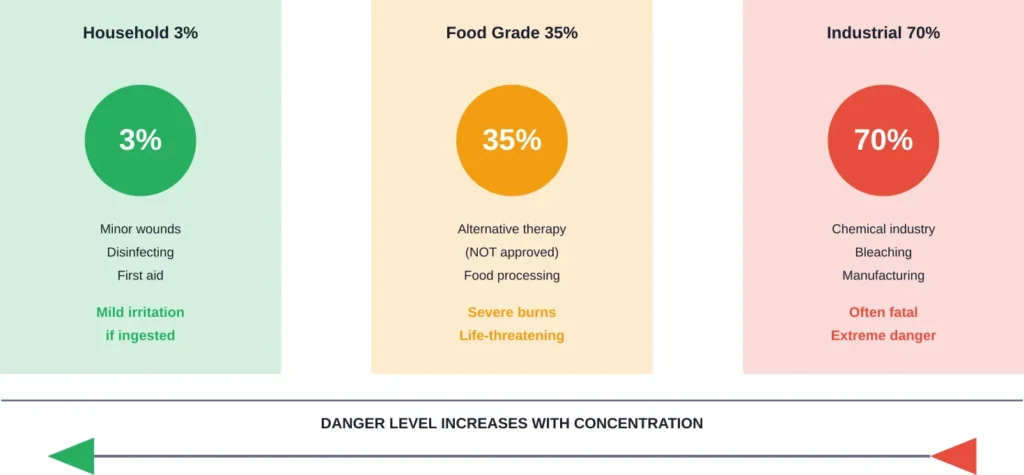
Not all hydrogen peroxide is created equal. The concentration determines everything about how dangerous ingestion becomes.
Household Hydrogen Peroxide (3%)
The brown bottles at your local drugstore contain 3% hydrogen peroxide mixed with 97% water. This is the weakest commercial concentration available.
According to Poison Control, exposures to small amounts of household hydrogen peroxide usually cause only mild irritation. But “mild” doesn’t mean “safe to drink.”
Even at 3%, hydrogen peroxide is corrosive enough to cause stomach pain, vomiting, and throat irritation when swallowed.
Food Grade Hydrogen Peroxide (35%)
This is where things get genuinely terrifying. Food grade hydrogen peroxide contains 35% hydrogen peroxide—more than 11 times stronger than household solutions.
Industrial concentrations can reach 70% or higher. These solutions are used in chemical manufacturing, bleaching processes, and industrial cleaning.
Medical sources indicate that industrial hydrogen peroxide concentrations can be as high as 70%, with concentrations typically ranging between 27.5% to 70%. A single sip of these concentrated solutions can be fatal.
Three Mechanisms of Hydrogen Peroxide Toxicity
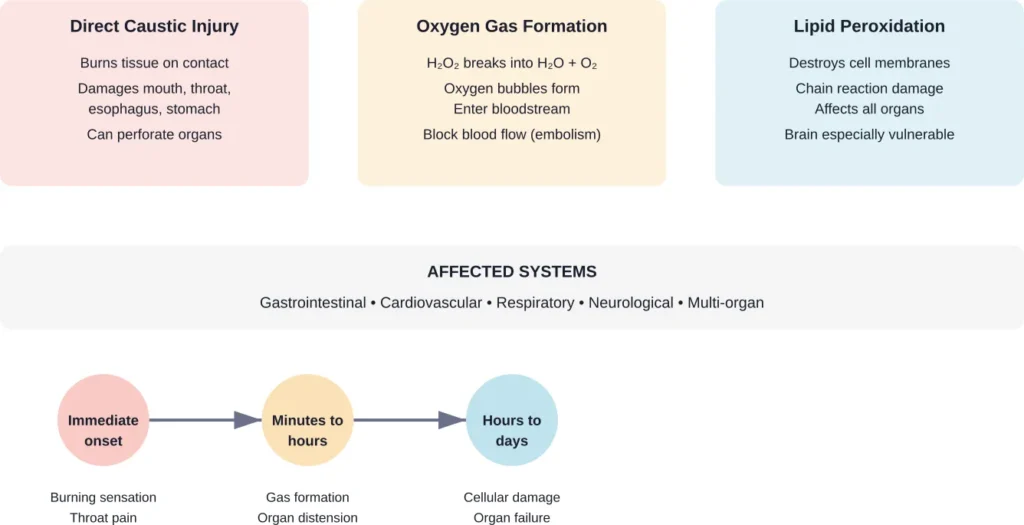
Medical research published in the Canadian Journal of Gastroenterology (2007) identifies three primary ways hydrogen peroxide damages the body when ingested.
Direct Caustic Injury
Hydrogen peroxide is corrosive. It burns tissue on contact.
When swallowed, it immediately damages the mouth, throat, esophagus, and stomach lining. The CDC confirms that concentrations above 10% cause corrosive damage to skin, eyes, and mucous membranes. Lower concentrations cause irritation.
These burns aren’t superficial. They penetrate tissue layers and can perforate the esophagus or stomach, creating holes that leak digestive contents into the chest or abdominal cavity.
Oxygen Gas Formation
Here’s where things get interesting—and terrifying. Hydrogen peroxide rapidly breaks down into water and oxygen inside the body.
That oxygen forms gas bubbles throughout the gastrointestinal tract. In severe cases, these bubbles enter the bloodstream through damaged tissue.
According to Poison Control, rarely, life-threatening effects can occur when oxygen bubbles from hydrogen peroxide travel to the circulatory system and block blood flow to tissue. This condition, called gas embolism, causes strokes, heart attacks, and multi-organ failure.
Gas formation also stretches and damages the stomach and intestines from the inside, potentially causing ruptures.
Lipid Peroxidation
Hydrogen peroxide triggers a chain reaction that destroys cell membranes throughout the body. This process, called lipid peroxidation, essentially shreds the protective barriers around cells.
The damage affects every organ system but hits the brain, heart, and lungs particularly hard. Brain cells are especially vulnerable, which explains the neurological complications reported in severe poisoning cases.
Symptoms of Hydrogen Peroxide Ingestion
Symptoms vary dramatically based on concentration and amount consumed. But certain warning signs appear consistently.
Immediate Symptoms (Minutes)
The first signs show up within seconds to minutes:
- Burning sensation in the mouth and throat
- Sharp pain in the chest and stomach
- Foaming at the mouth from oxygen release
- Nausea and immediate vomiting
- Difficulty swallowing
According to medical case reports, patients often describe a “bubbly” or “fizzing” sensation as oxygen gas forms in their digestive tract.
Progressive Symptoms (Hours)
As damage spreads, more serious complications emerge:
- Severe abdominal pain and distension
- Vomiting blood (hematemesis)
- Difficulty breathing or shortness of breath
- Chest pain from gas in blood vessels
- Confusion or altered mental state
- Seizures
- Loss of consciousness
The StatPearls database notes that breathing problems can result from several mechanisms: throat swelling, aspiration of vomited material, or oxygen bubbles traveling to the lungs.
Life-Threatening Complications
In severe cases, particularly with concentrated solutions, catastrophic complications develop:
- Stroke from gas embolism to the brain
- Heart attack from blocked coronary arteries
- Perforation of the esophagus or stomach
- Multi-organ failure
- Death
A case study published by researchers from the Department of Neonatology, University of Health Sciences of Turkey documented a 39-year-old man who inadvertently ingested 250 mL of 35% hydrogen peroxide. He developed portal venous gas, severe gastrointestinal injury, and required intensive care treatment.
Concentration Matters: Comparing Toxicity Levels
| Concentration | Common Uses | Ingestion Risk | Typical Symptoms |
|---|---|---|---|
| 3% (Household) | Wound cleaning, disinfecting | Moderate | Mouth irritation, nausea, vomiting, mild stomach pain |
| 6.5% (Carbamide peroxide) | Ear wax removal, oral rinse | Moderate to High | More severe irritation, increased vomiting, throat burns |
| 10% | Hair bleaching, teeth whitening | High | Chemical burns, severe pain, breathing difficulty |
| 35% (Food Grade) | Alternative therapy (not approved), food processing | Severe | Life-threatening burns, gas embolism, organ damage, potential death |
| 70% (Industrial) | Chemical manufacturing, industrial bleaching | Critical | Often fatal, massive tissue destruction, immediate emergency |
The Dangerous Myth of Hydrogen Peroxide Therapy
Online communities promote drinking diluted hydrogen peroxide as a miracle cure. These claims are not just unproven—they’re actively dangerous.
Proponents suggest that drinking hydrogen peroxide “oxygenates” the body and kills pathogens. There’s zero peer-reviewed scientific evidence supporting these claims.
The human body already produces small amounts of hydrogen peroxide naturally as a byproduct of cellular respiration. Cells have sophisticated enzymes specifically designed to break down this hydrogen peroxide immediately because it’s toxic to living tissue.
Adding more hydrogen peroxide doesn’t “boost oxygen levels.” It causes chemical burns and triggers the three toxic mechanisms described earlier.
Medical authorities universally condemn hydrogen peroxide therapy. The FDA has not approved hydrogen peroxide for internal consumption. Neither has any other major health regulatory body worldwide.
What Happens in the Emergency Room
When someone arrives at the ER after ingesting hydrogen peroxide, medical teams follow specific protocols outlined in the CDC’s Agency for Toxic Substances and Disease Registry (ATSDR) Medical Management Guidelines for Hydrogen Peroxide.
Initial Assessment
Healthcare providers immediately assess airway stability, breathing, and circulation. Oxygen bubbles can cause sudden airway obstruction, so securing the airway takes priority.
Blood pressure monitoring begins immediately because gas embolism can cause cardiovascular collapse.
Diagnostic Procedures
Several tests help determine the extent of damage:
- Endoscopy to visualize chemical burns in the esophagus and stomach
- CT scans to detect gas in blood vessels or organs
- Blood tests to monitor organ function
- Arterial blood gas analysis for oxygen levels
Medical imaging often reveals portal venous gas—oxygen bubbles visible in the liver’s blood vessels. This finding indicates severe poisoning requiring aggressive treatment.
Treatment Options
Treatment focuses on managing complications since there’s no antidote for hydrogen peroxide poisoning.
Doctors do NOT induce vomiting. Vomiting re-exposes the esophagus to the corrosive chemical and increases aspiration risk.
Similarly, activated charcoal provides no benefit. It doesn’t bind hydrogen peroxide and could complicate visualization if endoscopy becomes necessary.
Treatment typically includes:
- Intravenous fluids to maintain blood pressure
- Oxygen therapy or mechanical ventilation if breathing is compromised
- Pain management
- Proton pump inhibitors to reduce stomach acid
- Antibiotics if perforation is suspected
- Hyperbaric oxygen therapy in severe gas embolism cases
- Surgery to repair perforations
Case Studies: Real-World Consequences
Medical literature documents numerous cases illustrating the spectrum of hydrogen peroxide poisoning.
Neonatal Accidental Exposure
Researchers from the Department of Neonatology, University of Health Sciences of Turkey documented a neonatal case involving accidental ingestion of 3% hydrogen peroxide. Even at this relatively low concentration in a vulnerable infant, the exposure caused significant concern requiring medical observation.
The child recovered without permanent damage, but the case highlights that even household concentrations pose genuine risks, especially to children.
Adult High-Concentration Ingestion
A 39-year-old man who inadvertently ingested 250 mL of 35% hydrogen peroxide experienced severe complications including portal venous gas—a condition where oxygen bubbles become visible in liver blood vessels on CT scans.
He required intensive medical intervention. The case report, published in the Canadian Journal of Gastroenterology (2007), emphasizes that these high-concentration exposures represent medical emergencies with potential for permanent injury or death.
Brain Infarction Cases
Several documented cases describe patients developing brain infarctions (strokes) after hydrogen peroxide ingestion. Oxygen bubbles traveling through the bloodstream lodge in brain vessels, cutting off blood supply to brain tissue.
These neurological complications can result in permanent disability, including paralysis, speech problems, and cognitive impairment.
Immediate Actions If Ingestion Occurs
Time matters critically in hydrogen peroxide poisoning. Follow these steps immediately:
- Do not induce vomiting under any circumstances
- Call Poison Control immediately at 1-800-222-1222 (free, confidential, available 24/7)
- Or use webPOISONCONTROL for immediate online guidance
- Call 911 if the person collapses, has seizures, trouble breathing, or can’t be awakened
- Rinse the mouth with water if the person is conscious and able to swallow safely
- Do not give anything by mouth unless instructed by Poison Control
- Bring the hydrogen peroxide container to the hospital so medical staff can see the exact concentration
Poison Control can assess severity based on concentration, amount ingested, and symptoms. They’ll guide appropriate next steps and coordinate with emergency services if needed.
Long-Term Complications and Recovery
Survivors of serious hydrogen peroxide poisoning may face ongoing medical challenges.
Gastrointestinal Scarring
Chemical burns to the esophagus and stomach can heal with scar tissue formation. This scarring sometimes creates strictures—narrowed areas that make swallowing difficult.
Patients may require surgical procedures to dilate these strictures, sometimes repeatedly over months or years.
Neurological Damage
Brain damage from gas embolism may be permanent. Depending on which brain areas were affected, patients might experience lasting problems with movement, sensation, memory, or cognitive function.
Rehabilitation therapy can help recover some function, but complete recovery isn’t guaranteed.
Psychological Impact
Accidental poisonings, especially severe ones, often create psychological trauma. Anxiety, depression, and post-traumatic stress can develop, particularly in cases involving children or cases resulting from alternative therapy attempts.
Prevention: Keeping Your Home Safe
Most hydrogen peroxide exposures are preventable. Poison Control recommends these safety measures:
- Store hydrogen peroxide away from children’s reach in locked cabinets
- Keep products in original containers with labels intact
- Never transfer hydrogen peroxide to drinking containers like water bottles or cups
- Only purchase 3% household solutions for home use
- Dispose of expired hydrogen peroxide properly (it loses effectiveness over time)
- Keep Poison Control number visible: 1-800-222-1222
Food grade hydrogen peroxide should never be kept in homes with children. The concentration is simply too dangerous, and accidental ingestion happens more often than people expect.
Hydrogen Peroxide vs. Other Household Chemicals
| Substance | Household Concentration | Primary Danger if Ingested | Emergency Priority |
|---|---|---|---|
| Hydrogen Peroxide | 3% | Chemical burns, gas formation, embolism | High (especially >3%) |
| Bleach (Sodium Hypochlorite) | 5-8% | Severe caustic burns, aspiration | High |
| Ammonia | 5-10% | Corrosive injury, respiratory damage | High |
| Rubbing Alcohol (Isopropanol) | 70% | CNS depression, metabolic acidosis | Moderate to High |
| Dish Soap | Varies | Mild irritation, usually not serious | Low |
Debunking Common Misconceptions
Several dangerous myths about hydrogen peroxide persist online. Let’s address them directly.
Myth: Diluted Hydrogen Peroxide is Safe to Drink
False. Even heavily diluted hydrogen peroxide causes irritation and offers no health benefits. The risk always outweighs any imaginary advantage.
Myth: Hydrogen Peroxide Cures Cancer
Completely unfounded. No credible scientific research supports this claim. Cancer patients who drink hydrogen peroxide instead of seeking evidence-based treatment put their lives at risk.
Myth: Oxygen Release Helps the Body
Misleading. Oxygen gas formation from ingested hydrogen peroxide doesn’t increase beneficial oxygen delivery to tissues. Instead, it causes dangerous gas embolisms that block blood flow.
Myth: Small Amounts Are Harmless
Incorrect for higher concentrations. Even a small sip of 35% hydrogen peroxide can cause severe injury. With household 3% solutions, small amounts typically cause only irritation, but “typically” doesn’t mean “always.”
Special Populations at Higher Risk
Children and Infants
Young children face greater danger from hydrogen peroxide exposure. Their smaller body size means any ingested amount represents a higher dose per kilogram of body weight.
Toddlers exploring their environment might mistake hydrogen peroxide bottles for water bottles, especially if products aren’t stored properly.
Elderly Adults
Older adults sometimes confuse bottles or accidentally ingest hydrogen peroxide due to vision problems or cognitive decline. Their bodies may also handle the toxic insult less effectively due to decreased organ function.
People with Pre-existing GI Conditions
Those with ulcers, gastritis, or inflammatory bowel disease have compromised gastrointestinal linings already. Hydrogen peroxide exposure can cause more severe damage in these vulnerable tissues.
The Science Behind Why It’s So Dangerous
Hydrogen peroxide (H₂O₂) looks deceptively simple—just water with an extra oxygen atom. But that extra oxygen makes all the difference.
The molecule is inherently unstable. Hydrogen peroxide is unstable and decomposes readily to oxygen and water with release of heat, according to health authorities.
When this breakdown happens inside the body, several problems emerge simultaneously. The oxygen release creates mechanical pressure that can rupture organs. The oxidative stress damages cells through free radical formation. And the direct caustic effect burns tissue.
Human cells contain catalase enzymes specifically designed to neutralize the small amounts of hydrogen peroxide produced during normal metabolism. But these protective systems become overwhelmed when flooded with external hydrogen peroxide, especially at high concentrations.
Frequently Asked Questions
No. While hydrogen peroxide kills bacteria on surfaces and in wounds when applied topically, drinking it doesn’t selectively target pathogens. It damages human cells just as readily as bacterial cells. The chemical burns and toxic effects to your own tissues far outweigh any theoretical antimicrobial benefit. Medical experts universally advise against internal use.
Stay calm and act quickly. Do not induce vomiting. Call Poison Control immediately at 1-800-222-1222 or use webPOISONCONTROL for instant guidance. If your child shows severe symptoms like difficulty breathing, seizures, or loss of consciousness, call 911 immediately. Have the hydrogen peroxide bottle available so you can tell medical professionals the exact concentration and approximate amount consumed.
This depends entirely on concentration. With household 3% hydrogen peroxide, a small accidental sip typically causes only mild irritation, though medical consultation is still recommended. With 35% food grade hydrogen peroxide, even a few milliliters can cause life-threatening injuries. Industrial concentrations above 35% can be fatal in very small amounts. There is no “safe” amount to intentionally consume at any concentration.
Death from household 3% hydrogen peroxide is extremely rare and typically requires consuming a substantial amount. Small accidental exposures usually cause only temporary irritation, nausea, and vomiting. However, complications can occur, so contact Poison Control even after small exposures to ensure proper assessment. Never assume an exposure is “too small” to report—medical professionals should make that determination.
Immediate symptoms include burning sensations in the mouth and throat, throat pain, chest pain, foaming at the mouth, nausea, and vomiting. As poisoning progresses, symptoms may include severe abdominal pain, vomiting blood, difficulty breathing, confusion, seizures, or loss of consciousness. Severe cases can cause strokes, heart attacks, organ perforation, and death. Symptom severity correlates strongly with the concentration and amount ingested.
No specific antidote exists for hydrogen peroxide poisoning. Treatment focuses on supportive care and managing complications. This includes monitoring vital signs, providing oxygen or breathing support, managing pain, performing endoscopy to assess damage, and potentially using hyperbaric oxygen therapy for severe gas embolism. Surgery may be necessary if organ perforation occurs. Early medical intervention significantly improves outcomes.
Yes, particularly with higher concentrations. Permanent complications include esophageal strictures requiring repeated surgical dilation, chronic swallowing difficulties, permanent neurological damage from stroke caused by gas embolism, cognitive impairment, and in some cases, death. Even survivors of serious poisoning may face months or years of medical treatment and incomplete recovery. This is why prevention and immediate medical care are so critical.
Conclusion: The Clear Bottom Line
Hydrogen peroxide belongs in medicine cabinets for one purpose: external use on minor wounds at 3% concentration. That’s it.
Drinking hydrogen peroxide at any concentration provides zero health benefits while creating substantial risks. Those risks range from uncomfortable irritation to life-threatening complications including chemical burns, organ perforation, gas embolism, stroke, and death.
The concentration determines severity, but no concentration is safe to consume intentionally. The myth of hydrogen peroxide therapy has no scientific foundation and continues to cause preventable injuries.
If you or someone you know has ingested hydrogen peroxide, don’t wait to see if symptoms develop. Contact Poison Control immediately at 1-800-222-1222 or use webPOISONCONTROL. In severe cases with breathing difficulty or altered consciousness, call 911 without delay.
Prevention remains the best medicine. Store hydrogen peroxide safely away from children, keep it in original containers, and educate family members about the dangers. Your vigilance could prevent a medical emergency.
When it comes to hydrogen peroxide and internal consumption, the science is absolutely clear: just don’t.