
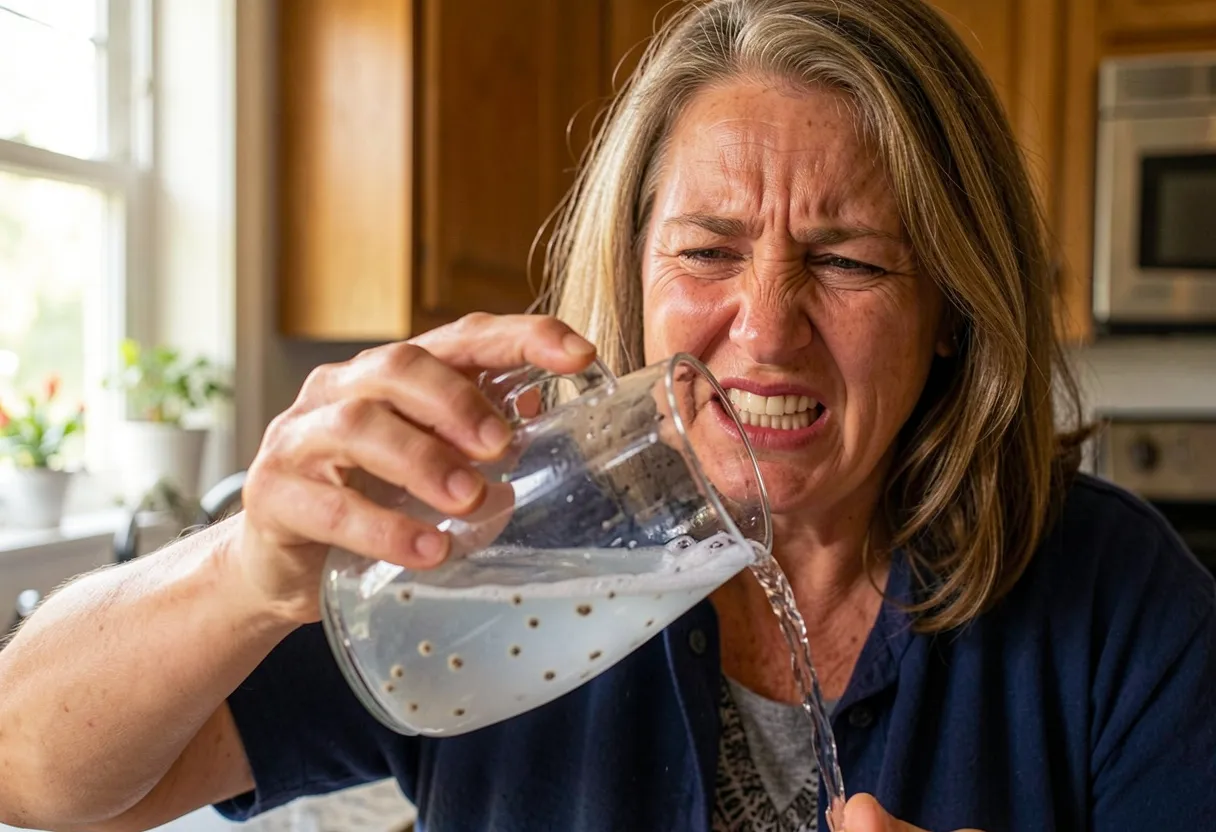
Quick Summary: Drinking mold typically causes mild symptoms like nausea, vomiting, or diarrhea that resolve within 24 hours in healthy individuals. Some molds produce mycotoxins that can cause more serious reactions, particularly in people with weakened immune systems or mold allergies. Most people won’t get severely ill from accidentally consuming small amounts of mold, but symptoms warrant medical attention if they persist beyond 48 hours or worsen.
Finding mold floating in your water bottle or realizing you just drank from a moldy cup is pretty gross. But does it actually pose a health risk?
The answer depends on several factors: the type of mold, how much you consumed, and your individual health status. While most healthy people won’t experience serious issues from accidentally drinking small amounts of mold, understanding what happens in your body can help you know when to worry and when to simply move on.
Understanding Mold and How It Gets Into Drinks
Mold represents a non-scientific term for many types of unwanted fungi found both indoors and outdoors, according to Poison Control. These organisms release spores that germinate when they find the right combination of moisture, warmth, and food.
According to the CDC, mold has been on Earth for millions of years and can enter homes through open doors, windows, vents, and heating and air conditioning systems. The spores are so small and prevalent that most people breathe in mold spores every day without getting sick.
Water bottles create an ideal environment for mold growth. The combination of moisture, any residual drink (especially sugary beverages), and room temperature conditions allows mold spores to settle and multiply.
Common Places Mold Grows in Beverages
Reusable water bottles top the list, particularly those with straws, complex lids, or hard-to-reach crevices. But mold can also develop in any drink left sitting too long, including coffee, tea, juice, and even alcoholic beverages.
On food and in drinks, mold spores look like colorful fuzz that can range from white and green to black and orange.
What Happens in Your Body After Drinking Mold
When you consume mold, your body treats it as a foreign invader. Here’s what typically occurs:
Your digestive system attempts to break down and eliminate the mold spores. In most cases, stomach acid destroys many of the spores before they can cause significant problems.
The immune system activates to fight off any remaining spores or toxins. For healthy individuals with robust immune systems, this process happens efficiently without noticeable symptoms.

Common Symptoms of Drinking Moldy Water or Beverages
According to Poison Control, gastrointestinal symptoms, respiratory problems, and allergic reactions can occur after ingesting moldy food or drink. The severity depends on individual sensitivity and the type of mold consumed.
Gastrointestinal Symptoms
The most common reactions include nausea, vomiting, diarrhea, and abdominal cramps. These symptoms typically appear within a few hours of consumption.
In a documented case from Poison Control, a woman who consumed moldy cream cheese experienced vomiting that stopped within 6 hours, with remaining symptoms resolving over the next 12 hours. This represents a typical recovery timeline for otherwise healthy individuals.
Respiratory Reactions
Some people experience respiratory symptoms even from ingesting mold, particularly if they have existing allergies. These can include coughing, wheezing, nasal stuffiness, or throat irritation.
According to the CDC, research has found that people who spend time in damp buildings report health problems including respiratory symptoms and infections, developing or worsening asthma, and hypersensitivity pneumonitis.
Allergic Responses
In mold-allergic individuals, consuming mold may trigger allergic reactions beyond respiratory symptoms. The CDC notes that allergies or allergic responses to mold are common and may include sneezing, nasal stuffiness, and skin conditions like eczema.
The prevalence of mold sensitization is estimated to range from 3 to 10 percent of the population, according to research cited in medical literature.
The Mycotoxin Factor: When Mold Gets Dangerous
Not all molds pose the same risk. The real concern comes from certain molds that produce mycotoxins—poisonous substances that can make people sick.
According to the FDA, some foods such as grains, dried beans, dried fruits, and coffee are susceptible to fungus or mold that produce these toxins. Only certain molds and fungi can produce mycotoxins of concern.
Global data shows aflatoxins account for 35% of the global toxic load from mycotoxins, with the Food and Agriculture Organization estimating that 25% of the world’s food crops are affected by mycotoxins.
| Mycotoxin Type | Common Sources | Potential Health Effects |
|---|---|---|
| Aflatoxins | Grains, nuts, dried fruits | Liver damage, cancer risk with chronic exposure |
| Ochratoxin A | Coffee, dried fruits, wine | Kidney damage, immune suppression |
| Deoxynivalenol | Wheat, corn, barley | Nausea, vomiting, diarrhea |
| Fumonisins | Corn products | Neural tube defects, liver damage |
| Zearalenone | Corn, wheat, barley | Reproductive issues |
If you eat something containing high levels of mycotoxins, you can get sick, according to the FDA. The agency monitors domestic and imported foods for mycotoxin contamination as part of its compliance program.
Who’s at Higher Risk?
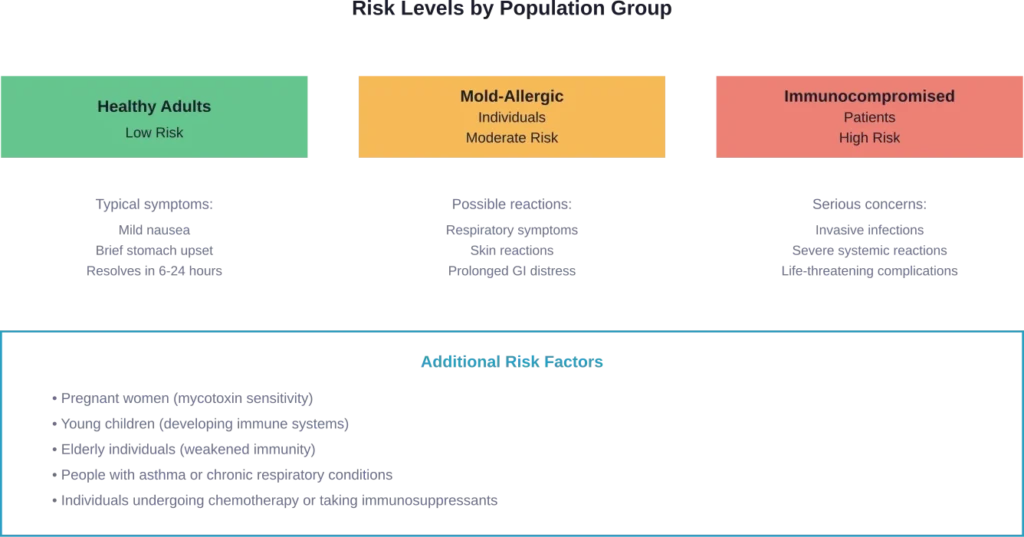
While most healthy people can handle accidental mold consumption without serious consequences, certain groups face increased vulnerability.
Immunocompromised Individuals
According to the CDC, people with weakened immune systems can get invasive mold infections from breathing in mold spores. While most people breathe in mold spores every day without getting sick, invasive mold infections are rare but can be severe and life threatening in this population.
The CDC specifically notes that after flooding, it’s not safe for someone with a weakened immune system to enter a moldy building.
People with Mold Allergies
Those with existing mold allergies may experience more severe allergic reactions from mold consumption. Symptoms can escalate beyond typical gastrointestinal distress to include significant respiratory problems.
Pregnant Women and Young Children
Generally speaking, pregnant women and young children may be more susceptible to the effects of mycotoxins, though individual reactions vary considerably.
When to Seek Medical Attention
According to Poison Control guidelines, seek medical attention if you develop severe vomiting, diarrhea, or abdominal cramps, or if you are experiencing significant respiratory distress.
The general advice states that if symptoms worsen or do not resolve within 2 days, medical evaluation becomes necessary. In documented cases, patients are advised to monitor for symptom progression beyond 48 hours.
For individuals with weakened immune systems, mold allergies, or other risk factors, earlier medical consultation makes sense. Don’t wait for symptoms to become severe.
Preventing Mold Growth in Your Drinks
The CDC emphasizes prevention as the best approach to mold-related health issues. Here’s how to keep your beverages mold-free:
Water Bottle Hygiene
Clean reusable water bottles thoroughly at least once a week with liquid dish soap and warm water. Pay special attention to straws, lid crevices, and threading where mold commonly hides.
Some experts recommend deep cleaning with a mixture of baking soda and vinegar, or using bottle brushes specifically designed for hard-to-reach areas.
Environmental Controls
According to the CDC, keep humidity levels in your home as low as possible—no higher than 50 percent all day long. An air conditioner or dehumidifier helps maintain this level. Poison Control recommends keeping humidity below 40 percent for optimal mold prevention in living spaces, while the CDC recommends keeping humidity levels no higher than 50 percent.
Food and Drink Storage
Don’t leave drinks sitting out at room temperature for extended periods. Refrigerate beverages when possible and discard anything that’s been sitting out too long.
Check expiration dates and follow “use by” guidelines. When in doubt, throw it out—this advice applies to both food and drinks.
| Prevention Strategy | Frequency | Effectiveness |
|---|---|---|
| Deep clean water bottles | Weekly | High |
| Inspect drinks before consuming | Every use | High |
| Refrigerate opened beverages | Immediately after opening | High |
| Replace old water bottles | Every 6-12 months | Moderate |
| Use dehumidifiers in damp areas | Continuous | Moderate to High |
| Discard past-date drinks | As needed | High |
What to Do If You’ve Already Consumed Mold
So you’ve just realized that what you drank had mold in it. Here’s what to do:
First, don’t panic. Most healthy people won’t experience serious problems from a one-time exposure to mold in drinks.
Stop consuming the beverage immediately and rinse your mouth with clean water. Drinking additional clean water may help dilute any toxins and support your body’s natural elimination processes.
Monitor for symptoms over the next 24-48 hours. Keep track of any gastrointestinal distress, respiratory issues, or allergic reactions.
According to Poison Control, you can use the webPOISONCONTROL online tool to get immediate help, or call your poison center at 1-800-222-1222. Expert guidance is always free, confidential, and available 24 hours a day.
Long-Term Concerns: Chronic Mold Exposure
While accidentally drinking mold once won’t typically cause lasting harm, repeated exposure presents different concerns.
Chronic mycotoxin exposure has been linked to various health issues in research literature. Studies have documented multisystem symptoms in patients exposed to mixed molds in water-damaged buildings, including immune system dysregulation.
The CDC notes that preventing and cleaning mold growth in buildings helps protect people who are at risk for invasive mold infections.
But here’s the thing—there’s a difference between occasional accidental exposure and living or working in a mold-contaminated environment. The latter requires professional assessment and remediation.
Frequently Asked Questions
For most healthy people, drinking moldy water causes only mild, temporary symptoms like nausea or stomach upset that resolve within 24 hours. However, immunocompromised individuals, people with mold allergies, and those who consume large amounts of mycotoxin-producing molds can experience more serious reactions requiring medical attention.
Symptoms typically appear within 1-6 hours after consuming moldy drinks or food. Gastrointestinal symptoms like nausea and vomiting usually occur first. According to Poison Control case data, vomiting often stops within 6 hours, with other symptoms resolving over 12-24 hours in healthy individuals.
Mold spores are the reproductive cells released by fungi, while mycotoxins are poisonous chemical compounds that certain molds produce. Not all molds create mycotoxins, but those that do pose greater health risks. According to the FDA, only certain molds and fungi can produce mycotoxins of concern, and consuming high levels can make people sick.
Generally speaking, thoroughly cleaning a moldy water bottle with hot water and dish soap can make it safe to use again. However, if mold has penetrated porous materials or the bottle has extensive contamination, replacement is the safer choice. Bottles with complex designs that make complete cleaning difficult should be replaced.
This depends on the food type. According to USDA guidelines, hard foods with low moisture content might be safe after removing mold plus a margin around it. However, for liquids and soft foods, mold roots can penetrate deeply even when surface mold isn’t visible. When dealing with drinks, it’s best to discard the entire container.
Seek medical attention if you experience severe vomiting or diarrhea, intense abdominal cramps, difficulty breathing, significant allergic reactions like swelling or hives, or if any symptoms persist beyond 48 hours or worsen over time. Immunocompromised individuals should consult medical professionals even with mild symptoms.
Look for visible spots of various colors including black, green, white, or orange, particularly around the mouthpiece, lid threading, or straw. A musty or unpleasant smell also indicates mold presence. Sometimes mold appears as a slimy film. If your bottle hasn’t been cleaned in over a week or you notice any of these signs, deep clean it before using it again.
Final Thoughts: Staying Safe and Informed
Accidentally drinking mold isn’t ideal, but it’s rarely a medical emergency for healthy individuals. Understanding the potential symptoms and knowing when to seek help puts you in control of the situation.
The key takeaway? Prevention beats treatment every time. Regular cleaning of reusable containers, proper food and beverage storage, and maintaining low humidity in living spaces dramatically reduce mold exposure risk.
If you have underlying health conditions, weakened immunity, or known mold allergies, take extra precautions and don’t hesitate to consult healthcare providers when concerns arise. For everyone else, stay vigilant about hygiene practices, trust your senses when something looks or smells off, and remember that your body’s designed to handle occasional exposure to environmental contaminants like mold spores.
When in doubt about any food or drink safety issue, reach out to Poison Control at 1-800-222-1222 for free, expert guidance any time of day or night.