
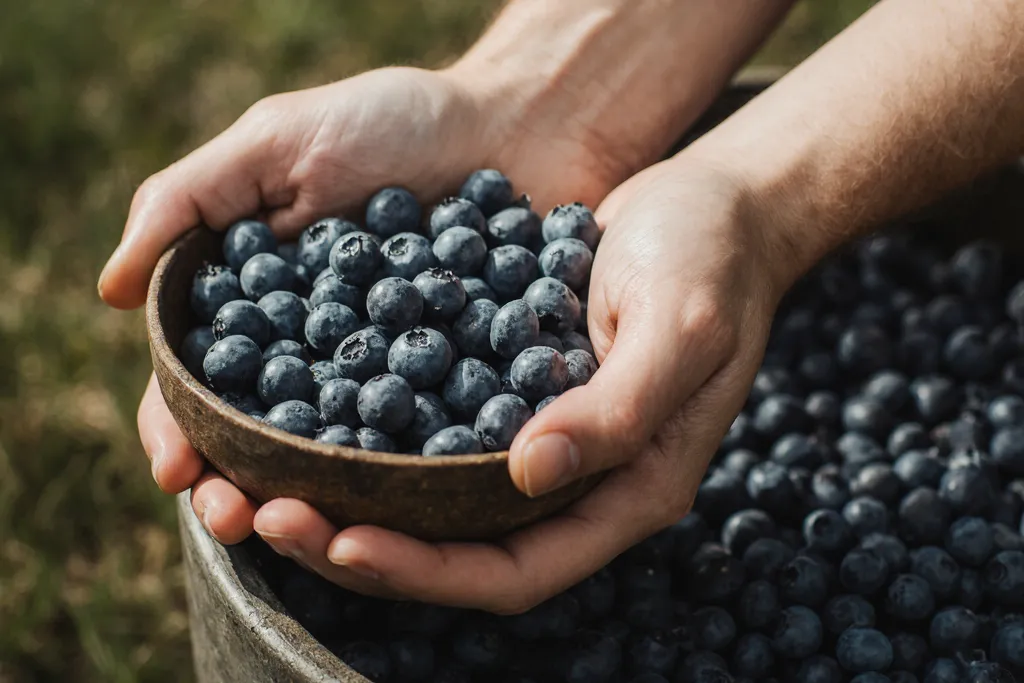
Quick Summary: Eating blueberries every day can improve heart health, enhance cognitive function, support blood sugar regulation, and boost antioxidant capacity. Research shows consuming 150 grams daily provides anthocyanins that reduce cardiovascular disease risk by up to 26% and improve insulin sensitivity by 67% in some studies. Most people can safely eat blueberries daily, though those on blood thinkers or with berry sensitivities should consult healthcare providers.
Blueberries have earned their reputation as a nutritional powerhouse. But what actually happens in your body when you eat them every single day?
The science is surprisingly clear. Regular blueberry consumption triggers measurable changes in cardiovascular function, cognitive performance, and metabolic health. According to research published by the National Institutes of Health, anthocyanins—the compounds that give blueberries their deep blue color—account for approximately 84% of their total antioxidant capacity.
Here’s what the research reveals about daily blueberry consumption.
Your Cardiovascular System Gets a Major Boost
The most extensively studied benefit of eating blueberries daily centers on heart health. And the data doesn’t disappoint.
A meta-analysis examining data from 833,234 participants found that consuming five servings of combined fruits and vegetables daily reduced all-cause mortality risk by 26%. When researchers isolated fruit consumption specifically, each additional serving reduced death risk by 6%.
But blueberries offer something special beyond general fruit benefits. The anthocyanins in blueberries—particularly malvidin glycosylated with hexose or pentose accounted for >46% of the total anthocyanin content—target cardiovascular function directly.
Research from the Nurses’ Health Study II found that consumption of >3 servings per week of strawberries and blueberries compared with ≤1 time per week was associated with improvements in cardiovascular markers.
Blood Pressure Effects
Wild blueberries in particular pack 33% more anthocyanins than cultivated varieties. Studies evaluating dietary interventions found that increased fruit and vegetable consumption has been associated with blood pressure improvements.
That might sound modest. But even small reductions in blood pressure translate to significant decreases in cardiovascular disease risk over time.
Stroke Risk Reduction
A meta-analysis pooling data from 760,629 participants across 20 prospective studies found compelling results. Those with the highest fruit and vegetable intakes showed a 21% lower stroke risk compared to those with the lowest intakes.
Higher fruit and vegetable intakes showed 21% lower stroke risk; fruit consumption alone shows dose-dependent risk reduction.

Cognitive Function and Brain Health Improve
Your brain responds to daily blueberry consumption in measurable ways. Research into berry anthocyanins and cognitive performance reveals consistent patterns.
Studies examining anthocyanin supplementation found improvements across multiple cognitive domains. The compounds cross the blood-brain barrier and accumulate in brain regions associated with learning and memory.
A systematic review of randomized placebo-controlled intervention studies evaluated berry anthocyanins’ effects on cognitive performance and vascular function. While study designs varied, the evidence points toward benefits in executive function and processing speed.
University research on wild blueberry consumption examined effects on cognitive function and cardiovascular health simultaneously. The dual benefits suggest interconnected mechanisms—improved vascular function enhances nutrient and oxygen delivery to brain tissue.
Protection Against Cognitive Decline
Anthocyanins show promise as a preventive approach against age-related cognitive decline. The antioxidant and anti-inflammatory properties may protect neural pathways from oxidative stress damage.
Research published in 2021 explored how berry anthocyanins influence cognitive performance markers. The hypothesis centers on reducing neuroinflammation and supporting synaptic plasticity.
Blood Sugar Regulation Gets Better
Here’s where things get really interesting for metabolic health.
A landmark study in The Journal of Nutrition examined sedentary adults with insulin resistance. Participants consumed blueberry smoothies daily for six weeks. The blueberry group showed a 67% greater improvement in insulin sensitivity compared to the placebo group.
That’s not a typo. Sixty-seven percent.
Research at Oregon State University notes that blueberries don’t trigger immediate weight loss or dramatic metabolic rate spikes. Instead, their primary value lies in improving insulin sensitivity and vascular function over time.
For most individuals, consuming approximately 150 grams daily provides consistent anthocyanin supply. This supports metabolic health by influencing how the body processes glucose and manages oxidative stress.
Type 2 Diabetes Risk
Research on fruit and vegetable consumption shows associations with reduced type 2 diabetes risk. Green leafy vegetables showed even stronger associations at 13% risk reduction per increment.
The mechanisms likely involve improved insulin signaling pathways and reduced inflammatory markers.

Inflammation and Oxidative Stress Decrease
Chronic inflammation drives numerous disease processes. Blueberries combat this at the cellular level.
Research published by a University of Maine clinical nutritionist found that eating 2 cups of wild blueberries daily for two months can reduce chronic inflammation markers. The same study documented improved fat metabolism and lower LDL cholesterol and triglycerides.
The antioxidant properties of blueberry anthocyanins protect cells from oxidative damage. Studies examining blueberry anthocyanins’ antioxidant and anti-inflammatory effects showed protective effects in retinal capillary endothelial cells against high glucose-induced oxidative stress.
Gene expression changes matter too. The University of Maine research found that a blueberry-enriched diet normalized expression of inflammatory markers and genes related to lipid and lipoprotein metabolism.
Potential Side Effects and Considerations
Most people can eat blueberries daily without issues. But there are some considerations.
Blood Thinning Effects
Blueberries contain salicylates—compounds similar to aspirin. Those taking blood-thinning medications should discuss blueberry consumption with healthcare providers to avoid excessive bleeding risk.
Blood Sugar in Diabetics
While blueberries improve insulin sensitivity long-term, they still contain natural sugars. People with diabetes should monitor blood glucose responses, especially when first adding blueberries to their routine.
Digestive Sensitivity
Consuming large quantities may cause digestive discomfort in some individuals due to fiber content. Starting with smaller amounts and gradually increasing helps the digestive system adjust.
Allergic Reactions
Berry allergies, while uncommon, do occur. Symptoms can range from mild oral irritation to more severe reactions. Anyone experiencing adverse symptoms should discontinue consumption and consult medical professionals.
| Daily Amount | Approximate Anthocyanins | Research-Backed Benefits | Best For |
|---|---|---|---|
| 1/2 cup (75g) | 80-120mg | Basic antioxidant support | General health maintenance |
| 1 cup (150g) | 160-240mg | Cardiovascular and cognitive benefits | Heart health, brain function |
| 2 cups (300g) | 320-480mg | Maximum metabolic and anti-inflammatory effects | Metabolic syndrome, inflammation |
How Much Should You Eat?
Research studies typically use between 150-300 grams daily. That translates to roughly 1-2 cups of fresh blueberries.
The World Health Organization recommends consuming more than 400 grams of fruits and vegetables daily to improve overall health and reduce noncommunicable disease risk. Blueberries can comprise a meaningful portion of that intake.
Wild blueberries pack more anthocyanins per gram than cultivated varieties. If available, they offer greater antioxidant density in smaller servings.
Frequently Asked Questions
Research shows minimal direct impact on body weight from blueberry consumption alone. A meta-analysis found a small mean change in body weight of -0.68 kg when consuming greater amounts of fruits and vegetables. Blueberries are relatively low in calories (about 85 calories per cup) and high in fiber, making them unlikely to cause weight gain when eaten in reasonable amounts.
No research establishes an optimal time. Many people add blueberries to breakfast for sustained energy or consume them as snacks. For blood sugar management, pairing blueberries with protein or healthy fats can slow glucose absorption and provide more stable energy levels throughout the day.
Generally speaking, frozen blueberries retain their nutritional value remarkably well. Freezing happens quickly after harvest, preserving anthocyanin content. Some studies suggest frozen berries may even have slightly higher antioxidant availability due to ice crystal formation breaking down cell walls, making compounds more accessible.
Some effects appear within weeks. The landmark insulin sensitivity study showed improvements after six weeks of daily consumption. Blood pressure changes can manifest within similar timeframes. However, cardiovascular benefits likely compound over months to years of consistent intake, as shown in long-term cohort studies.
Yes, blueberries are safe for children when age-appropriate. For young children, ensure blueberries are cut to prevent choking hazards. The antioxidants and nutrients support healthy development. No upper limits have been established for blueberry consumption in children, though variety in fruit intake remains important for balanced nutrition.
Research on berry anthocyanins includes both whole fruit and extract studies. While extracts concentrate specific compounds, whole blueberries provide fiber, vitamins, minerals and other phytonutrients that may work synergistically. The bioavailability and health impacts can differ between whole foods and isolated compounds, though both show benefits in research.
Blueberries can interact with blood-thinning medications due to salicylate content and vitamin K in some cases. Those taking warfarin, aspirin, or other anticoagulants should maintain consistent berry intake and inform healthcare providers. Blueberries may also enhance effects of diabetes medications by improving insulin sensitivity, potentially requiring medication adjustments.
The Bottom Line
The research on daily blueberry consumption paints a compelling picture. Regular intake delivers measurable improvements in cardiovascular health, cognitive function, insulin sensitivity, and inflammatory markers.
The anthocyanins in blueberries—particularly concentrated in wild varieties—provide the primary mechanism for these benefits. Studies consistently show dose-response relationships, with optimal effects around 150-300 grams daily.
Most people tolerate daily blueberry consumption without issues. Those on medications or with specific health conditions should consult healthcare providers before making significant dietary changes.
Want to harness these benefits? Start with a cup of blueberries daily and monitor how your body responds. The evidence suggests your cardiovascular system, brain, and metabolic health will thank you.