
Quick Summary: Eating expired food can lead to food poisoning from harmful bacteria like Salmonella, E. coli, and Listeria, with symptoms ranging from mild stomach upset to severe illness requiring hospitalization. However, many foods remain safe past printed dates since these labels indicate quality rather than safety. The risk depends on the food type, storage conditions, and how far past the date you consume it.
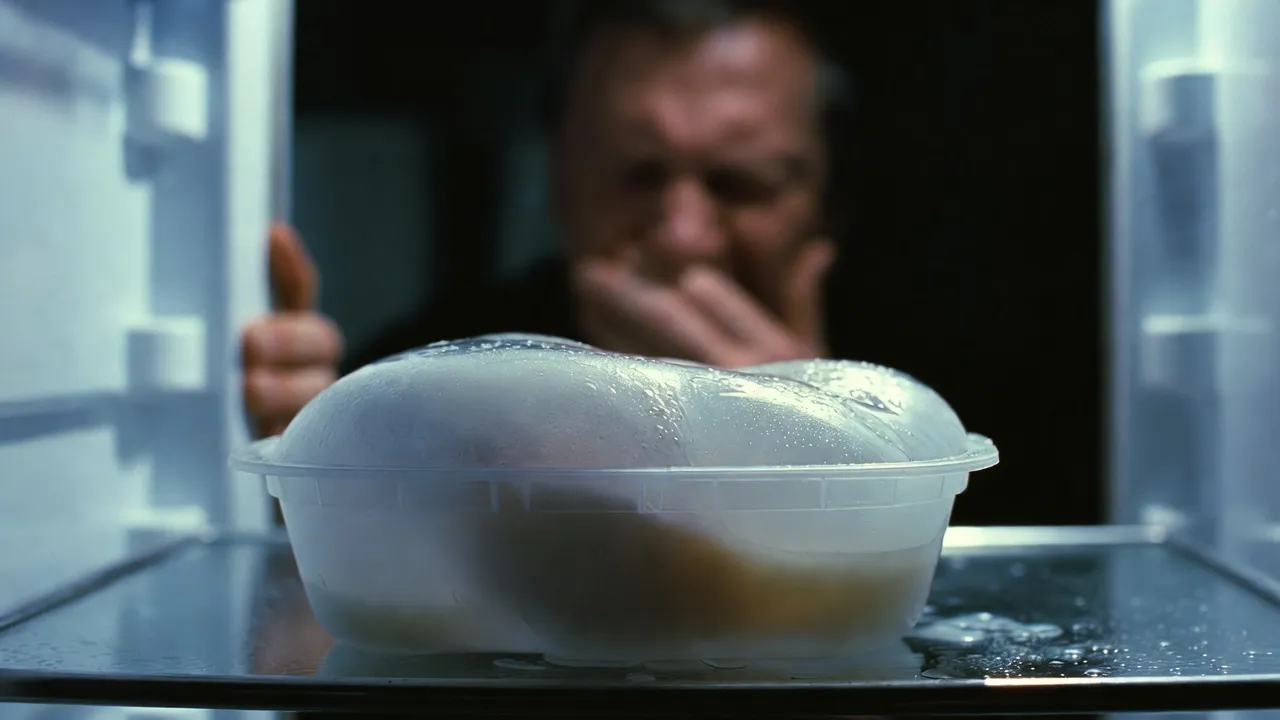
You’ve opened the fridge and found that container of deli meat sitting there. The date stamped on the package passed three days ago. Should you risk it?
According to the CDC, the Centers for Disease Control and Prevention estimates that there are about 48 million cases of foodborne illness annually, resulting in an estimated 128,000 hospitalizations and 3,000 deaths. But here’s the thing—not all of these cases come from expired food. Many result from improper handling, cross-contamination, or foods that were contaminated before their expiration date even arrived.
Understanding what actually happens when you eat expired food requires distinguishing between food quality and food safety. Those dates printed on packages don’t always mean what you think they mean.
The Truth About Food Date Labels
Food date labels confuse millions of consumers into throwing away perfectly safe food. The USDA estimates that 30 percent of the food supply is lost or wasted at the retail and consumer levels, partly because people misunderstand what these dates actually indicate.
There’s no uniform federal dating system for food products in the United States, except for infant formula. Different phrases mean different things:
| Date Label | What It Actually Means | Safety vs Quality |
|---|---|---|
| Best if Used By | Peak flavor and quality period | Quality indicator only |
| Sell By | Store inventory management date | Not for consumer use |
| Use By | Last date for peak quality | Quality, except infant formula |
| Expires On | Last date product should be consumed | Safety for certain products only |
The USDA Food Safety and Inspection Service recommends using “Best if Used By” labels to reduce waste. Most of these dates reflect manufacturer estimates of when food tastes best, not when it becomes dangerous.
That said, some foods absolutely should not be consumed past their date. The risk isn’t worth the savings.
What Actually Happens When Food Expires
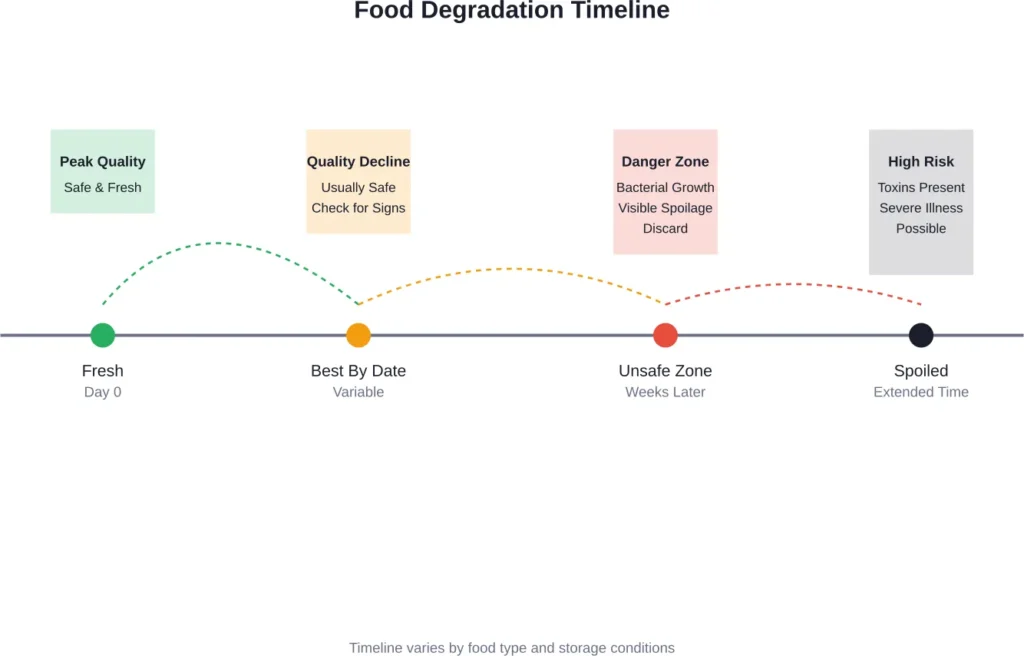
Food degradation happens through multiple processes. Bacterial growth is the primary concern for safety, while chemical and physical changes affect quality.
When food sits too long, several things occur:
Bacterial multiplication: Foodborne pathogens like Salmonella, E. coli, and Listeria can multiply to dangerous levels. According to the FDA, these microorganisms cause the majority of serious foodborne illnesses. Research published in academic journals shows that bacterial communities in prepackaged foods increase gradually from manufacturing day to expiration, with nearly-expired products containing significantly higher bacterial counts.
Mold and yeast growth: Visible spoilage from fungi indicates decomposition. Some molds produce mycotoxins that can cause illness even if you cut away the visible portions.
Enzymatic breakdown: Natural enzymes in food break down proteins and fats, causing off-flavors, texture changes, and nutrient loss. Cornell researchers identified specific bacteria like Paenibacillus that survive pasteurization and cause milk to curdle in storage.
Oxidation: Fats become rancid, vitamins degrade, and colors fade through exposure to oxygen.
Health Risks of Consuming Expired Food
The consequences of eating expired food range from zero effect to life-threatening illness. It depends entirely on what you ate and what was growing in it.
Mild to Moderate Food Poisoning
Most foodborne illnesses cause uncomfortable but manageable symptoms. According to the CDC, common symptoms include:
- Nausea and vomiting
- Diarrhea
- Stomach cramps and pain
- Fever
- Headache
Symptoms typically start within 30 minutes to 8 hours for Staphylococcus aureus contamination, though other pathogens may take days to cause illness. Most healthy adults recover within a few days without medical intervention.
Severe Foodborne Illness
Some cases require hospitalization. Warning signs include bloody diarrhea, diarrhea lasting more than three days, fever above 102°F, frequent vomiting that prevents keeping liquids down, and signs of dehydration.
According to CDC research, non-typhoidal Salmonella (NTS) was the leading cause of hospitalization and death from known foodborne pathogens. Research using disability-adjusted life years as a metric found that 90% of domestically acquired foodborne illnesses, hospitalizations, and deaths caused by known pathogens were attributed to seven pathogens: Campylobacter, Clostridium perfringens, Escherichia coli O157, Listeria, norovirus, Salmonella, and Toxoplasma.
High-Risk Groups
According to the CDC, certain populations face greater danger from expired or contaminated food:
- Adults 65 and older
- Children under 5 years
- Pregnant women
- People with weakened immune systems
According to the World Health Organization, almost 30% of foodborne mortality is experienced by children younger than five years of age. These groups should exercise extra caution with food dates and storage.
Foods You Should Never Eat After Expiration
Some foods become genuinely dangerous past their dates. Don’t take chances with these:
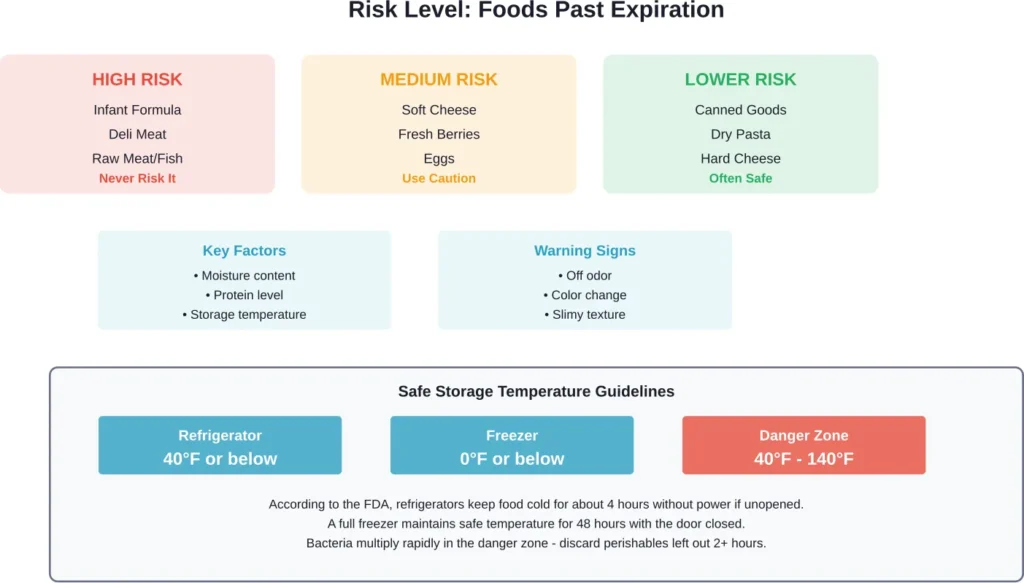
Infant Formula
This is the only product federally required to have expiration dates. Formula loses nutritional value over time, and expired formula may not provide adequate nutrition for infants. Never use formula past its date.
Deli Meat and Hot Dogs
Ready-to-eat meats pose significant Listeria risk. This bacteria grows even under refrigeration and causes serious illness, particularly in pregnant women. Consume within 3-5 days of opening, regardless of the printed date.
Fresh Meat, Poultry, and Fish
Raw animal products are prime breeding grounds for Salmonella, E. coli, and Campylobacter. According to the CDC, chicken is a particularly common source of food poisoning. Use or freeze by the package date.
Eggs
Eggs can harbor Salmonella both on shells and inside. While eggs often remain safe for weeks in the refrigerator, consuming eggs significantly past their date increases risk, especially if they’ll be consumed raw or undercooked.
Soft Cheeses
Soft cheeses like Brie, feta, and ricotta have high moisture content that supports bacterial growth. Listeria thrives in these products. Hard cheeses last longer and are generally safer past their dates.
Fresh Berries
Strawberries and other berries deteriorate rapidly and can develop mold that penetrates deep into the fruit structure. Consuming moldy berries may expose you to mycotoxins.
Foods That Are Usually Safe Past Their Dates
Not everything needs immediate disposal when the date passes. Many foods remain safe and nutritious well beyond printed dates if stored properly.
According to the USDA, frozen foods remain safe indefinitely because foodborne bacteria don’t grow in freezers. Quality deteriorates over months, but safety isn’t compromised. According to USDA guidance, “Food poisoning bacteria does not grow in the freezer, so no matter how long a food is frozen, it is safe to eat.”
Shelf-stable foods like canned goods, dried pasta, rice, flour, and sugar last for years if stored in cool, dry conditions. These products are called “shelf stable” because they can safely be stored at room temperature.
Hard cheeses, butter, and yogurt typically outlast their dates by weeks. The higher acid content and lower moisture make them less hospitable to dangerous bacteria.
Dried and canned goods rarely pose safety risks even years past their dates, though quality degrades. Check for rust, bulging, or damage to cans before consuming.
How to Tell If Food Has Actually Spoiled
Your senses are often better indicators than printed dates. Trust them.
Smell: Off odors are the clearest warning sign. Sour, rancid, or unusual smells indicate bacterial activity or chemical breakdown. If it smells wrong, throw it out.
Visual inspection: Look for mold, discoloration, or changes in appearance. Slimy textures on meat indicate bacterial overgrowth. Cloudy liquids that should be clear are problematic.
Texture changes: Mushiness in firm foods, excessive softness, or sliminess all suggest spoilage.
Taste test caution: Never taste food that looks or smells questionable. Some toxins don’t affect appearance or smell but can still cause illness.
For shelf-stable canned goods, if the product looks damaged or the contents smell abnormal, do not taste it. If the product does look and/or smell normal, thoroughly cook the contents right away by boiling for 10 to 20 minutes. At altitudes below 1,000 feet, boil foods for 10 minutes.
Proper Food Storage Extends Safety
How you store food matters more than the date for many products.
The FDA emphasizes that keeping foods at proper temperatures prevents or slows bacterial growth. Refrigerators should maintain 40°F or below. Freezers need 0°F or below.
Refrigerate perishables within two hours of purchase or preparation. In temperatures above 90°F, that window shrinks to one hour.
Store leftovers in shallow containers so they cool quickly. According to the USDA Food Safety and Inspection Service, improper temperature control is one of the two main causes of foodborne illness.
Keep raw meat separate from ready-to-eat foods to prevent cross-contamination. Use different cutting boards and utensils.
First in, first out: Rotate stock so older items get used first. Label containers with dates when you open packages or prepare foods.
Minimizing Food Waste While Staying Safe
According to USDA Economic Research Service, each American wastes more than 20 pounds of food every month, equivalent to about $115 billion worth of good food thrown away every year at the consumer level in the U.S.
The top food group wasted by value is meat, poultry, and fish—precisely the foods with the highest safety risks.
You can reduce waste without compromising safety:
- Understand date labels and what they actually mean
- Use your senses to evaluate food quality, not just dates
- Freeze items you won’t use before they expire
- Plan meals around perishables with approaching dates
- Store food properly to extend safe shelf life
- Buy appropriate quantities for household needs
The key is distinguishing between quality decline and safety risks. A slightly stale cracker won’t harm you. Questionable deli meat might.
When to Seek Medical Attention
Most food poisoning resolves without intervention. But certain symptoms require medical care.
Seek help if you experience:
- Bloody diarrhea
- High fever over 102°F
- Frequent vomiting preventing fluid retention
- Signs of severe dehydration (dizziness, dry mouth, decreased urination)
- Diarrhea lasting more than three days
- Neurological symptoms like tingling or blurred vision
Pregnant women, young children, elderly adults, and immunocompromised individuals should seek care earlier, as complications develop faster in these groups.
Frequently Asked Questions
For most products, yes. “Best by” and “use by” dates indicate peak quality, not safety cutoffs. One day past the date, properly stored food is typically safe. Exceptions include highly perishable items like raw meat, deli meat, and soft cheeses. Always inspect food for signs of spoilage regardless of date.
According to food safety authorities, infant formula, deli meats, raw meat and fish, soft cheeses, and eggs pose the highest risks past their dates. These protein-rich, moisture-laden foods support rapid bacterial growth, including dangerous pathogens like Listeria, Salmonella, and E. coli.
Food poisoning duration varies by pathogen. Staphylococcus aureus symptoms can appear within 30 minutes and resolve in 24-48 hours. Salmonella typically causes illness lasting 4-7 days. Severe cases requiring hospitalization can persist for weeks. Most healthy adults recover within a few days without treatment.
Freezing stops bacterial growth but doesn’t eliminate bacteria already present. If you freeze food before it expires, it remains safe indefinitely, though quality declines over time. Freezing expired food that was already unsafe won’t make it safe—it just preserves the unsafe state until thawing.
Not always. Some dangerous bacteria don’t produce visible signs, odors, or taste changes. While mold, sliminess, discoloration, and off smells are clear warning signs, their absence doesn’t guarantee safety. This is why proper storage and respecting dates on high-risk foods matters.
Don’t panic immediately. Monitor yourself for symptoms over the next few days. Stay hydrated and rest if mild symptoms develop. Seek medical attention for severe symptoms like bloody diarrhea, high fever, or dehydration. High-risk individuals should contact healthcare providers sooner if they’ve consumed significantly expired high-risk foods.
No. Sell-by dates are inventory management tools for retailers, not consumer safety indicators. These dates tell stores when to rotate stock. Food is typically safe for days or weeks after the sell-by date if stored properly. Use-by and best-by dates are better indicators of quality and safety.
The Bottom Line on Expired Food
Eating expired food carries varying levels of risk depending on what you’re consuming. Understanding date labels, recognizing spoilage signs, and knowing which foods pose genuine dangers helps you make informed decisions.
High-risk foods like infant formula, deli meats, and raw animal products should not be consumed past their dates. The potential consequences outweigh any savings.
Many shelf-stable and frozen foods remain safe well beyond printed dates. Quality may decline, but safety often persists if storage was proper.
Your best protection against foodborne illness isn’t obsessing over dates—it’s proper food handling, adequate cooking temperatures, prompt refrigeration, and trusting your senses when something seems off.
When in doubt, throw it out. But when you’re certain food was properly stored and shows no signs of spoilage, that “best by” date doesn’t automatically mean danger.
Store food at safe temperatures, practice good kitchen hygiene, and educate yourself on which products genuinely require caution. That approach protects both your health and your budget.