
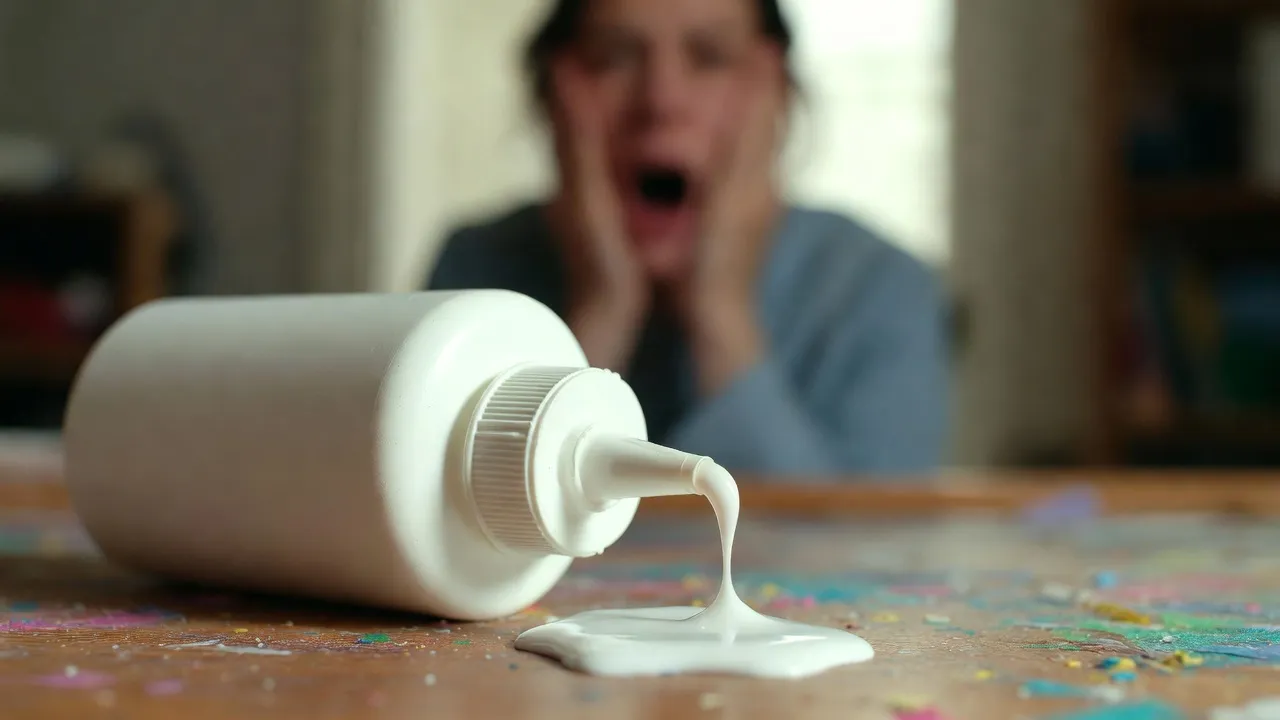
Quick Summary: Eating small amounts of common household glue like Elmer’s is generally not dangerous, as these products are non-toxic and will pass through the digestive system. However, swallowing super glue (cyanoacrylate) can cause bonding of tissues in the mouth or throat, while inhaling glue fumes deliberately or ingesting large amounts of any glue can lead to serious health problems requiring immediate medical attention.
The question of what happens if someone eats glue comes up more often than most people think. Kids get curious during craft time, accidents happen, and sometimes people wonder about the actual health consequences.
Here’s the thing though—not all glues are created equal. The white school glue sitting in a classroom is vastly different from industrial-strength adhesives found in workshops. Understanding these differences can mean the difference between a non-event and a medical emergency.
Understanding Different Types of Glue
Before diving into what happens when glue is swallowed, it helps to know what types exist and how they differ in toxicity levels.
Household Craft Glue (Non-Toxic Varieties)
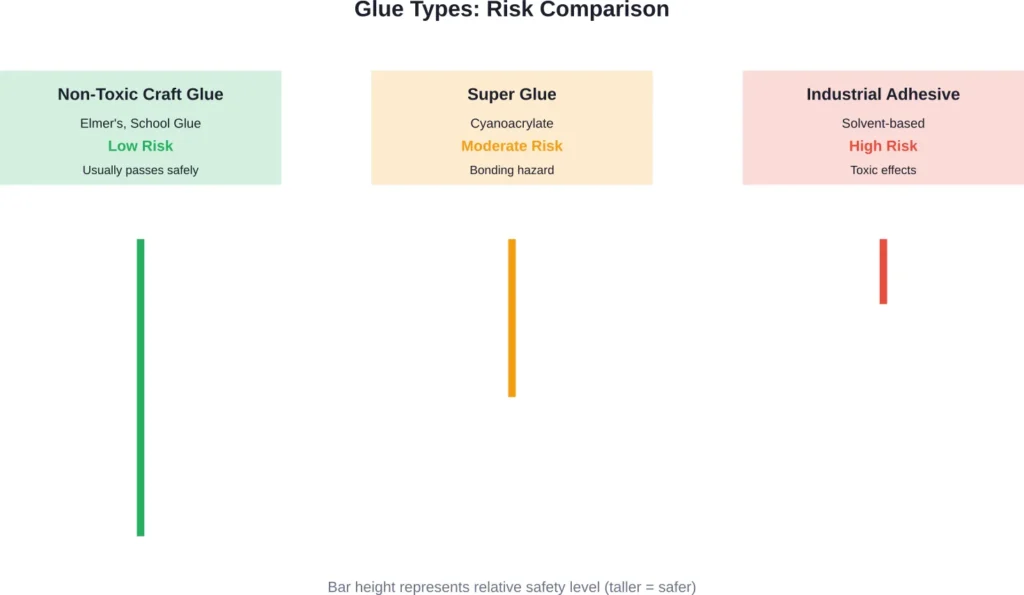
According to Poison Control, most household glues like Elmer’s Glue-All are non-toxic. These products consist primarily of water mixed with polyvinyl acetate, a chemical compound designed specifically for safe use around children.
White glue or paper glue used in schools is formulated with safety in mind. Manufacturers understand that accidental ingestion happens, especially with young children.
Super Glue (Cyanoacrylate)
Super glue is cyanoacrylate, an acrylic resin that forms incredibly strong adhesive bonds almost instantly. According to Poison Control, the main adverse effect isn’t toxicity in the traditional sense—it’s the physical bonding of two surfaces such as lips, eyelids, or fingers.
This type of glue hardens quickly when exposed to moisture, which includes saliva and the tissues inside the mouth.
Industrial-Strength and Specialty Adhesives
Industrial adhesives often contain solvents like toluene, which the CDC identifies as being used extensively in the rubber, chemical, paint, and glue industries. These products pose significantly greater health risks than household varieties.
Some contain aromatic hydrocarbons that can cause serious neurological effects. Toluene exposure, whether through inhalation or ingestion, can lead to CNS depression, respiratory issues, and in extreme cases, death.
What Happens When You Eat Household Glue
So what actually happens if a child swallows some Elmer’s glue during an art project?
In most cases, absolutely nothing serious. The glue will travel through the digestive system and be eliminated naturally. According to Poison Control, these products contain no materials in sufficient quantities to be toxic or injurious to humans, including children.
That said, eating glue isn’t recommended. Even non-toxic varieties can cause mild stomach discomfort if consumed in large amounts. The body isn’t designed to digest adhesive products, after all.
Symptoms to Watch For
Even with non-toxic glue, consuming larger quantities might cause:
- Mild abdominal pain or cramping
- Nausea or upset stomach
- Temporary digestive discomfort
These symptoms typically resolve on their own without medical intervention.
The Super Glue Problem
Super glue creates a different set of concerns entirely. When cyanoacrylate contacts moisture—like the saliva in someone’s mouth—it polymerizes rapidly and forms an extremely strong bond.
Accidental cyanoacrylate glue ingestion can potentially affect the mouth and throat tissues. The glue can bond tissues together, potentially obstructing airways or digestive passages.
The main risks include:
- Bonding of lips, tongue, or other oral tissues
- Irritation and pain in the mouth and throat
- Potential airway obstruction in severe cases
- Attachment to teeth or dental work
Poison Control emphasizes that bonded areas should never be pulled apart forcefully, as this can tear skin and tissue.
First Aid for Super Glue Exposure
If super glue gets in the mouth or bonds tissues together, Poison Control recommends:
- Soaking the affected area in warm water
- Using acetone (nail polish remover) on skin, but NOT in the mouth
- Applying petroleum jelly or oil to help loosen the bond
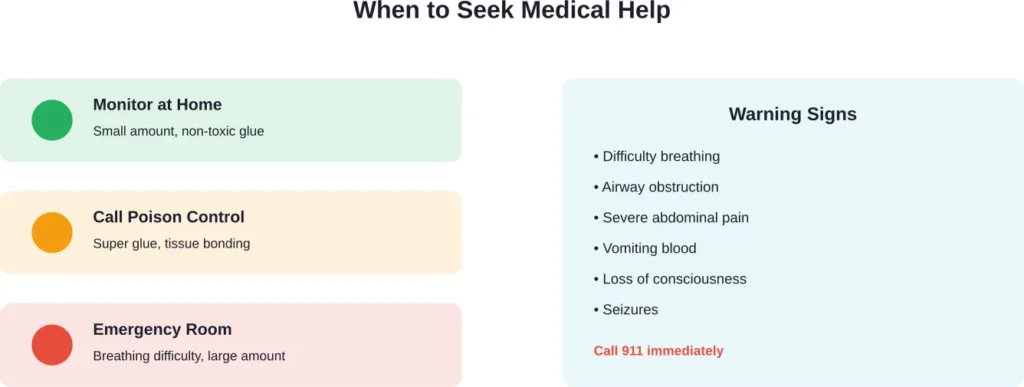
- Seeking medical attention if breathing becomes difficult
The glue will eventually detach on its own as the body naturally sheds skin cells, though this process can take several days.
The Dangerous Practice of Glue Sniffing
According to MedlinePlus Medical Encyclopedia, household glue poisoning most commonly occurs when someone deliberately inhales glue fumes to get high. This practice, known as inhalant abuse or glue sniffing, is extremely dangerous.
Industrial-strength adhesives containing solvents like toluene pose the greatest risk. The CDC notes that toluene can cause acute neurotoxic effects including narcosis, anesthesia, CNS depression, respiratory arrest, unconsciousness, and death.
Medical literature documents cases of sudden death from toluene intoxication related to deliberate inhalation of adhesive fumes. The neurological damage from chronic solvent exposure can persist for years.
Symptoms of Glue Poisoning
According to MedlinePlus, symptoms of household glue poisoning vary depending on the type of glue and the route of exposure (swallowing versus inhaling fumes).
Common symptoms include:
| Body System | Symptoms |
|---|---|
| Digestive | Abdominal pain, nausea, vomiting |
| Respiratory | Difficulty breathing, throat swelling, coughing |
| Neurological | Dizziness, confusion, seizures (in severe cases) |
| Eyes/Skin | Irritation, redness, bonding of tissues |
| Cardiovascular | Rapid heartbeat, blood pressure changes |
Symptoms from inhaling glue fumes can be particularly serious and may include hallucinations, loss of consciousness, and organ damage with chronic exposure.
What to Do If Someone Eats Glue
The appropriate response depends entirely on the type and amount of glue involved.
For Non-Toxic Household Glue
If a child swallows a small amount of school glue or craft adhesive:
- Stay calm—these products are designed to be non-toxic
- Wipe away any excess glue from the mouth
- Give the person a small amount of water to drink
- Monitor for any unusual symptoms
- Contact Poison Control at 1-800-222-1222 if concerned
Do not induce vomiting unless specifically instructed by a medical professional.
For Super Glue or Unknown Adhesives
When dealing with cyanoacrylate or industrial adhesives:
- Check if tissues are bonded together (lips, tongue, teeth)
- Do NOT pull bonded areas apart
- Call Poison Control immediately at 1-800-222-1222
- Follow their specific instructions
- Seek emergency care if breathing is affected
According to Poison Control, specialists can provide tailored guidance based on the specific product and circumstances.
Prevention Strategies
Preventing glue-related incidents requires simple but consistent safety practices.
Keep all adhesives, especially super glue and industrial products, stored out of reach of children. Even non-toxic varieties shouldn’t be accessible to unsupervised kids.
Supervise children during craft activities. Most accidental ingestions happen when kids are left alone with art supplies.
Teach children that glue is for paper, not for eating. Make this a clear, consistent rule during craft time.
Use child-resistant containers when available, and always replace caps immediately after use.
Frequently Asked Questions
No, Elmer’s glue is non-toxic and designed to be safe if accidentally swallowed in small amounts. According to Poison Control, it will pass through the digestive system without causing harm, though eating glue should still be avoided.
Call Poison Control immediately at 1-800-222-1222. Check if the glue has bonded any tissues in the mouth. Do not pull bonded areas apart. Monitor breathing and seek emergency care if the child has difficulty breathing or swallowing.
Most household glues will not harden inside the stomach the way they do when exposed to air. The acidic, moist environment of the digestive system prevents typical drying. However, super glue can bond to tissues it contacts before reaching the stomach.
Non-toxic glue will pass through the digestive system naturally. The exact timing varies based on individual digestive speed and the amount consumed.
Hot glue is generally considered non-toxic once cooled, though it can cause burns if consumed while still hot. The main risk is the physical obstruction if large amounts are swallowed, not chemical toxicity.
Signs include abdominal pain, nausea, vomiting, difficulty breathing, dizziness, and tissue bonding in the mouth or throat. Severe symptoms like seizures, loss of consciousness, or respiratory distress require immediate emergency care.
Yes, according to the CDC, deliberate inhalation of glue fumes containing solvents like toluene can cause serious neurological damage. Studies show EEG abnormalities can persist for years, and chronic exposure can lead to permanent brain damage or death.
When Medical Attention Is Critical
While most glue exposures are minor, certain situations require immediate professional care.
Seek emergency medical attention if:
- Breathing becomes difficult or labored
- The airway appears blocked or restricted
- Large amounts of any glue were swallowed
- The person loses consciousness or has seizures
- Severe abdominal pain develops
- Vomiting contains blood
According to MedlinePlus, emergency room staff will monitor vital signs, possibly perform imaging studies, and provide supportive care as needed. Bring the glue container to help medical staff identify the specific ingredients.
Final Thoughts
Understanding what happens if someone eats glue helps separate genuine emergencies from minor mishaps. Non-toxic school glues pose minimal risk and usually pass through the system harmlessly. Super glue creates bonding hazards but rarely causes systemic toxicity. Industrial adhesives with solvents represent the most serious threat, especially when fumes are inhaled.
Keep Poison Control’s number saved: 1-800-222-1222. They offer free, confidential, 24/7 expert guidance for any poisoning concern. When in doubt, make the call—it could prevent a minor incident from becoming a major problem.