
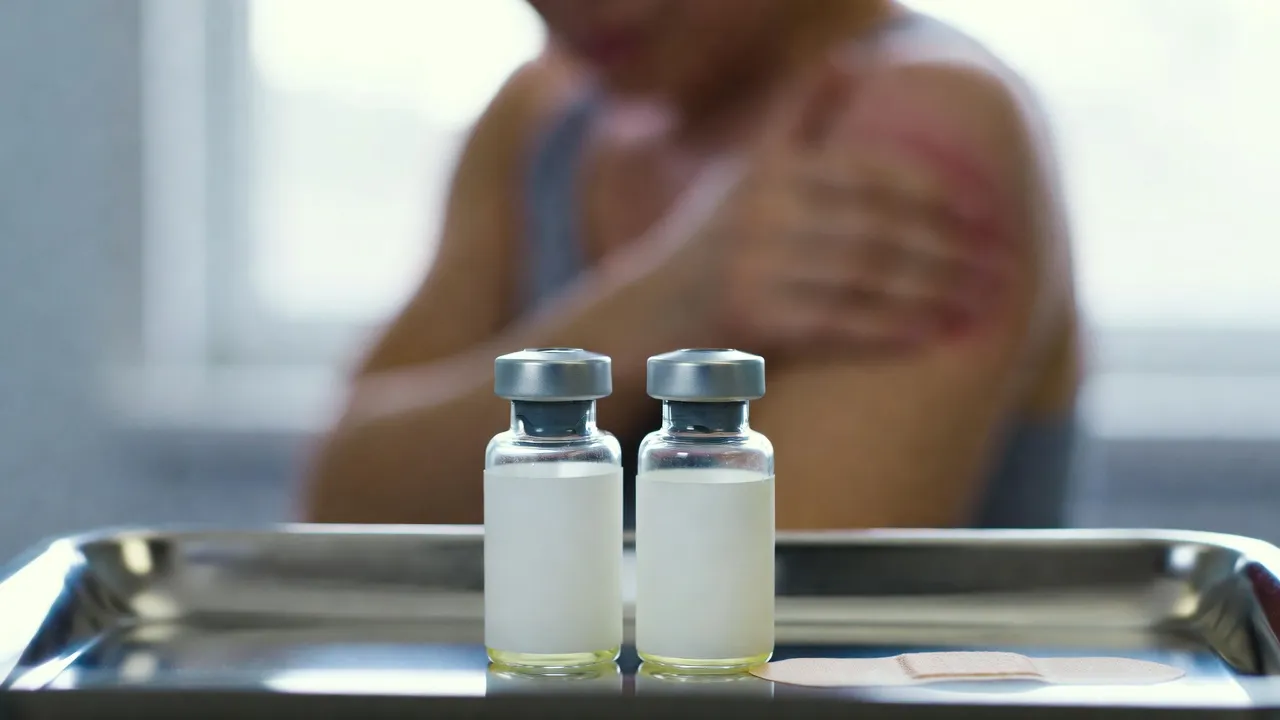
Quick Summary: Getting the pneumonia vaccine twice is generally safe and rarely causes serious harm. According to CDC data analyzing vaccine safety reports, accidental duplicate doses typically result in mild side effects similar to a single dose, with only 3.1% of excess dose reports classified as serious. The main concern is unnecessary discomfort rather than medical danger, though you should always consult your healthcare provider if you’ve received duplicate vaccinations.
Vaccine errors happen. Records get mixed up, patients switch doctors, or someone simply forgets they’ve already had a shot. Pneumococcal vaccines—the shots that protect against pneumonia and other serious bacterial infections—are no exception.
But here’s the thing: if someone accidentally receives the pneumonia vaccine twice, the outcome is usually far less dramatic than expected.
Understanding Pneumococcal Vaccine Types
Before diving into what happens with duplicate doses, it helps to know what pneumococcal vaccines actually are. These vaccines protect against Streptococcus pneumoniae bacteria, which cause pneumonia, meningitis, bloodstream infections, and ear infections.
According to CDC documentation, there are 4 pneumococcal vaccines recommended for use in the United States: 3 conjugate vaccines and 1 polysaccharide vaccine.
- PCV20 (20-valent pneumococcal conjugate vaccine) – protects against 20 pneumococcal serotypes
- PCV15 (15-valent pneumococcal conjugate vaccine) – covers 15 serotypes
- PPSV23 (23-valent pneumococcal polysaccharide vaccine) – protects against 23 serotypes
Children typically receive PCV vaccines as part of routine immunization schedules. The CDC recommends pneumococcal vaccination for children younger than 5 years and adults 50 years or older who are PCV-naïve or have unknown vaccination history, plus anyone at increased risk for pneumococcal disease.
What the Safety Data Actually Shows
Real talk: how dangerous is getting an extra dose?
Research published in the Vaccine Adverse Event Reporting System (VAERS) analyzed excess vaccine doses administered between 2007 and 2017. Out of 366,815 total VAERS reports during that period, 5,067 involved excess doses of various vaccines.
The findings are reassuring. Only 158 reports (3.1%) were classified as serious. Even more telling: 76.9% of excess dose reports involved no adverse health event whatsoever.
| Outcome | Number of Reports | Percentage |
|---|---|---|
| Total excess dose reports | 5,067 | 100% |
| Serious adverse events | 158 | 3.1% |
| No adverse health event | 3,898 | 76.9% |
| Female patients | 1,849 | 36.5% |
The median age of patients receiving excess doses was 11 years, with a range from newborns to 98-year-olds. This data covers all vaccine types, not just pneumococcal vaccines specifically, but it provides solid evidence about general excess dose safety.
Common Side Effects of Duplicate Doses
When side effects do occur from duplicate pneumococcal vaccination, they typically mirror the reactions from a single dose—just potentially more pronounced.
Standard pneumococcal vaccine side effects include:
- Pain, redness, or swelling at the injection site
- Mild fever
- Fatigue or feeling tired
- Headache
- Muscle aches
- Chills
These reactions are the immune system’s normal response to the vaccine. With a duplicate dose given close together, the immune system might react more vigorously since it’s already been primed by the first shot.
But wait. That doesn’t mean the reaction will necessarily be worse—many people who receive accidental duplicate doses report no symptoms at all.
When Duplicate Doses Actually Matter
Here’s where timing comes into play. The concern with duplicate pneumococcal vaccination isn’t so much about safety as it is about necessity and proper spacing.
According to CDC recommendations updated in October 2024, adults aged 50 years or older who are PCV-naïve or have unknown vaccination history should receive pneumococcal conjugate vaccines. The specific schedule depends on which vaccine is used and individual risk factors.
For most healthy adults, the current recommendations are:
- One dose of PCV20 alone, OR
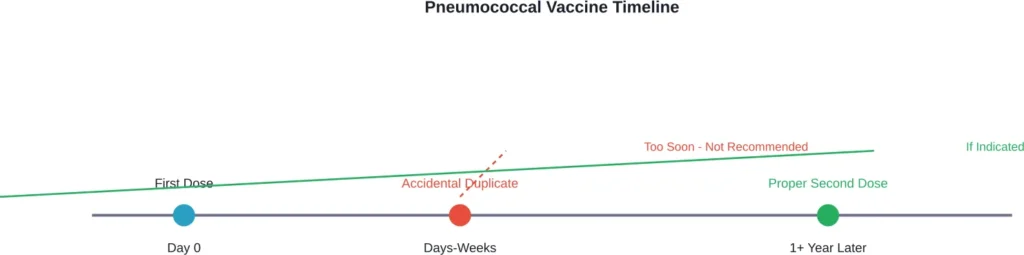
- One dose of PCV15 followed by PPSV23 one year later
Getting duplicate doses within a short timeframe (days or weeks) doesn’t provide additional protection. The body has already mounted an immune response to the first dose. A second dose given too soon is essentially redundant.
Special Populations and Dose Spacing
Some individuals at higher risk for pneumococcal disease may legitimately need multiple doses with proper spacing. The CDC identifies several populations at increased risk, including those with:
- Chronic heart, lung, or liver disease
- Diabetes
- Weakened immune systems
- Cochlear implants
- Cerebrospinal fluid leaks
For these groups, specific vaccine schedules apply. However, even in high-risk populations, doses should follow CDC-recommended intervals—not be given simultaneously or within days of each other.
What to Do If You’ve Received a Duplicate Dose
Discovered you’ve had the pneumonia vaccine twice in a short period? Don’t panic.
First, contact the healthcare provider who administered the vaccine. Report the duplicate dose so they can document it in medical records. This prevents further confusion down the line.
Second, monitor for side effects. Watch for the standard vaccine reactions listed earlier. Most resolve within a few days without treatment.
Third, ask whether the duplicate affects future vaccination schedules. In most cases, the answer is no—just continue with recommended vaccines at appropriate intervals.
If serious symptoms develop (difficulty breathing, rapid heartbeat, dizziness, severe allergic reactions), seek immediate medical attention. These symptoms are rare but warrant urgent evaluation regardless of whether they’re related to vaccination.
The Broader Context of Vaccine Coadministration
Worth noting: getting multiple different vaccines at the same time is a completely different scenario from duplicate doses of the same vaccine.
Vaccine coadministration—receiving several different vaccines during the same visit—is safe, effective, and widely recommended. Research confirms that administering multiple vaccines simultaneously doesn’t compromise immune response or increase serious adverse events.
The CDC’s V-SAFE surveillance system found that coadministration was associated with increased reports of mild systemic reactions (fatigue, headache) compared to single vaccines, but these were temporary and not medically concerning.
So getting your flu shot, COVID-19 vaccine, and pneumococcal vaccine at the same appointment? Perfectly fine. Getting the same pneumococcal vaccine twice within two weeks? Not recommended, but rarely harmful.
Understanding Vaccine Formulations and Coverage
The pneumococcal vaccine landscape changed significantly in recent years. PCV20 and PCV15 replaced the older PCV13 vaccine for adults.
One interesting consideration: PCV21 doesn’t contain certain pneumococcal serotypes (e.g., serotype 4) included in other pneumococcal vaccines. In certain Western U.S. populations—including Alaska, Colorado, New Mexico, Navajo Nation, and Oregon—serotype 4 has caused high rates of disease.
This matters because which vaccine formulation someone receives affects coverage. However, it doesn’t change the safety profile of duplicate doses.
| Vaccine Type | Serotypes Covered | Typical Use |
|---|---|---|
| PCV20 | 20 pneumococcal serotypes | Adults 50+ (single dose) |
| PCV15 | 15 pneumococcal serotypes | Adults 50+ (followed by PPSV23) |
| PPSV23 | 23 pneumococcal serotypes | Follow-up to PCV15 or high-risk adults |
| PCV13 | 13 pneumococcal serotypes | Previously used (now replaced) |
Medical Records and Prevention Strategies
The best approach to preventing duplicate vaccination is maintaining accurate immunization records.
Many states participate in immunization information systems (IIS) that track vaccine administration across healthcare providers. These systems help prevent duplicates by giving providers access to vaccination history even if the patient switched clinics.
Patients can also keep personal immunization records. The CDC offers a free app called PneumoRecs VaxAdvisor that helps healthcare providers quickly interpret pneumococcal vaccine recommendations for individual patients.
When visiting a new healthcare provider, bring documentation of previous vaccinations. This simple step prevents most accidental duplicate doses.
Frequently Asked Questions
According to VAERS data analyzing thousands of excess vaccine doses, serious adverse events are rare, occurring in only 3.1% of cases. Most people experience either no symptoms or mild side effects similar to a single dose. While unnecessary, duplicate doses rarely cause serious medical problems.
For adults following the PCV15 plus PPSV23 schedule, the CDC recommends waiting at least one year between doses. Most healthy adults aged 50 or older need only a single dose of PCV20 and no follow-up shot. Specific timing depends on individual risk factors and which vaccine is used.
Contact your healthcare provider to document the duplicate dose in your medical records. Monitor for standard vaccine side effects like injection site pain, mild fever, or fatigue. These typically resolve within a few days. Seek medical attention only if severe symptoms develop, such as difficulty breathing or signs of allergic reaction.
No. A second dose given within days or weeks of the first doesn’t enhance immunity. The immune system has already responded to the initial dose, making the duplicate redundant rather than beneficial. Properly spaced doses given according to CDC recommendations provide appropriate protection.
The recommended schedule for some adults involves receiving two different pneumococcal vaccines: PCV15 followed by PPSV23 one year later. However, receiving two doses of the same vaccine type within a short timeframe is not recommended. Always follow CDC guidelines for specific vaccine sequences and spacing.
The safety profile is similar across age groups. VAERS data included patients ranging from newborns to 98 years old, with comparable safety outcomes. Children receive pneumococcal vaccines as part of routine immunization, while adults aged 50 or older need vaccination based on current CDC recommendations.
Maintain accurate immunization records and share them with all healthcare providers. Many states use immunization information systems that track vaccines across different clinics. Consider using CDC resources like the PneumoRecs VaxAdvisor app. Always inform providers about recent vaccinations, especially when switching doctors or using urgent care facilities.
Final Thoughts
Getting the pneumonia vaccine twice isn’t ideal, but it’s also not the medical crisis many people fear. The safety data is reassuring—serious complications are uncommon, and most people experience minimal or no side effects from duplicate doses.
The real issue isn’t danger but efficiency. Extra doses don’t provide extra protection, just unnecessary discomfort and wasted resources. Proper record-keeping prevents most accidental duplicates.
If it’s already happened, document it with your provider, monitor for standard vaccine reactions, and move forward with confidence. The pneumococcal vaccines remain among the safest and most effective tools for preventing serious bacterial infections, whether someone receives one dose or accidentally gets two.
When in doubt about vaccination history or appropriate timing, consult a healthcare provider familiar with current CDC recommendations. Pneumococcal disease prevention matters—and staying properly vaccinated, without unnecessary duplicates, is the goal.