

Quick Summary: When you hold in a fart, the gas doesn’t just disappear. Most of it gets reabsorbed into your bloodstream, travels to your lungs, and exits when you exhale. Some gas may escape later, and chronic holding can lead to bloating, discomfort, and abdominal pain, though it rarely causes serious health problems.
We’ve all been there. Stuck in a meeting, on a first date, or in an elevator when nature calls in the most inconvenient way possible. The social awkwardness of passing gas means most people instinctively hold it in.
But what actually happens to that trapped gas? Does it just vanish into thin air, or does your body process it somehow?
The answer is more complex than you’d think, and understanding the science can help you make better decisions about your digestive health.
What Is a Fart, Anyway?
Flatulence—the medical term for passing gas—is a completely normal bodily function. According to research from the National Institute of Diabetes and Digestive and Kidney Diseases (NIDDK), gas enters your digestive tract when you swallow air and when bacteria in your large intestine break down carbohydrates.
Here’s the thing though: not everyone produces the same amount of gas. Men pass gas on average about 13 times per day, while women pass gas about seven times. The gas passed per rectum is 99 percent odorless, and swallowed air accounts for most of the gas in the intestines.
The remaining 1 percent? That’s what creates the notorious smell, thanks to sulfur-containing compounds produced by gut bacteria.
Where Does the Gas Go When You Hold It In?
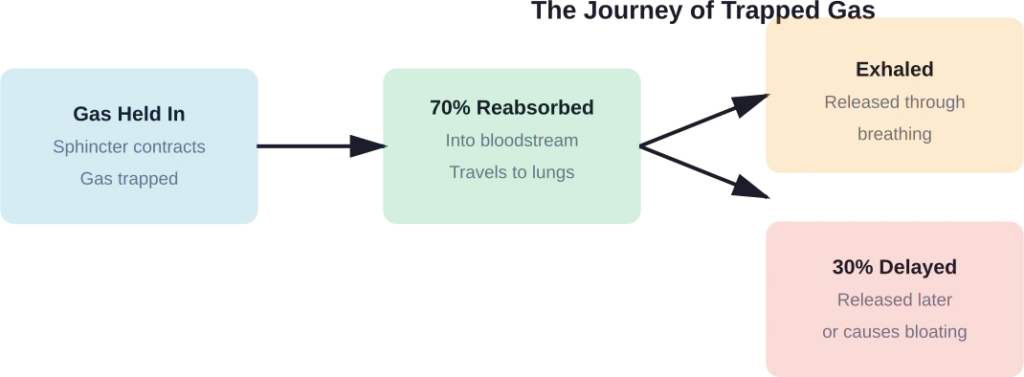
When you consciously tighten your sphincter muscles to prevent gas from escaping, you’re not actually stopping the gas from going somewhere. Your body has backup plans.
The Reabsorption Process
Most of the trapped gas gets reabsorbed into your bloodstream through the intestinal walls. Once in your circulatory system, it travels to your lungs and eventually exits your body when you exhale.
Sound weird? It’s actually a normal physiological process that happens constantly in your body.
The Delayed Release
Some gas doesn’t get reabsorbed. Instead, it stays in your digestive tract and waits for a more opportune moment to escape. This can happen during sleep, when your sphincter muscles naturally relax, or later when you’re in a more private setting.
Basically, holding in gas is just delaying the inevitable.
Can Holding in a Fart Make It Come Out of Your Mouth?
This is one of the most searched questions about flatulence, and it’s based on a misunderstanding of anatomy.
No, a fart cannot travel backward through your digestive system and exit through your mouth. Your digestive tract has multiple sphincters and valves that prevent this kind of backward flow. Gas reabsorbed into your bloodstream does eventually exit through your lungs when you breathe, but this doesn’t mean you’re “breathing out farts.”
The gas molecules that reach your lungs are so diluted in your bloodstream that they’re odorless and completely undetectable.
Is Holding in Farts Bad for Your Health?
Holding in gas once in a while isn’t going to cause serious health problems. But making it a habit? That’s where things get uncomfortable.
Short-Term Effects
When you regularly hold in gas, you’re likely to experience bloating and abdominal discomfort. Research published in Gut medical journal indicates that gas retention can cause distension and pain, particularly in people who already have sensitive digestive systems.
The pressure from trapped gas can lead to cramping and a feeling of fullness that makes it hard to focus on anything else.
Chronic Holding and Digestive Issues
People who habitually suppress flatulence may develop more severe bloating. According to studies on functional gastrointestinal disorders in PMC research archives, bloating is one of the most common complaints in patients with irritable bowel syndrome (IBS), affecting up to 80 percent of patients with constipation.
While holding in gas doesn’t directly cause IBS, it can worsen existing symptoms in people with sensitive digestive tracts.
| Effect | Severity | Duration |
|---|---|---|
| Mild bloating | Low | Hours |
| Abdominal discomfort | Moderate | Several hours |
| Cramping and pain | Moderate to High | Hours to days |
| Worsened IBS symptoms | High (for IBS patients) | Variable |
What Actually Causes Excess Gas?
Understanding why you’re producing gas in the first place is often more important than worrying about holding it in.
According to the NIDDK, common causes of gas include swallowing air while eating or drinking, consuming high-fiber foods, and eating foods that your body struggles to digest. Lactose intolerance, fructose sensitivity, and certain medical conditions can also increase gas production.
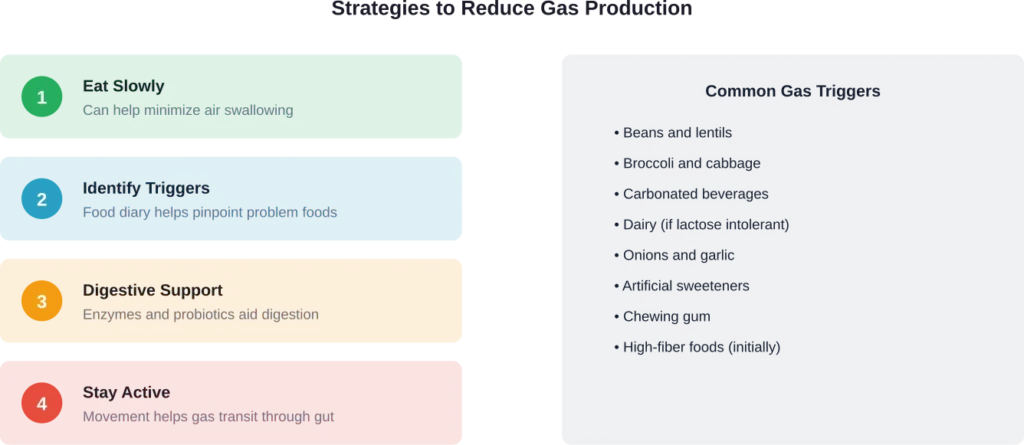
Foods notorious for causing gas include beans, lentils, broccoli, cabbage, onions, carbonated drinks, and dairy products in lactose-intolerant individuals.
When Should You See a Doctor About Gas?
Most gas is normal and harmless. But sometimes excessive flatulence signals an underlying health issue.
Seek medical attention if you experience persistent bloating that doesn’t resolve, severe abdominal pain, unexplained weight loss, blood in your stool, or dramatic changes in bowel habits. These symptoms could indicate conditions like inflammatory bowel disease, celiac disease, or other gastrointestinal disorders.
The CDC notes that gastrointestinal symptoms including abdominal pain, gas, diarrhea, and constipation can be associated with various digestive disorders that require proper diagnosis and treatment.
How to Reduce Gas Naturally
Rather than focusing on holding in gas, try reducing how much your body produces in the first place.
Eat slowly to minimize air swallowing. Chewing with your mouth closed and avoiding talking while eating can significantly reduce the amount of air that enters your digestive system.
Identify trigger foods through an elimination diet. Keep a food diary and note which foods seem to cause the most gas, then temporarily remove them to see if symptoms improve.
Consider digestive enzymes or probiotics. Some people find relief using over-the-counter products that help break down hard-to-digest carbohydrates.
Stay physically active. Regular movement helps gas move through your digestive system more efficiently, reducing buildup and discomfort.
The Bottom Line on Holding It In
Holding in a fart occasionally won’t harm you. The gas will either be reabsorbed into your bloodstream and exhaled, or it’ll escape later when your muscles relax.
But making a habit of suppressing flatulence can lead to uncomfortable bloating, abdominal pain, and digestive discomfort. For people with existing gastrointestinal conditions, chronic gas retention may worsen symptoms.
The healthiest approach? Find an appropriate time and place to release gas naturally. If excessive flatulence is affecting your quality of life, focus on identifying and eliminating trigger foods rather than holding in the inevitable.
Your body produces gas as a natural byproduct of digestion. Fighting against this normal process only creates unnecessary discomfort.
Frequently Asked Questions
No. Gas cannot travel backward through your digestive system to exit through your mouth. When gas is held in, it gets reabsorbed into your bloodstream and eventually exits through your lungs when you breathe, but in such diluted concentrations that it’s completely odorless and undetectable.
Gas held in during the day will typically escape during sleep when your sphincter muscles naturally relax. Some of the gas may also be reabsorbed into your bloodstream and exhaled. Many people pass gas during sleep without realizing it.
Complete inability to pass gas can indicate a serious medical condition like bowel obstruction and requires immediate medical attention. However, consciously holding in gas occasionally isn’t dangerous—just uncomfortable.
Men pass gas on average about 13 times per day, while women average about seven times. However, normal ranges vary widely from person to person.
Yes. When gas isn’t released, it remains trapped in your intestines, causing distension and bloating. This creates the uncomfortable feeling of fullness and pressure in your abdomen. Releasing gas naturally is the most effective way to relieve this sensation.
Absolutely. Trapped gas can cause significant abdominal cramping and pain, particularly in people with sensitive digestive systems or conditions like IBS. The pressure from accumulated gas stretches the intestinal walls, which triggers pain receptors.
Consult a healthcare provider if you experience persistent severe bloating, unexplained weight loss, blood in stool, dramatic changes in bowel habits, or severe abdominal pain. These symptoms may indicate underlying digestive disorders that need professional diagnosis and treatment.