
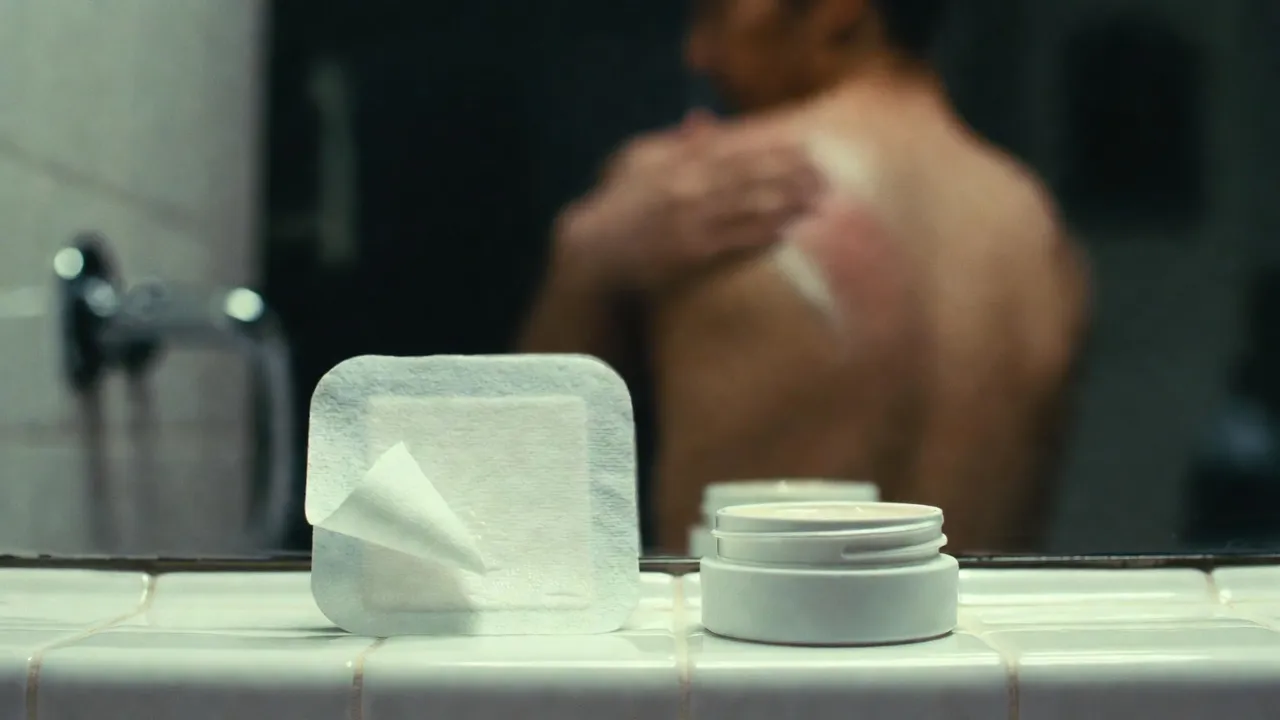
Quick Summary: Leaving Salonpas on too long can cause skin irritation, contact dermatitis, redness, itching, and in rare cases allergic reactions. Most Salonpas patches should be worn for 8-12 hours maximum and removed to allow skin recovery. Extended use increases the risk of side effects from active ingredients like methyl salicylate and lidocaine.
Pain relief patches like Salonpas offer targeted relief without the need for oral medications. But what happens when convenience turns into carelessness? Leaving these patches on longer than recommended can trigger a cascade of skin reactions that range from mild irritation to serious dermatitis.
Understanding the risks isn’t just about following instructions. It’s about protecting your skin while managing pain effectively.
How Long Should You Actually Wear Salonpas?
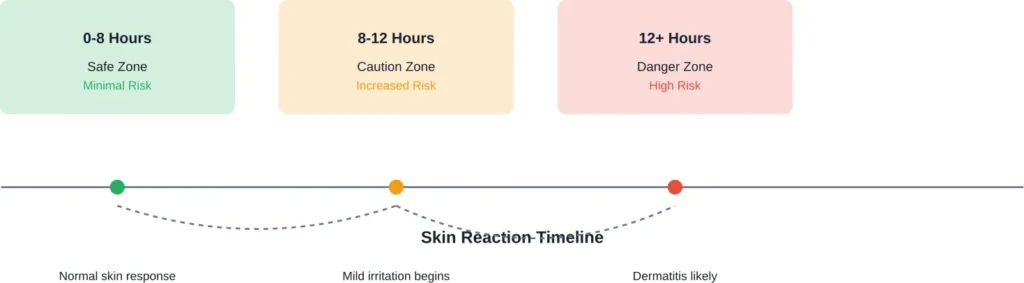
The recommended wear time varies depending on which Salonpas product you’re using. For most Salonpas Pain Relief Patches, the guidance is clear: wear for up to 8 hours, then remove.
According to Kaiser Permanente guidelines, lidocaine patches may be left on the skin for up to 8 or 12 hours depending on the specific formulation. The key phrase? “Up to.” That’s a maximum, not a target.
Here’s the thing though—many people treat these patches like background noise. They apply one in the morning and forget it’s there until bedtime. Or worse, they sleep with it on and wear it well into the next day.
The 12-Hour Rule
Medical guidance from MedlinePlus emphasizes that prescription lidocaine patches should never be worn for more than 12 hours per day (following a 12 hours on, 12 hours off schedule). While over-the-counter Salonpas products typically contain lower concentrations of active ingredients, the principle remains the same.
Your skin needs recovery time. Continuous exposure to topical analgesics prevents the skin barrier from restoring itself, setting the stage for adverse reactions.
What Actually Happens to Your Skin
When a transdermal patch stays on too long, several things happen beneath that adhesive layer. None of them are good.
The immediate effect is moisture buildup. Your skin can’t breathe properly under occlusive patches, creating a warm, damp environment that weakens the skin barrier. This makes the skin more permeable—not just to the medication you want, but also to potential irritants.
Contact Dermatitis: The Most Common Problem
Research published in the NIH’s StatPearls database confirms that contact dermatitis is an inflammatory eczematous skin disease caused by chemicals that either exert toxic effects (irritant contact dermatitis) or trigger immune responses (allergic contact dermatitis).
According to PMC research on transdermal therapeutic systems, reactions to such patches are mostly irritative rather than allergic. But here’s where timing matters: primary sensitization to patch components results in manifestations seven to 10 days after exposure, while patients with previous sensitization experience symptoms within a much shorter timeframe.
The distinction matters because irritant contact dermatitis develops from prolonged exposure to the active ingredients and adhesive components. The longer the patch stays on, the more likely irritation becomes.
Common Side Effects From Extended Wear
What does overuse actually look like? The symptoms aren’t subtle.
According to data on Salonpas Gel-Patch (capsaicin) side effects, application site erythema (redness) is very common (63%), while application site pain is very common (42%). These percentages represent typical use—extended wear amplifies these risks considerably.
| Side Effect | Frequency | Severity with Extended Wear |
|---|---|---|
| Application site erythema | Very common (63%) | Increases significantly |
| Application site pain | Very common (42%) | Intensifies |
| Application site pruritus | Common (1-10%) | More severe itching |
| Application site edema | Common (1-10%) | Pronounced swelling |
| Application site papules | Common (1-10%) | Blistering possible |
Some user discussions indicate that skin reactions may not be immediately connected to patch overuse. They assume redness and itching are normal responses to the medication, not warning signs of excessive exposure.
When Irritation Becomes Dermatitis
Mild irritation—slight redness that fades within an hour or two after removal—falls within normal parameters. But when that redness persists for hours or days, or when it’s accompanied by blistering, oozing, or severe itching, contact dermatitis has likely developed.
The NIH research on contact dermatitis and medical adhesives notes that the time frame for reactions depends on previous sensitization. First-time reactions typically manifest seven to 10 days after exposure, but repeated overuse can accelerate this timeline dramatically.
The Active Ingredient Factor
Salonpas products contain different active ingredients depending on the formulation. The most common are methyl salicylate, menthol, camphor, lidocaine, and capsaicin. Each carries its own risk profile when exposure extends beyond recommended durations.
Methyl Salicylate Concerns
Methyl salicylate, found in many Salonpas Pain Relief Patches, belongs to the NSAID family. While topical application bypasses many of the gastrointestinal risks associated with oral NSAIDs, prolonged skin contact increases absorption rates.
Official Salonpas guidance warns against using patches from pouches that have been open for 14 or more days.
Lidocaine and Systemic Absorption
For Salonpas products containing 4% lidocaine, the risks escalate with extended wear. According to Poison Control data, misuse or overuse of topical lidocaine can cause serious problems. While the report doesn’t specify exact timeframes, it documents cases where extended exposure led to dizziness and nausea—signs of systemic absorption.
According to MedlinePlus, prescription lidocaine patches should never be worn for more than 12 hours per day (following a 12 hours on, 12 hours off schedule). The instruction isn’t arbitrary—it’s based on absorption kinetics and toxicity thresholds.
Special Risk Situations
Certain conditions amplify the risks of leaving Salonpas patches on too long. Damaged skin, for instance, allows dramatically increased absorption of active ingredients.
The Salonpas official FAQ specifically warns against using patches on wounds or damaged skin. A compromised skin barrier can’t regulate medication absorption effectively, leading to both local irritation and potentially dangerous systemic levels of active ingredients.
Heat and Moisture
Using patches during exercise or in hot environments creates additional problems. Official guidance warns against wearing patches when sweating, and with good reason.
Heat increases blood flow to the skin, enhancing medication absorption. Moisture from sweat further compromises the skin barrier while making the adhesive more occlusive. This combination can turn an 8-hour safe wear into a dermatological disaster in half that time.
Similarly, never combine Salonpas with heating pads. The temperature elevation doesn’t just increase comfort—it accelerates medication delivery to potentially unsafe levels.
What to Do If You’ve Worn It Too Long
So you forgot about the patch and it’s been 18 hours. Now what?
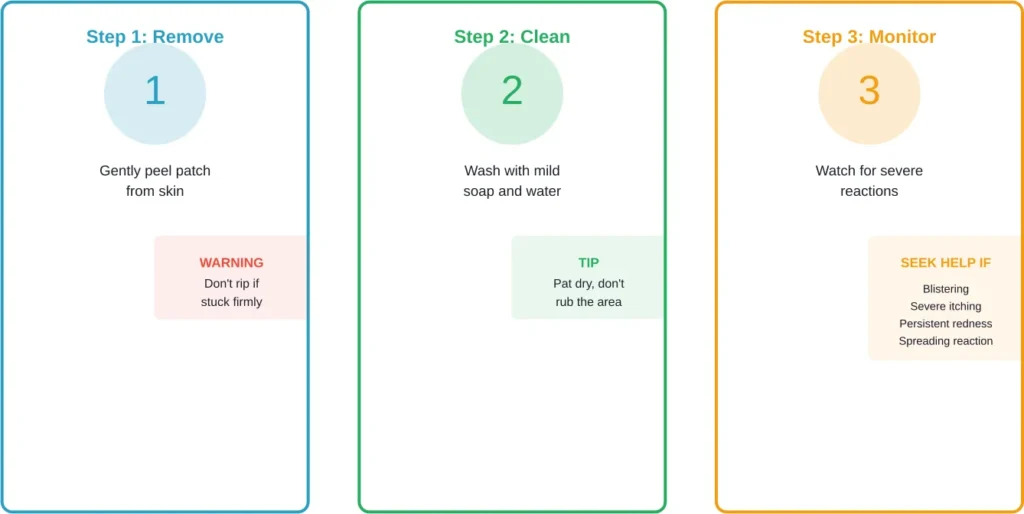
First, remove it immediately. Gently peel from one edge, supporting the skin with your other hand to minimize trauma. If the adhesive is particularly stubborn, don’t rip it off—dampen the edges with warm water first.
Clean the area with mild soap and water. Pat dry—don’t rub. Rubbing irritated skin only makes inflammation worse.
Look for these warning signs:
• Redness that doesn’t fade within 2-3 hours
• Blistering or oozing
• Severe itching or burning
• Swelling beyond the patch area
• Skin that feels hot to the touch
If redness is mild and fades within a few hours, minor irritation has likely occurred. Apply a gentle moisturizer and give that area a break from patches for at least 24-48 hours.
But if symptoms are severe or persistent, contact a healthcare provider. According to NIH guidance, some forms of contact dermatitis require prescription treatments including topical corticosteroids.
Prevention: Smart Patch Usage
The best treatment for patch-related dermatitis is prevention. These strategies minimize risk while maintaining effective pain relief.
Recommended practice includes setting a timer when applying patches. Phone alarms work. So do medication reminder apps. The goal is to remove the patch before extended wear occurs.
Rotate application sites. Don’t put a fresh patch on the exact same spot where yesterday’s patch was. Give that skin area 24 hours to fully recover. This simple practice dramatically reduces cumulative irritation.
Check the pouch date. That 14-day warning on Salonpas packaging isn’t a suggestion. Chemical changes in opened patches can alter how they interact with skin.
Know When to Skip the Patch
Some situations call for alternative pain management. If skin shows any irritation from previous patch use, wait until it’s completely healed. If the area is sunburned, scratched, or otherwise compromised, oral pain relievers are a better choice.
And if planning activities that involve sweating or swimming, either skip the patch or plan timing so removal happens before the activity begins.
Frequently Asked Questions
Generally speaking, this depends on total wear time. If applying the patch at bedtime and removing it upon waking keeps total wear under 8-12 hours (depending on the product), it’s typically acceptable. But falling asleep with a patch that’s already been on for several hours can push into the danger zone. Set an alarm to ensure timely removal.
Irritant contact dermatitis results from the toxic effects of prolonged exposure to patch ingredients and typically affects anyone who wears the patch too long. Allergic contact dermatitis involves an immune system response to specific ingredients and only affects sensitized individuals. According to PMC research, patch reactions are mostly irritative rather than allergic.
No. Applying lotions, creams, or oils before patch application alters medication absorption and can increase skin irritation. MedlinePlus guidance on nitroglycerin patches notes that lotion may be applied if skin becomes dry, but this refers to areas not currently under a patch. Wait until after patch removal and skin cleaning to moisturize.
Medical guidance for prescription lidocaine patches recommends 12 hours off for every 12 hours on. While over-the-counter Salonpas products may have different requirements, allowing at least 8-12 hours of patch-free recovery time is advisable. This gives the skin barrier time to restore itself and reduces cumulative irritation risk.
Absolutely. People with sensitive skin, eczema, psoriasis, or a history of contact dermatitis face higher risks. Those taking multiple medications (which can alter skin sensitivity), individuals with compromised immune systems, and elderly patients with fragile skin should be especially cautious about wear duration.
No. Salonpas official guidance explicitly warns against use if allergic to aspirin or other NSAIDs, as methyl salicylate is chemically related to aspirin. An allergic reaction combined with extended wear could trigger severe dermatological and systemic responses.
Not necessarily. Salonpas Pain Relief Patch LARGE provides effectiveness that lasts for the recommended wear period. Removing it at the 8-hour mark doesn’t mean only 8 hours of relief were received—the medication continues working in the tissue even after patch removal. The goal is sustained relief, not continuous dosing.
The Bottom Line on Safe Salonpas Use
Pain relief patches work remarkably well when used correctly. The problem isn’t the technology or the medication—it’s the tendency to treat them as “set it and forget it” solutions.
Leaving Salonpas on too long transforms a safe, effective pain management tool into a source of additional discomfort. Skin irritation, contact dermatitis, and systemic absorption risks all increase with excessive wear time.
Recommended practice includes adhering to the 8-12 hour maximum, using reminders, rotating application sites, and allowing skin recovery time between applications.
Pain management requires balance between effective relief and avoiding new problems. Respecting recommended wear times is essential to achieve that balance. If current pain relief strategies aren’t providing adequate coverage within safe usage parameters, it’s time to consult a healthcare provider about alternative approaches rather than extending patch wear into dangerous territory.