

Quick Summary: Taking too much acetaminophen can cause severe liver damage and potentially fatal acute liver failure. Overdose occurs when someone exceeds 4,000 mg daily or takes multiple acetaminophen-containing products simultaneously. Early symptoms include nausea and vomiting, progressing to jaundice and mental confusion if untreated.
Acetaminophen seems harmless. It’s available without a prescription, sits in medicine cabinets across America, and most people use it without a second thought.
But here’s the thing—acetaminophen is actually one of the most dangerous over-the-counter medications when misused. According to the FDA, more than 600 medications contain acetaminophen, making accidental overdose surprisingly common.
And the consequences? They’re severe. According to research published by the NIH, acetaminophen overdose is the leading cause of acute liver failure in the United States, accounting for nearly half of all cases between 1998 and 2013.
Why Acetaminophen Overdose Happens So Easily
Most people don’t set out to overdose on acetaminophen. The problem starts with its widespread availability and hidden presence in countless products.
Many don’t realize they’re taking acetaminophen at all because it appears in combination cold medicines, flu remedies, sleep aids, and prescription painkillers like Vicodin and Darvocet.
According to StatPearls data updated in 2026, a striking 50% of acetaminophen overdose cases result from unintentional overdoses. Someone takes a cold medicine containing acetaminophen, then adds a pain reliever for a headache, then maybe a nighttime sleep aid—all containing the same ingredient.
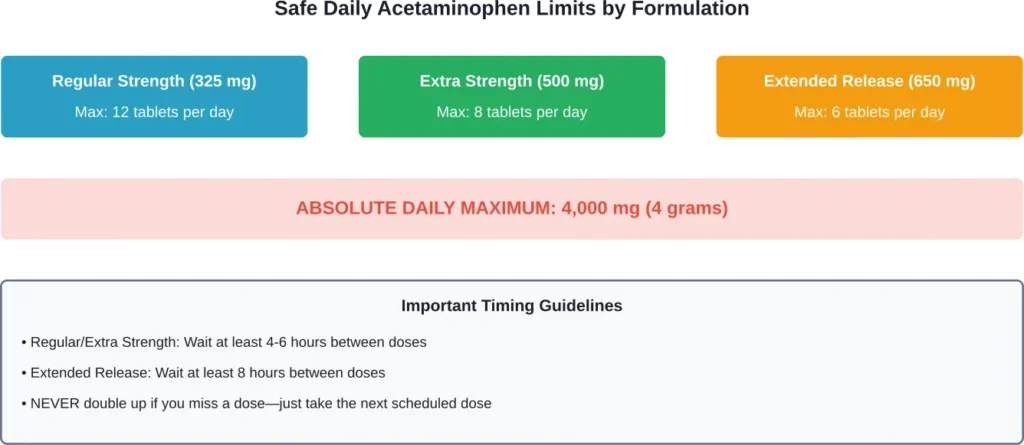
Real talk: The maximum safe dose for healthy adults is 4,000 milligrams per day. That sounds like a lot until you realize that two extra-strength tablets contain 1,000 mg. Take that dose four times in 24 hours and you’re already at the limit.
What Actually Happens Inside Your Body
When acetaminophen enters the body, most of it gets processed safely through the liver. But approximately 5-9% gets metabolized by cytochrome P450 enzymes into a toxic compound called NAPQI.
Normally, this toxic metabolite gets neutralized quickly. The problem starts when you overwhelm the system.
According to research published in the Journal of Clinical and Translational Research, when too much acetaminophen floods the liver, NAPQI accumulates faster than the body can detoxify it. This reactive compound binds to liver proteins and triggers a cascade of cellular damage.
Mitochondrial oxidative stress kicks in. Liver cells start dying. And if enough damage occurs, acute liver failure follows—which can be fatal.
The Dangerous Numbers Behind Acetaminophen Toxicity
According to StatPearls clinical data citing the U.S. Acute Liver Failure Study Group, acetaminophen is responsible for 56,000 emergency department visits and 2,600 hospitalizations, with approximately 500 deaths annually.
That makes it responsible for more pharmaceutical overdoses than any other medication in the United States.
Research analyzing outcomes between 1998 and 2013 found that acetaminophen-related hepatotoxicity accounted for almost half of all acute liver failure cases during that entire 16-year period.
But wait. Those numbers include both intentional and accidental overdoses. The accidental cases tell a more unsettling story.
According to NIH research published in Critical Care, accidental overdose victims are often older (average age 35 versus 27 for intentional overdoses) and many are simply trying to manage pain or cold symptoms.
Who’s Actually at Higher Risk
Not everyone responds to acetaminophen the same way. Certain factors dramatically increase overdose risk.
According to the FDA, people with existing liver disease face significantly higher danger. The agency explicitly warns that severe liver damage may occur in people who consume three or more alcoholic drinks per day while using acetaminophen.
Children represent another high-risk group. According to Mayo Clinic guidance, dosing errors in pediatric patients happen frequently because concentrations vary between infant and children’s formulations.
Chronic pain patients who take acetaminophen daily also face cumulative risk. While therapeutic doses under 4,000 mg daily are generally considered safe for short-term use, research published in LiverTox indicates that chronic therapy with 4 grams per day can cause liver enzyme elevations.
| Risk Factor | Why It Increases Danger | Recommended Action |
|---|---|---|
| Liver disease | Reduced ability to process acetaminophen | Consult healthcare provider before use |
| Regular alcohol consumption | Depletes protective compounds in liver | Avoid acetaminophen or use minimal doses |
| Fasting or malnutrition | Lower antioxidant reserves to neutralize toxins | Take with food, use lower doses |
| Taking multiple medications | Hidden acetaminophen in combination products | Read all medication labels carefully |
| Chronic daily use | Cumulative stress on liver function | Use lowest effective dose, regular monitoring |
Treatment Options When Overdose Occurs
The antidote for acetaminophen overdose is N-acetylcysteine (NAC). According to StatPearls clinical data, patients whose serum acetaminophen concentrations exceed the treatment threshold require this medication.
NAC works by replenishing glutathione stores—the natural compound that normally neutralizes the toxic NAPQI metabolite. When administered early, it dramatically improves outcomes.
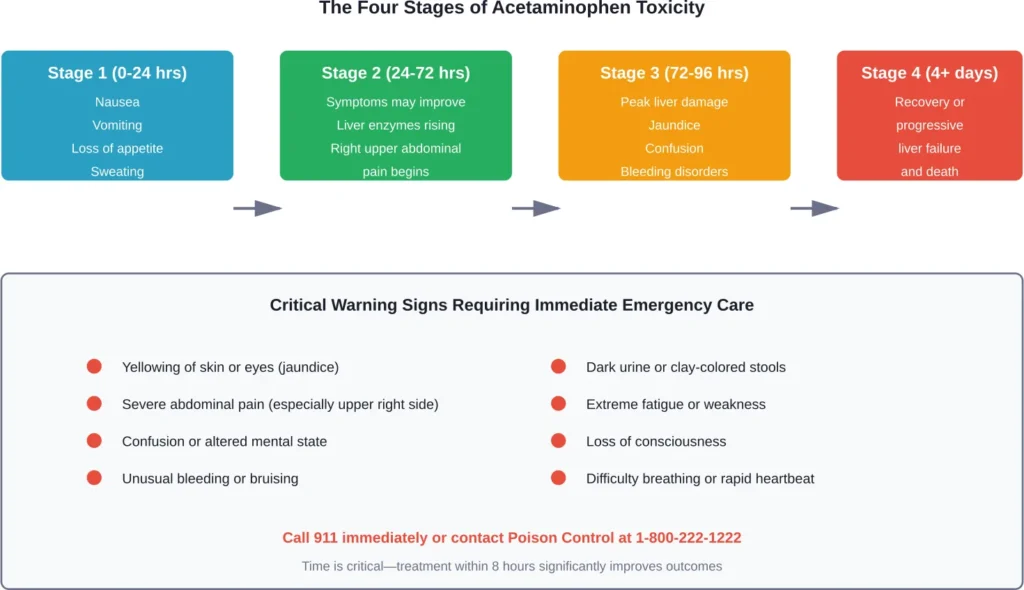
Timing matters enormously. Treatment within eight hours of ingestion offers the best chance of preventing liver damage. After 24 hours, effectiveness drops significantly.
According to Poison Control case reports, some patients require liver transplantation. One documented case involved a patient who developed severe hepatotoxicity and was placed on the transplant list less than 36 hours after presentation—though the patient died before a donor organ became available.
Another case involved a pregnant woman who required emergency liver transplantation 72 hours after arriving at the emergency room. While she survived the surgery, her fetus developed complications four days later.
How to Prevent Accidental Overdose
Prevention starts with awareness. The FDA emphasizes reading labels on every medication before taking it.
Look for acetaminophen listed as an active ingredient. Check for abbreviations too—APAP, Acetaminoph, Acetaminop, Acetamin, and Acetam all indicate acetaminophen presence on prescription labels.
Never combine multiple products containing acetaminophen. That cold medicine, pain reliever, and sleep aid might all contain the same ingredient.
Stick to recommended doses. For adults weighing at least 150 pounds, Harvard Health Publishing confirms the maximum is 4,000 mg daily—but notes that taking the maximum dose for extended periods can cause serious liver damage even in healthy people.
According to Poison Control recommendations, these specific precautions reduce risk:
- Take only the amount recommended on the label
- Never take more than one acetaminophen-containing product simultaneously
- Set reminders to avoid accidental repeat dosing
- Store medications in original containers with dosing information
- Consult a healthcare provider before exceeding recommended doses or duration
When to Contact Emergency Services
If overdose is suspected, don’t wait for symptoms to appear. Contact Poison Control immediately at 1-800-222-1222 or use their online tool at Poisonhelp.org.
Both options provide free, expert, confidential guidance 24 hours a day.
According to MedlinePlus guidance, seek emergency medical attention if the person collapses, has a seizure, has trouble breathing, or can’t be awakened. In those cases, call 911 immediately.
Even without severe symptoms, anyone who has taken more than 4,000 mg in 24 hours or more than the recommended dose for their weight should seek medical evaluation.
Bring the medication container to the emergency room. Healthcare providers need to know exactly what formulation was taken and how much.
Frequently Asked Questions
The maximum safe dose for healthy adults is 4,000 mg (4 grams) per 24 hours according to FDA guidelines. For most adults, serious hepatotoxicity risk begins when single doses exceed 7.5-10 grams, though individual tolerance varies. Chronic daily use at maximum doses also poses cumulative liver stress.
Initial symptoms within the first 24 hours typically include nausea, vomiting, loss of appetite, sweating, and general malaise. These early symptoms often improve temporarily during hours 24-72, creating a false sense of recovery while liver damage progresses. Jaundice, confusion, and abdominal pain appear in later stages as liver failure develops.
Yes, especially with prompt treatment. N-acetylcysteine (NAC) administered within 8 hours of ingestion significantly improves survival rates. According to NIH research, outcomes depend heavily on timing—early intervention prevents most serious liver damage. However, delayed treatment can result in acute liver failure requiring transplantation, and approximately 500 deaths occur annually from acetaminophen-related liver failure in the United States.
While acetaminophen primarily affects the liver, severe overdoses can cause acute kidney failure. Poison Control case reports document patients requiring hemodialysis following acetaminophen poisoning. The kidney damage typically occurs secondary to the liver failure and overall toxic metabolite burden, though direct renal toxicity is also possible in massive overdoses.
Acetaminophen has a half-life of approximately 2-3 hours in healthy adults. Most of the drug gets eliminated within 24 hours through normal metabolism and excretion. However, toxic metabolites can persist longer and continue damaging liver tissue even after the parent drug clears, which is why symptoms may worsen 24-72 hours after ingestion despite falling blood levels.
Short-term daily use at recommended doses is generally safe for most people. However, LiverTox data indicates chronic therapy with 4 grams daily can cause transient liver enzyme elevations even at therapeutic levels. Long-term daily users should consult healthcare providers, use the lowest effective dose, and avoid alcohol consumption. People with liver disease should get medical clearance before any regular use.
According to the FDA, more than 600 medications contain acetaminophen. Common examples include combination cold and flu remedies like Nyquil, prescription painkillers like Vicodin and Darvocet, sleep aids like Tylenol-PM, and many sinus medications. Always read the active ingredients list on every medication—look for acetaminophen, APAP, or related abbreviations on the label.
The Bottom Line on Acetaminophen Safety
Acetaminophen remains one of the most widely used medications in America—more than 25 billion doses are sold yearly according to LiverTox data. It’s effective, accessible, and safe when used correctly.
But the margin between therapeutic and toxic doses is narrower than most people realize. The difference between relief and organ failure can be just a few extra pills.
Understanding what happens when you take too much acetaminophen isn’t about creating fear. It’s about preventing the 56,000 emergency room visits and hundreds of deaths that occur each year from a medication most people consider harmless.
Read labels. Track your doses. Never combine multiple acetaminophen products. And if you suspect an overdose, contact Poison Control at 1-800-222-1222 immediately—don’t wait for symptoms to develop.
Your liver will thank you.