

Quick Summary: Finding a cheap web design company doesn’t mean sacrificing quality. This guide profiles 15 affordable agencies that deliver professional, conversion-focused websites for small businesses, startups, and growing companies—helping you make an informed choice without breaking the bank.
The web design market has transformed dramatically. What used to require enterprise-level budgets can now be accomplished at a fraction of the cost—if founders and business owners know where to look.
But here’s the thing: cheap doesn’t automatically mean good. And expensive doesn’t guarantee results.
The real challenge isn’t just finding an affordable web design company. It’s identifying one that balances cost with competence, speed with strategy, and templates with customization. Plenty of agencies claim to offer budget-friendly design, yet few deliver sites that actually convert visitors into customers.
That’s where this guide comes in. After analyzing dozens of web design agencies, comparing portfolios, examining client feedback, and evaluating service offerings, 15 companies stood out as genuinely affordable options that don’t compromise on quality.
This isn’t about the cheapest possible option. It’s about the best value—agencies that deliver professional, responsive, and strategically designed websites for businesses that can’t justify six-figure budgets.
What Makes a Web Design Company “Cheap” Without Being Low Quality?
Price alone tells an incomplete story.
A cheap web design company can deliver exceptional value when it optimizes operations, specializes in specific platforms, or serves a defined market segment. These agencies reduce costs through efficiency, not by cutting corners on design or functionality.
Several factors enable affordable agencies to maintain quality while keeping costs down:
Specialized platform expertise reduces development time. Agencies that focus exclusively on WordPress, Webflow, or Shopify build faster because designers know those systems inside-out. Less time troubleshooting means lower costs passed to clients.
Template-based starting points accelerate timelines. Rather than building every element from scratch, efficient agencies begin with proven frameworks and customize strategically. The result looks custom but costs less to produce.
Streamlined client processes eliminate waste. Clear onboarding, structured feedback loops, and defined revision policies prevent the scope creep and endless back-and-forth that inflate project costs.
Remote-first operations reduce overhead. Agencies without expensive office leases can charge less while maintaining healthy margins.
The difference between cheap and cheap-looking comes down to strategic constraints. The best affordable agencies excel within defined boundaries—they won’t build custom content management systems from scratch, but they’ll deliver a polished WordPress site with smart UX.
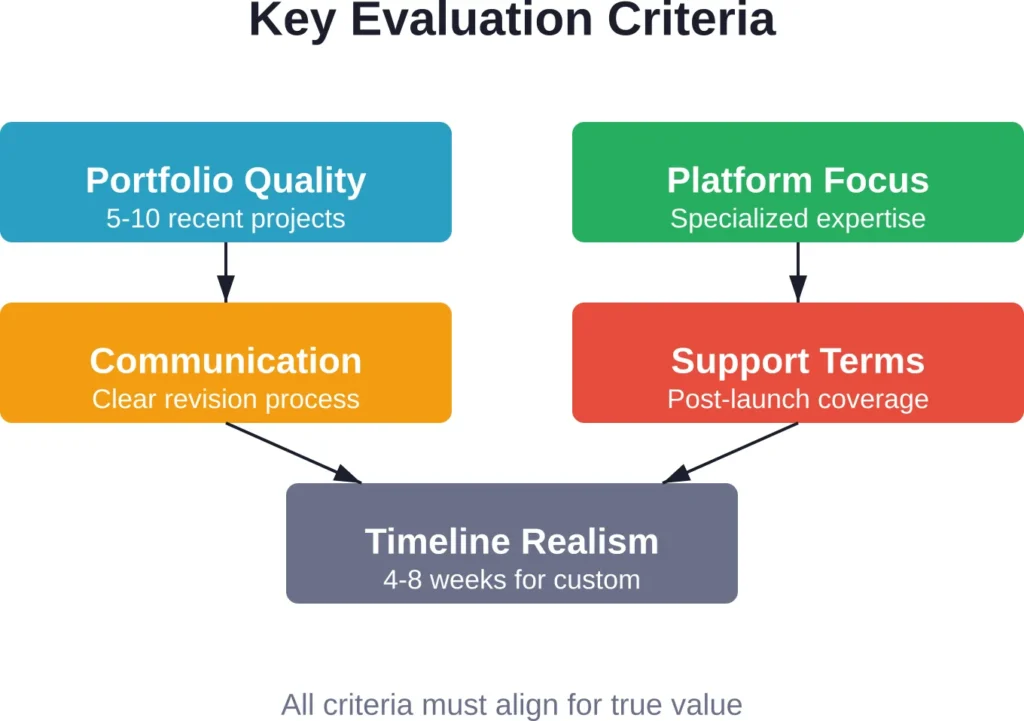
Top 15 Cheap Web Design Companies in 2026
These agencies represent the best balance of affordability, quality, and reliability for small businesses and startups. Each brings distinct strengths to specific use cases.
1. Mobian Studio
Mobian Studio delivers production-ready web and mobile solutions through dedicated teams, helping companies ship quality digital products faster and more affordably. They specialize in full-stack web development, clean architecture, and user-focused design for IT, Fintech, Healthcare, and Logistics sectors. The studio stands out by offering both project-based web development and team augmentation, ensuring cost-efficient delivery without sacrificing execution quality.
Best for: Growing companies and startups that need reliable, budget-conscious web design and development with senior-level expertise.
Contact Information:
- Website: mobian.studio
- Phone: [email protected]
- Address: Harju maakond, Tallinn, Kesklinnalinnaosa, Masina tn 22, 10113
- LinkedIn: www.linkedin.com/company/mobian-studio
2. Lengreo
Lengreo is a full-service digital marketing and web development partner that delivers complete website solutions combined with performance-driven marketing for businesses looking for high impact on a reasonable budget. The agency stands out by offering end-to-end services — from website development and optimization to lead generation and conversion-focused strategies. They build business websites, landing pages, and eCommerce platforms that are designed to generate results quickly. Lengreo excels at turning technical implementation into measurable business growth through integrated SEO, paid ads, and personalized outreach campaigns.
Best for: Small and medium businesses seeking affordable, results-oriented web design paired with ongoing digital marketing.
Contact Information:
- Website: lengreo.com
- Phone: +31 686 147 566
- Email: [email protected]
- Address: Vrijstraat 9 C/D, 5611 AT Eindhoven, Netherlands
- LinkedIn: www.linkedin.com/company/lengreo
- Instagram: www.instagram.com/lengreo.agency
- Twitter: x.com/Lengreo
3. A-listware
A-listware provides cost-effective software development and web solutions, including UX/UI design and custom web applications for businesses of all sizes. The company delivers dedicated development capacity and professional web design services that help clients launch and maintain quality digital products without high overhead. They excel at creating responsive, user-friendly websites and web applications with clean architecture and ongoing support.
Best for: Companies needing affordable web design, UX/UI, and dedicated development resources.
Contact Information:
- Website: a-listware.com
- Phone: +1 (888) 337 93 73
- Email: [email protected]
- Address: North Bergen, NJ 07047, USA
- LinkedIn: www.linkedin.com/company/a-listware
- Facebook: www.facebook.com/alistware
4. Gilzor

Gilzor specializes in custom web and mobile development with a strong focus on clean, conversion-oriented design for startups and growing companies. They combine UI/UX design, full-cycle web development, and go-to-market support to create digital products that look professional while remaining cost-effective to build and maintain. The studio particularly shines in user-centric interfaces and scalable web solutions that help businesses launch faster without compromising quality.
Best for: Startups and small businesses needing affordable custom web design and development with strong user experience.
Contact Information:
- Website: www.gilzor.com
- Email: [email protected]
- Address: Poland, Warsaw, Office 58, street Adama Mickiewicza 37, 01-625
- LinkedIn: www.linkedin.com/company/gilzor-softwaredevelopment
5. Oski
Oski builds smart, well-engineered web solutions for tech-forward companies and ambitious startups that want quality digital presence without excessive costs. Their strength lies in modern frontend development, responsive design, and seamless integration of technologies like React, Next.js, and cloud solutions, delivering clean and fast websites. Oski focuses on practical, high-performance web design that supports business growth through intuitive interfaces and reliable architecture.
Best for: Enterprises and startups looking for affordable, scalable web development and modern design solutions.
Contact Information:
- Website: oski.site
- Phone: +48571282759
- Email: [email protected]
- Address: Kaupmehe tn 7, 10114 Tallinn, Estonia
- LinkedIn: www.linkedin.com/company/oski-solutions
6. Huemor
Huemor positions itself around results-driven design, emphasizing measurable business outcomes over purely aesthetic goals. The agency tracks conversion rates, user behavior, and engagement metrics to optimize designs post-launch.
Huemor’s data focus makes it valuable for companies that have tried web design before without seeing ROI. The agency identifies conversion bottlenecks and redesigns strategically rather than rebuilding everything.
The agency also offers growth consulting alongside design services. For businesses uncertain about their digital strategy, Huemor provides strategic guidance that informs design decisions.
Best for: Companies prioritizing measurable business outcomes and data-driven optimization.
7. Bop Design
Bop Design specializes in B2B web design for professional services, consulting firms, and enterprise software companies. The agency understands the longer sales cycles and multiple stakeholder dynamics inherent to B2B buying.
Bop creates websites optimized for lead generation rather than direct sales. Content strategies, lead magnets, and progressive profiling tools help B2B companies build pipelines through their websites.
The agency also provides content development services, addressing the common challenge of B2B companies with strong offerings but weak messaging. Bop translates technical expertise into accessible content that resonates with decision-makers.
Best for: B2B professional services and enterprise software companies.
8. The Creative Momentum

The Creative Momentum combines web design with inbound marketing expertise, making it well-suited for companies that need their website to serve as the hub of broader content marketing efforts.
The agency designs with SEO considerations from the start—clean code, semantic HTML, optimized images, and logical site architecture that search engines can crawl efficiently. This technical foundation supports content marketing efforts over time.
The Creative Momentum also offers ongoing content creation and optimization services. For businesses without in-house content teams, this continuity ensures websites stay fresh and relevant beyond launch.
Best for: Companies integrating web design with content marketing and SEO strategies.
9. Lounge Lizard

Lounge Lizard brings creative storytelling to web design, making it particularly effective for brands where emotional connection drives purchasing decisions. The agency excels at narrative-driven designs that engage visitors beyond features and benefits.
Lounge Lizard’s video production and animation capabilities set it apart. The agency creates custom video content that integrates seamlessly into web experiences, adding depth without third-party dependencies.
The agency works well for consumer brands, hospitality companies, and lifestyle businesses where brand personality matters as much as functionality.
Best for: Consumer brands and hospitality companies prioritizing emotional engagement.
10. Thrive Internet Marketing Agency
Thrive Internet Marketing Agency offers web design as part of integrated digital marketing services. The agency’s strength lies in connecting web design to broader acquisition strategies—SEO, paid advertising, social media, and email marketing.
From January to October of 2025, total traffic from all AI platforms grew by a staggering +4,302%, demonstrating Thrive’s success with innovative AI SEO strategies. This forward-thinking approach to search optimization gives clients an advantage as search behavior evolves.
Thrive works best for businesses that need not just a website but a complete digital marketing ecosystem. The agency’s integrated approach ensures all channels work together rather than operating in silos.
Best for: Businesses seeking integrated web design and digital marketing services.
11. ParallelHQ

ParallelHQ specializes in web design for AI and SaaS startups that need both product design and marketing site development. The agency combines startup-native understanding with technical depth, making it particularly strong for companies where the website needs to explain complex technology clearly.
What sets ParallelHQ apart is integration between product and marketing design. Many startups struggle when their product interface and website feel disconnected—ParallelHQ ensures visual and messaging consistency across touchpoints.
The agency excels at translating technical features into benefit-focused messaging. Instead of listing capabilities, ParallelHQ designs sites that demonstrate value through clear user flows, strategic CTAs, and conversion-optimized layouts.
Best for: Early-stage SaaS and AI companies needing cohesive product and web design.
12. Clay Agency
Clay Agency focuses on brand-forward technology companies that compete as much on design as functionality. The agency brings premium visual identity work typically reserved for high-budget projects to mid-market clients.
Clay’s strength lies in creating distinctive brand systems that translate seamlessly to web experiences. Custom typography, thoughtful motion design, and sophisticated color systems give clients a visual edge in crowded markets.
The agency works best with companies willing to invest time in brand strategy before jumping into design execution. Clay’s process begins with positioning workshops that inform every subsequent design decision.
Best for: Tech companies where brand differentiation drives competitive advantage.
13. Lollypop Design Studio

Lollypop Design Studio brings UX research rigor to web design projects, making it ideal for companies that need data-informed design decisions rather than purely aesthetic choices.
The agency conducts user interviews, analyzes competitor sites, and tests design concepts before finalizing layouts. This research-first approach reduces the risk of launching sites that look great but don’t convert.
Lollypop particularly excels at complex information architecture. Companies with multiple product lines, diverse user segments, or content-heavy sites benefit from the studio’s systematic approach to organizing information.
Best for: Businesses needing user research and testing integrated into web design.
14. Excited Agency

Excited Agency approaches web design through a product-first lens, focusing on clarity, structure, and conversion rather than surface-level aesthetics. The agency combines UX research, web design, branding, and motion design to create sites that support long-term growth.
Excited works particularly well for product-led companies where the website serves as the primary sales channel. The agency optimizes for self-service user journeys, making it easy for visitors to understand offerings and convert without sales involvement.
The agency’s attention to micro-interactions and animation adds polish without sacrificing performance. Sites feel premium and responsive without bloated file sizes that slow load times.
Best for: Product-led companies prioritizing conversion optimization and scalable design systems.
15. Digital Silk

Digital Silk specializes in full-service digital experiences that extend beyond basic websites. The agency handles branding, web design, custom development, and digital marketing strategy for companies seeking a single partner for multiple needs.
Digital Silk works best for businesses undergoing significant digital transformation or launching new brands. The agency’s comprehensive approach ensures consistency across all digital touchpoints.
The agency brings enterprise-level process discipline to mid-market projects. Detailed project plans, regular status updates, and structured approval workflows prevent the miscommunication that derails many web design projects.
Best for: Companies needing comprehensive digital services beyond web design alone.
Cheap Web Design vs. DIY Website Builders
Website builders like Squarespace, Wix, and Webflow have democratized web design. For some businesses, DIY makes perfect sense. For others, hiring even a cheap web design company delivers significantly better ROI.
The decision hinges on three factors: time, expertise, and growth trajectory.
When Website Builders Work
Pre-revenue businesses testing product-market fit benefit from builders. Spending thousands on web design before validating demand wastes resources. A Squarespace template and two weekends of focused work produces enough online presence to test ideas.
Single-service professionals with straightforward offerings also succeed with builders. Consultants, freelancers, and local service businesses often need little more than credibility, contact information, and a portfolio—all achievable with templates.
Businesses with in-house design talent can leverage builders effectively. Someone with visual design skills but limited coding knowledge can create professional sites using modern no-code tools.
When Cheap Web Design Companies Win
Businesses with validated revenue models justify professional design. Once product-market fit exists, the website shifts from experiment to growth engine. Professional design optimizes conversion rates and customer acquisition costs in ways templates cannot.
Companies with complex information architecture need expert help. Multiple product lines, varied user segments, or technical products require strategic organization that goes beyond template constraints.
Businesses prioritizing SEO benefit from agency expertise. While builders offer basic SEO features, agencies implement technical optimization, content strategy, and architecture that drives organic traffic over time.
Time-constrained founders get better outcomes hiring professionals. The opportunity cost of spending 40+ hours learning web design tools and building mediocre sites often exceeds the cost of hiring an affordable agency.
| Factor | Website Builder | Cheap Web Design Company |
|---|---|---|
| Best Timing | Pre-revenue, testing phase | Post-validation, scaling phase |
| Time Investment | 20-40 hours learning + building | 5-10 hours providing input + feedback |
| Customization | Limited to template constraints | Flexible within platform capabilities |
| SEO Optimization | Basic, template-dependent | Strategic, technically optimized |
| Conversion Focus | Generic best practices | Custom user flows and testing |
| Ongoing Updates | Self-service, requires learning | Support packages or training included |
The best cheap web design companies meet clients where they are. Some offer hybrid models—template starting points with custom refinements—that bridge the gap between pure DIY and full custom development.
Common Mistakes When Hiring Cheap Web Design Companies
Affordable doesn’t mean risk-free.
Several preventable mistakes turn budget-friendly web design into expensive headaches. Awareness reduces risk.
Prioritizing Price Over Portfolio
The cheapest option rarely delivers the best value. Agencies pricing significantly below market rates either lack experience, cut corners on quality, or hide costs in change orders and add-ons.
Portfolio quality matters more than price differences of a few thousand dollars. A $5,000 site that converts beats an $8,000 site that doesn’t—but a $2,000 site that looks amateurish damages brand credibility and costs more to fix later.
Skipping the Discovery Phase
Jumping straight to design without strategic planning causes project delays, scope creep, and disappointing results. The cheapest agencies skip discovery to reduce costs, but this short-term savings creates long-term problems.
Request discovery even from budget agencies. A few hours discussing goals, audience, competitors, and positioning prevents misalignment that derails projects midstream.
Unclear Scope and Deliverables
Vague contracts lead to disputes. “Website design” can mean wildly different things to different agencies. Without explicit deliverables—number of pages, revision rounds, responsive breakpoints, content entry, SEO basics—expectations diverge.
Insist on detailed statements of work. Specify exactly what’s included, what triggers additional charges, and how changes get handled. Clear agreements prevent surprise invoices.
Ignoring Platform Ownership
Some cheap agencies build sites on proprietary platforms that lock clients into ongoing fees. Moving to a different host or designer becomes impossible without rebuilding from scratch.
Confirm platform ownership and export capabilities upfront. Sites should be built on standard platforms like WordPress, Webflow, or Shopify where ownership transfers clearly and migration remains possible.
No Post-Launch Plan
Websites require ongoing maintenance—security updates, content changes, technical fixes, and performance optimization. Agencies that disappear after launch leave clients stranded when issues arise.
Establish post-launch support terms before signing. Whether through included support hours, retainer arrangements, or clear hourly rates, know how issues get resolved after the site goes live.
Questions to Ask Before Hiring a Cheap Web Design Company
These questions reveal whether an affordable agency will deliver value or headaches:
Can I speak directly with the designer who will work on my project? Many agencies use sales teams to close deals then assign work to junior designers. Meeting the actual designer ensures capabilities match promises.
What platform will the site be built on, and will I own it? Confirms platform choice and ownership rights, preventing lock-in to proprietary systems.
How many revision rounds are included? Unlimited revisions sound appealing but create unclear expectations. Defined rounds (typically 2-3) work better for both parties.
What happens if the project timeline extends? Clarifies whether delays—client-caused or agency-caused—trigger additional fees.
What’s included in the base package versus add-ons? Makes pricing transparent and prevents surprise charges for capabilities assumed to be included.
How do you handle post-launch support? Reveals whether the agency offers transition training, included support hours, or paid maintenance packages.
Can you provide three client references from the past year? Recent references offer insights into current capabilities, communication quality, and reliability.
What’s your process for content—do you write it, or do I provide it? Content creation represents significant effort. Clarifying responsibility prevents delays when everyone assumes the other party handles writing.
How will SEO be addressed? Basic technical SEO should be standard—semantic HTML, meta tags, image optimization, clean URLs. Agencies that skip this leave money on the table.
What analytics and tracking will be set up? At minimum, Google Analytics and goal tracking should be configured at launch. Agencies that skip this make measuring results impossible.
Web Design Cost Considerations Beyond the Initial Build
The website build represents only part of total cost of ownership.
Smart businesses budget for the full lifecycle, not just the launch. Several ongoing costs impact total investment over time.
Hosting and Domain Costs
Annual costs vary by platform and requirements. Shared hosting for basic WordPress sites runs affordable, while managed hosting for high-traffic sites costs more. Domain registration adds another annual expense.
Maintenance and Updates
WordPress sites require plugin updates, security patches, and occasional troubleshooting. Some agencies offer maintenance packages; others charge hourly for updates. Neglecting maintenance creates security vulnerabilities and eventual site breakage.
Content Updates and Expansion
Websites need fresh content to remain relevant and rank in search engines. Whether handled in-house or through agency retainers, content creation represents ongoing investment.
Performance Optimization
As sites accumulate content and traffic, performance optimization becomes necessary. Image compression, caching configuration, and code refinement keep sites loading quickly.
SEO and Marketing Integration
Technical SEO at launch provides foundation, but ongoing optimization—content strategy, link building, conversion rate optimization—drives results. Agencies like Thrive integrate these services; others focus purely on design.
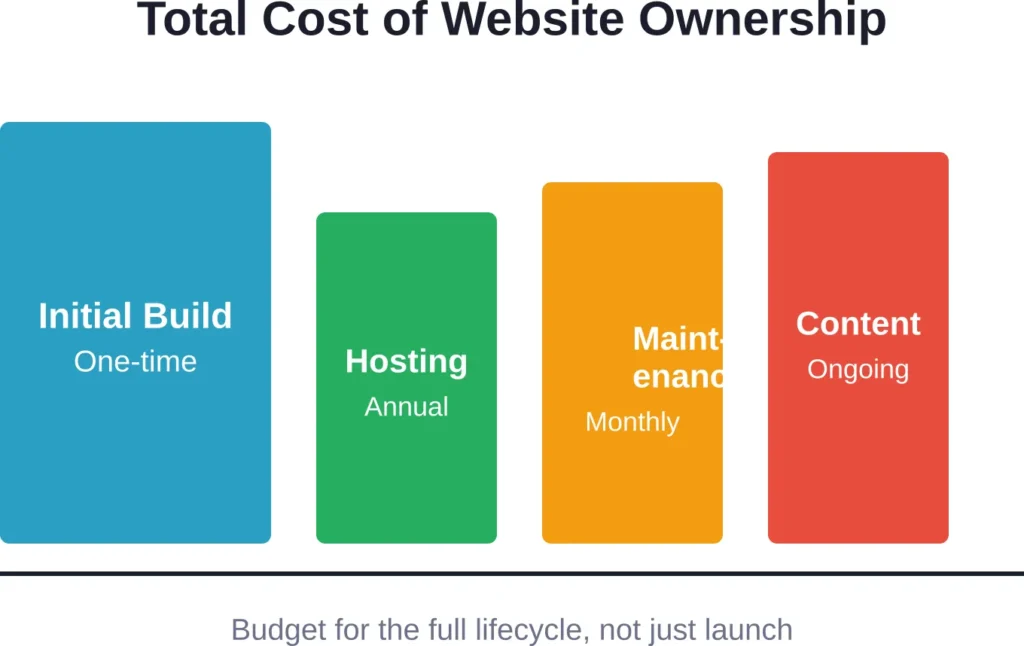
The best cheap web design companies transparently discuss these ongoing costs during sales conversations. Agencies that focus exclusively on the build often leave clients unprepared for post-launch realities.
Red Flags When Evaluating Cheap Web Design Companies
Certain warning signs indicate agencies to avoid, regardless of attractive pricing:
Guarantees of specific search rankings. No agency can guarantee first-page Google rankings—search algorithms involve hundreds of factors beyond any single website. Agencies promising specific positions either misunderstand SEO or deliberately mislead.
Pressure to sign immediately with limited-time pricing. Artificial urgency suggests the agency struggles with consistent business. Quality agencies maintain steady pipelines and don’t need high-pressure tactics.
Unwillingness to share portfolios or references. Every legitimate agency showcases recent work and connects prospects with satisfied clients. Hesitation suggests poor quality or unhappy customers.
Vague timelines without milestone breakdowns. Professional agencies define projects in clear phases with specific deliverables and dates. Vague timelines like “6-8 weeks” without detail suggest poor project management.
One-size-fits-all packages without discovery. Every business has unique needs, audiences, and goals. Agencies selling identical packages without understanding requirements produce generic results.
No discussion of strategy, only execution. Web design without strategic foundation rarely achieves business goals. Agencies that skip questions about objectives, audience, and competitors focus on output rather than outcomes.
Communication difficulties during sales. Responsive, clear communication during sales predicts project communication. Delayed responses, unclear explanations, or evasive answers suggest future frustration.
Maximizing Value From Your Cheap Web Design Investment
Getting the most from affordable web design requires active participation.
Budget agencies deliver better results when clients come prepared and engaged. Several practices amplify outcomes:
Provide Clear, Organized Inputs
The clearer the brief, the better the result. Document goals, target audience, key messages, competitor examples, and design preferences before kickoff. Organized inputs reduce agency guesswork and revision cycles.
Designate a Single Point of Contact
Multiple stakeholders providing conflicting feedback derails projects. Designate one person to collect input internally and communicate cohesively with the agency. This prevents contradictory direction and speeds decisions.
Respect the Process and Timeline
Agencies structure projects in phases for good reason—each phase builds on previous work. Jumping ahead, skipping approvals, or requesting out-of-sequence changes creates rework and delays.
Provide Timely, Consolidated Feedback
Slow feedback extends timelines. When agencies deliver work for review, compile team input and respond within agreed timeframes. Consolidated feedback also prevents drip-drip revision requests that frustrate designers.
Invest in Quality Content
Even brilliant design fails without compelling content. Whether writing internally or hiring copywriters, prioritize clear, benefit-focused messaging. Generic placeholder text undermines professional design.
Think Beyond Launch
Websites launch as minimally viable products. Plan for post-launch optimization—A/B testing headlines, refining CTAs, adding content, and addressing user feedback. Initial launches rarely achieve peak performance.
How AI and Modern SEO Impact Web Design Choices in 2026
The search landscape shifted fundamentally. Traditional SEO still matters, but AI-powered search and conversational interfaces changed how users find and evaluate websites.
According to content from the American Marketing Association on ‘The Future of SEO, AI and Lead Generation’ (published July 15, 2026), AI overviews appear at the top of search results and users are skipping Google completely and going straight to chatbots for answers and recommendations.
This evolution impacts web design strategy in several ways:
Structured Data and Semantic Markup
AI systems extract information from websites more effectively when content uses semantic HTML and structured data. Agencies that implement proper schema markup help AI platforms understand and recommend their clients’ offerings.
Clear, Scannable Content Architecture
AI models parse content to answer questions. Sites with clear headings, concise explanations, and logical information hierarchy feed these systems better than dense, unstructured prose.
Brand Knowledge Optimization
AI recommendations depend on what these systems know about brands. Web design should include comprehensive about pages, detailed service descriptions, and well-documented capabilities that help AI platforms understand offerings.
Performance and Mobile Optimization
Core Web Vitals and mobile-first design remain critical. AI doesn’t change the fundamentals—fast, accessible, mobile-responsive sites still outperform slow, clunky alternatives.
The best cheap web design companies stay current with these shifts. Agencies that implement technical SEO, semantic markup, and AI-friendly content structures position clients for visibility in evolving search environments.
Freelancer vs. Agency: Understanding the Trade-offs
Cheap web design options span from individual freelancers to small agencies. Each model offers distinct advantages and limitations.
When Freelancers Make Sense
Freelancers work well for straightforward projects with flexible timelines. A skilled independent designer costs less than agencies and provides direct access without account management layers.
Freelancers excel at niche specializations. Finding a WordPress expert, Shopify specialist, or animation guru often yields better results than generalist agencies.
Budget-constrained projects benefit from freelancer flexibility. Independents often negotiate payment terms, trade equity for services, or structure phased rollouts more readily than agencies.
When Agencies Provide Better Value
Agencies offer team depth that freelancers cannot match. Access to strategists, designers, developers, and copywriters under one roof produces more comprehensive results.
Timeline predictability improves with agencies. Established processes, backup resources, and project management infrastructure reduce the risk of delays from personal emergencies or competing priorities.
Agencies handle complexity better. Multi-page sites, custom functionality, e-commerce integration, and technical requirements benefit from distributed expertise.
Support continuity favors agencies. When freelancers move on to other commitments or become unavailable, maintenance and updates stall. Agencies provide institutional knowledge and ongoing access.
| Dimension | Freelancer | Small Agency |
|---|---|---|
| Typical Cost | Lower hourly rates | Higher total project cost |
| Timeline | Flexible but less predictable | Structured with defined milestones |
| Expertise Breadth | Specialist in specific areas | Generalists across disciplines |
| Communication | Direct, no intermediaries | Account managers coordinate |
| Availability | Limited by individual bandwidth | Team resources provide backup |
| Post-Launch Support | Dependent on freelancer availability | Institutional continuity |
The right choice depends on project scope, timeline, budget, and risk tolerance. Simple sites with flexible schedules favor freelancers. Complex projects with firm deadlines justify agency investment.
Platform Selection: WordPress, Webflow, Shopify, or Custom
The platform decision shapes costs, capabilities, and long-term flexibility.
Cheap web design companies typically specialize in one or two platforms rather than supporting all options. Understanding trade-offs helps match agency expertise to business needs.
WordPress
WordPress powers a significant portion of the web, making it the default choice for content-heavy sites, blogs, and businesses prioritizing SEO.
Advantages include vast plugin ecosystems, widespread developer availability, and full content ownership. Sites can be hosted anywhere, migrated easily, and customized extensively.
Disadvantages include maintenance requirements—plugins need updates, security patches require attention, and compatibility issues occasionally arise. Non-technical users often find WordPress admin interfaces less intuitive than modern builders.
Best for: Content-heavy sites, businesses prioritizing SEO, companies wanting full ownership and flexibility.
Webflow
Webflow combines visual design freedom with clean code output, making it popular among design-forward companies.
Advantages include pixel-perfect design control, responsive design tools, and hosting included. Designers create custom layouts without coding, then hand off content management to clients.
Disadvantages include platform lock-in—exporting and hosting elsewhere gets complicated—and less flexibility for complex functionality compared to WordPress.
Best for: Design-forward companies, businesses wanting visual polish without custom development, brands prioritizing aesthetics.
Shopify
Shopify specializes in e-commerce, handling inventory, payments, shipping, and product management out of the box.
Advantages include turnkey e-commerce functionality, reliable hosting, and extensive app marketplace. Non-technical users can manage products, fulfill orders, and update content without developer help.
Disadvantages include transaction fees on non-Shopify payment processors, limited customization compared to open platforms, and ongoing subscription costs.
Best for: E-commerce businesses, companies selling physical products, brands wanting managed infrastructure.
Custom Development
Custom builds offer unlimited flexibility but require significantly higher investment.
Advantages include perfect alignment to unique requirements, complete control over functionality, and no platform constraints.
Disadvantages include high costs, longer timelines, and ongoing maintenance complexity. Custom systems require developer involvement for even minor updates.
Best for: Businesses with unique requirements that platforms cannot accommodate—rarely the right choice for companies seeking cheap web design.
Most cheap web design companies specialize in WordPress or Webflow, with some focusing on Shopify for e-commerce clients. Match platform specialization to business priorities.
Frequently Asked Questions
Small businesses typically invest in a range that balances affordability with professional quality. According to corroborated industry data, entry-level professional web design projects often start around the $1,000 mark for very basic template implementations, while more substantial small business websites with custom design, content management systems, and strategic planning generally fall between $5,000 and $15,000. The specific investment depends on complexity, number of pages, custom functionality requirements, and whether content creation is included. Businesses should prioritize value and conversion potential over simply finding the cheapest option.
Timeline varies based on project scope and client responsiveness. Template-based sites with minimal customization can launch in 2-3 weeks, though this rapid timeline usually means limited strategic input and straightforward implementation. More comprehensive projects involving custom design, content strategy, and multiple page templates typically require 4-8 weeks from kickoff to launch. Complex sites with custom functionality, extensive content, or detailed UX research may extend to 10-12 weeks. Client delays—slow feedback, missing content, or changing requirements—represent the most common cause of timeline extensions. Agencies with clear processes and defined milestone schedules generally deliver more predictable timelines.
Geography matters less than it once did. Remote web design companies often offer better value because they operate without expensive office overhead, drawing from global talent pools rather than being limited to local markets. Video calls, screen sharing, and project management tools enable effective collaboration regardless of location. That said, some businesses prefer local agencies for relationship building, occasional in-person meetings, or supporting the local economy. The decision should prioritize portfolio quality, communication style, and relevant experience over location. Many of the best cheap web design companies operate fully remote, passing cost savings to clients while maintaining high-quality output.
The distinction is about value, not just price. Cheap often implies the lowest possible cost with quality sacrificed—template sites with no customization, poor communication, generic results, and no strategic thinking. Affordable means reasonable pricing for professional work—agencies that optimize operations, specialize in efficient platforms, and deliver polished results without premium pricing. Affordable agencies balance cost constraints with quality output, whereas cheap agencies simply minimize expenses. When evaluating options, examine portfolios, read client testimonials, and assess communication quality. Affordable agencies demonstrate professionalism despite lower pricing; cheap agencies reveal cut corners through poor work examples and unprofessional interactions.
Capabilities vary significantly across agencies. Most affordable web design companies implement basic technical SEO—semantic HTML markup, meta tags, image optimization, mobile responsiveness, and clean URL structures. These fundamentals provide a solid foundation for search visibility. However, comprehensive SEO strategy—keyword research, content planning, link building, and ongoing optimization—typically requires specialized expertise beyond basic web design. Some agencies like Thrive Internet Marketing Agency offer integrated services covering web design, SEO, and broader digital marketing. Others focus purely on design and development, recommending separate specialists for marketing. Clarify SEO expectations upfront and ask specifically what’s included versus what requires additional investment or separate providers.
Ownership should be explicit in contracts before work begins. Ensure the agreement specifies that all design files, code, content, and accounts transfer to the business upon final payment. Request credentials for hosting accounts, domain registrations, analytics platforms, and any third-party services set up during the project. Verify the site is built on a standard platform like WordPress, Webflow, or Shopify rather than proprietary systems that create vendor lock-in. Avoid agencies that maintain control of core infrastructure or charge ongoing fees simply to maintain access. Reputable agencies, even affordable ones, transfer complete ownership and provide documentation enabling future updates with different providers if needed. If an agency hesitates to discuss ownership terms clearly, consider that a significant red flag.
Dissatisfaction risk decreases with clear contracts and defined processes. Before signing, understand the revision policy—most agencies include 2-3 rounds of revisions within project scope, with additional changes billed separately. Establish approval checkpoints at key milestones (wireframes, design mockups, development) rather than waiting until final delivery. This staged approach enables course correction before too much work proceeds in the wrong direction. Ask about refund or termination policies upfront—what happens if the relationship isn’t working? Reputable agencies offer clear terms for project cancellation and partial refunds based on work completed. The best protection against dissatisfaction is thorough vetting before hiring—examine portfolios carefully, speak with references, and ensure the agency’s style aligns with expectations before committing.
Conclusion: Finding the Right Cheap Web Design Company for Your Business
The web design market offers more accessible options than ever before.
Cheap web design companies have evolved from budget alternatives to legitimate strategic partners for small businesses and startups. The key lies in distinguishing between agencies that optimize operations to deliver value and those that simply cut corners to undercut competition.
The 15 agencies profiled here represent the best balance of affordability, quality, and specialization available in 2026. Each brings distinct strengths to specific business scenarios—ParallelHQ for SaaS startups, Clay for brand-forward companies, Bop Design for B2B services, and so on.
Selecting the right partner requires honest assessment of business needs, realistic budgeting for total ownership costs, and careful evaluation of agency capabilities beyond pricing alone. Portfolio quality, communication style, platform expertise, and post-launch support matter as much as initial project costs.
The businesses that succeed with cheap web design companies come prepared. They provide clear requirements, respond to feedback promptly, invest in quality content, and view the website as a living asset requiring ongoing attention rather than a one-time project.
The digital landscape continues evolving. AI search, changing consumer behaviors, and new technologies reshape how websites function and how users discover businesses online. The best affordable agencies stay current with these shifts, implementing semantic markup, structured data, and modern SEO practices that position clients for long-term visibility.
Research conducted by the Promotional Products Association International found that recall rates for branded merchandise exceeded 70%, with favorability scores even higher. Similarly, web design quality impacts whether visitors remember brands, trust offerings, and convert into customers.
Ready to move forward with web design? Start by reviewing portfolios from the agencies listed here. Schedule discovery calls with 2-3 finalists, ask the questions outlined in this guide, and request detailed proposals that make scope, timeline, and deliverables explicit.
The right cheap web design company exists for every business. Finding it requires diligence, but the return on that investment—a professional website that drives growth without breaking the bank—makes the effort worthwhile.