
Quick Summary: Drinking tonic water every day is generally safe in small amounts, but regular consumption carries risks due to quinine content and added sugars. Medical research documents rare but serious adverse reactions to quinine, while CDC data shows sugar-sweetened beverages contribute to obesity, diabetes, and heart disease. Occasional consumption poses minimal risk for most people, but daily intake should be limited and discussed with a healthcare provider.
That crisp, bitter fizz in your evening glass—tonic water has become more than just a mixer. Many people drink it straight, believing it offers health benefits or simply enjoying the distinctive taste. But should you make it a daily habit?
The answer isn’t straightforward. Tonic water contains quinine, a compound with both medicinal history and potential risks. It also often contains substantial amounts of sugar, placing it in the category of sugar-sweetened beverages that health authorities warn about.
Here’s what the medical research and official health data actually say.
What Makes Tonic Water Different from Regular Water
Tonic water gets its characteristic bitter taste from quinine, a natural alkaloid extracted from the bark of the cinchona tree. This tree, native to South America and parts of Africa, has been used for centuries in malaria treatment.
Modern tonic water typically contains much lower quinine concentrations than therapeutic doses. The compound is added purely for flavor, not medical benefit.
Most commercial tonic waters also contain substantial added sugars. A standard 12-ounce bottle can pack similar sugar content to regular soda—around 42 grams of added sugar, according to CDC nutritional data.
Zero-sugar varieties exist, using artificial sweeteners instead. These eliminate the calorie concern but retain the quinine content.
The Quinine Question: Benefits and Risks
Quinine has legitimate medical uses. Doctors have prescribed it for malaria treatment since the 1800s, with clinical trials conducted from 1866 to 1868 in 3,600 patients, with all four alkaloids tested showing cure rates of >98% for cessation of febrile paroxysms.
But what about the tiny amounts in tonic water?
Can Tonic Water Treat Leg Cramps?
Many people drink tonic water hoping to prevent nighttime leg cramps. The quinine in prescription medications can reduce cramp frequency, which has led to the belief that tonic water might help.
The reality is less promising. The quinine concentration in commercial tonic water is far below therapeutic levels. Medical authorities no longer recommend quinine for routine leg cramp treatment due to safety concerns.
Documented Medical Risks
Medical literature contains documented cases of serious adverse reactions to quinine, even from tonic water consumption. A 2021 case report in Cureus described a patient who developed disseminated intravascular coagulation after drinking tonic water.
Laboratory findings from that case showed dramatic changes. White blood cell counts dropped from normal ranges (4.0–10.8 K/µL) to just 1.9 K/µL on admission. Hemoglobin fell to 6.0 g/dL, well below the normal 12.0–16.0 g/dL range. Platelet counts plummeted to dangerously low levels.
These represent rare hypersensitivity reactions, not typical responses. However, they demonstrate that quinine isn’t entirely benign.
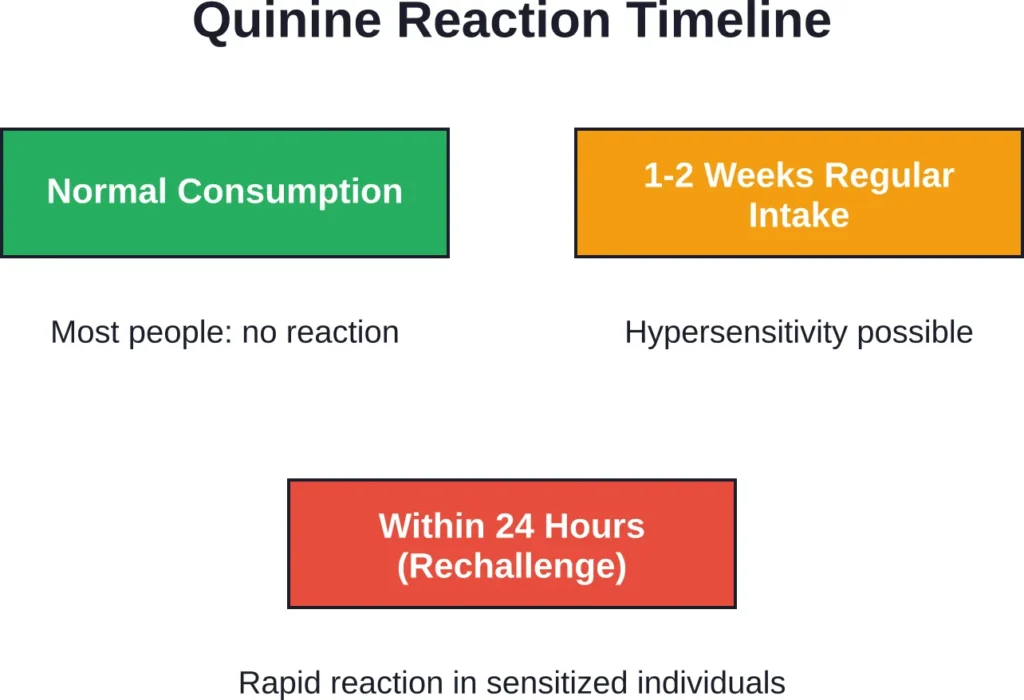
The NIH’s LiverTox database notes that quinine hypersensitivity reactions typically arise after one to two weeks of therapy, though they can appear within 24 hours upon restarting quinine or with rechallenge.
The Sugar Problem: CDC Warnings Apply
Regular tonic water falls squarely into the sugar-sweetened beverage category that public health authorities warn against.
According to CDC data, 49% of adults (5 in 10) drank a sugar-sweetened beverage on a given day during 2011–2014. These beverages are leading sources of added sugars in the American diet, contributing an average of 145 calories daily for adults.
The health consequences are well-documented. According to the CDC, frequently drinking sugar-sweetened beverages is associated with weight gain, obesity, type 2 diabetes, heart disease, cavities, and gout.
CDC research found that approximately 30% of Americans aged 2 and older consume high amounts of added sugar—more than 15% of daily calories from added sugars alone.
The Dietary Guidelines for Americans recommends limiting added sugars to no more than 10% of total daily calories. For someone on a 2,000-calorie diet, that’s roughly 50 grams maximum. A single 12-ounce tonic water containing 42 grams of added sugar would consume nearly your entire daily allowance.
One meal should contain no more than 10 grams of added sugars, according to CDC guidance.
Sugar-Free Doesn’t Mean Risk-Free
Zero-sugar tonic water eliminates the added sugar concern but retains the quinine content. While CDC guidance notes that no amount of non-nutritive sweeteners is recommended as part of a healthy diet, artificial sweeteners don’t carry the same established health risks as excessive added sugar.
Questions remain about their effectiveness as a long-term weight management strategy, according to CDC statements.
How Much Tonic Water Is Actually Safe?
No official daily limit exists specifically for tonic water consumption. The FDA regulates quinine content in beverages, limiting it to 83 parts per million.
For most healthy adults, occasional tonic water consumption—a glass with dinner or a gin and tonic on weekends—poses minimal risk.
Daily consumption is where concerns arise. The sugar content alone makes regular tonic water a poor choice for daily drinking. Even sugar-free versions introduce daily quinine exposure that may not be advisable.
Real talk: if you’re drinking tonic water daily, ask yourself why. If it’s for hydration, plain water is far superior. If it’s for leg cramps, the quinine concentration is too low to help, and prescription options exist if needed. If it’s simply habit or taste preference, limiting consumption to occasional use makes more sense from a health perspective.
| Consumption Pattern | Sugar Concern | Quinine Concern | Overall Assessment |
|---|---|---|---|
| Occasional (1-2 times/week) | Low | Minimal | Generally safe for most people |
| Regular (3-5 times/week) | Moderate to high | Low to moderate | Consider sugar-free options; monitor intake |
| Daily (7+ times/week) | High | Moderate | Not recommended; health risks increase |
Who Should Avoid Tonic Water Completely?
Certain individuals should avoid tonic water regardless of frequency:
- People with known quinine hypersensitivity or previous adverse reactions
- Individuals taking medications that interact with quinine
- Pregnant women (quinine can affect fetal development)
- People with certain blood disorders or cardiac conditions
- Anyone with diabetes struggling to manage blood sugar (for regular, sugared versions)
If you’re taking prescription medications, check with your doctor before making tonic water a regular habit. Quinine can interact with various drugs, including blood thinners and certain antibiotics.
Better Alternatives for Daily Hydration
Looking for daily beverage options that won’t carry the same concerns?
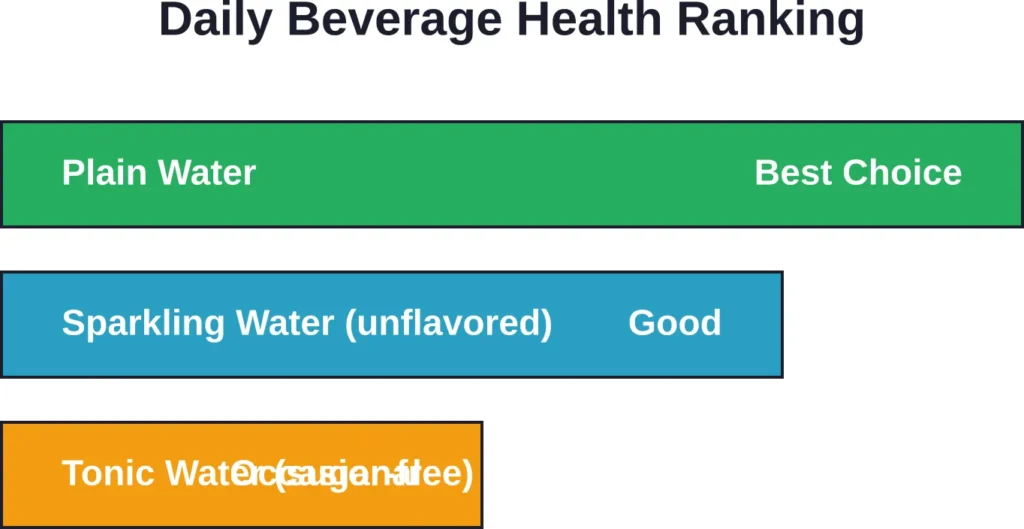
Plain water remains the gold standard. It provides hydration without added sugars, quinine, or other compounds that might cause issues with regular consumption.
Sparkling water offers the carbonation appeal of tonic water without quinine or sugar. Flavored seltzers use natural flavors without the health concerns.
For children, CDC recommendations are clear: unflavored whole milk for children aged 1 to 2, and no more than 4–6 ounces of 100% juice per day for children aged 1 to 6 years. Sugar-sweetened beverages, including tonic water, shouldn’t be part of regular childhood nutrition.
Data from 2021 to 2023 found that 55.9% of children aged 1 to 5 years had consumed at least one sugar-sweetened beverage in the past 7 days—a concerning trend that contributes to childhood obesity rates.
The Bottom Line on Daily Tonic Water
So, is it OK to drink tonic water every day?
The evidence suggests moderation is key. Occasional consumption poses minimal risk for most healthy adults. Daily consumption, particularly of sugar-sweetened varieties, introduces unnecessary added sugars that contribute to well-documented health problems.
Even sugar-free tonic water consumed daily means regular quinine exposure. While serious adverse reactions remain rare, they do occur, and the benefits of daily consumption don’t outweigh potential risks.
If you enjoy tonic water, treat it as an occasional beverage rather than a daily staple. Choose sugar-free versions when possible. And if you’re drinking it for supposed health benefits like cramp prevention, understand that the quinine levels are too low to be therapeutically effective.
For daily hydration, stick with plain water or unsweetened sparkling water. Your body will thank you, and you’ll avoid both the sugar load and the quinine concerns that come with making tonic water a daily habit.
When in doubt, discuss your beverage habits with your healthcare provider, especially if you have existing health conditions or take regular medications.
Frequently Asked Questions
The quinine concentration in commercial tonic water is far below therapeutic levels used in prescription medications. Medical authorities no longer recommend quinine for routine leg cramp treatment due to safety concerns, and the trace amounts in tonic water are insufficient to provide reliable relief.
A standard 12-ounce serving of regular tonic water contains approximately 42 grams of added sugar, according to CDC nutritional data. This amount represents nearly the entire daily recommended limit for added sugars on a 2,000-calorie diet.
Pregnant women should avoid tonic water because quinine can affect fetal development. Even the small amounts found in commercial tonic water may pose risks during pregnancy. Consult your obstetrician about safe beverage choices.
Sugar-free tonic water eliminates the added sugar concern but still contains quinine and artificial sweeteners. While CDC guidance notes that no amount of non-nutritive sweeteners is recommended as part of a nutritious diet, sugar-free versions don’t carry the same established risks as excessive added sugar consumption.
Quinine hypersensitivity reactions can include fatigue, nausea, severe headache, changes in blood counts, and in rare cases, serious conditions affecting blood clotting. Medical literature documents reactions appearing after one to two weeks of regular intake, though sensitized individuals may react within 24 hours.
Tonic water isn’t recommended for children. CDC data shows that 55.9% of children aged 1 to 5 years consumed at least one sugar-sweetened beverage in the past 7 days (2021–2023), contributing to childhood obesity concerns. Children should drink water, unflavored milk appropriate for their age, and limited amounts of 100% juice.
Regular tonic water contains similar amounts of added sugar to regular soda—both fall into the sugar-sweetened beverage category associated with obesity, type 2 diabetes, and heart disease. Tonic water has the additional consideration of quinine content, which soda lacks. Neither makes a healthy daily beverage choice.