
Quick Summary: Eating chocolate daily can be part of a healthy diet when consumed in moderation and with the right type. Dark chocolate with at least 70% cocoa offers heart health and brain benefits, but portion control matters—typically one to two ounces per day. Balance chocolate consumption within your overall diet to avoid excess sugar and calories.
Chocolate lovers, here’s some good news: that daily square of dark chocolate doesn’t have to come with guilt. Research increasingly supports what many have hoped—chocolate can fit into a healthy eating pattern.
But before reaching for that candy bar, the details matter. Not all chocolate is created equal, and portion size plays a crucial role in whether daily chocolate consumption helps or hurts overall health.
The question isn’t just about permission—it’s about understanding what happens in the body when chocolate becomes a regular part of the diet, which type delivers actual benefits, and how much constitutes a reasonable amount.
The Type of Chocolate Matters More Than You Think
Walk down the candy aisle and the options seem endless. Milk chocolate, white chocolate, dark chocolate with varying cocoa percentages—each delivers a vastly different nutritional profile.
Dark chocolate stands out for health benefits. According to Harvard Health Publishing, chocolate with at least 70% cocoa content provides meaningful amounts of flavonoids—compounds linked to various health benefits.
Cocoa powder contains these beneficial flavonoids. The higher the cocoa percentage, the more flavonoids present and the less room for added sugar and milk fat.
Here’s the thing though—milk chocolate typically contains far less cocoa and significantly more sugar. White chocolate contains no cocoa solids at all, just cocoa butter, sugar, and milk.
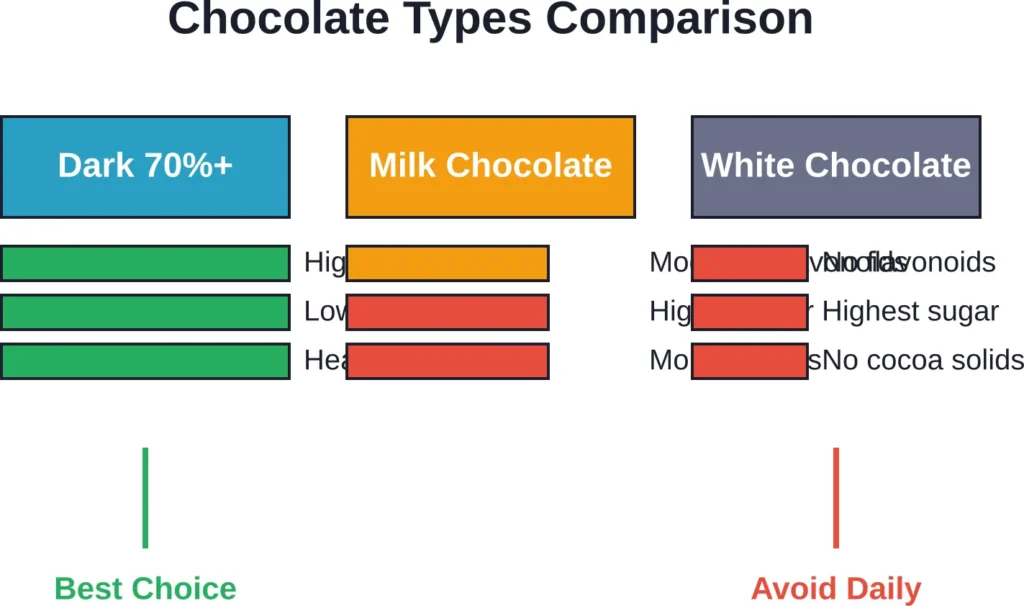
For daily consumption, dark chocolate with 70% cocoa or higher represents the healthiest choice. Milk chocolate can be enjoyed occasionally, but it shouldn’t be the daily go-to.
What Research Says About Daily Chocolate Consumption
Multiple studies have examined what happens when chocolate becomes a regular dietary habit. The findings might surprise those who’ve been taught to avoid chocolate entirely.
Cardiovascular Benefits
A significant study followed nearly 21,000 residents of Norfolk, England, for 11 years. Among those in the top tier of chocolate consumption, 12% developed or died of cardiovascular disease during the study period, compared to 17.4% of those who didn’t eat chocolate.
That’s a meaningful difference. Research analyzing data from 10 observational studies found that chocolate intake reduces cardiovascular disease risk, in part through lowering blood pressure.
The inverse association appears stronger for stroke than for heart attack. Sound familiar? The compounds in cocoa—particularly flavonoids—seem to support blood vessel function.
Diabetes Risk Reduction
Now, this is where it gets interesting. Researchers analyzed dietary questionnaire responses and health records from about 192,000 people who were followed for over 30 years.
After accounting for age, exercise levels, and other factors, those who ate at least 5 ounces of dark chocolate per week showed a 21% lower diabetes risk compared to those who didn’t consume it.
Real talk: this doesn’t mean chocolate prevents diabetes. But it suggests that dark chocolate, consumed in reasonable amounts, doesn’t increase diabetes risk the way many assume—and may even offer protective benefits.
Brain Function and Mood
Chocolate affects the brain in multiple ways. Harvard Health Publishing notes that for concentrated brain-related benefits, a cocoa supplement containing as much as 250 milligrams of flavonoids might be considered.
But wait. Research published in the Journal of Nutritional Biochemistry found that consumption of 85% cocoa dark chocolate improved mood in association with gut microbial changes in healthy adults.
The connection between chocolate and mood isn’t just psychological satisfaction—it appears to involve actual biochemical changes. Chocolate contains compounds that may influence neurotransmitter activity and support cognitive function.
How Much Chocolate Is Actually Okay to Eat Daily?
Knowing chocolate offers benefits is one thing. Figuring out appropriate portion sizes is another entirely.
Most nutrition experts suggest one to two ounces of dark chocolate daily represents a reasonable amount for most adults. That’s roughly one to two squares of a standard chocolate bar.
The short answer? It depends on overall diet quality, caloric needs, and health status. Someone with a very active lifestyle might accommodate slightly more. Someone watching total calorie intake carefully might need to stick to one ounce or less.
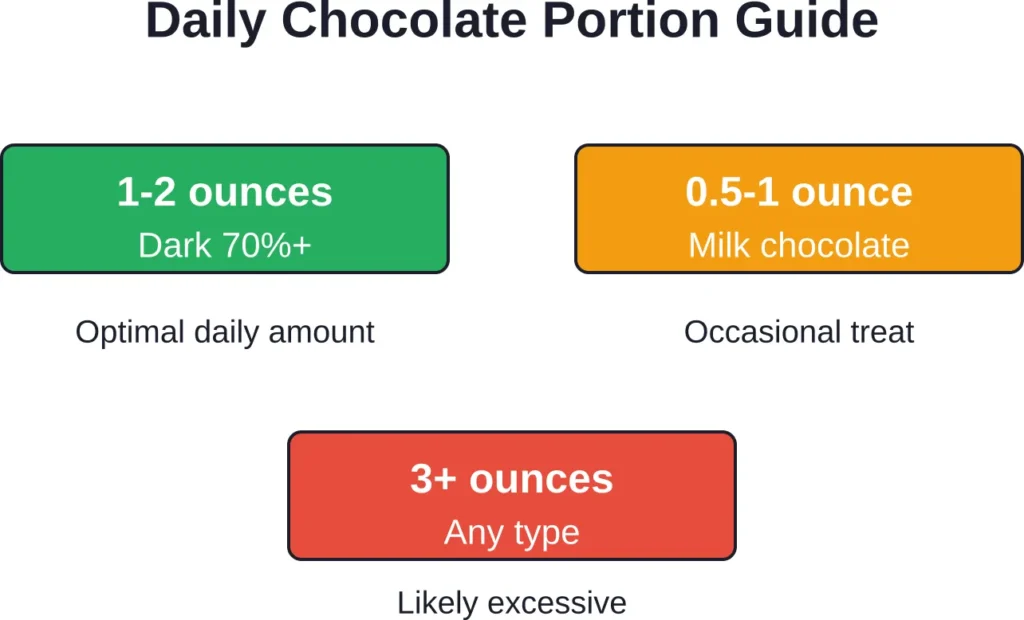
Context matters enormously. A small amount of high-quality dark chocolate as part of a diet rich in vegetables, whole grains, and lean proteins looks completely different from multiple candy bars consumed alongside processed foods.
The Potential Downsides of Daily Chocolate Eating
Balance requires acknowledging both benefits and potential drawbacks. Daily chocolate consumption isn’t consequence-free for everyone.
Calorie and Sugar Content
Even dark chocolate contains calories—typically 150-200 calories per ounce. Those calories add up quickly when portions creep higher than intended.
The World Health Organization recommends that sugars should represent less than 10% of total energy intake for healthy diet, with under 5% being ideal for additional health benefits. Chocolate, even the dark variety, contains sugar that counts toward this limit.
Milk chocolate poses an even greater challenge, with significantly higher sugar content per ounce. Daily consumption of milk chocolate can easily push sugar intake beyond recommended levels.
Digestive Issues
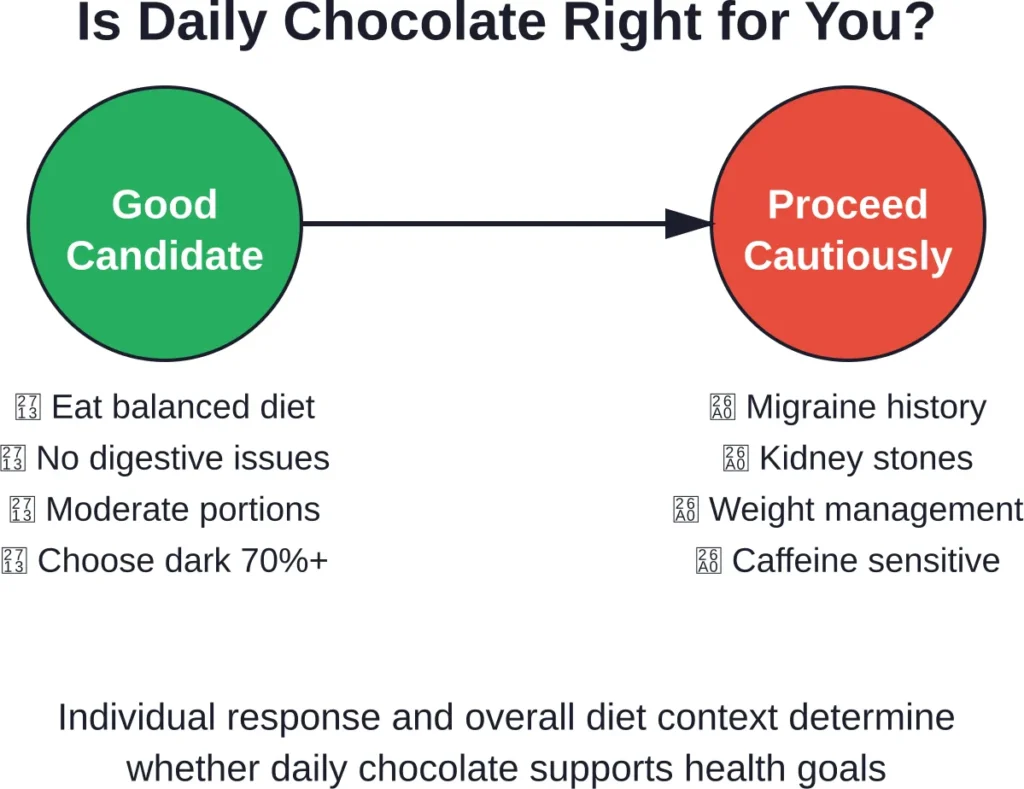
Some people experience digestive discomfort from daily chocolate consumption. Chocolate naturally contains caffeine and theobromine, compounds that can trigger acid reflux in susceptible individuals.
Some people report experiencing bloating or other gastrointestinal symptoms when eating chocolate daily. Individual tolerance varies considerably.
Potential Migraine Triggers
For individuals prone to migraines, chocolate ranks among common dietary triggers. The compounds in chocolate—tyramine, phenylethylamine, and caffeine—may contribute to headache onset in sensitive people.
That said, not everyone with migraines reacts to chocolate. Those who notice a pattern between chocolate consumption and migraine occurrence should consider limiting intake or avoiding it entirely.
Kidney Stone Considerations
Chocolate contains oxalates, compounds that can contribute to kidney stone formation in susceptible individuals. People with a history of calcium oxalate kidney stones might need to moderate chocolate intake.
The concern applies particularly to those consuming large amounts of chocolate. One to two ounces of dark chocolate daily likely poses minimal risk for most people without kidney stone history.
Making Daily Chocolate Work Within a Healthy Diet
The difference between chocolate as a health-supporting food and chocolate as a dietary problem comes down to approach and context.
Quality Over Quantity
Investing in higher-quality dark chocolate with 70-85% cocoa content delivers more flavonoids per bite with less sugar. A single square of excellent dark chocolate often satisfies more effectively than multiple pieces of lower-quality chocolate.
Check ingredient lists. The best dark chocolate contains cocoa, cocoa butter, minimal sugar, and perhaps vanilla. Avoid products with long lists of additives, artificial flavors, or excessive sweeteners.
Timing Matters
Research from Harvard-affiliated Brigham and Women’s Hospital found that eating chocolate during a narrow window of time in the morning may help the body burn fat and decrease blood sugar levels in postmenopausal women.
While more research is needed, timing chocolate consumption earlier in the day rather than late evening might offer metabolic advantages. The caffeine content also makes morning or early afternoon consumption more sleep-friendly.
Balance Within Overall Diet
The World Health Organization emphasizes that healthy diet comprises a combination of different foods, including whole grains, vegetables, fruit, and nuts, while limiting salt, sugars, and certain fats.
Chocolate shouldn’t displace nutrient-dense foods. When it fits into an overall pattern of wholesome eating—not as a replacement for actual meals—daily chocolate becomes much more defensible from a nutrition standpoint.
| Approach | Works Well | Problematic |
|---|---|---|
| Portion size | 1-2 oz dark chocolate | Multiple bars daily |
| Chocolate type | 70%+ cocoa content | Candy bars with fillings |
| Timing | Morning or afternoon | Late evening repeatedly |
| Overall diet | Nutrient-rich whole foods | Processed foods dominate |
| Frequency | Consistent small amounts | Binge eating patterns |
Listening to Individual Response
Bodies respond differently to foods. Some people tolerate daily chocolate beautifully. Others notice weight gain, skin breakouts, or digestive issues when chocolate becomes a daily habit.
Paying attention to individual response matters more than following rigid rules. If daily chocolate consumption aligns with health goals and doesn’t trigger negative symptoms, it can fit into a healthy lifestyle.
Special Considerations for Different Populations
Daily chocolate consumption affects different groups somewhat differently. Several populations should approach the question with specific considerations in mind.
People Managing Weight
For those working toward weight loss or weight maintenance, chocolate’s calorie density requires careful attention. One to two ounces of dark chocolate contains 150-200+ calories that must fit within daily energy needs.
The Academy of Nutrition and Dietetics emphasizes focusing on healthier fat varieties rather than eliminating fat entirely. Dark chocolate provides some beneficial fats, but portion control remains essential when managing calorie intake.
Individuals With Diabetes
Contrary to old advice that people with diabetes should avoid chocolate entirely, current evidence suggests dark chocolate in moderation can fit into a diabetes management plan. The key word: moderation.
Dark chocolate with high cocoa content has a lower glycemic impact than milk chocolate. Pairing chocolate with nuts or eating it after a balanced meal can help minimize blood sugar spikes.
Those With Heart Disease Risk Factors
Interestingly, research on chocolate and cardiovascular health shows potential benefits. The flavonoids in dark chocolate appear to support heart health through multiple mechanisms including blood pressure reduction.
That doesn’t mean chocolate replaces medication or other heart-healthy habits. But for people at cardiovascular risk, a small amount of dark chocolate daily likely isn’t harmful and may be helpful when part of an overall heart-healthy eating pattern.
When to Avoid Daily Chocolate
Despite potential benefits, daily chocolate consumption isn’t appropriate for everyone. Certain situations warrant caution or avoidance.
People with caffeine sensitivity might find that daily chocolate disrupts sleep or increases anxiety. Even dark chocolate contains meaningful amounts of caffeine.
Those with active eating disorders or disordered eating patterns should approach daily chocolate cautiously. For some individuals, having chocolate daily works fine. For others, it can trigger binge eating or unhealthy restriction-binge cycles.
Individuals taking certain medications should check with healthcare providers. Chocolate can interact with some drugs, and the tyramine content may pose issues for people taking MAO inhibitors.
Practical Tips for Enjoying Chocolate Every Day
For those who decide daily chocolate fits their lifestyle, a few strategies help maximize benefits while minimizing potential downsides.
Pre-portion servings. Break chocolate bars into individual servings and store them separately. This prevents mindless eating and helps maintain consistent portion sizes.
Savor slowly. Letting chocolate melt slowly in the mouth enhances satisfaction and makes smaller portions feel more substantial. Eating chocolate mindfully rather than quickly increases enjoyment per ounce.
Pair strategically. Combining dark chocolate with nuts, fruit, or as part of a meal slows sugar absorption and provides complementary nutrients. A few squares of dark chocolate with almonds makes a more balanced snack than chocolate alone.
Track the habit. When starting daily chocolate consumption, keeping brief notes about portions, timing, and how the body responds helps determine whether the habit supports overall health goals. After a few weeks, patterns become clear.
Stay flexible. Daily doesn’t have to mean absolutely every single day without exception. Having chocolate five to six days per week achieves similar benefits to rigid daily consumption with slightly more flexibility.
Frequently Asked Questions
One to two ounces of dark chocolate with at least 70% cocoa content represents the range most research supports for health benefits. This amount provides beneficial flavonoids while keeping sugar and calorie intake reasonable. Portions larger than two ounces daily may provide diminishing returns and increase the risk of excess calorie consumption.
No. Milk chocolate contains significantly less cocoa and more sugar than dark chocolate, resulting in fewer beneficial flavonoids per serving and higher sugar content. While milk chocolate can be enjoyed occasionally, it doesn’t deliver the same health benefits as dark chocolate with 70% or higher cocoa content. For daily consumption, dark chocolate is the better choice.
Chocolate can contribute to weight gain if it adds calories beyond daily energy needs or replaces more nutrient-dense foods. However, one to two ounces of dark chocolate daily—roughly 150-200 calories—can fit into most eating patterns without causing weight gain when overall calorie balance is maintained. Portion control and diet context matter more than the chocolate itself.
Research indicates that regular consumption of dark chocolate—at least 5 ounces per week—is associated with 21% lower diabetes risk compared to no consumption. Dark chocolate with high cocoa content has a relatively low glycemic impact. However, milk chocolate and lower-quality chocolate products with high sugar content can raise blood sugar significantly and should be limited, especially for people managing diabetes.
Some research suggests eating chocolate in the morning rather than evening may offer metabolic advantages, including improved fat burning and better blood sugar regulation. The caffeine content in chocolate also makes earlier consumption preferable for those sensitive to caffeine’s effects on sleep. However, timing matters less than total daily amount and chocolate quality.
Multiple observational studies show associations between regular chocolate consumption and reduced cardiovascular disease risk. In one study following nearly 21,000 people for 11 years, top chocolate consumers had a 12% cardiovascular disease rate compared to 17.4% among non-consumers. The flavonoids in dark chocolate appear to support heart health through blood pressure reduction and improved blood vessel function. However, chocolate should complement—not replace—other heart-healthy habits.
Chocolate contains compounds—tyramine, phenylethylamine, and caffeine—that may trigger migraines in susceptible individuals. Not everyone with migraines reacts to chocolate, but those who notice a consistent pattern between chocolate consumption and headache occurrence should consider limiting or avoiding it. Keeping a food diary helps identify whether chocolate truly triggers migraines or if the association is coincidental.
The Bottom Line on Eating Chocolate Everyday
So, is it okay to eat chocolate everyday? For most people, yes—with important qualifications.
Daily consumption of one to two ounces of dark chocolate with at least 70% cocoa content fits comfortably into a healthy eating pattern. Research supports potential benefits for cardiovascular health, diabetes risk reduction, and mood support.
The key lies in quality, quantity, and context. High-quality dark chocolate consumed in moderate portions as part of a nutrient-rich diet looks entirely different from multiple candy bars eaten alongside processed foods.
Individual factors matter enormously. Some people thrive with daily chocolate consumption. Others experience digestive issues, weight gain, or other problems that make daily chocolate a poor choice for their specific situation.
Listen to individual response. Pay attention to portion sizes. Choose dark chocolate over milk chocolate. Balance chocolate within an overall healthy eating pattern that prioritizes vegetables, whole grains, lean proteins, and other nutrient-dense foods.
When approached thoughtfully, chocolate can be both delicious and part of a health-supporting lifestyle. That’s permission to enjoy, not license to overindulge.
Ready to make chocolate part of a healthier diet? Start by choosing a high-quality dark chocolate with 70-85% cocoa content, portioning out one to two ounces, and noticing how your body responds over several weeks. Small, intentional changes create sustainable habits that actually stick.