
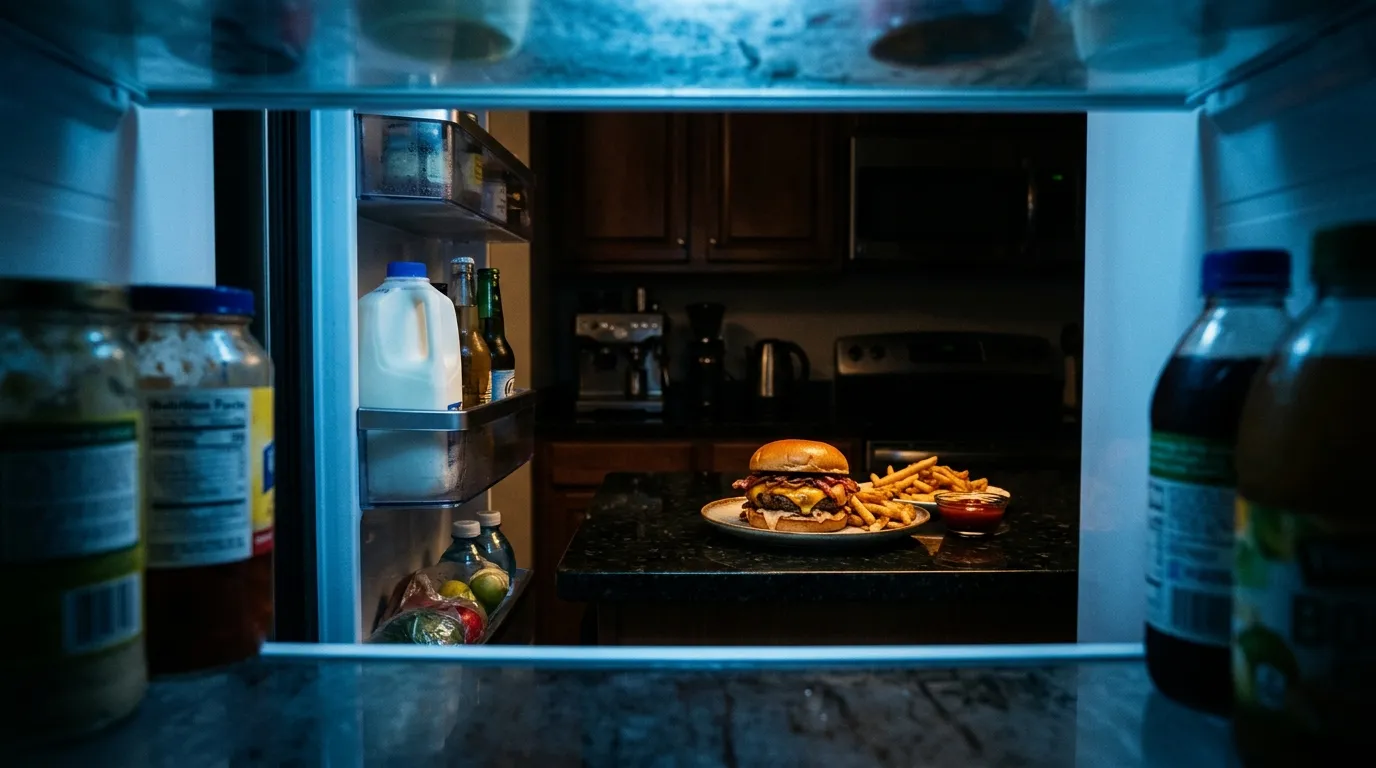
Quick Summary: Eating before bed isn’t inherently bad, but timing and food choices matter. Research shows that eating within 3 hours of bedtime can increase the odds of sleep disruption, while the right foods may actually improve sleep quality. The key is choosing lighter, nutrient-dense options and allowing adequate digestion time before lying down.
The question of whether it’s acceptable to eat before bed has sparked debate for decades. Some swear by avoiding food after 7 PM, while others reach for a midnight snack without a second thought.
Here’s the thing though—the science behind bedtime eating is more nuanced than a simple yes or no.
Research from multiple studies shows that both the timing of meals and what’s consumed can significantly impact sleep quality, metabolism, and overall health. But the effects aren’t universal. They vary based on individual circumstances, food choices, and how close to bedtime the eating occurs.
This comprehensive guide examines the evidence around nighttime eating, separating fact from fiction to help clarify when and what to eat for optimal sleep and health.
The Science of Eating Close to Bedtime
Recent studies have shed light on how meal timing affects sleep architecture and metabolic function.
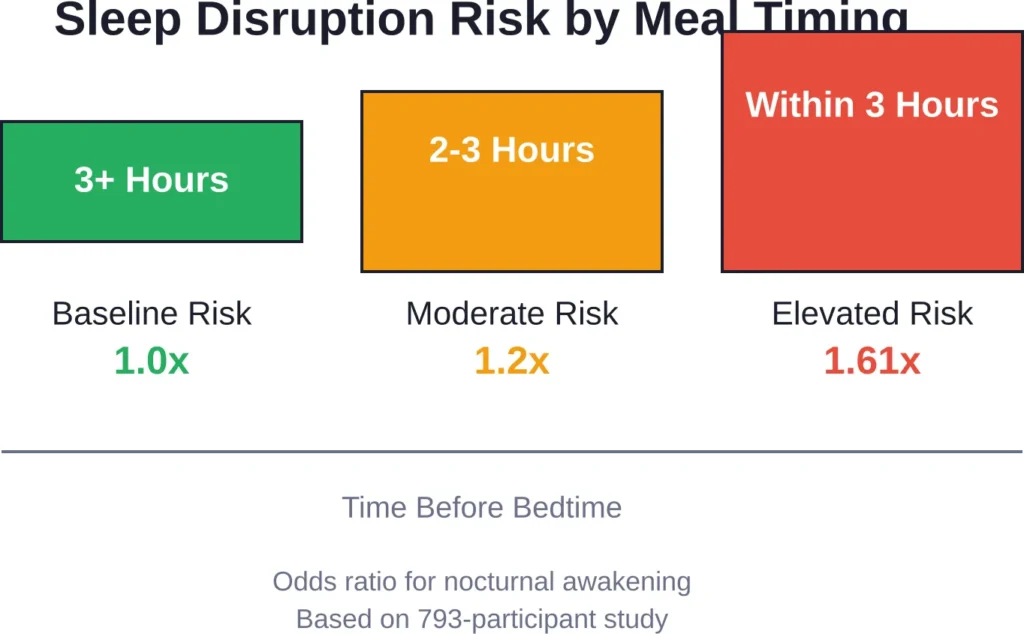
A study examining 793 participants aged 18-29 years found that eating within 3 hours of bedtime was associated with increased sleep disruption. Specifically, the research revealed an odds ratio of 1.61 for nocturnal awakening when meals occurred within this timeframe. After adjusting for various factors, the adjusted odds ratio remained significant at 1.43.
The metabolic response to food changes throughout the day. Research comparing identical meals of 544 kcals (with 15% protein, 35% fat, and 50% carbohydrate) consumed at different times showed that the body processes food differently depending on when it’s eaten.
This phenomenon relates to circadian rhythms—internal biological clocks that regulate metabolism, digestion, and sleep-wake cycles. When eating patterns conflict with these natural rhythms, metabolic efficiency can decrease.
How Digestion Affects Sleep Quality
The digestive process requires significant energy and blood flow to the gastrointestinal tract. When lying down shortly after eating, several physiological challenges arise.
Gravity normally assists digestion. In a horizontal position, stomach acid can more easily flow back into the esophagus, potentially causing reflux or heartburn. This is particularly problematic for people with gastroesophageal reflux disease or hiatal hernias.
The body’s core temperature naturally drops during sleep to facilitate rest. But active digestion generates heat and keeps metabolic activity elevated, which can interfere with the temperature decline needed for deep sleep.
Potential Benefits of Eating Before Bed
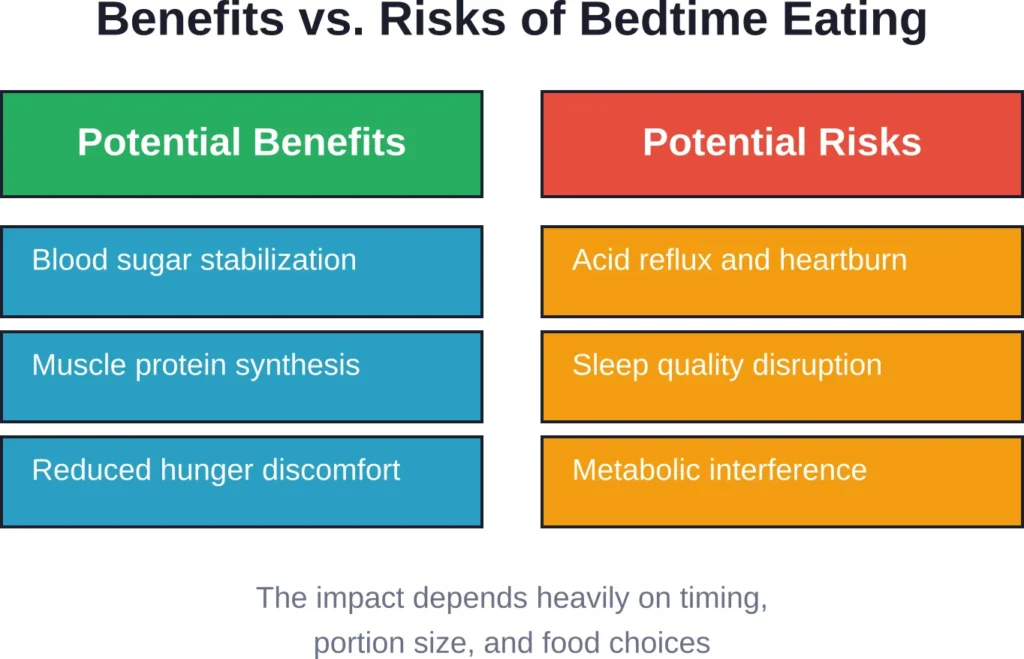
Despite the concerns, eating before bed isn’t always detrimental. In certain circumstances, it can offer legitimate benefits.
Blood Sugar Stabilization
For some people, especially those with blood sugar regulation issues, a small snack before bed can prevent nocturnal hypoglycemia. Low blood sugar during sleep can trigger the release of stress hormones like cortisol and adrenaline, which disrupt sleep and cause early morning awakening.
A light, balanced snack containing protein and complex carbohydrates can maintain steady glucose levels throughout the night.
Muscle Protein Synthesis
Research indicates that casein protein consumption before sleep can support muscle protein synthesis during overnight recovery periods.
This is particularly relevant for athletes, people engaged in resistance training, or older adults trying to maintain muscle mass. The slow-digesting protein provides amino acids throughout the night when the body performs significant repair and recovery work.
Appetite Control and Cravings
Going to bed extremely hungry can make falling asleep difficult. The discomfort and preoccupation with hunger can keep the mind active and prevent relaxation.
Additionally, extreme hunger before bed can lead to overeating the next day or making poor food choices at breakfast. A modest, nutrient-dense snack can prevent this cycle.
Risks and Downsides of Nighttime Eating
The potential drawbacks of eating before bed are well-documented and shouldn’t be dismissed.
Gastroesophageal Reflux and Digestive Issues
Lying down with a full stomach increases the risk of acid reflux. Stomach contents, including acid, can flow back into the esophagus, causing heartburn, throat irritation, and disrupted sleep.
This risk increases with certain foods—particularly those high in fat, spice, or acidity. Even people without diagnosed reflux can experience symptoms when eating too close to bedtime.
Sleep Architecture Disruption
Active digestion during sleep can fragment sleep cycles and reduce time spent in deep, restorative sleep stages. The body diverts resources to digestion rather than repair and recovery processes that normally occur during sleep.
Studies tracking sleep quality have consistently found associations between late-night eating and reduced sleep efficiency, more frequent awakenings, and subjective reports of poor sleep quality.
Metabolic Concerns and Weight Management
Eating when the body expects to be fasting can interfere with metabolic processes. The circadian system primes metabolism for food intake during daylight hours, with reduced insulin sensitivity and metabolic rate in the evening.
Night Eating Syndrome, characterized by consuming 50% or more of daily calories after dinner, has been associated with obesity and metabolic dysfunction. While occasional nighttime snacks differ from this pattern, regular large meals before bed can contribute to weight gain over time.
How Long Before Bed Should You Stop Eating?
The ideal cutoff time for eating before bed varies by individual, but research provides helpful guidelines.
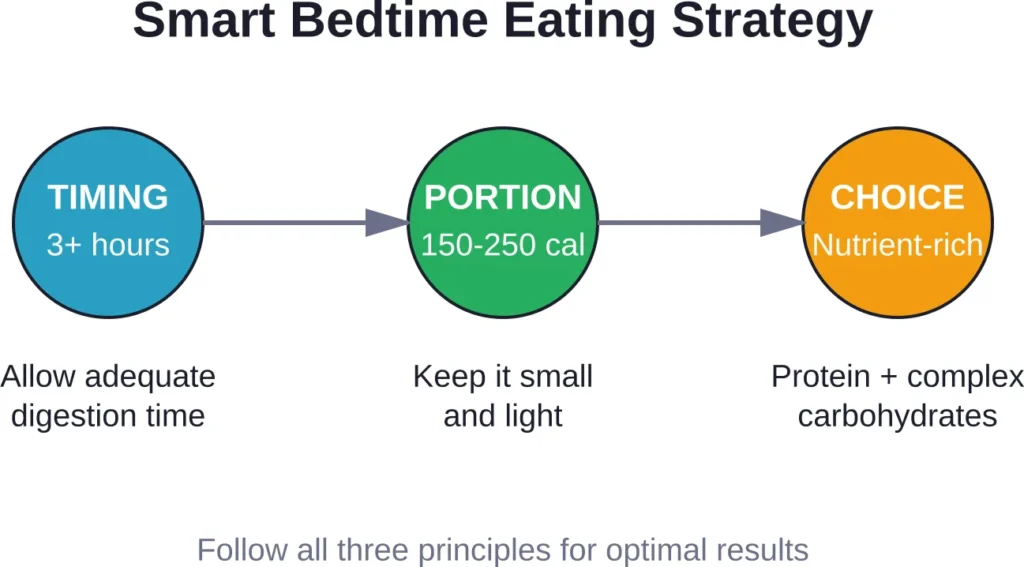
Research suggests eating at least three hours before bedtime gives the body adequate time to complete initial digestion before lying down.
For heavy or large meals, an even longer window—four to five hours—may be beneficial. These meals require more digestive effort and generate more metabolic heat, both of which can interfere with sleep onset.
That said, individual factors matter. People with faster metabolisms, active lifestyles, or specific medical conditions may need adjustments to this general guideline.
Special Considerations for Different Groups
Athletes and highly active individuals often have higher caloric needs and may benefit from strategic nutrient timing, including pre-sleep protein consumption. The muscle-building benefits can outweigh minor sleep impacts for this population.
Night shift workers face unique challenges since their eating schedules don’t align with typical circadian patterns. Research on night workers shows that both meal timing and composition affect their already-compromised sleep quality.
People with gastroesophageal reflux disease or other digestive conditions generally need longer fasting windows before lying down—often four hours or more—to minimize symptoms.
Best Foods to Eat Before Bed
When eating close to bedtime is necessary, food choices become critical.
Tryptophan-Rich Foods
Tryptophan is an amino acid that serves as a precursor to serotonin and melatonin—neurotransmitters involved in sleep regulation. Foods high in tryptophan include turkey, chicken, eggs, cheese, and tofu.
One roasted chicken leg contains 697 milligrams or 249% of the reference daily intake (RDI). Complex carbohydrates can facilitate tryptophan transport to the brain.
Complex Carbohydrates
Complex carbs can facilitate tryptophan transport to the brain. Good options include oatmeal, whole grain crackers, or a small portion of brown rice.
These foods provide sustained energy without causing blood sugar spikes that might disrupt sleep later in the night.
Magnesium-Rich Options
Magnesium supports muscle relaxation and nervous system function. Foods high in magnesium include almonds, pumpkin seeds, spinach, and bananas.
A small handful of nuts or a banana with almond butter makes an excellent bedtime snack that provides both magnesium and tryptophan.
Protein-Based Snacks
Protein before bed can stabilize blood sugar and support muscle recovery. Greek yogurt, cottage cheese, or a small portion of lean meat are good choices.
The slow-digesting casein protein in dairy products is particularly beneficial for overnight muscle protein synthesis.
| Food Category | Examples | Benefits | Portion Size |
|---|---|---|---|
| Tryptophan-Rich Protein | Turkey, chicken, eggs, cheese | Promotes melatonin production | 2-3 oz |
| Complex Carbohydrates | Oatmeal, whole grain crackers | Facilitates tryptophan absorption | ½ cup or small serving |
| Magnesium-Rich Foods | Almonds, pumpkin seeds, banana | Supports relaxation | Small handful or 1 medium fruit |
| Dairy Products | Greek yogurt, cottage cheese | Slow-digesting protein, calcium | ½ cup |
Foods to Avoid Before Bedtime
Certain foods consistently interfere with sleep quality when consumed in the evening.
High-Fat and Fried Foods
Fatty foods take longer to digest and can cause discomfort when lying down. They also increase the risk of reflux and heartburn.
Fried items, heavy cream sauces, and high-fat meats should be avoided within several hours of bedtime.
Spicy Foods
Capsaicin and other compounds in spicy foods can irritate the digestive system and raise body temperature—both counterproductive for sleep. They’re also common triggers for acid reflux.
Caffeine and Stimulants
This seems obvious, but it bears repeating. Caffeine has a half-life of approximately five to six hours, meaning that afternoon coffee can still affect nighttime sleep.
Hidden sources include chocolate, certain teas, energy drinks, and some medications.
High-Sugar Foods
Sugar causes blood glucose spikes followed by crashes that can disrupt sleep. High-sugar snacks before bed can lead to energy fluctuations throughout the night.
Additionally, refined sugars provide empty calories without the nutrients that support sleep quality.
Alcohol
While alcohol may initially cause drowsiness, it significantly disrupts sleep architecture. It reduces REM sleep, increases sleep fragmentation, and can worsen conditions like sleep apnea.
The diuretic effect also increases nighttime bathroom trips, further fragmenting sleep.
Practical Guidelines for Nighttime Eating
If eating before bed is unavoidable or beneficial in specific circumstances, follow these practical strategies.
Keep Portions Small
A snack should be just that—a small amount of food to address hunger, not a full meal. Aim for 150-250 calories maximum.
The goal is to quiet hunger without triggering active digestion that interferes with sleep.
Choose Nutrient Density Over Empty Calories
Every bite should provide nutritional value. Skip chips and cookies in favor of foods that offer protein, healthy fats, fiber, vitamins, or minerals.
Nutrient-dense options satisfy hunger more effectively with smaller portions.
Stay Hydrated But Not Overhydrated
Adequate hydration supports all bodily functions, including sleep. However, drinking large amounts of fluid right before bed increases the likelihood of nighttime bathroom trips.
Sip water throughout the evening rather than gulping large quantities immediately before sleep.
Timing Consistency Matters
The body thrives on routine. Eating at consistent times helps regulate circadian rhythms and metabolic function.
If a small bedtime snack is part of the routine, having it at approximately the same time each night can minimize disruption.
The Connection Between Sleep and Overall Eating Patterns
Bedtime eating doesn’t exist in isolation—it’s part of broader dietary and lifestyle patterns.
Diet Quality Throughout the Day
Research suggests that diets high in fiber, fruits, and vegetables are associated with better sleep quality overall. Conversely, diets high in saturated fat and added sugar may contribute to poor sleep.
Someone eating a nutrient-poor diet all day won’t fix sleep problems with a perfect bedtime snack. The foundation of good sleep through nutrition is built on consistent, quality food choices.
Regular Exercise and Its Timing
Physical activity supports better sleep, but timing matters. Most adults should aim for a minimum of 150 minutes of moderate-level exercise such as walking or biking each week.
However, exercising two to three hours before bed should be avoided, as it raises body temperature and stimulation levels that can delay sleep onset.
Stress Management and Emotional Eating
Nighttime eating often stems from stress, boredom, or emotional factors rather than physical hunger. Addressing the root causes of late-night eating habits can be more effective than simply focusing on food choices.
Mindfulness practices, stress reduction techniques, and establishing relaxing bedtime routines can reduce the urge for unnecessary nighttime snacking.
Individual Variations and Listening to Your Body
General guidelines provide a helpful framework, but individual responses vary significantly.
Some people tolerate evening eating with no sleep disruption, while others experience problems even with small snacks hours before bed. Genetic factors, metabolic rate, activity level, and underlying health conditions all play roles.
The best approach involves experimentation and self-observation. Track sleep quality, energy levels, and digestive comfort when eating at different times with various foods.
Pay attention to patterns. Does eating fruit before bed cause issues while protein doesn’t? Do problems only occur when eating within two hours versus three hours of sleep?
This personalized data is more valuable than any one-size-fits-all recommendation.
When to Consult a Healthcare Professional
Certain situations warrant professional guidance rather than self-management.
Persistent sleep problems that don’t improve with lifestyle modifications may indicate underlying sleep disorders requiring diagnosis and treatment.
Frequent heartburn, especially when accompanied by difficulty swallowing, chronic cough, or hoarseness, could signal gastroesophageal reflux disease or other conditions needing medical attention.
Night eating syndrome—characterized by consuming 50% or more of daily calories after dinner, often with morning anorexia—is a recognized eating disorder that benefits from professional treatment.
Anyone with diabetes, metabolic syndrome, or other medical conditions should discuss meal timing strategies with their healthcare provider, as individual recommendations may differ from general advice.
Frequently Asked Questions
Not directly. Weight gain results from consuming more calories than expended over time, regardless of when those calories are consumed. However, eating before bed may contribute to weight gain indirectly if it adds extra calories beyond daily needs, if poor food choices are made, or if it disrupts sleep—since poor sleep is associated with increased appetite and weight gain. The timing itself isn’t the primary factor; total caloric intake and food quality matter more.
The best bedtime snacks combine protein and complex carbohydrates in small portions. Good options include Greek yogurt with berries, a banana with almond butter, whole grain crackers with cheese, or a small handful of nuts. These provide sustained energy, support muscle recovery, and contain nutrients like tryptophan and magnesium that may promote sleep. Keep portions small—around 150-250 calories—to avoid digestive discomfort.
Yes, some foods contain compounds that support sleep. Tryptophan-rich foods like turkey, chicken, eggs, and dairy products provide the building blocks for melatonin production. Foods high in magnesium—such as almonds, pumpkin seeds, and leafy greens—support muscle relaxation. Tart cherries contain natural melatonin. Complex carbohydrates can facilitate tryptophan transport to the brain. That said, no single food will overcome poor sleep habits or underlying sleep disorders.
Research suggests waiting at least three hours after a meal before lying down to sleep. This allows time for initial digestion and reduces the risk of reflux, heartburn, and sleep disruption. For larger or heavier meals, four to five hours may be better. Individual factors matter—people with reflux or digestive issues may need longer windows, while others tolerate shorter timeframes. If hunger strikes closer to bedtime, choose a small, light snack rather than a full meal.
Moderate fluid intake before bed is generally fine and supports hydration. However, drinking large amounts immediately before sleep can lead to nocturia—waking to urinate—which fragments sleep. The best approach is staying hydrated throughout the day and evening with smaller, consistent amounts rather than drinking large quantities right before bed. If nighttime urination is already a problem, limiting fluids for two to three hours before sleep may help.
Going to bed extremely hungry can make falling asleep difficult due to discomfort and preoccupation with hunger. It can also lead to blood sugar drops that trigger stress hormone release, disrupting sleep and causing early waking. Additionally, severe hunger at bedtime often results in overeating or poor food choices the next day. A small, balanced snack when genuinely hungry is better than going to bed uncomfortable. The key is distinguishing between true physical hunger and emotional or habitual eating.
Yes, eating patterns can influence metabolic function. The body’s metabolism follows circadian rhythms, with higher insulin sensitivity and metabolic efficiency during daylight hours. Eating when the body expects to be fasting—particularly large meals or high-calorie foods late at night—may interfere with these natural rhythms. Regular nighttime eating, especially when it constitutes a large portion of daily calories, has been associated with metabolic dysfunction and weight gain. However, occasional small snacks are unlikely to cause significant metabolic problems in otherwise healthy individuals.
Conclusion: Finding Your Personal Balance
So, is it OK to eat before bed? The answer depends on timing, portion size, food choice, and individual circumstances.
Research clearly shows that eating within three hours of bedtime increases sleep disruption risk. Large meals, high-fat foods, and sugary snacks before sleep can interfere with rest and digestion. For many people, avoiding food for several hours before bed optimizes sleep quality.
But context matters. A small, nutrient-dense snack when genuinely hungry may be better than going to bed uncomfortable. Athletes and active individuals may benefit from strategic protein intake before sleep. People with blood sugar regulation issues might need a light snack to prevent nocturnal hypoglycemia.
The key is making informed, intentional choices rather than mindless late-night eating. Choose foods that support rather than undermine sleep. Pay attention to portion sizes. Allow adequate time for digestion before lying down.
Most importantly, listen to your body. Track how different foods and timing affect your sleep and overall well-being. What works for one person may not work for another.
Start experimenting with these evidence-based strategies tonight. Note how you feel when following the three-hour rule versus eating closer to bedtime. Try different food combinations and observe which leave you sleeping soundly versus tossing and turning.
Your sleep quality—and overall health—will thank you for the attention.