
Quick Summary: Most adult cats are lactose intolerant and should not drink cow’s milk, as they lack sufficient lactase enzyme to digest lactose properly. This can lead to digestive upset including diarrhea, vomiting, and stomach discomfort. While kittens can digest their mother’s milk, they lose this ability as they mature, making water the best and only necessary beverage for cats.
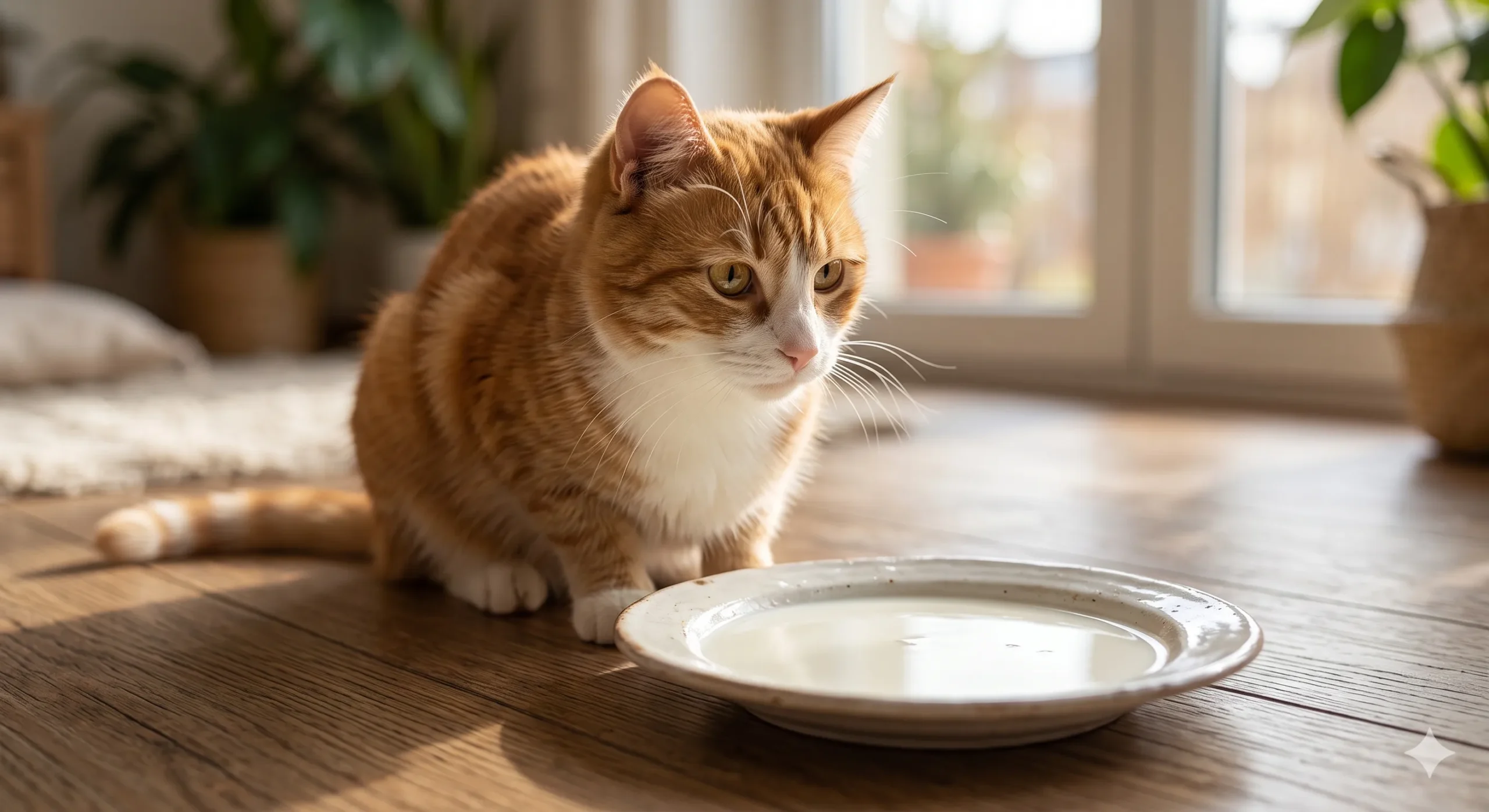
The image of a contented cat lapping up a saucer of milk appears everywhere—in movies, cartoons, and children’s books. It’s one of those cultural touchstones that feels timeless and wholesome.
But here’s the thing: that charming scene is actually terrible advice for cat owners.
The short answer? No, most cats should not drink cow’s milk. Despite what decades of media portrayals suggest, dairy products can cause significant digestive problems for the majority of felines. And the science behind this isn’t new—it’s just been overshadowed by persistent myths.
Why Cats Can’t Handle Cow’s Milk
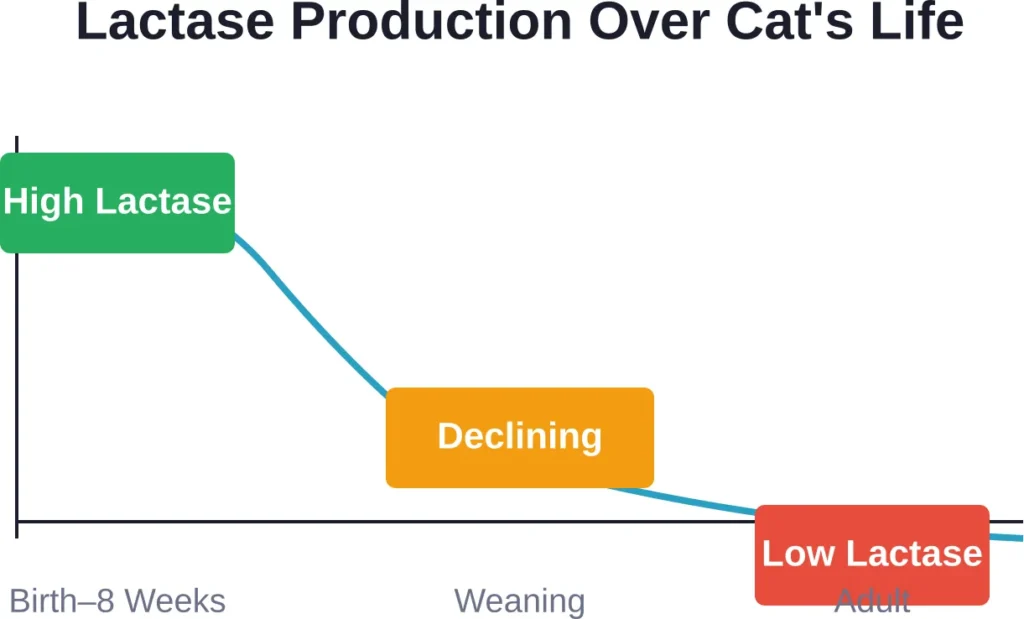
The primary issue comes down to lactose, the natural sugar found in milk. To digest lactose properly, mammals need an enzyme called lactase that breaks it down into simpler sugars the intestines can absorb.
Kittens produce plenty of lactase because they rely on their mother’s milk for nutrition during their first weeks of life. Mother cats typically stop nursing kittens around 4 to 10 weeks of age, after which kittens transition to solid foods.
But once weaning happens, something shifts. Cats—like most mammals—stop producing significant amounts of lactase as they mature. The ASPCA reports that cats do not possess significant amounts of lactase, the enzyme that breaks down lactose in milk.
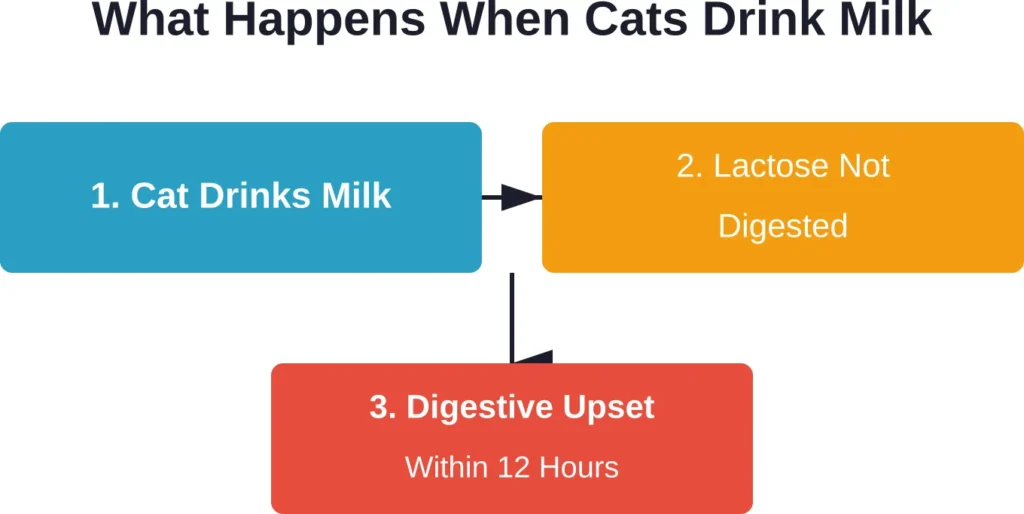
This creates a problem when well-meaning owners pour cow’s milk into their cat’s bowl. The undigested lactose sits in the intestines, drawing in water and creating the perfect environment for bacterial fermentation. The result? Digestive chaos.
Symptoms of Lactose Intolerance in Cats
If a cat has consumed milk or dairy products, the signs typically appear within about 12 hours. Common symptoms include:
- Diarrhea (often the most obvious sign)
- Vomiting
- Gas and bloating
- Stomach discomfort or pain
- Loss of appetite
Most cases are self-limiting, meaning the symptoms resolve once the lactose passes through the system. But that doesn’t make the experience pleasant for the cat—or for the owner dealing with litter box cleanup.
Real talk: if your cat shows these signs within half a day of eating dairy, they’re almost certainly lactose intolerant.
Are Any Cats Able to Drink Milk?
Here’s where it gets slightly complicated. Not every single cat is lactose intolerant to the same degree.
Some cats retain more lactase production than others, meaning they can handle small amounts of dairy without obvious symptoms. But these cats are the exception, not the rule. And even when a cat doesn’t show immediate digestive upset, that doesn’t mean milk is beneficial—or even neutral.
Cow’s milk contains calories and fat that can contribute to weight gain and obesity in cats. It provides zero nutritional value that cats can’t get from properly formulated cat food. There’s simply no health-based reason to offer it.
What About Kittens?
Kittens have different nutritional needs than adult cats. According to ASPCA data, kittens need about 2 to 3 times the energy of adult cats, with approximately 30% of their total energy coming from protein.
But that doesn’t mean cow’s milk is appropriate for them either.
Mother’s milk—whether feline or canine—has a specific nutrient composition designed for that species. Research on dog milk replacers found that DHA was undetectable in 12 of 15 products tested, and arachidonic acid concentrations in 3 of 4 products were less than 16% of the concentration in natural dog milk.
The composition mismatch matters. Cow’s milk doesn’t contain the right balance of nutrients for feline growth and development. If a kitten needs supplemental feeding because the mother is unavailable or not producing enough milk, a species-appropriate milk replacer formulated specifically for kittens is the only safe option.
What Should Cats Drink Instead?
This one’s straightforward: water.
Fresh, clean water is the only beverage cats need. How much they drink depends on several factors including age, size, diet, and health status. Cats eating primarily wet food (which is around 70% water) may drink less than cats on dry kibble diets.
The key is making water appealing and accessible:
- Provide multiple water stations around the house
- Use wide, shallow bowls (cats dislike their whiskers touching the sides)
- Change water daily to keep it fresh
- Consider a cat water fountain if your cat prefers running water
- Keep water bowls away from litter boxes
If a cat suddenly starts drinking significantly more or less than usual, that’s a red flag. Take them to the veterinarian, as changes in drinking behavior can signal underlying health issues.
What About Special Cat Milk Products?
Pet stores sell lactose-free “cat milk” products specifically formulated for felines. These have the lactose removed or broken down, eliminating the digestive upset issue.
Are they necessary? No. Are they harmful? Generally not, when used in moderation.
But they’re essentially treats. Treats should make up only a small percentage of a cat’s daily nutrient intake. These products contain calories that can contribute to weight gain if overfed.
If you want to offer cat milk as an occasional treat, that’s fine—just don’t confuse it with a dietary necessity.
Why the Milk Myth Persists
So why does the image of cats and milk remain so embedded in popular culture?
Historically, barn cats and farm cats had regular access to fresh cow’s milk during milking. Farmers often gave cats the cream or milk as a treat. The cats likely experienced digestive issues, but in outdoor farm settings, this wasn’t as noticeable as it would be with indoor cats using litter boxes.
The practice became romanticized in literature and media, creating a self-perpetuating cycle. Each generation grew up seeing cats drink milk in stories and cartoons, never questioning whether it was actually good for them.
But veterinary science has moved forward, even if popular culture hasn’t quite caught up.
| Beverage | Safe for Cats? | Notes |
|---|---|---|
| Water | Yes | The only necessary beverage for cats |
| Cow’s Milk | No | Causes digestive upset in most cats |
| Lactose-Free Cat Milk | Moderation | Safe as occasional treat, not nutritionally necessary |
| Almond/Soy Milk | No | May contain additives harmful to cats |
| Kitten Formula | Kittens only | For orphaned or supplementally-fed kittens under 8 weeks |
Food Allergies and Sensitivities
Beyond lactose intolerance, some cats may have actual dairy allergies. Research published in the American Veterinary Medical Association journals notes that food allergy is a recognized clinical entity in cats and should be considered in the workup of animals showing certain symptoms.
Food allergies in cats can manifest as:
- Skin issues and excessive itching
- Urticaria (hives)
- Conjunctivitis
- Respiratory signs
- Gastrointestinal symptoms
True food allergies are different from lactose intolerance. An allergy involves the immune system reacting to proteins in dairy, while lactose intolerance is simply the inability to digest a specific sugar. Both are good reasons to keep dairy out of your cat’s diet.
Frequently Asked Questions
While a tiny amount might not cause severe problems in some cats, there’s no good reason to risk it. Most cats will experience digestive upset, and even those that don’t gain no nutritional benefit. Stick to treats formulated specifically for cats instead.
No. Cats are attracted to the fat and protein content in milk, which tastes appealing. But cats also try to eat things that are toxic to them, like certain plants. Craving something doesn’t mean it’s safe or healthy.
Monitor them for symptoms like diarrhea, vomiting, or stomach discomfort over the next 12-24 hours. Most cases resolve on their own once the lactose passes through. Provide plenty of fresh water and contact your veterinarian if symptoms are severe or persistent.
Not necessarily. Lactose-free milk designed for humans may still contain ingredients that aren’t appropriate for cats. If you want to give your cat a milk-like treat, choose products specifically formulated for felines and use them sparingly.
No. Orphaned kittens need a milk replacer specifically formulated for kittens, available at pet stores and veterinary clinics. Cow’s milk lacks the proper nutrient balance for feline development and will not support healthy growth.
If your cat shows signs of vomiting, diarrhea, gas, or stomach discomfort within about 12 hours of consuming dairy, they’re likely lactose intolerant. Given that most cats are, it’s safer to simply assume your cat can’t handle dairy and avoid it entirely.
No. All dairy products contain lactose, though the amounts vary. Cream and cheese are also high in fat and calories, making them poor choices for cats regardless of lactose content.
The Bottom Line
Despite what every cartoon and children’s book suggests, cats and cow’s milk don’t mix. The vast majority of adult cats lack the enzyme needed to digest lactose, leading to predictable digestive problems when they consume dairy.
Water is the only beverage cats need. It’s free, readily available, and won’t cause stomach upset or contribute to obesity. Save yourself the veterinary bills and the litter box cleanup—skip the milk.
If you notice any sudden changes in your cat’s drinking habits, eating patterns, or overall health, schedule a veterinary appointment. These changes can indicate underlying conditions that need professional attention.
Your cat might give you pleading looks when you open the refrigerator, but trust the science, not the cultural myths. Your feline friend will be healthier for it.