

Quick Summary: Eating eggs every day is generally safe for most healthy individuals, with research showing that consuming up to one egg daily does not increase cardiovascular disease risk. Eggs provide high-quality protein, essential vitamins, and beneficial nutrients. However, moderation matters—those with diabetes or existing heart conditions should consult healthcare providers about their specific limits.
For decades, eggs sat at the center of a heated nutritional debate. Doctors warned about cholesterol. Health organizations issued conflicting guidelines. And anyone who enjoyed eggs for breakfast wondered whether they were helping or harming their body.
The science has evolved dramatically. Recent research from Harvard and other institutions paints a clearer picture of how eggs fit into a healthy diet.
So what’s the real story? Can eggs be part of your daily routine, or should they remain an occasional treat?
What Makes Eggs Nutritionally Valuable
Eggs pack an impressive nutritional profile into a compact package. A single medium egg delivers substantial amounts of protein, vitamins, and minerals while keeping calories relatively low.
According to research published in medical journals, eggs qualify as a complete protein source. They contain all essential amino acids needed for muscle maintenance and cellular function.
Key Nutrients in Eggs
The nutritional breakdown reveals why eggs earned their reputation as a powerhouse food. Per 100 grams of whole egg, protein provides 38.5% of the energy content.
Vitamin D content is particularly noteworthy—eggs deliver notable amounts of this critical vitamin per 100 grams. That makes them one of the few natural dietary sources of this critical vitamin.
| Nutrient | Amount per 100g | Key Benefits |
|---|---|---|
| Protein | 12.6g | Muscle maintenance, satiety |
| Vitamin D | 64% of RDA | Bone health, immune function |
| Choline | High | Brain development, liver function |
| B Vitamins | Multiple | Energy metabolism, nerve health |
| Selenium | Significant | Antioxidant protection |
The fat composition also deserves attention. Monounsaturated fatty acids (MUFA) and polyunsaturated fats constitute a significant portion of the fat in eggs, contributing to the energy content per 100 grams. These are the same heart-healthy fats found in olive oil and avocados.
The Cholesterol Question: What Research Actually Shows
Here’s where things got complicated for years. One large egg yolk contains roughly 200 mg of dietary cholesterol—one of the richest sources in common foods.
But dietary cholesterol doesn’t affect blood cholesterol the way scientists once believed.
Harvard research indicates that consuming up to one egg daily does not appear to be associated with cardiovascular disease risk. The Physicians’ Health Study tracked this relationship extensively and found no increased heart disease rates among people eating one egg per day.
Understanding the Updated Science
Research published in JAMA examined the relationship between dietary cholesterol, eggs, and cardiovascular outcomes. The findings showed that each additional 300 mg of dietary cholesterol daily was associated with a 17% increased CVD risk and 18% increased all-cause mortality risk.
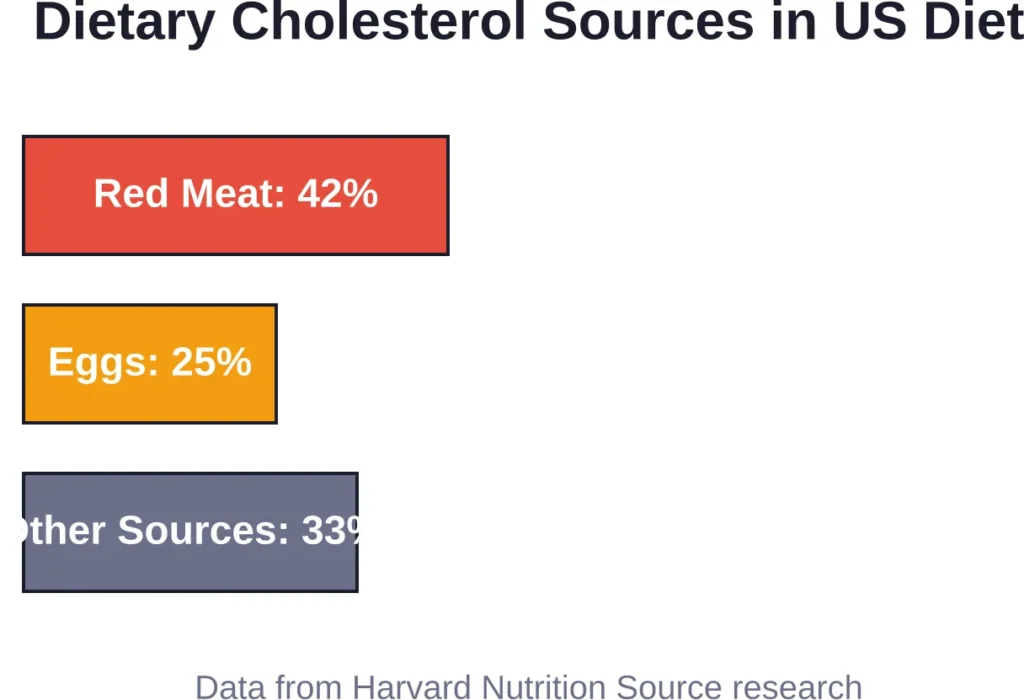
However—and this matters—eggs contribute only 25% of total dietary cholesterol in the typical American diet, while red meat contributes 42%. Context is everything.
More recent studies show even more nuanced results. Research found that each additional half-egg consumed daily was associated with a 6% increased CVD risk and 8% increased all-cause mortality risk. Yet many large-scale studies found no significant association at moderate consumption levels.
The takeaway? One egg daily appears safe for most people. Higher amounts require more caution, especially for specific populations.
Who Should Be Cautious About Daily Eggs
Not everyone responds to dietary cholesterol identically. Genetics, existing health conditions, and overall diet patterns all influence how eggs affect individual health.
People with diabetes face different considerations. Some research suggests that individuals with diabetes who consume higher amounts of eggs may face elevated cardiovascular risk compared to those without diabetes.
Those with existing heart disease or familial hypercholesterolemia should consult healthcare providers. Medical guidance tailored to individual risk factors trumps general population recommendations.
Individual Variation Matters
Some people are “hyper-responders” to dietary cholesterol. Their blood cholesterol levels rise more sharply in response to cholesterol-rich foods compared to the general population.
For these individuals, even moderate egg consumption might warrant monitoring. Blood tests can reveal whether dietary changes affect cholesterol markers.
Health Benefits Beyond Basic Nutrition
Dismissing eggs as merely a cholesterol source ignores their substantial health contributions. The research literature documents multiple beneficial effects.
Eggs promote satiety more effectively than many breakfast alternatives. The high protein content helps maintain stable blood sugar and reduces mid-morning hunger.
Choline, abundantly present in eggs, supports brain health and liver function. This essential nutrient often falls short in modern diets, making eggs a valuable source.
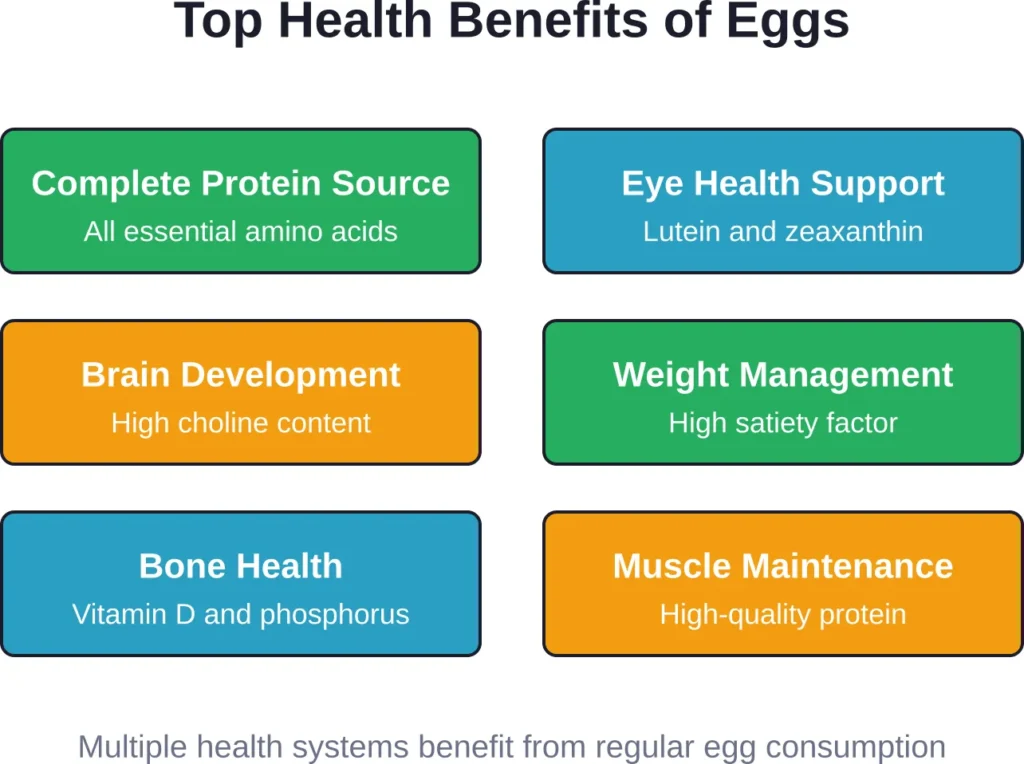
The antioxidants lutein and zeaxanthin concentrate in egg yolks. These compounds specifically protect eye health and may reduce age-related macular degeneration risk.
How Preparation Methods Affect Health Impact
The health effects of eggs depend partly on how they’re prepared and what accompanies them. A veggie omelet with olive oil differs dramatically from eggs fried in butter alongside bacon and hash browns.
Boiling, poaching, or scrambling with minimal added fat preserves the nutritional benefits while limiting unhealthy additions. High-heat cooking methods like frying can oxidize cholesterol, potentially creating compounds with different health effects.
The “trimmings” matter as much as the eggs themselves, as Harvard researchers note. Whole grain toast and vegetables create a balanced meal. Processed meats and refined carbohydrates shift the equation unfavorably.
Current Expert Recommendations
Major health organizations have updated their guidance as evidence accumulated. The shift reflects better understanding of how dietary cholesterol interacts with cardiovascular health.
The Heart Foundation sets no specific limit for healthy people when it comes to daily egg consumption. The emphasis falls on incorporating eggs as part of an overall balanced diet.
Research from Harvard School of Public Health found that moderate egg consumption—up to one egg daily—does not appear to be associated with cardiovascular disease risk in healthy individuals.
| Population Group | Recommended Amount | Special Considerations |
|---|---|---|
| Healthy Adults | Up to 1 egg daily | Part of balanced diet |
| People with Diabetes | Consult healthcare provider | May need stricter limits |
| High Cholesterol | Monitor individual response | Regular blood testing advised |
| Heart Disease | Medical guidance needed | Consider overall diet pattern |
But here’s what often gets overlooked: overall dietary pattern matters more than any single food. Mediterranean-style eating patterns that include eggs alongside vegetables, whole grains, and healthy fats consistently show positive health outcomes.
Making Eggs Work in a Healthy Diet
Incorporating eggs daily becomes healthier when the broader diet supports cardiovascular health. Think of eggs as one component rather than the entire story.
Pair eggs with fiber-rich foods like vegetables, fruits, and whole grains. This combination slows digestion, stabilizes blood sugar, and provides complementary nutrients.
Limit saturated fat from other sources when eating eggs regularly. Since eggs contain some saturated fat, balance comes from choosing lean proteins, plant-based fats, and minimal processed foods elsewhere in the diet.
Watch sodium intake from accompaniments. Processed breakfast meats, cheese, and salty seasonings can overwhelm the nutritional benefits eggs provide.
When to Reconsider Daily Egg Consumption
Certain symptoms or health changes warrant reassessment. If blood cholesterol levels rise significantly after increasing egg intake, that’s a signal worth heeding.
Digestive discomfort or allergic reactions obviously necessitate avoiding eggs. True egg allergies affect some children, though many outgrow this sensitivity.
Emerging health conditions change the calculation. A new diabetes diagnosis or cardiovascular disease development means revisiting dietary patterns with medical guidance.
Frequently Asked Questions
For healthy adults, research supports consuming up to seven eggs weekly (one per day) without increased cardiovascular risk. This aligns with findings from large-scale studies tracking egg consumption and heart disease outcomes over extended periods.
For most people, dietary cholesterol from eggs has minimal impact on blood cholesterol levels. The body compensates by producing less cholesterol internally. However, roughly 25% of people are hyper-responders whose blood cholesterol rises more substantially from dietary sources.
Whole eggs provide significantly more nutrients than whites alone. While egg whites contain protein without cholesterol, the yolk holds vitamin D, choline, B vitamins, and beneficial antioxidants. Unless specifically advised to limit cholesterol, whole eggs offer superior nutrition.
This depends on individual response and overall dietary patterns. Some people with high cholesterol tolerate daily eggs without worsening their lipid profiles, especially when their diet is otherwise heart-healthy. Medical testing and professional guidance help determine individual tolerance.
Boiling, poaching, and gentle scrambling with minimal added fat preserve nutrients while limiting unhealthy compounds. High-temperature frying, especially with excess butter or oil, can oxidize cholesterol and add unnecessary saturated fat.
Pastured eggs may contain higher levels of omega-3 fatty acids and certain vitamins compared to conventional eggs, though differences are relatively modest. Both types provide excellent protein and essential nutrients. The choice often reflects personal values around animal welfare and farming practices.
Eggs provide valuable nutrition for growing children, including protein, choline for brain development, and vitamin D for bone health. Unless allergies exist, daily eggs can fit appropriately into a child’s balanced diet. Preparing them without excessive added fat or sodium optimizes their nutritional contribution.
The Bottom Line on Daily Egg Consumption
The evidence supports moderate egg consumption as part of healthy eating patterns. One egg daily appears safe for most people and delivers substantial nutritional benefits.
Individual factors—existing health conditions, genetic predisposition, and overall diet quality—determine optimal intake levels. What works for one person may need adjustment for another.
Rather than fixating on eggs in isolation, focus on dietary patterns. Eggs prepared simply and paired with vegetables, whole grains, and healthy fats contribute to wellness. Combined with processed meats, refined carbohydrates, and excess sodium, they become part of a less healthy pattern.
The decades-long vilification of eggs wasn’t entirely warranted. Modern research provides reassurance that this nutrient-dense food can claim its place at the breakfast table—and beyond—for most people.
Monitor how your body responds. Track relevant health markers. And remember that no single food determines health outcomes. Balance, variety, and overall dietary quality create the foundation for long-term wellness.