
Quick Summary: Eating raw potatoes is technically safe in small amounts, but it’s generally not recommended. Raw potatoes contain toxic compounds like solanine, antinutrients that inhibit digestion, and resistant starch that can cause bloating and discomfort. Cooking potatoes neutralizes most toxins and makes nutrients more bioavailable, making cooked potatoes a safer and more nutritious choice.
Potatoes are everywhere. They’re the fourth most popular food worldwide and the number one vegetable crop in the United States. But while baked, fried, and mashed potatoes grace dinner tables daily, raw potatoes rarely make an appearance.
So what happens if someone takes a bite of a raw potato? Is it dangerous, or just unappetizing?
The short answer: it’s not ideal. Raw potatoes contain compounds that can disrupt digestion, interfere with nutrient absorption, and in some cases, cause genuine toxicity. Here’s what the science says.
The Toxic Compound Problem: Solanine and Chaconine
Raw potatoes belong to the Solanaceae family, which also includes tomatoes, eggplants, and peppers. Many plants in this family produce glycoalkaloids—naturally occurring compounds that act as a defense mechanism against pests.
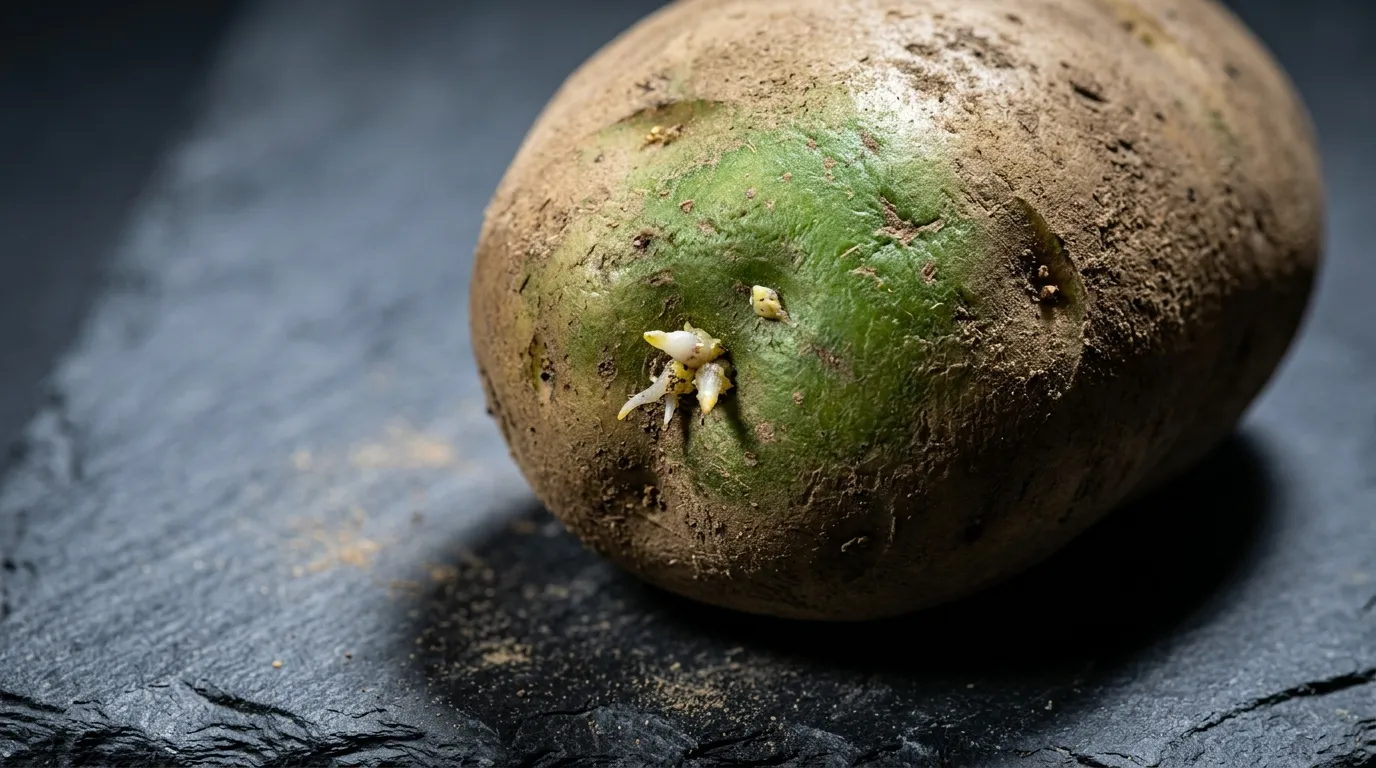
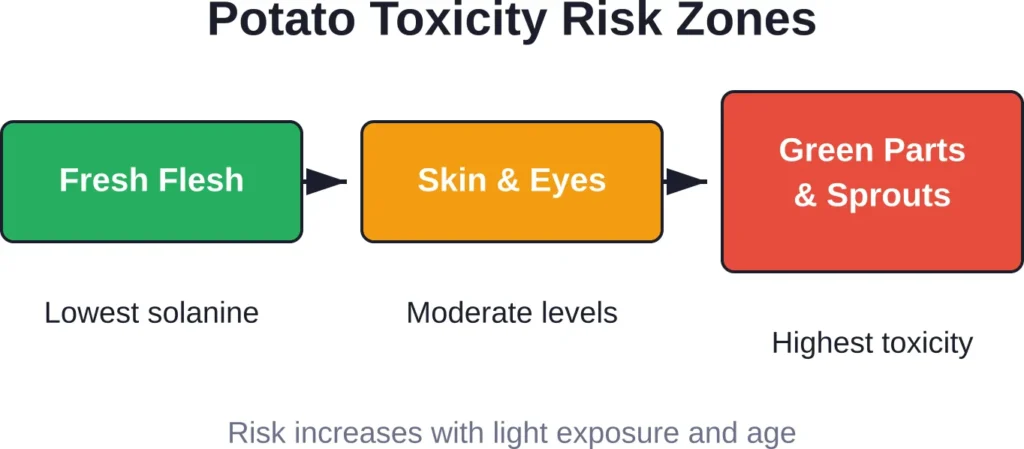
In potatoes, the two primary glycoalkaloids are α-solanine and α-chaconine. These compounds are concentrated in the skin, sprouts, and any green areas of the potato.
According to medical research published in the Journal of Family Medicine and Primary Care, glycoalkaloids in potatoes can induce gastrointestinal and systemic effects by disrupting cell membranes and inhibiting acetylcholinesterase. Symptoms of solanine toxicity include nausea, vomiting, diarrhea, abdominal pain, headache, and in severe cases, neurological symptoms.
Green potatoes are particularly problematic. As documented in PubMed research, eating green potatoes has led to poisoning attributed to elevated glycoalkaloid concentrations. The greening process occurs when potatoes are exposed to light, triggering chlorophyll production—and along with it, increased solanine levels.
How to Identify Problem Potatoes
Look for these warning signs:
- Green coloration on the skin or flesh
- Visible sprouts or eyes growing from the surface
- Bitter taste (solanine tastes bitter)
- Soft spots or wrinkled skin indicating age
According to Colorado State University, proper storage at 43-46.5°F and 85-90% relative humidity prevents greening and solanine formation. Avoid storing potatoes in direct light or at room temperature for extended periods.
Antinutrients Block Nutrient Absorption
Beyond glycoalkaloids, raw potatoes contain antinutrients—compounds that interfere with the body’s ability to digest and absorb nutrients.
Two primary culprits are lectins and protease inhibitors (specifically, trypsin inhibitors). These proteins can bind to the intestinal lining, causing inflammation and reducing the absorption of minerals like iron, zinc, and calcium.
Cooking neutralizes most of these compounds. Heat denatures the protein structure of lectins and trypsin inhibitors, rendering them harmless. According to FDA research, soaking raw potato slices in water for 15-30 minutes before frying or roasting helps reduce acrylamide formation during cooking.
Raw potatoes also contain higher levels of resistant starch—a type of starch that resists digestion in the small intestine. While resistant starch has some health benefits (it acts as a prebiotic, feeding beneficial gut bacteria), consuming too much can cause bloating, gas, and digestive discomfort.
The Nutritional Trade-Off
Here’s where things get interesting. Raw potatoes actually contain more vitamin C than cooked ones.
Vitamin C is heat-sensitive and degrades during cooking. Raw potatoes contain about twice as much vitamin C as baked potatoes, gram for gram. But this advantage is largely theoretical—most people won’t eat enough raw potato to make a meaningful difference in their vitamin C intake, especially when oranges, bell peppers, and strawberries provide the same nutrient without digestive risks.
| Nutrient Factor | Raw Potatoes | Cooked Potatoes |
|---|---|---|
| Vitamin C | Higher (heat-sensitive) | Lower after cooking |
| Resistant Starch | Very high | Reduced significantly |
| Solanine/Chaconine | Present (risk) | Reduced through cooking |
| Antinutrients | Active | Denatured by heat |
| Digestibility | Poor | Excellent |
Research from Harvard’s Nutrition Source indicates associations between potato consumption patterns and type 2 diabetes risk in large cohort studies. The takeaway? How potatoes are prepared—and what replaces them in the diet—matters more than whether they’re eaten at all.
When Eating Raw Potatoes Might Be Okay
Some individuals report enjoying the taste and texture of raw potatoes.
If someone insists on eating raw potatoes, here’s how to minimize risk:
- Choose fresh, firm potatoes with no green coloration
- Peel them thoroughly (most solanine concentrates in and just below the skin)
- Remove all eyes and sprouts completely
- Limit portion size to a few thin slices
- Wash thoroughly before consumption
That said, there’s no compelling nutritional reason to eat potatoes raw when cooking eliminates most risks and improves digestibility.
Better Ways to Enjoy Potatoes
Potatoes are incredibly versatile when cooked. They provide vitamin C, potassium, dietary fiber, and when prepared properly, can be part of a healthy eating pattern.
Try these preparation methods:
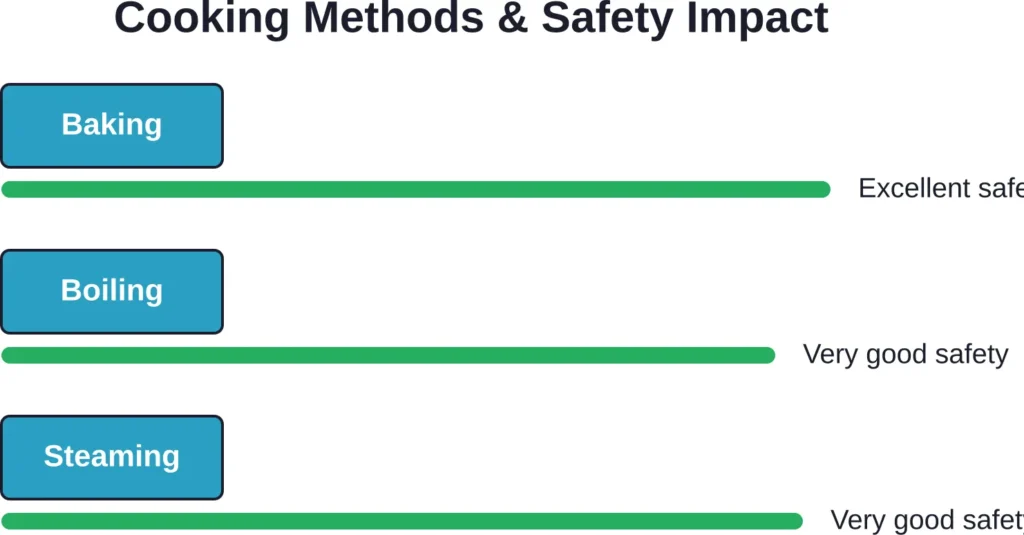
- Baking: Preheat oven to 400°F, bake for 45-60 minutes until flesh is tender
- Boiling: Cut into cubes, cover with water, boil on medium-high heat until tender
- Steaming: Preserves more nutrients than boiling while ensuring safety
- Roasting: High heat caramelizes natural sugars for enhanced flavor
One important note from the FDA: soaking raw potato slices in water for 15-30 minutes before cooking reduces acrylamide formation—a chemical that can form during high-temperature cooking like frying and roasting. While acrylamide in food has caused cancer in laboratory animals at much higher levels than those in foods, reducing exposure is a reasonable precaution.
The Bottom Line on Raw Potatoes
Can someone eat raw potatoes without immediate harm? Probably, in small amounts, if the potato is fresh and properly prepared.
Should someone eat raw potatoes? Not really.
The risks—digestive discomfort, reduced nutrient absorption, potential solanine toxicity—outweigh any marginal vitamin C benefit. Cooking transforms potatoes into a safer, more digestible, more nutritious food. There’s simply no good reason to skip that step.
If the appeal is the crunchy texture, jicama or raw turnips offer a similar bite without the glycoalkaloid risk. If it’s convenience, microwaving a potato takes just 5-7 minutes.
Potatoes are a global staple for good reason—they’re nutritious, affordable, and versatile. But they’re meant to be cooked. Respect the spud, and apply some heat.
Frequently Asked Questions
Yes, raw potatoes can cause digestive issues including bloating, gas, nausea, and abdominal cramps due to resistant starch and antinutrients. Green or sprouted raw potatoes contain elevated solanine levels that can cause more severe symptoms including vomiting, diarrhea, and headaches.
Eating a small amount of fresh, non-green raw potato typically won’t cause serious harm in most people. Some may experience mild digestive discomfort, but adverse effects are usually minimal with very small quantities.
Some individuals report enjoying the taste and texture of raw potatoes. Others may consume them out of curiosity or habit. However, this preference is uncommon and not nutritionally advisable.
No. While cooking reduces heat-sensitive vitamin C, it dramatically improves the bioavailability of other nutrients by breaking down cell walls and neutralizing antinutrients. Cooked potatoes remain an excellent source of potassium, vitamin B6, and dietary fiber.
Cooked potato skins are safe and nutritious when the potato is fresh and free of green coloration or sprouts. The skin contains significant fiber and nutrients. Always wash potatoes thoroughly before cooking, and discard any skins that appear green.
Discard potatoes that show green coloration, have long sprouts, feel soft or mushy, smell unusual, or taste bitter. These signs indicate elevated glycoalkaloid levels or spoilage that make the potato unsafe to consume even when cooked.
According to Colorado State University, store potatoes at 43-46.5°F with 85-90% relative humidity in a dark location. Avoid refrigeration (which can increase sugar content and acrylamide formation during cooking) and room temperature in light (which triggers greening and solanine production).