

Quick Summary: Taking prenatal vitamins when not pregnant is generally safe but usually unnecessary. Prenatal vitamins contain concentrated nutrient levels designed specifically for pregnancy—particularly higher amounts of folic acid and iron—which most non-pregnant individuals can obtain through a regular multivitamin or balanced diet. While certain populations may benefit from specific nutrients found in prenatals, the elevated doses can pose risks for others, making consultation with a healthcare provider essential before starting supplementation.
Walk into any pharmacy and the vitamin aisle presents a dizzying array of choices. Among them, prenatal vitamins stand out with promises of stronger hair, better nails, and overall health benefits. But here’s the thing—these supplements are formulated for a very specific purpose.
The question of whether non-pregnant individuals should take prenatal vitamins has gained traction, fueled by claims about beauty benefits and nutritional advantages. The reality is more nuanced than social media suggestions might indicate.
What Makes Prenatal Vitamins Different?
Prenatal vitamins aren’t simply regular multivitamins with a different label. They contain specific nutrient concentrations tailored to the demands of pregnancy and fetal development.
According to FDA guidelines, the Recommended Daily Value for folate during pregnancy and lactation is 800 mcg—double the amount typically found in standard multivitamins. Iron recommendations jump to 18 mg, magnesium to 450 mg, and iodine to 150 mcg for pregnant and lactating women.
These elevated levels address the increased nutritional demands of supporting two lives. During pregnancy, blood volume increases significantly, creating higher iron needs. Rapid cell division in the developing fetus requires abundant folate. Bone development demands additional calcium.
Key Nutrient Differences
| Nutrient | Regular Multivitamin | Prenatal Vitamin | Purpose During Pregnancy |
|---|---|---|---|
| Folic Acid | 400 mcg | 800+ mcg | Prevents neural tube defects |
| Iron | 8-10 mg | 18-27 mg | Supports increased blood volume |
| Calcium | 200-300 mg | 200-300 mg | Fetal bone development |
| DHA | Often absent | 200-300 mg | Brain and eye development |
Research published in the American Journal of Perinatology found that 27% of commercially available prenatal vitamins did not have the recommended amount of folic acid (13 of 48 products). Of 48 products evaluated, only five were compliant with recommendations for all four key nutrients.
That same study revealed the median cost of prenatal vitamins that did not meet compliance with four key nutrients was $18.99 (IQR: $10.00–$30.29)—suggesting price doesn’t guarantee quality.
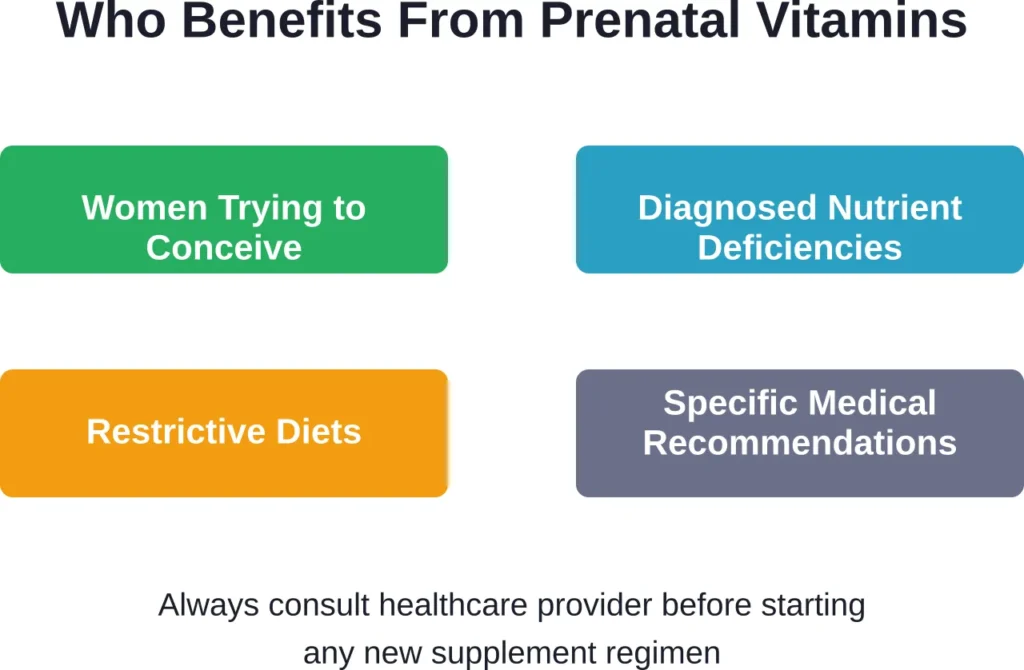
The Case for Taking Prenatals When Not Pregnant
Despite being formulated for pregnancy, certain situations might warrant prenatal vitamin use in non-pregnant individuals.
Women Trying to Conceive
Here’s where prenatal vitamins make absolute sense. The CDC recommends all women capable of becoming pregnant get 400 micrograms of folic acid daily, with supplementation ideally beginning before conception to help prevent neural tube defects.
The critical window for neural tube formation occurs within the first 28 days of pregnancy—often before someone knows they’re pregnant. Given that 45% of pregnancies in the United States are unintended, according to ACOG, starting prenatal vitamins before conception provides crucial protection.
Diagnosed Nutritional Deficiencies
Research indicates that 27.5% of women develop iron deficiency anemia during their third trimester. But deficiencies don’t only affect pregnant women.
Individuals with confirmed low iron, folate, or other nutrient deficiencies might find prenatal vitamins helpful. That said, targeted supplementation of the specific deficient nutrient often makes more sense than the broad-spectrum approach of prenatal vitamins.
Restrictive Diets
Vegetarians, vegans, or those with medical conditions limiting nutrient absorption may struggle to meet certain nutritional needs through diet alone. Prenatal vitamins can help bridge these gaps, though again, tailored supplementation typically serves better.
Potential Risks and Downsides
The nutrient concentrations that benefit pregnant women can create problems for others.
Iron Overload
Most prenatal vitamins contain 18-27 mg of iron. For menstruating women with adequate iron stores, this amount rarely causes issues. But for post-menopausal women or men, excess iron accumulation can occur.
Iron overload can damage organs over time, particularly the liver and heart. Symptoms include fatigue, joint pain, and abdominal discomfort—ironically similar to iron deficiency symptoms.
Excessive Nutrient Intake
More isn’t always better. Fat-soluble vitamins like A, D, E, and K accumulate in body tissues. While prenatal formulations typically keep vitamin A at safe levels, combining prenatal vitamins with other supplements or fortified foods can push intake beyond recommended limits.
Water-soluble vitamins like B-complex and vitamin C pose less storage risk but can still cause side effects. High B6 doses may lead to nerve damage. Excess vitamin C can cause digestive upset.
Digestive Discomfort
The iron content in prenatal vitamins frequently causes constipation, nausea, and stomach upset. These side effects are common enough during pregnancy; there’s little reason to endure them unnecessarily.
Some individuals also experience allergic reactions to inactive ingredients used as fillers, binders, or coatings in prenatal formulations.
Prenatal Vitamins vs Regular Multivitamins
For most non-pregnant adults, a standard multivitamin provides adequate nutritional support without the elevated doses found in prenatal formulations.
Regular multivitamins typically contain balanced amounts of essential vitamins and minerals calibrated for general health maintenance rather than pregnancy-specific demands.
| Factor | Prenatal Vitamins | Regular Multivitamins |
|---|---|---|
| Folic Acid Content | High (800+ mcg) | Moderate (400 mcg) |
| Iron Content | High (18-27 mg) | Low to moderate (8-18 mg) |
| Target Audience | Pregnant/trying to conceive | General adult population |
| Digestive Side Effects | More common | Less common |
| Cost | $10-30 monthly | $5-20 monthly |
Research on prenatal supplements found that many consisted of single pills with limited vitamin and mineral profiles. This raises questions about whether these products truly meet pregnancy needs, let alone justify use by non-pregnant individuals.
The Beauty Claims: Hair, Skin, and Nails
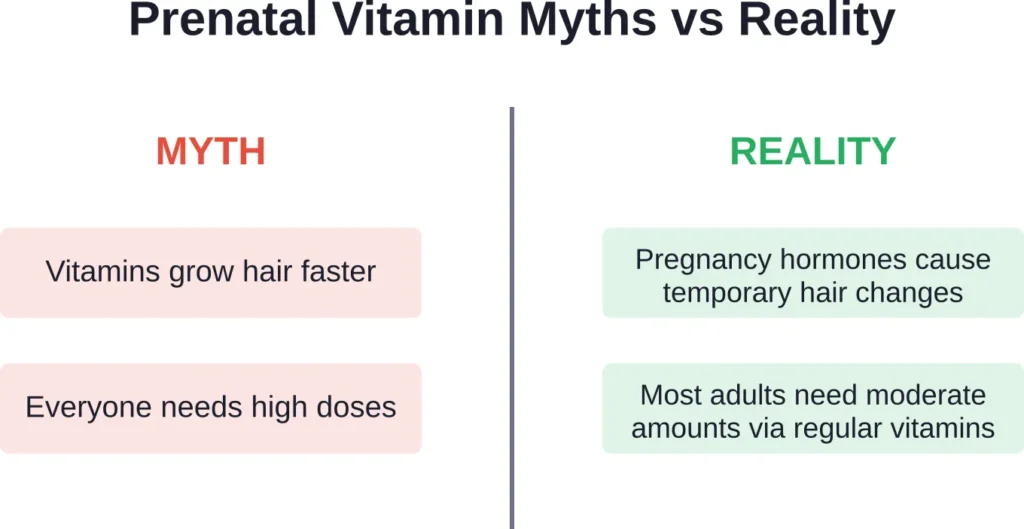
One popular reason people take prenatal vitamins when not pregnant centers on cosmetic benefits. The claims suggest prenatal vitamins promote thicker hair, stronger nails, and clearer skin.
Real talk: these benefits are largely anecdotal and not supported by clinical evidence.
Pregnant women often experience improved hair and nail growth—but this stems primarily from hormonal changes, not vitamins. Increased estrogen levels prolong the hair growth phase, creating temporary fullness that reverses postpartum.
Biotin, often included in prenatal formulations, does support keratin production. But biotin supplements designed specifically for hair and nail health contain therapeutic doses without the unnecessary iron and folic acid concentrations found in prenatals.
For targeted beauty benefits, standalone biotin, collagen peptides, or beauty-specific multivitamins make more sense than prenatal vitamins.
When to Consult a Healthcare Provider
Before starting any supplement regimen, including prenatal vitamins, consultation with a healthcare provider provides personalized guidance based on individual health status, diet, and medical history.
This becomes especially important for individuals with:
- Pre-existing medical conditions affecting nutrient absorption or metabolism
- History of kidney stones or iron disorders
- Current medications that may interact with vitamin supplements
- Dietary restrictions requiring nutritional monitoring
- Plans to conceive within the next several months
Blood tests can identify specific deficiencies, allowing targeted supplementation rather than the shotgun approach of prenatal vitamins. A healthcare provider can also recommend appropriate dosages and formulations for individual circumstances.
Better Alternatives for Non-Pregnant Adults
Most health goals attributed to prenatal vitamins can be achieved through more appropriate means.
Standard Multivitamins
Age and gender-specific multivitamins provide balanced nutrition without excessive doses. Women’s formulations include adequate iron for menstruating individuals. Senior formulations adjust for changing nutritional needs.
Targeted Supplementation
Identified deficiencies respond better to specific supplements at therapeutic doses. Low vitamin D? Take vitamin D3. Iron deficiency? Standalone iron supplements with vitamin C for absorption work better than prenatal combinations.
Dietary Optimization
Whole foods remain the gold standard for nutrition. Dark leafy greens provide folate, iron, and minerals. Fatty fish supplies omega-3s and vitamin D. Nuts and seeds offer vitamin E and magnesium.
Supplements fill gaps—they don’t replace balanced nutrition.
Making an Informed Decision
So, is it okay to take prenatal vitamins if not pregnant? The answer depends on individual circumstances.
For women actively trying to conceive, prenatal vitamins provide crucial nutrients during the critical early weeks of pregnancy. For everyone else, standard multivitamins or targeted supplements typically serve better without unnecessary nutrient loads.
The safety profile of prenatal vitamins for non-pregnant individuals is generally favorable—most people won’t experience serious adverse effects. But safety doesn’t equal necessity.
Consider the specific nutrients needed, potential risks from excess intake, and whether more appropriate alternatives exist. Healthcare providers can guide these decisions based on blood work, medical history, and individual health goals.
Community discussions reveal that many people take prenatal vitamins for reasons unrelated to pregnancy—hair growth, general health insurance, or simply because they have them available. While these practices rarely cause harm, they also rarely provide benefits that couldn’t be achieved more efficiently through other means.
The bottom line? Prenatal vitamins serve a specific purpose for a specific population. Using them outside that context isn’t necessarily dangerous, but it’s usually not optimal either.
Frequently Asked Questions
Prenatal vitamins don’t directly promote hair or nail growth in non-pregnant individuals. The improved hair and nail quality during pregnancy results from hormonal changes, not vitamins. Biotin supplements designed specifically for hair and nail health provide targeted benefits without excessive iron and folic acid.
Common side effects include constipation, nausea, and stomach upset due to high iron content. Long-term use may lead to iron overload in individuals who don’t need supplemental iron, particularly post-menopausal women and men. Excessive intake of certain nutrients can also occur when combining prenatal vitamins with other supplements or fortified foods.
Men generally should not take prenatal vitamins. The high iron content designed for pregnant women can lead to iron accumulation in men, potentially causing organ damage over time. Men’s multivitamins provide more appropriate nutrient balances without excessive iron.
Prenatal vitamins contain significantly higher amounts of folic acid (800+ mcg vs 400 mcg) and iron (18-27 mg vs 8-18 mg) than regular multivitamins. They’re specifically formulated to support pregnancy and fetal development, while regular multivitamins provide balanced nutrition for general health maintenance in non-pregnant adults.
The CDC recommends all women capable of becoming pregnant get 400 micrograms of folic acid daily, with supplementation ideally beginning before conception. Neural tube formation occurs within the first 28 days of pregnancy—often before someone knows they’re pregnant—making early supplementation essential for preventing birth defects.
Prenatal vitamins themselves don’t directly cause weight gain. They contain negligible calories. However, some individuals report increased appetite as a side effect, and the nutrients support overall health which may indirectly affect metabolism. Any weight changes should be discussed with a healthcare provider.
Not necessarily. Research shows that prenatal vitamins that did not meet compliance with four key nutrients cost a median of $18.99, while information about compliant versions’ pricing is not available from the source material. Price doesn’t guarantee quality or proper nutrient amounts. Check labels for specific nutrient content rather than relying on cost as a quality indicator.
Conclusion
Taking prenatal vitamins when not pregnant falls into a gray area—generally safe but rarely necessary for most people. These supplements deliver concentrated nutrients designed for the unique demands of pregnancy, not general health maintenance.
Women planning pregnancy should absolutely start prenatal vitamins before conception. For everyone else, regular multivitamins or targeted supplementation based on identified deficiencies make more sense.
Rather than self-prescribing prenatal vitamins based on beauty claims or general health assumptions, schedule a consultation with a healthcare provider. Blood work can identify actual deficiencies, allowing evidence-based supplementation tailored to individual needs.
Optimal health starts with personalized nutrition—not one-size-fits-all solutions borrowed from pregnancy protocols.