

Quick Summary: Taking stool softeners daily is generally considered safe for short-term use, but long-term daily use should be discussed with a healthcare provider. While research on daily stool softener safety remains limited, authoritative medical sources suggest that addressing underlying constipation causes through diet, hydration, and lifestyle changes offers a more sustainable approach than indefinite daily medication use.
Constipation affects between 8% to 12% of the U.S. population according to 2023 American Gastroenterological Association guidelines. When bowel movements become infrequent or difficult, many people reach for stool softeners as a convenient solution.
But what happens when one day turns into every day? Can daily stool softener use become a problem, or is it a safe long-term strategy?
What Are Stool Softeners and How Do They Work?
Stool softeners are a specific type of laxative that works differently from stimulant laxatives or osmotic agents. The most common active ingredient is docusate sodium, though docusate calcium is also available.
These medications work by allowing water and fats to penetrate the stool, making it softer and easier to pass. Unlike stimulant laxatives that trigger intestinal muscle contractions, stool softeners simply change the consistency of stool itself.
Stool softeners typically take between 12 to 72 hours to produce results. They’re often recommended for people who need to avoid straining during bowel movements, such as those recovering from surgery or dealing with hemorrhoids.
The Safety Question: Current Medical Evidence
Here’s the thing though—the research on long-term daily stool softener use is surprisingly sparse. According to MedlinePlus, a service of the National Library of Medicine, there isn’t extensive data examining the specific long-term side effects of taking stool softeners every day.
That doesn’t necessarily mean daily use is harmful. It simply means the medical community hasn’t conducted comprehensive long-term studies specifically focused on this question.
What we do know is that stool softeners are generally considered one of the gentler laxative options. They don’t cause dependency in the way some people worry about with stimulant laxatives.
What Healthcare Providers Actually Say
Medical experts tend to take a cautious but practical approach. While stool softeners don’t appear to cause significant harm with regular use, most healthcare providers recommend using them as a bridge solution rather than a permanent fix.
The key concern isn’t necessarily the medication itself. Rather, it’s that relying on any laxative daily might mask an underlying condition that needs proper diagnosis and treatment.
| Laxative Type | How It Works | Daily Use Considerations |
|---|---|---|
| Stool Softeners | Increases water in stool | Generally safe short-term; limited long-term data |
| Stimulant Laxatives | Triggers bowel contractions | Not recommended for daily use without medical supervision |
| Osmotic Laxatives | Draws water into intestines | Polyethylene glycol has good evidence for chronic use |
| Fiber Supplements | Adds bulk to stool | Safe for daily use with adequate hydration |
Understanding Chronic Constipation
Chronic constipation has been reported in 15% to 25% of the general population. This means constipation isn’t just about how often—it’s also about difficulty passing stools, incomplete evacuation, and the overall experience of bowel movements.
Potential Side Effects and Risks
Stool softeners are generally well-tolerated, but they’re not completely risk-free. Common side effects can include stomach cramping, diarrhea, throat irritation, and in rare cases, rash or allergic reactions.
Real talk: the bigger concern with daily stool softener use isn’t usually dramatic side effects. It’s the opportunity cost of not addressing the root cause of constipation.
When Daily Use Becomes a Red Flag
If stool softeners are needed every single day for weeks or months, that pattern suggests something deeper is going on. Chronic constipation can signal various conditions, from thyroid disorders to intestinal motility problems.
Evidence-Based Alternatives for Chronic Constipation
A 2021 systematic review published in the American Journal of Gastroenterology evaluated over-the-counter therapies for chronic constipation. The findings provide good evidence to recommend polyethylene glycol or senna as first-line laxatives, with moderate evidence supporting fiber supplements, fruits, stimulant laxatives, and magnesium-based products.
But medications aren’t the only answer. For many people, lifestyle modifications prove more effective long-term than any pill.
Dietary and Lifestyle Strategies
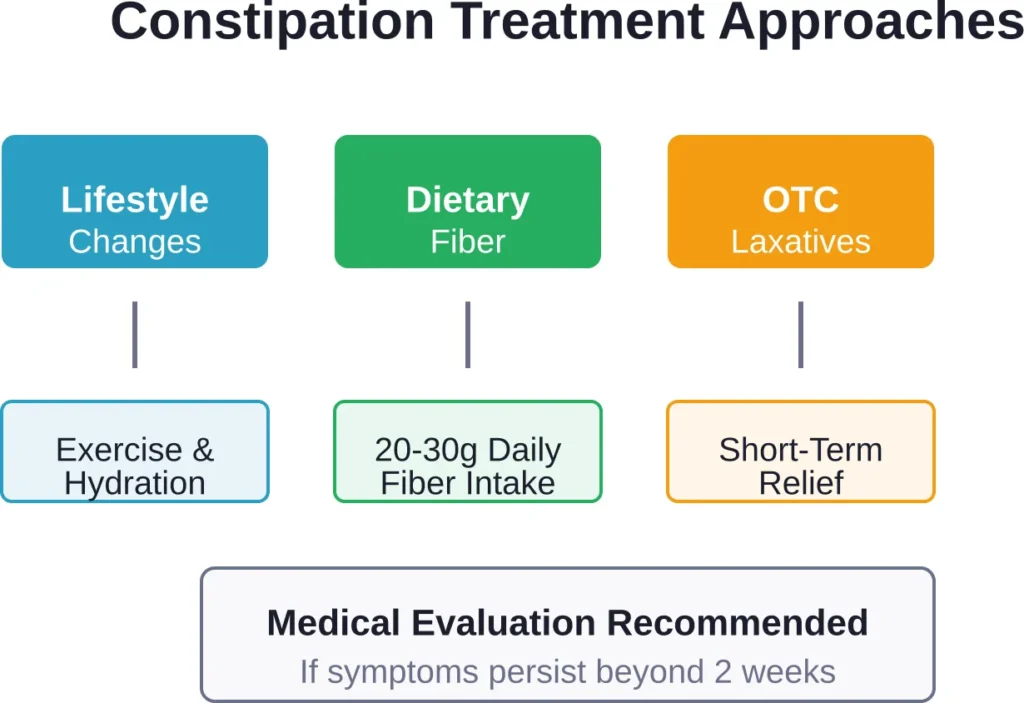
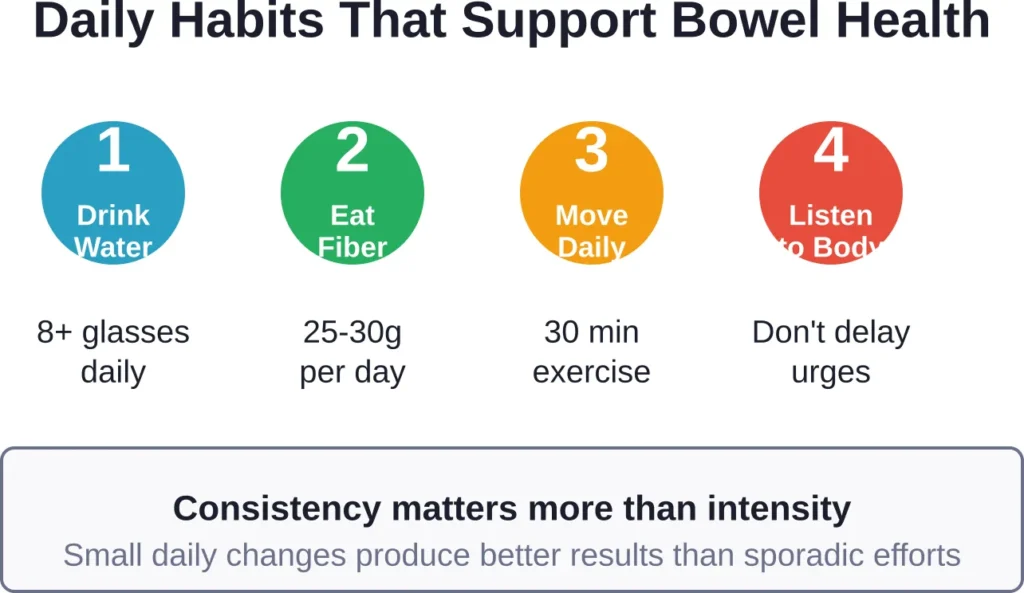
Increasing dietary fiber intake, staying properly hydrated, and maintaining regular physical activity form the foundation of constipation management. These aren’t glamorous solutions, but they work.
Adequate hydration is particularly important when using fiber supplements or any laxative. Medical sources provide specific dosing guidance that should be followed as directed by healthcare providers.
When to Consult a Healthcare Provider
So, what’s the answer to daily laxative use? It depends on context.
If constipation persists for more than two weeks despite lifestyle changes, medical evaluation becomes important. Healthcare providers can rule out underlying conditions, perform appropriate diagnostic tests, and develop a comprehensive treatment plan.
Certain symptoms require immediate medical attention: blood in stool, unexplained weight loss, severe abdominal pain, or sudden changes in bowel habits. These can signal serious conditions that need proper diagnosis.
Making the Right Choice for Long-Term Health
Stool softeners serve an important purpose for short-term relief and specific medical situations. They’re gentler than many alternatives and don’t cause the dependency issues associated with some stimulant laxatives.
That said, daily use for extended periods without medical supervision isn’t ideal. Not because stool softeners themselves are necessarily dangerous, but because chronic constipation deserves a more comprehensive approach.
The best strategy combines lifestyle modifications as the foundation, with medications used strategically when needed rather than as a permanent crutch. This approach addresses root causes rather than just managing symptoms indefinitely.
Frequently Asked Questions
Stool softeners are generally safe for short-term use of several days to a few weeks. For use extending beyond two weeks, consult a healthcare provider to rule out underlying conditions and discuss whether continued use is appropriate for your specific situation.
Stool softeners don’t cause physical dependency the way stimulant laxatives might. However, relying on any medication daily without addressing underlying causes can become psychologically habitual and may delay proper diagnosis of chronic constipation.
Fiber supplements generally represent a better choice for daily long-term use because they address constipation through a natural mechanism that supports overall digestive health. They work by adding bulk to stool and are safe for ongoing use with adequate hydration.
No, stool softeners typically take between 12 to 72 hours to produce results. They work gradually by allowing water to penetrate the stool, making it softer over time. For faster relief, other laxative types may be more appropriate.
Many healthcare providers consider stool softeners safe during pregnancy, and constipation is common in pregnant individuals. However, always consult with an obstetrician or healthcare provider before starting any medication during pregnancy.
If a stool softener stops being effective, possible causes include inadequate fluid intake, insufficient fiber in the diet, or an underlying condition that requires different treatment. Increasing the dose without medical guidance isn’t recommended—consult a healthcare provider instead.
Yes, natural approaches include increasing dietary fiber through fruits, vegetables, and whole grains, drinking more water, regular exercise, and establishing consistent bathroom routines. Prunes and prune juice have mild natural laxative effects that some people find helpful.
Conclusion
Taking stool softeners every day isn’t inherently dangerous based on current medical knowledge, but it’s not the ideal long-term solution for most people dealing with chronic constipation.
The limited research on extended daily use means healthcare providers generally recommend a more comprehensive approach that addresses diet, hydration, physical activity, and underlying health conditions. Stool softeners work best as a temporary bridge or situational tool rather than a permanent fix.
If constipation has become a persistent daily challenge requiring medication, that’s a signal to dig deeper. Schedule a consultation with a healthcare provider to explore why constipation is happening and develop a sustainable treatment plan tailored to your specific needs.